AI Data Centers Accelerate Construction, Driving Demand for Engineering Anchors and Equipment Fasteners
Global data center electricity consumption and construction demand are growing rapidly, increasing the need for engineering anchors, bolts, U-bolts, and precision fasteners in steel structures, mechanical and electrical installations, cooling systems, power facilities, and server equipment.
The rapid development of AI applications is driving a significant increase in global data center construction and electricity demand. According to the International Energy Agency, global data center electricity consumption was approximately 415 TWh in 2024, accounting for about 1.5% of global electricity use; by 2030, data center electricity consumption is expected to rise to about 945 TWh, more than double the 2024 level.
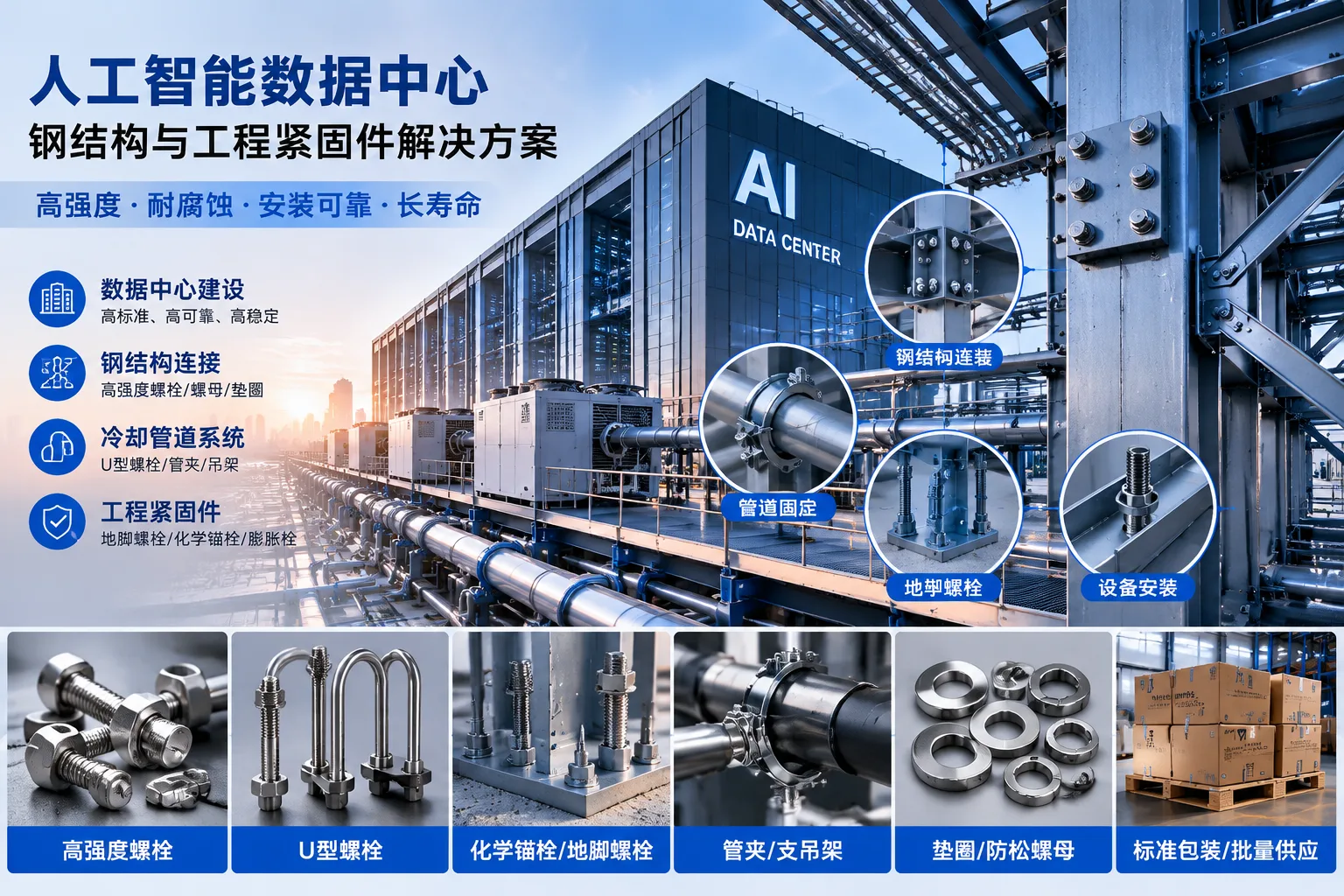
Although data centers are digital infrastructure, their construction requires a large number of traditional industrial products. A typical data center includes steel or concrete structures, cabinet systems, power supply and distribution equipment, backup power, cooling pipes, fire protection facilities, cable trays, and maintenance platforms.
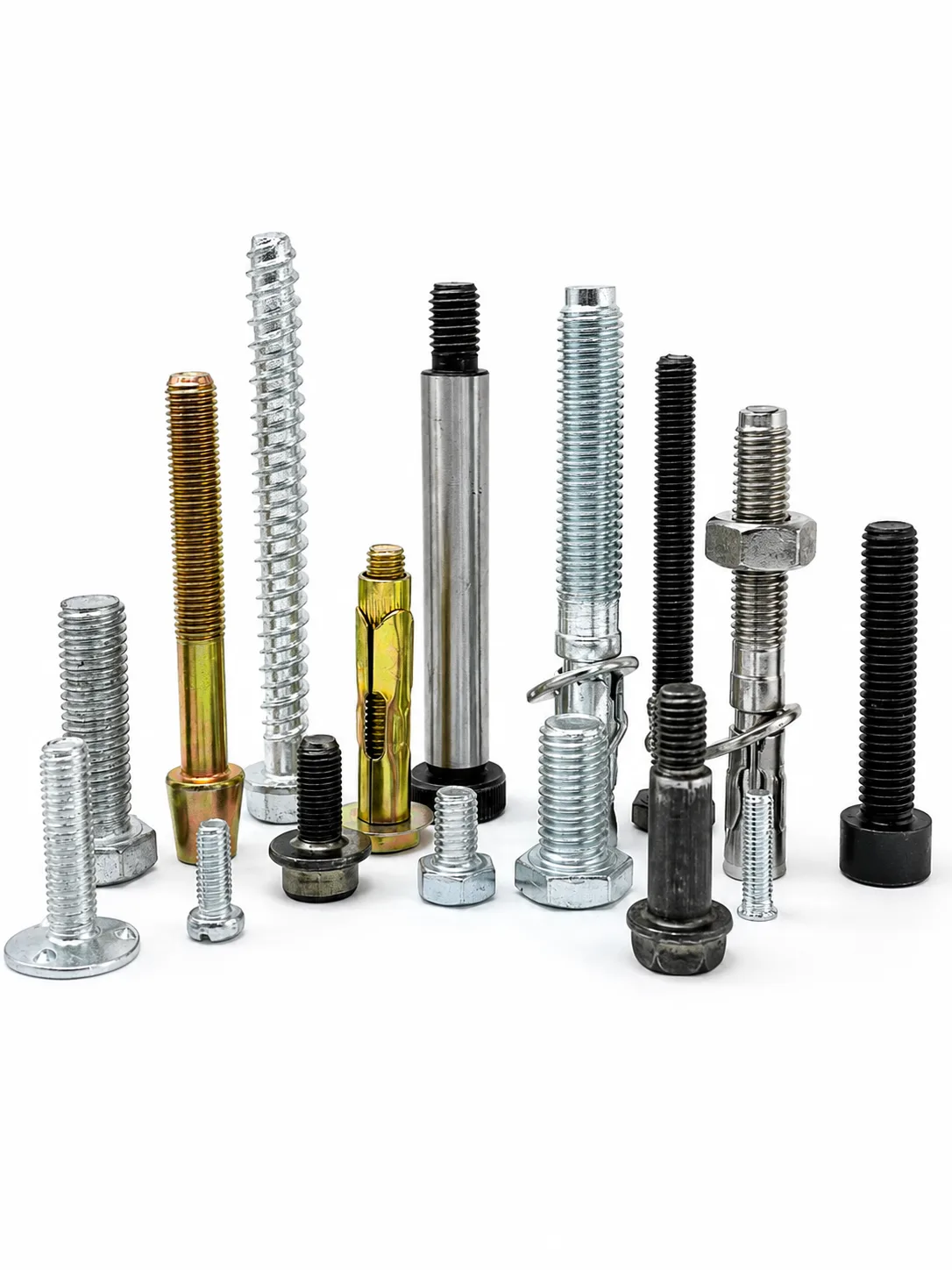
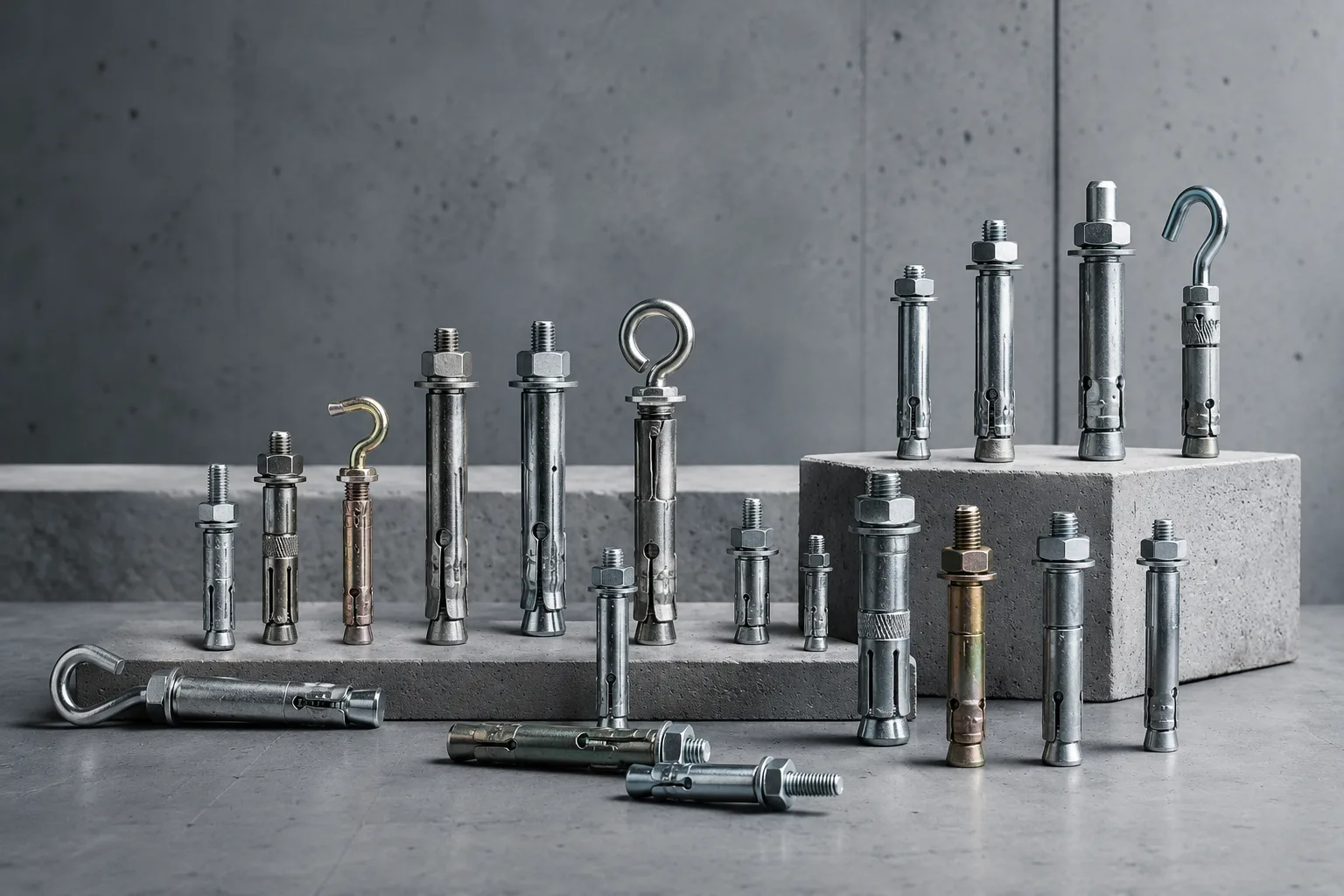
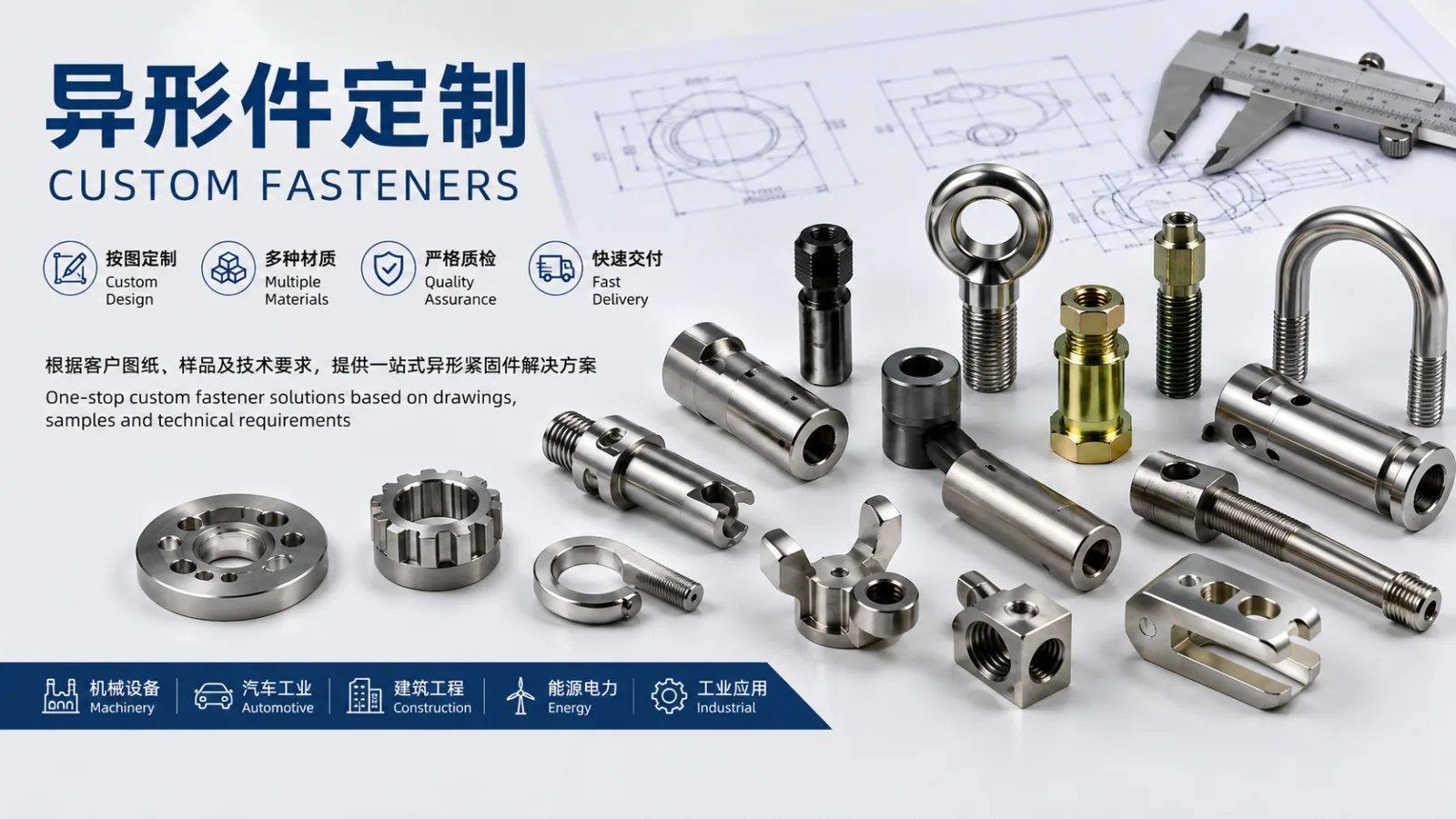
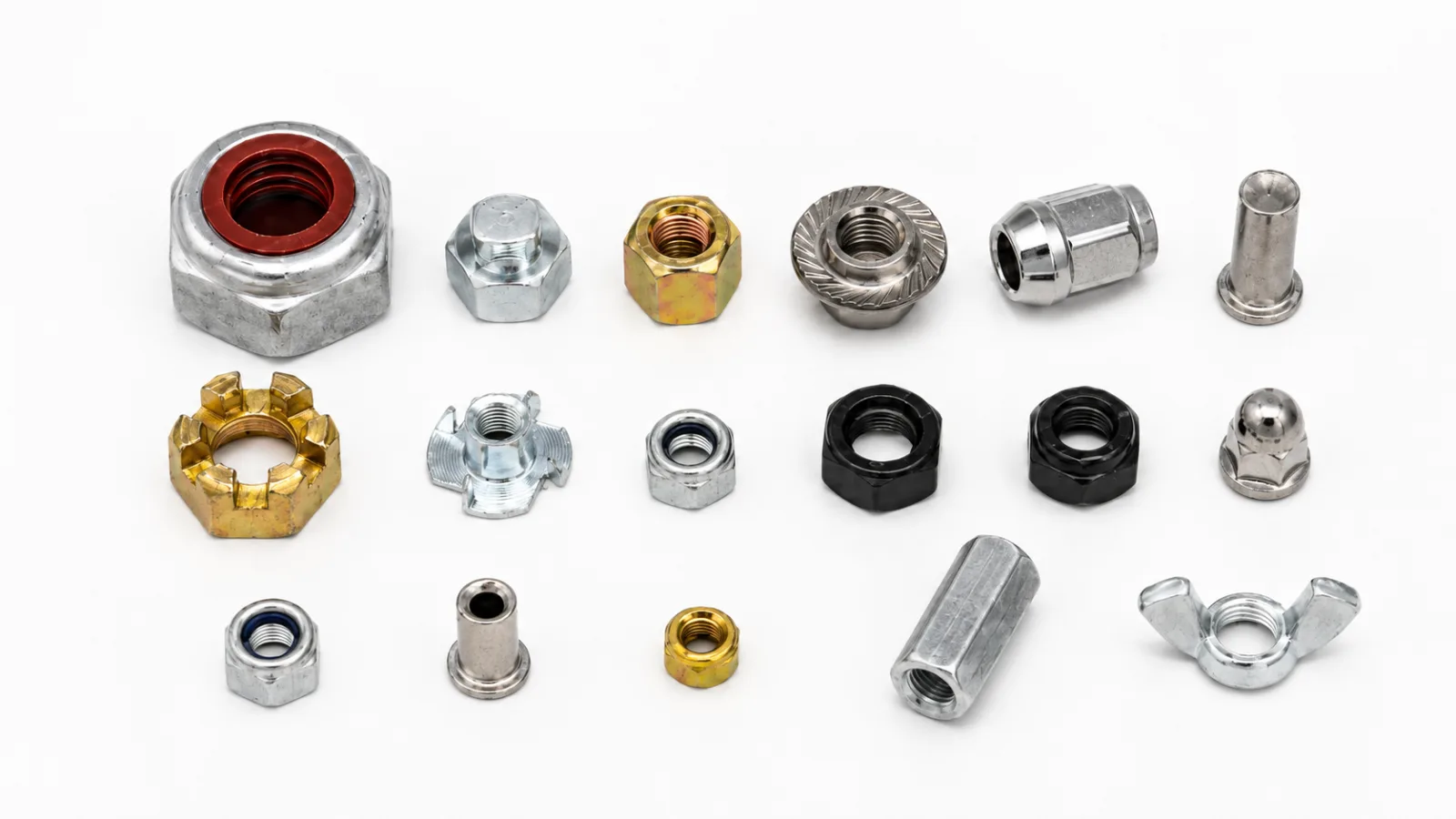
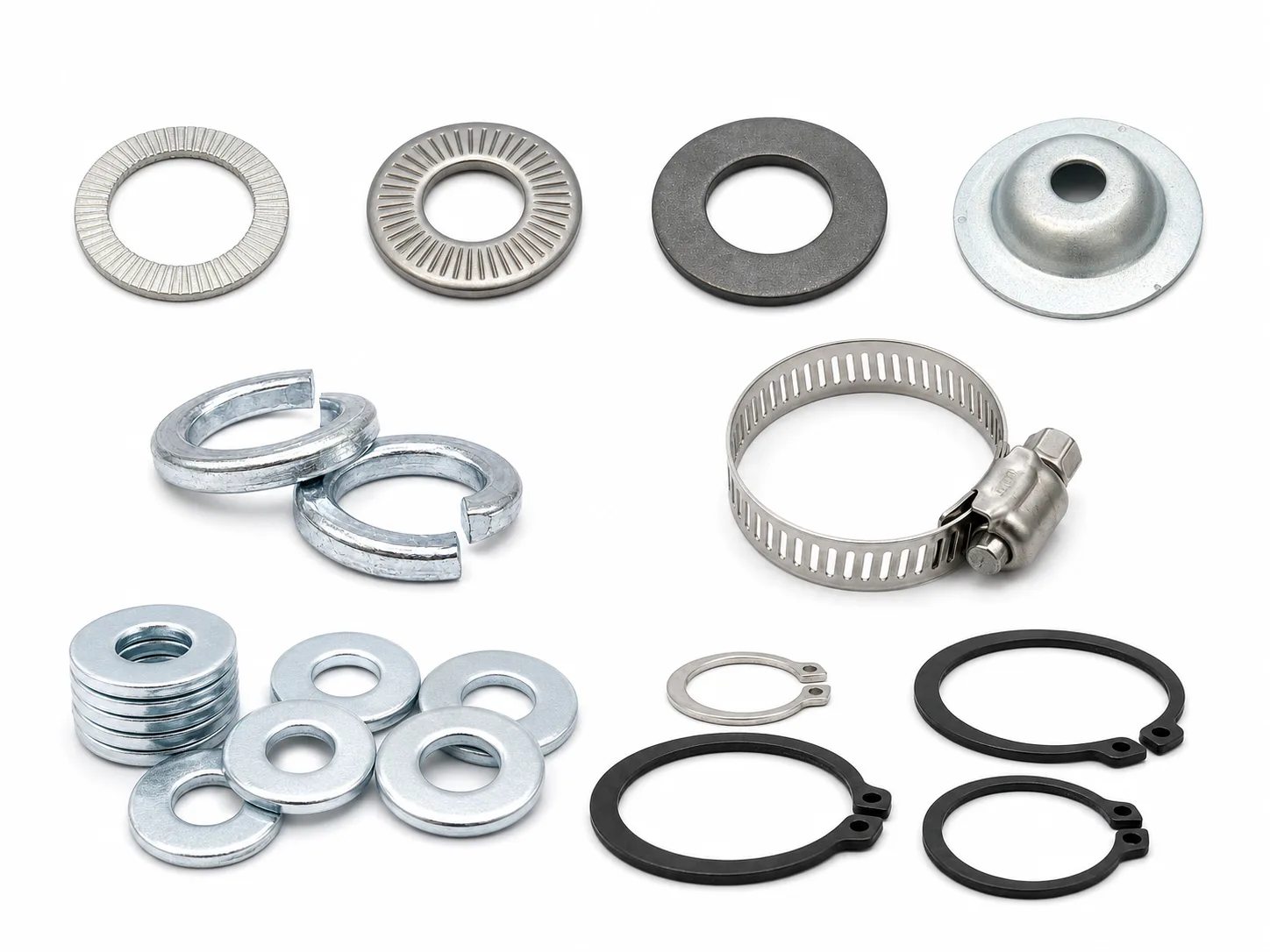
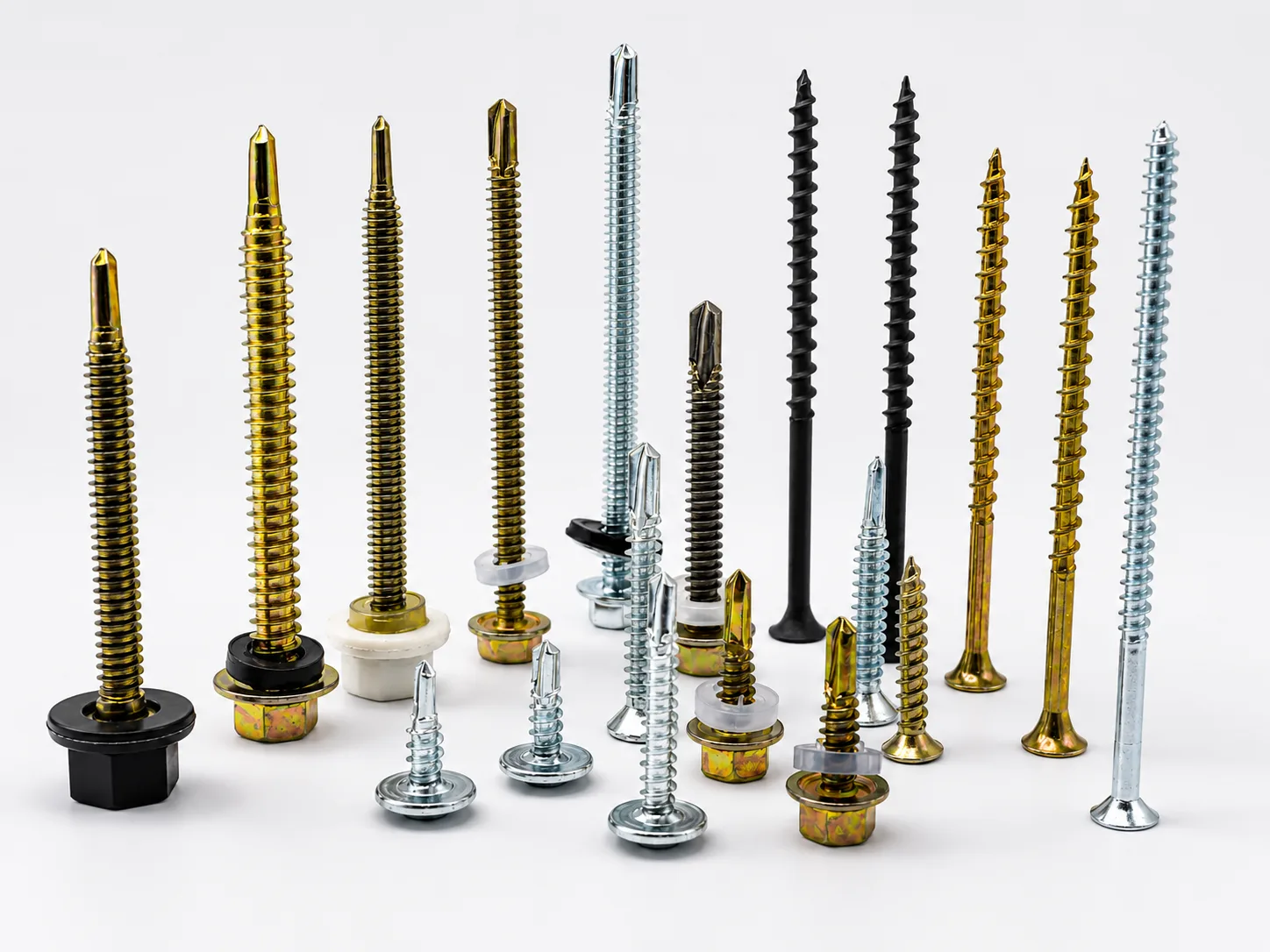
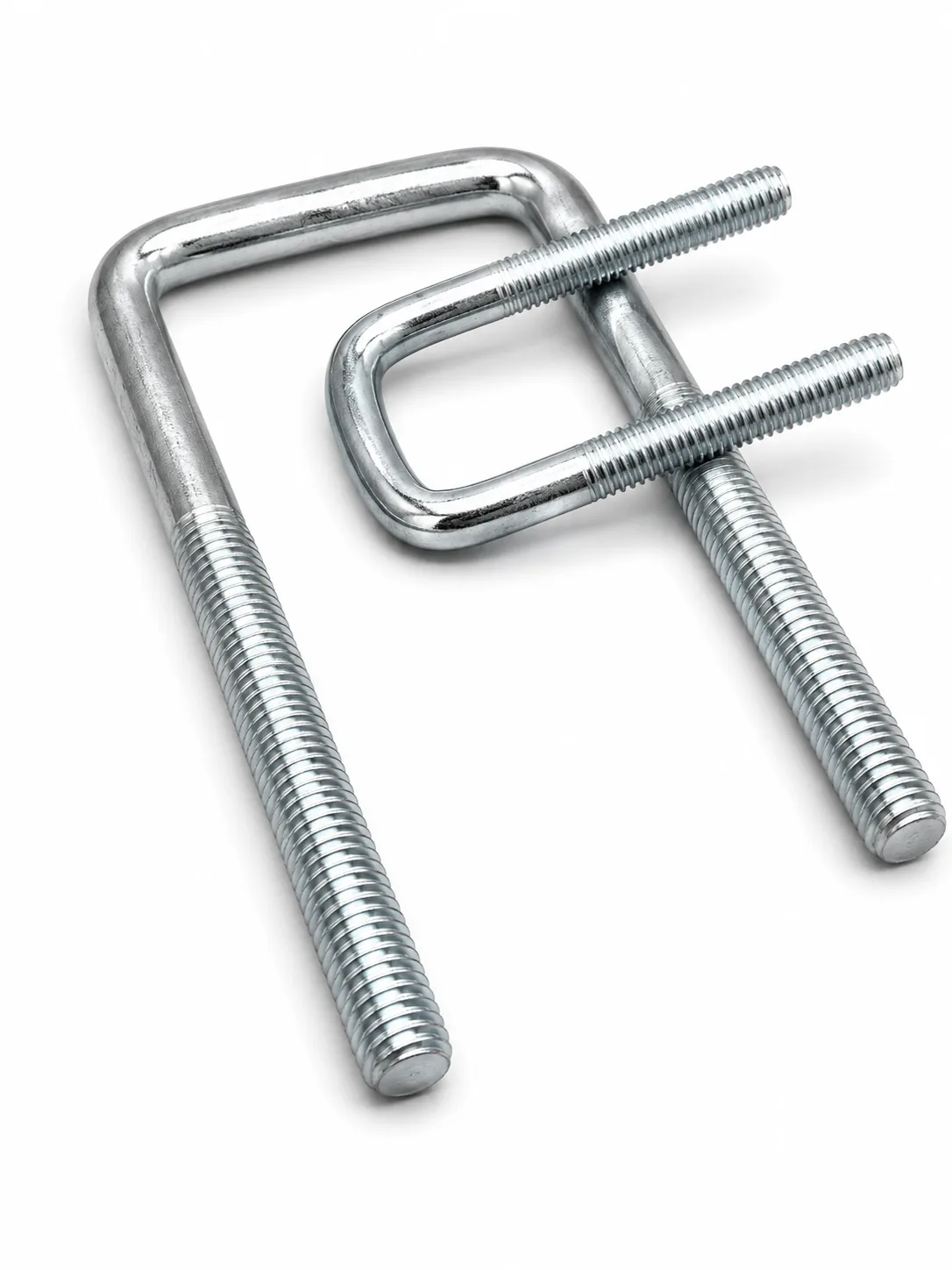
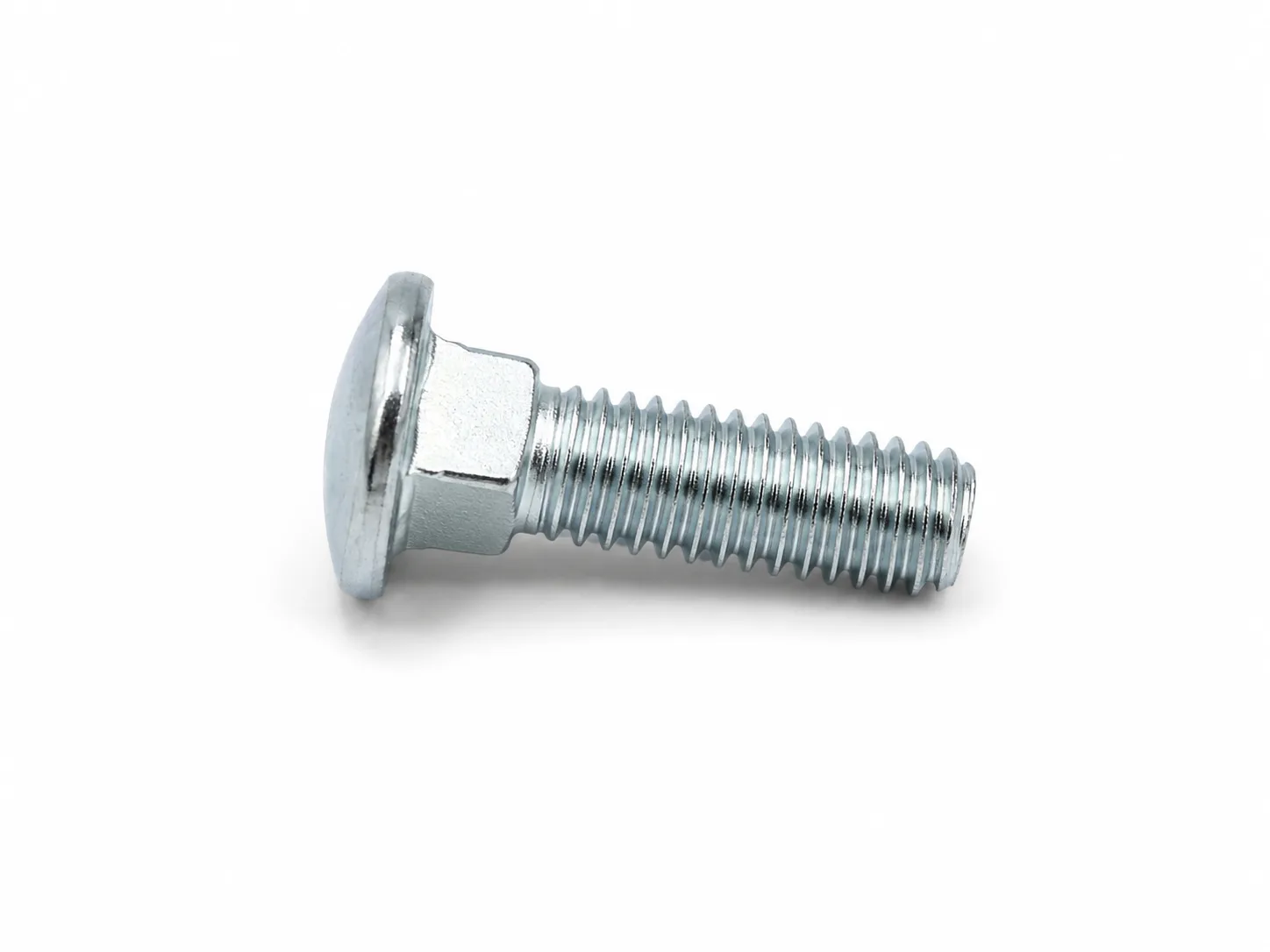
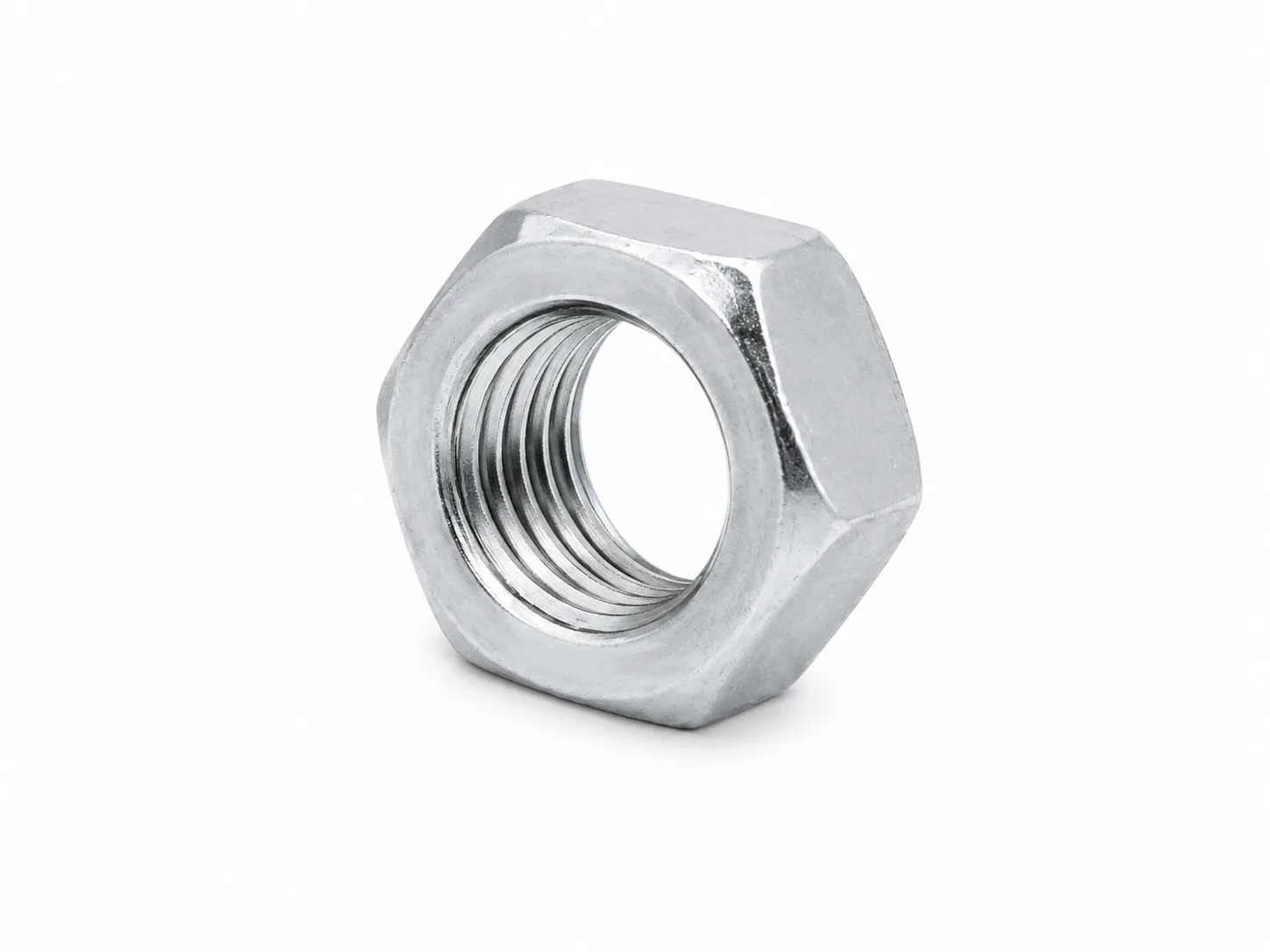
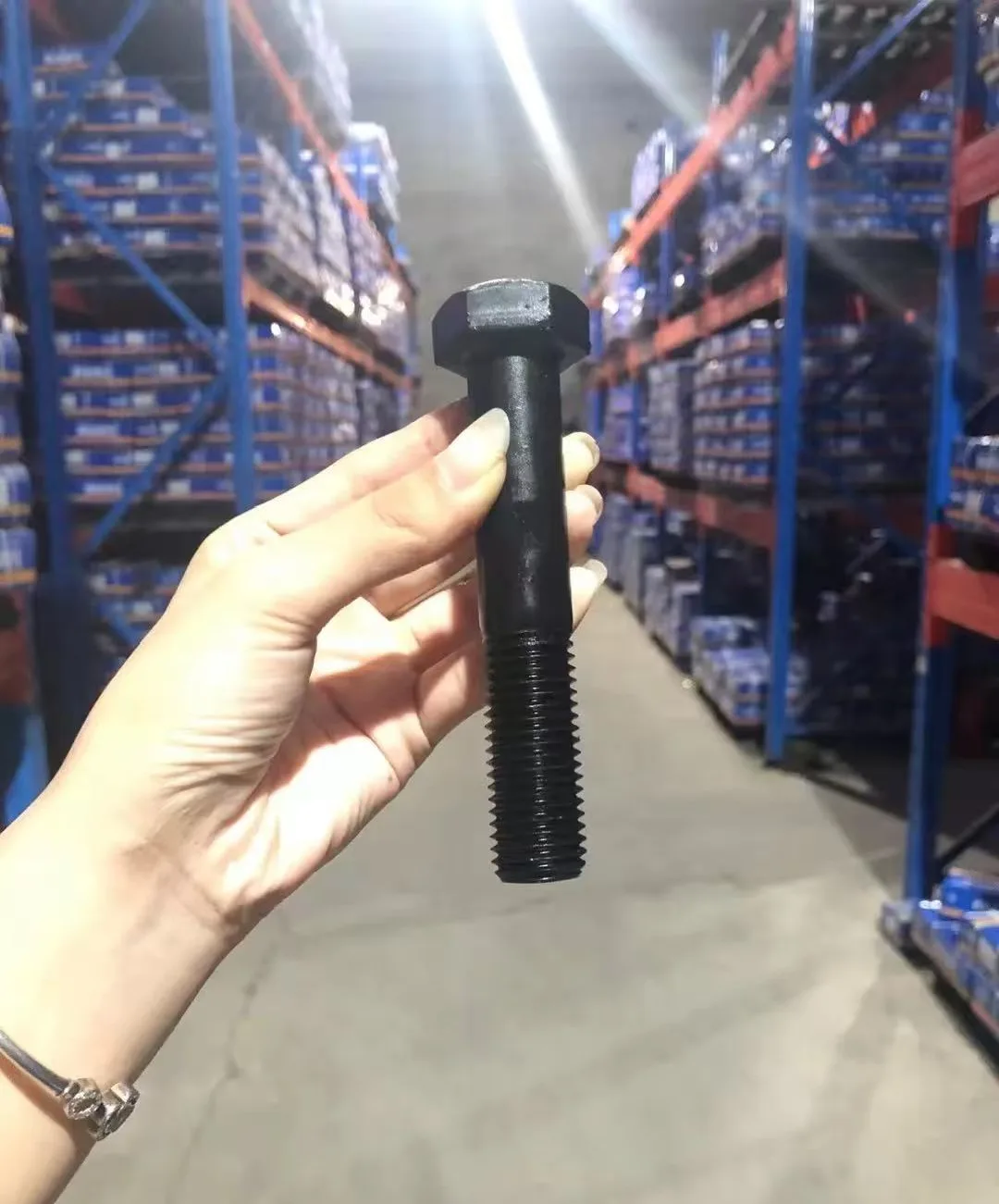
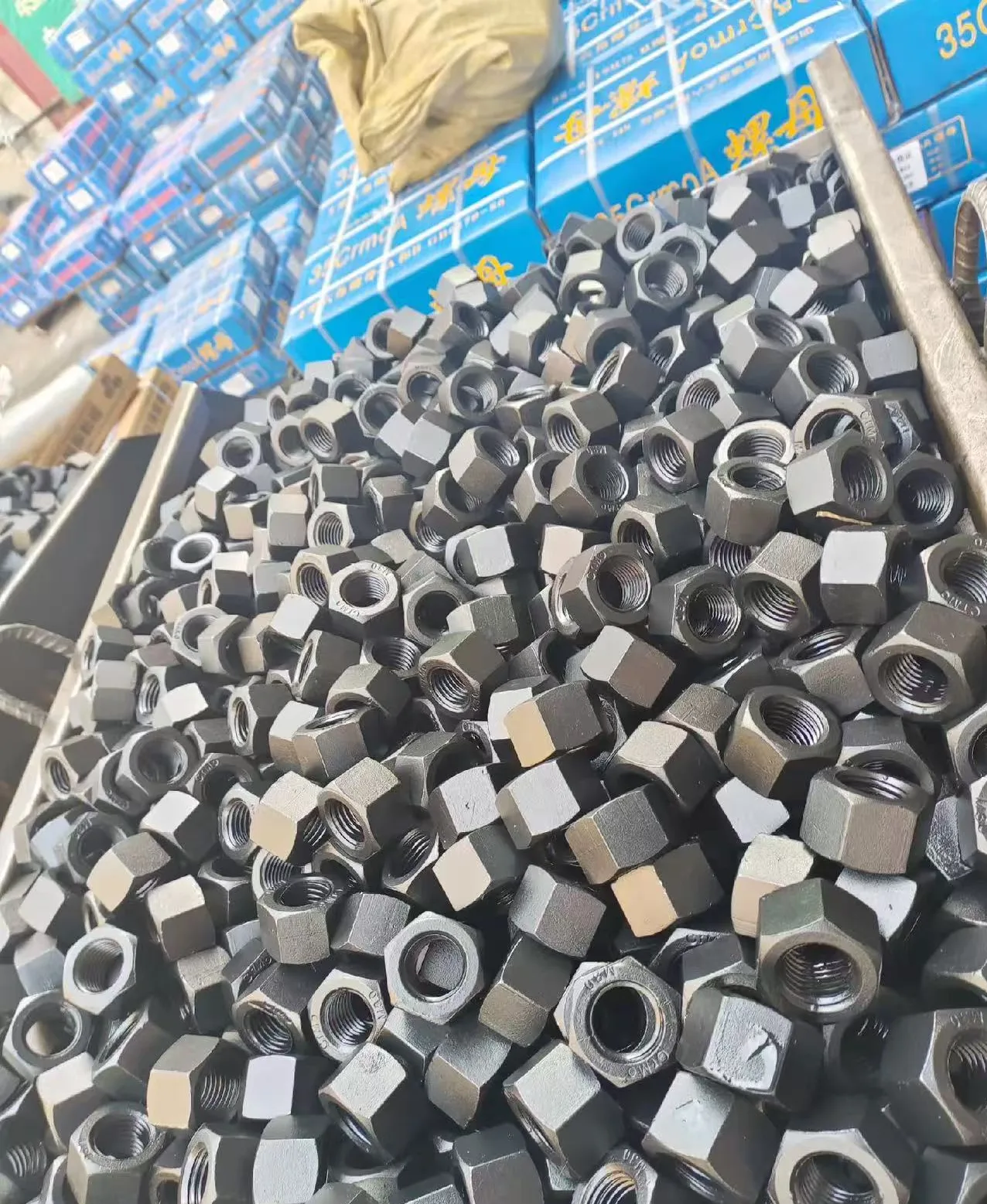
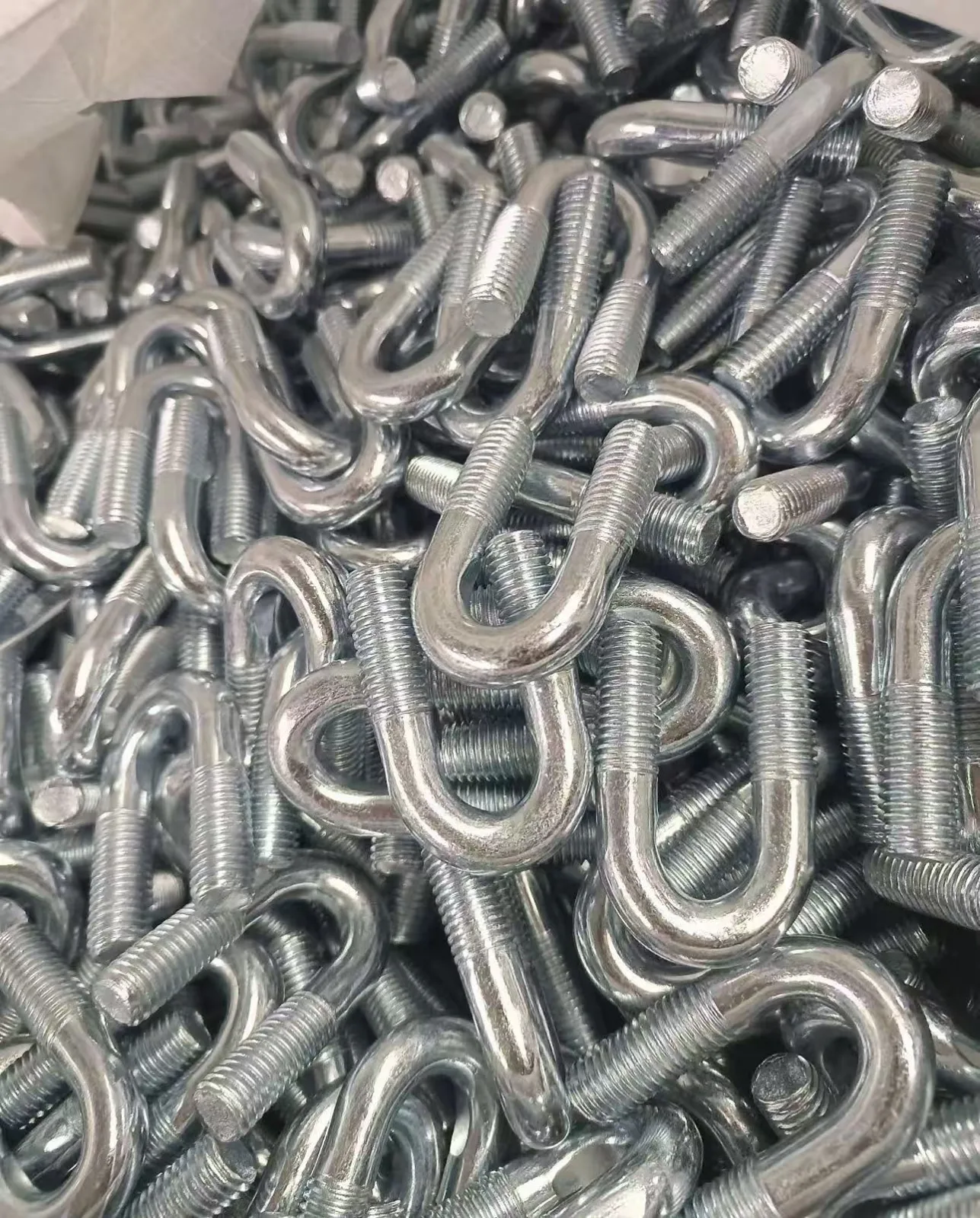
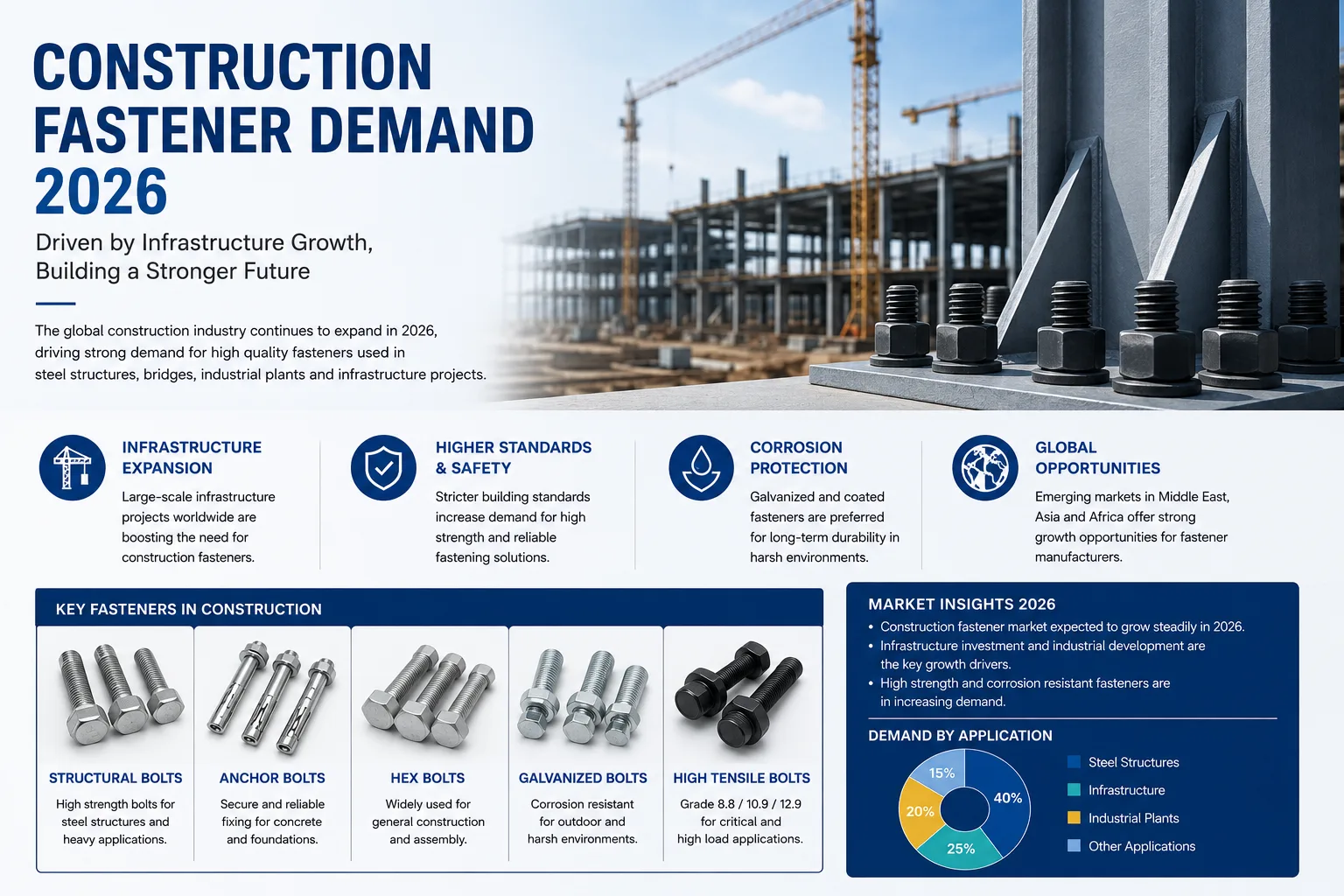
The main building and equipment foundations require high-strength bolts, anchor bolts, expansion anchors, and chemical anchors. Mechanical and electrical pipelines and cooling systems require threaded rods, U-bolts, pipe clamps, nuts, and washers. Server cabinets and precision equipment require small-sized machine screws, hexagon socket screws, and non-standard connectors.
Compared to ordinary commercial buildings, data centers place greater emphasis on continuous equipment operation and maintenance convenience. Fasteners not only need to provide reliable connections but also facilitate installation, disassembly, and later maintenance. Anti-loosening structures, uniform specifications, and clear markings can improve construction and maintenance efficiency.
Cooling systems are a critical component of data centers. As AI server computing power increases, equipment heat generation rises, and the scale of cooling pipes, pump groups, and support systems expands. This drives demand for stainless steel bolts, U-bolts, pipe supports, and corrosion-resistant connectors.
Power supply and distribution systems also require a large number of fasteners. Transformers, switchgear, busways, generators, and battery energy storage equipment need high-strength bolts, grounding connectors, and equipment fixing anchors. Some electrical connections also require products with stable conductivity and anti-loosening performance.
The International Energy Agency estimates that global data center electricity consumption will grow by an average of about 15% annually from 2024 to 2030, with AI-optimized data centers being a key driver. Data center electricity demand in Southeast Asia may also more than double by 2030.
It can be inferred that the data center industry will not only increase demand for servers and chips but also create market opportunities for construction fasteners, mechanical and electrical installation parts, pipe connectors, and precision equipment screws.
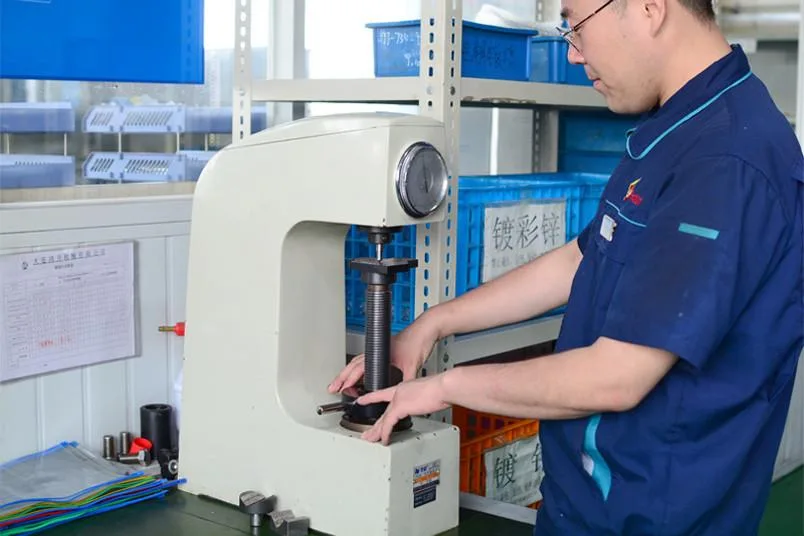
However, data center projects typically have high requirements for supplier audits, material certifications, and delivery schedules. Engineering contractors may require fasteners to meet specified standards and provide material, strength, corrosion resistance, and testing documentation.
For fastener companies, data centers are not a single product market but a comprehensive supply scenario. Suppliers capable of providing anchors, bolts, threaded rods, U-bolts, pipe clamps, and non-standard parts are more likely to offer complete solutions to customers.
In the future, as AI, cloud computing, and digital services continue to expand, data centers will become a noteworthy new application area for construction and industrial fasteners.