Sustained Growth in Southeast Asian Manufacturing Investment Accelerates Demand for Industrial Fasteners
The ASEAN region is attracting more investment in manufacturing, digital economy, new energy, and supply chain projects, leading to increasing demand for fasteners in factory construction, machinery, automotive parts, and infrastructure.
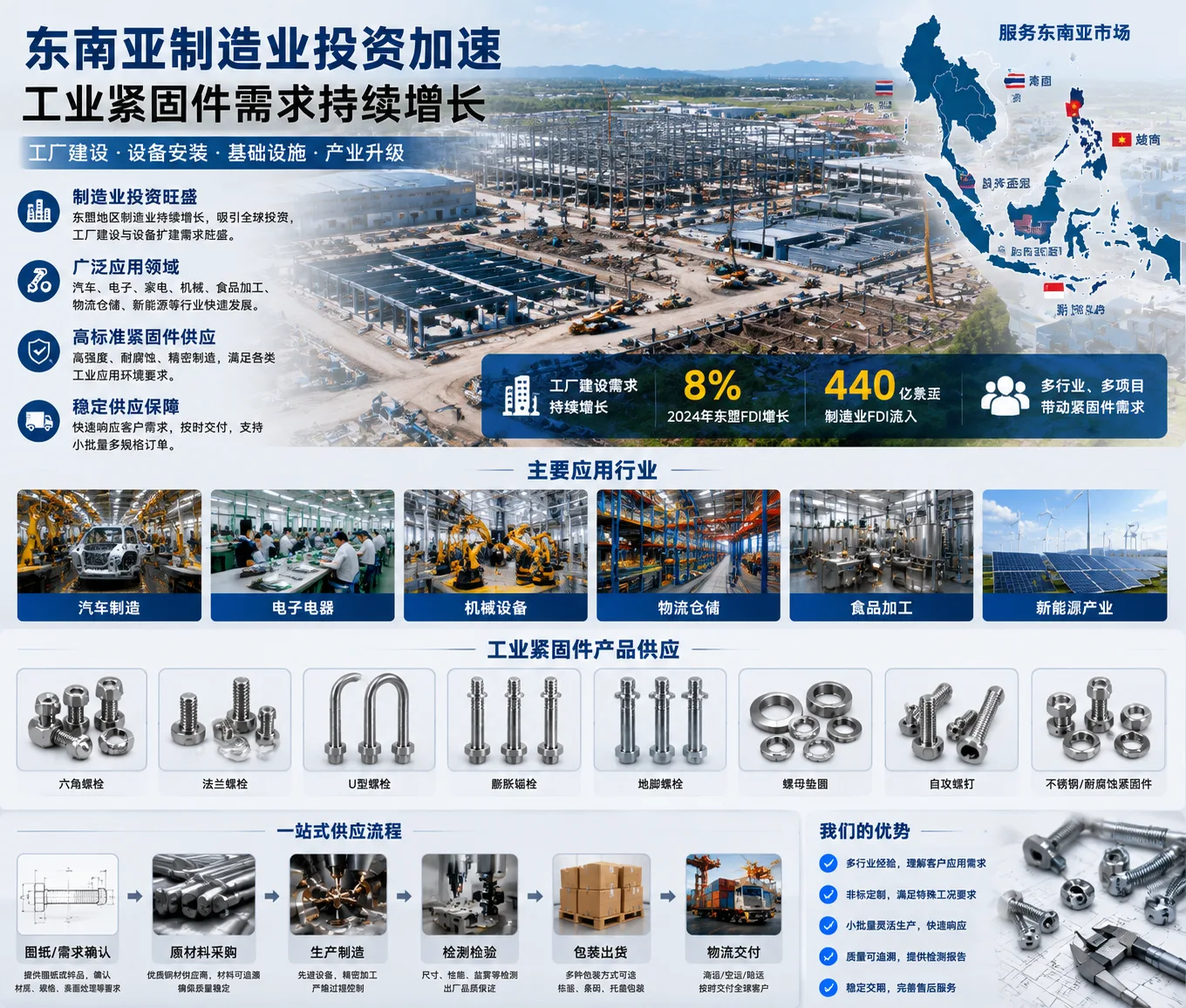
Southeast Asia is becoming a key region for global manufacturing and supply chain investment. According to the ASEAN Investment Report, foreign direct investment (FDI) inflows into ASEAN grew by approximately 8% in 2024, reaching $226 billion. FDI in manufacturing surged to around $44 billion, driven by supply chain-intensive industries and the digital economy.
Despite uncertainties in the global investment environment, ASEAN remains highly attractive in manufacturing, electronics, electric vehicles (EVs), data centers, and new energy. The number of newly announced greenfield investment projects in ASEAN continued to grow in 2024, with manufacturing and services as primary targets.
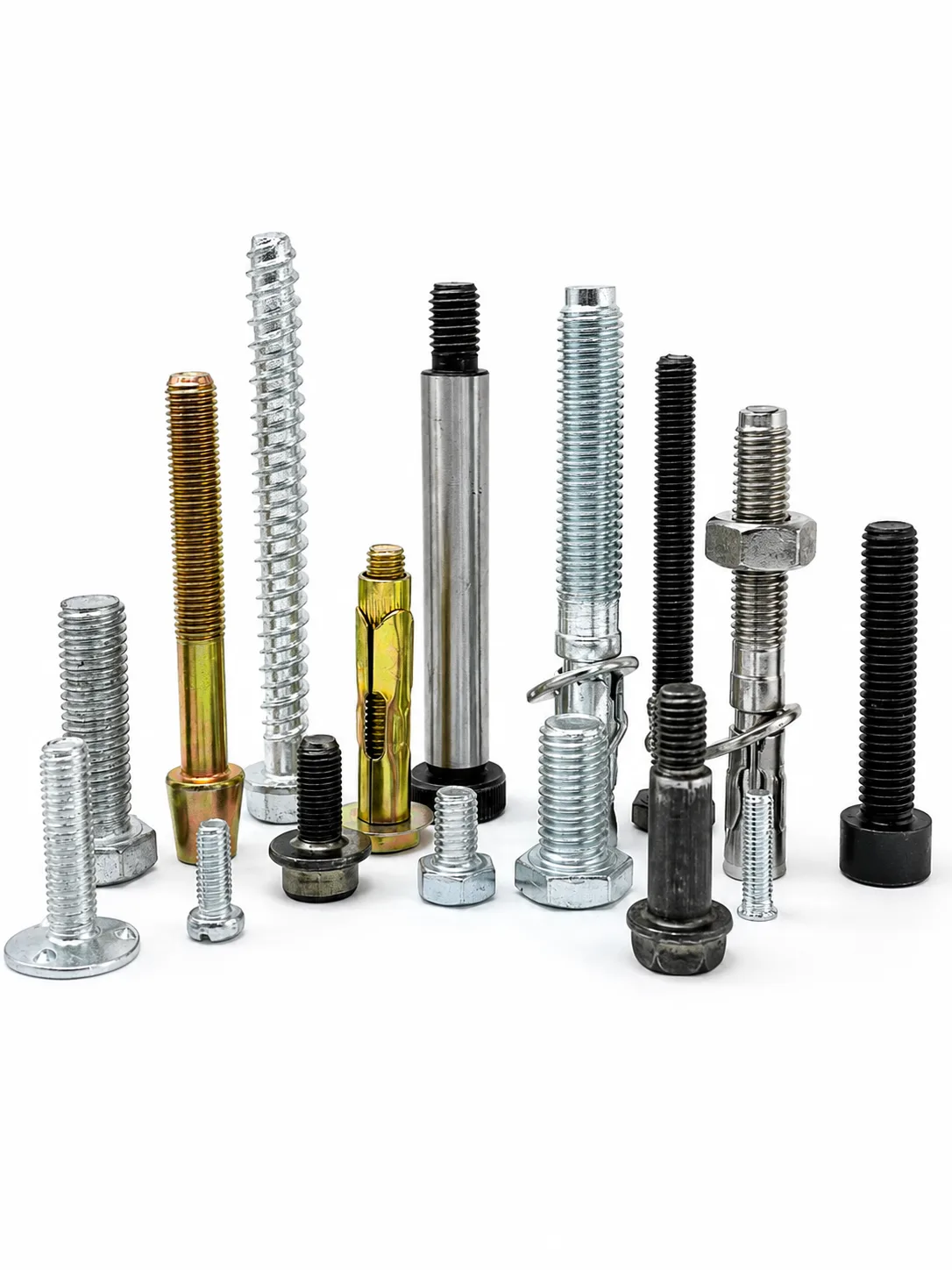
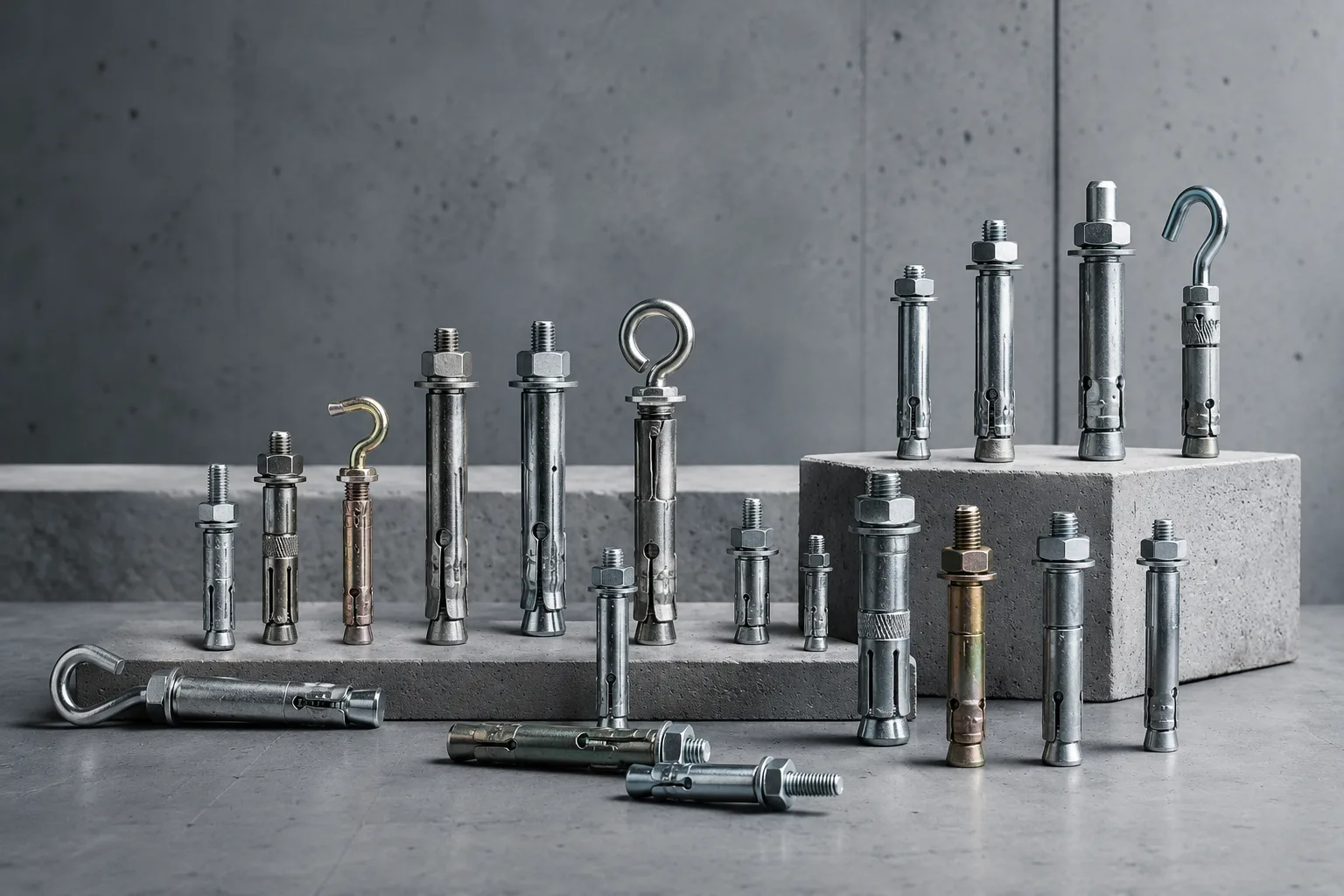
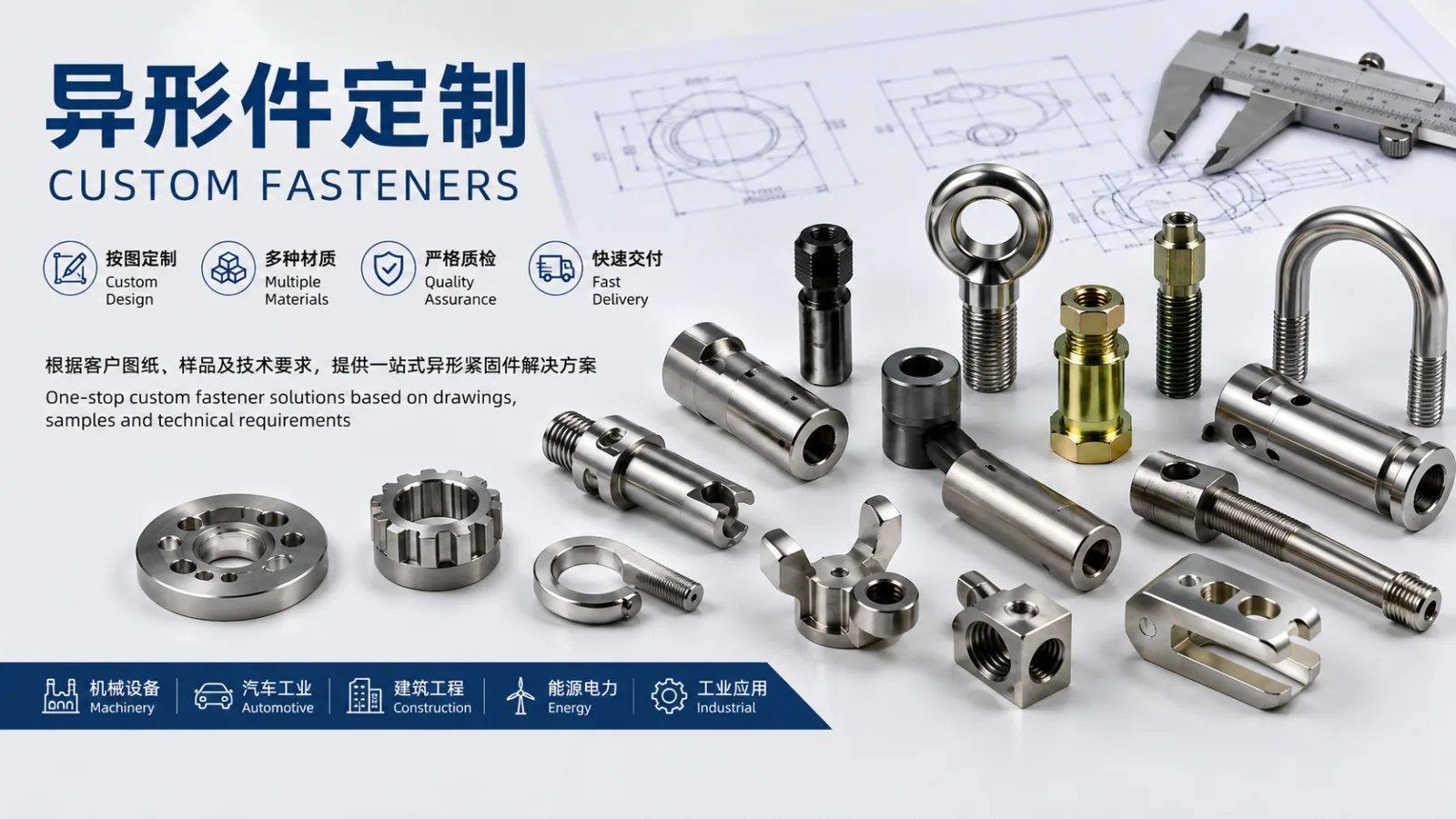
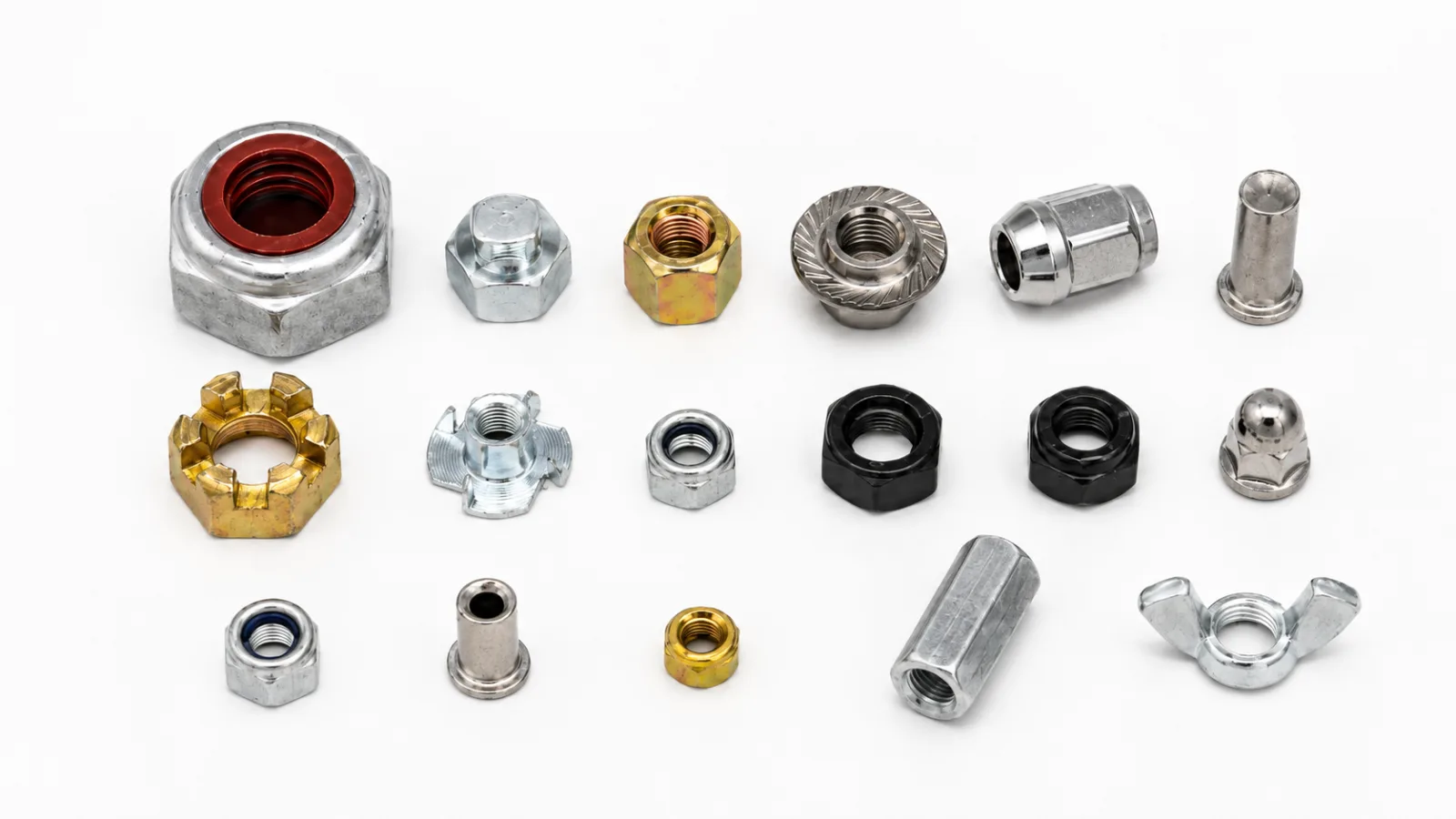
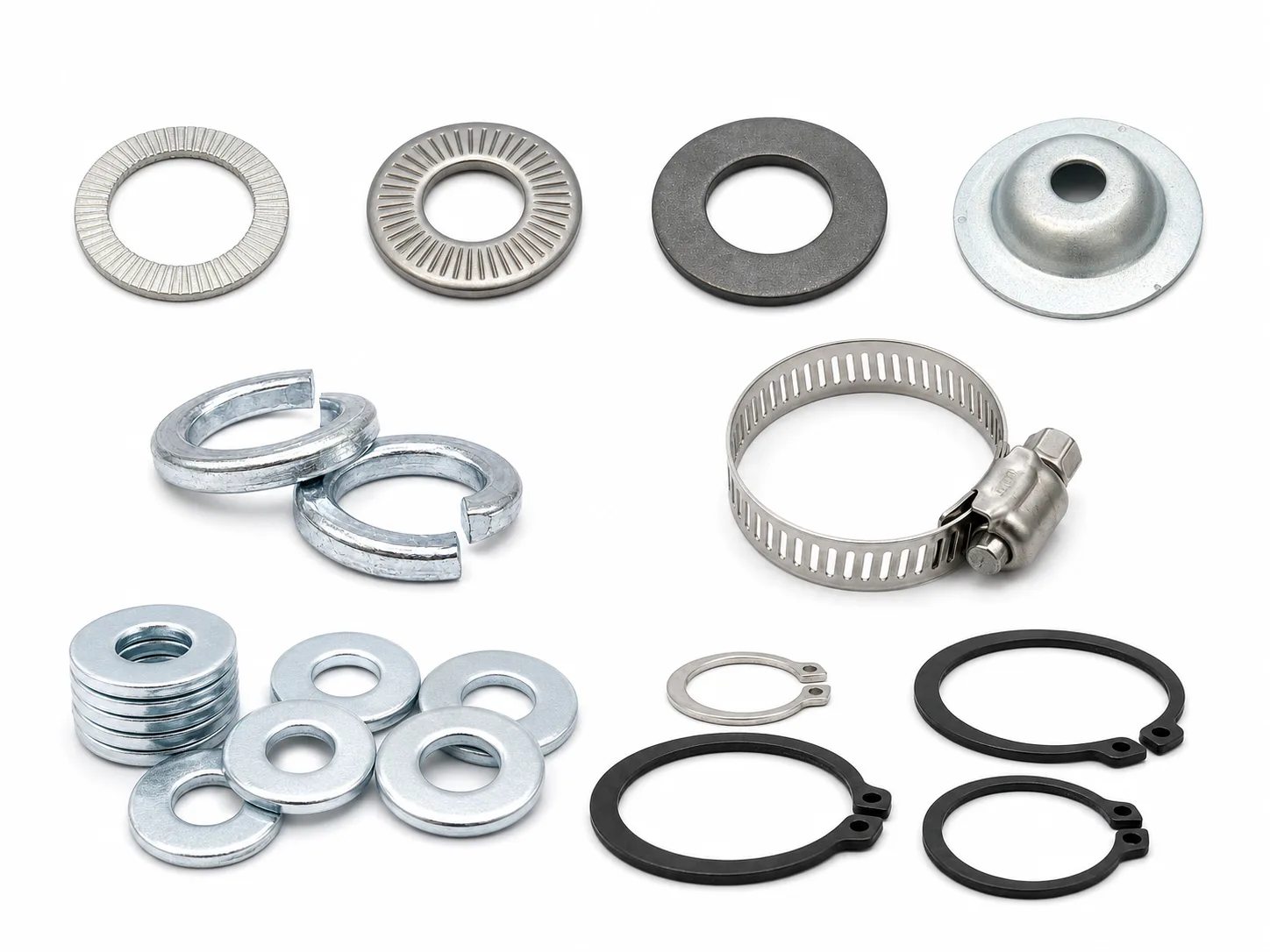
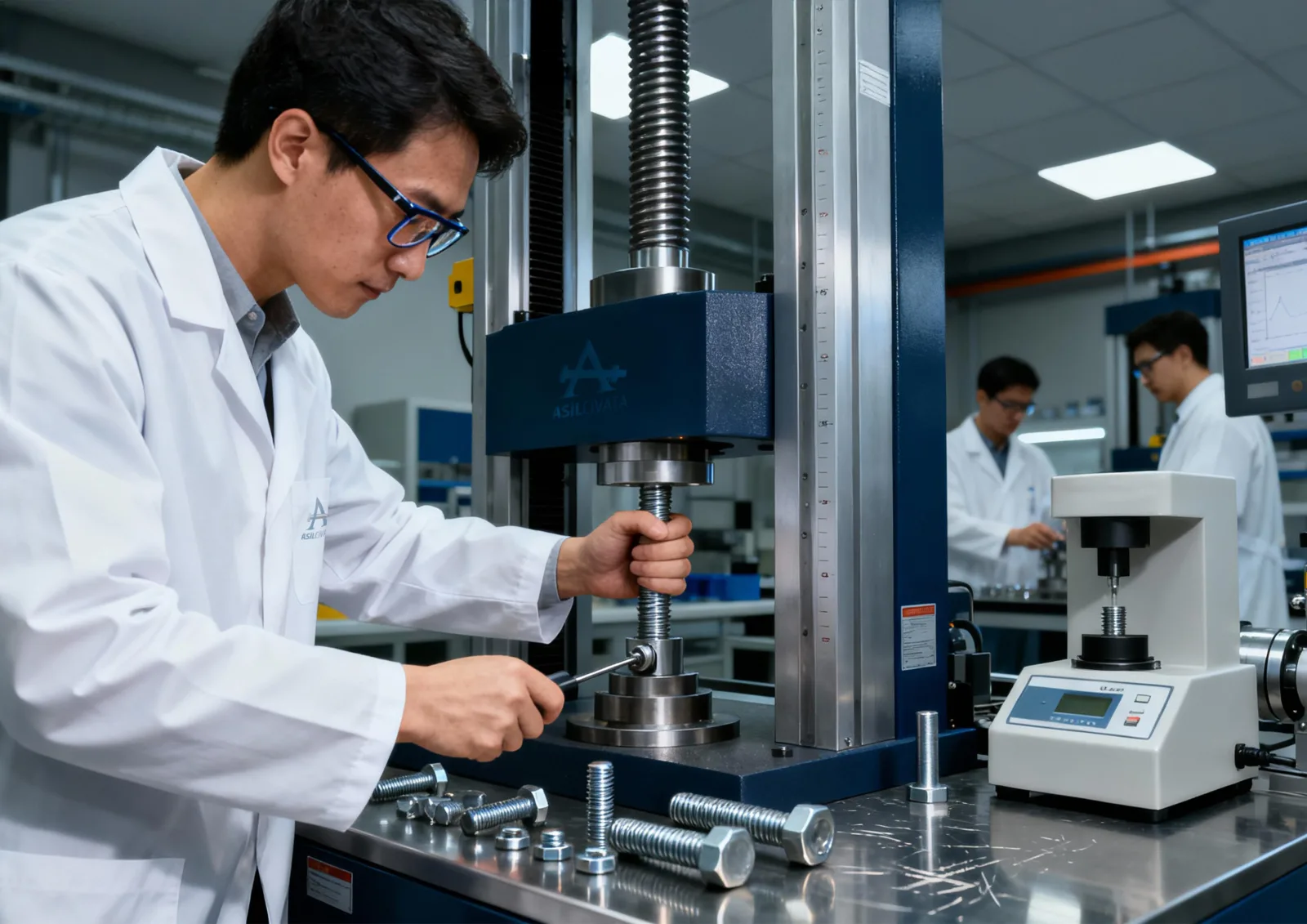
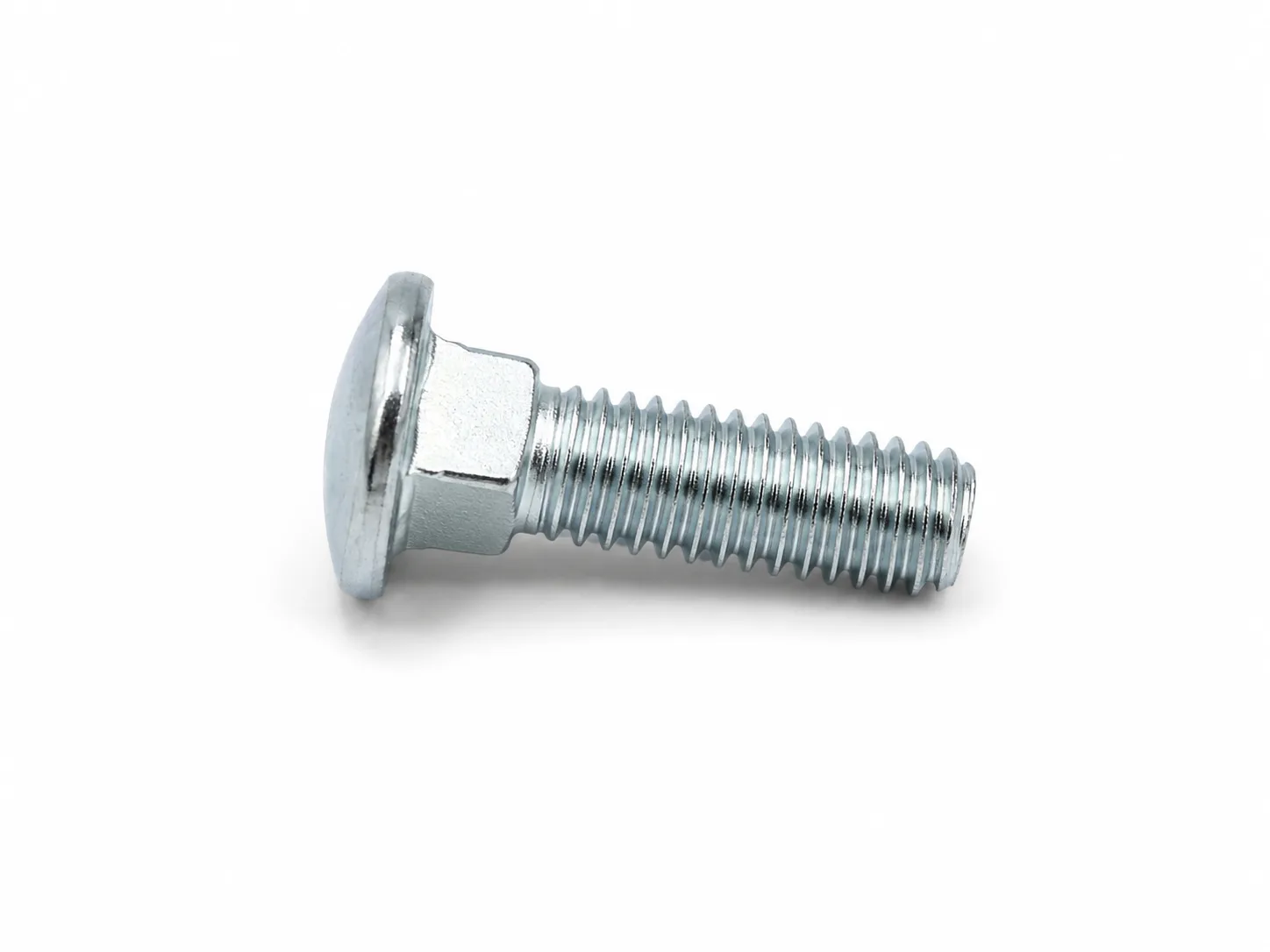
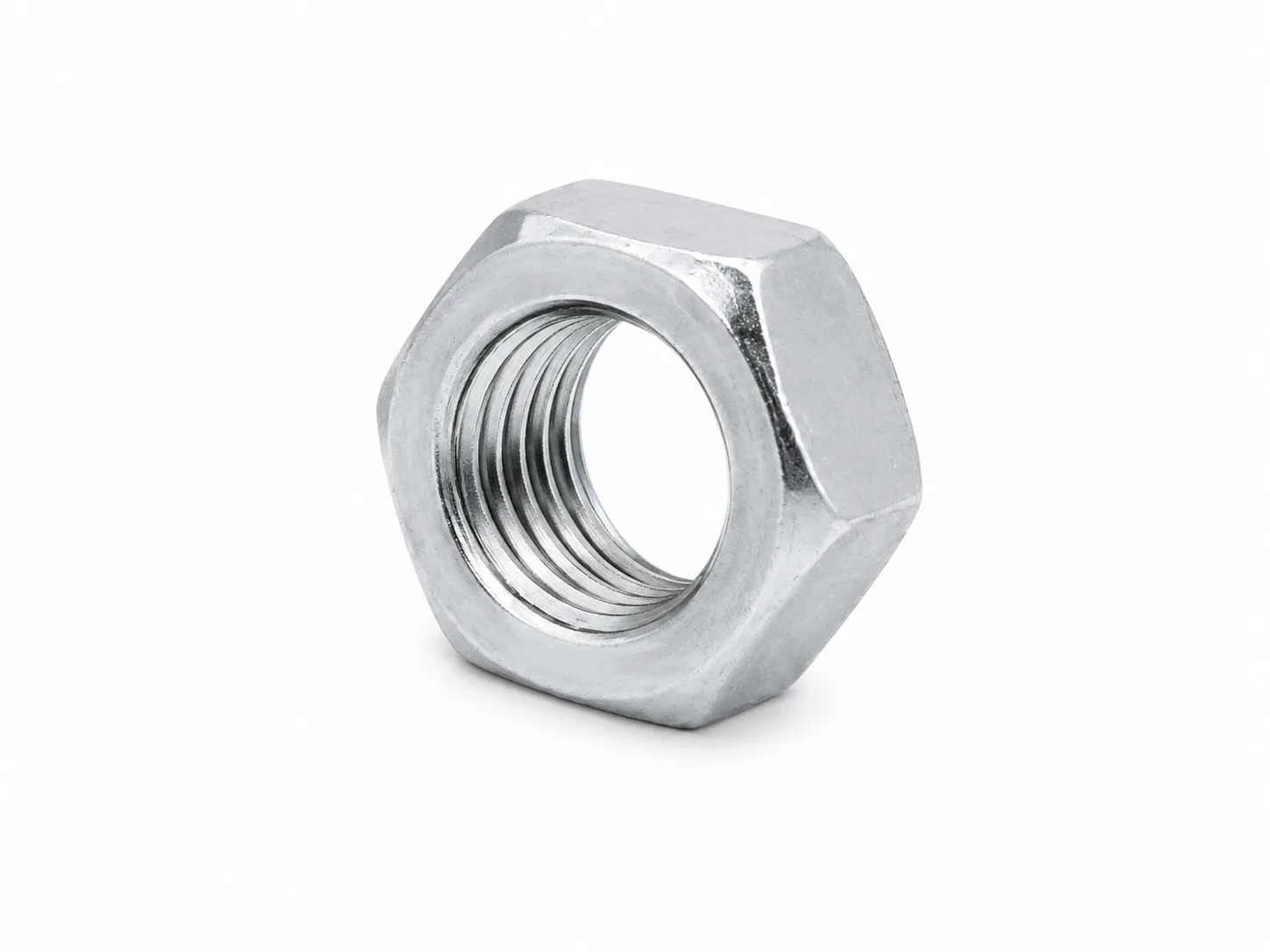
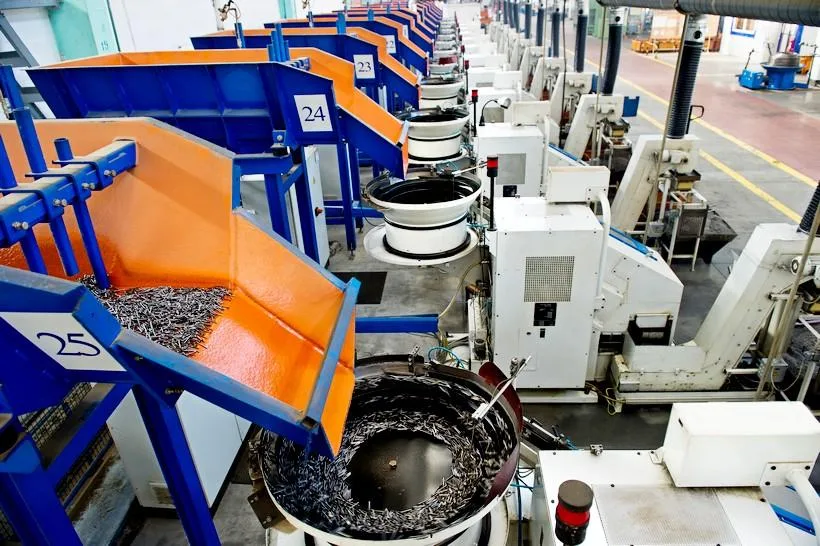
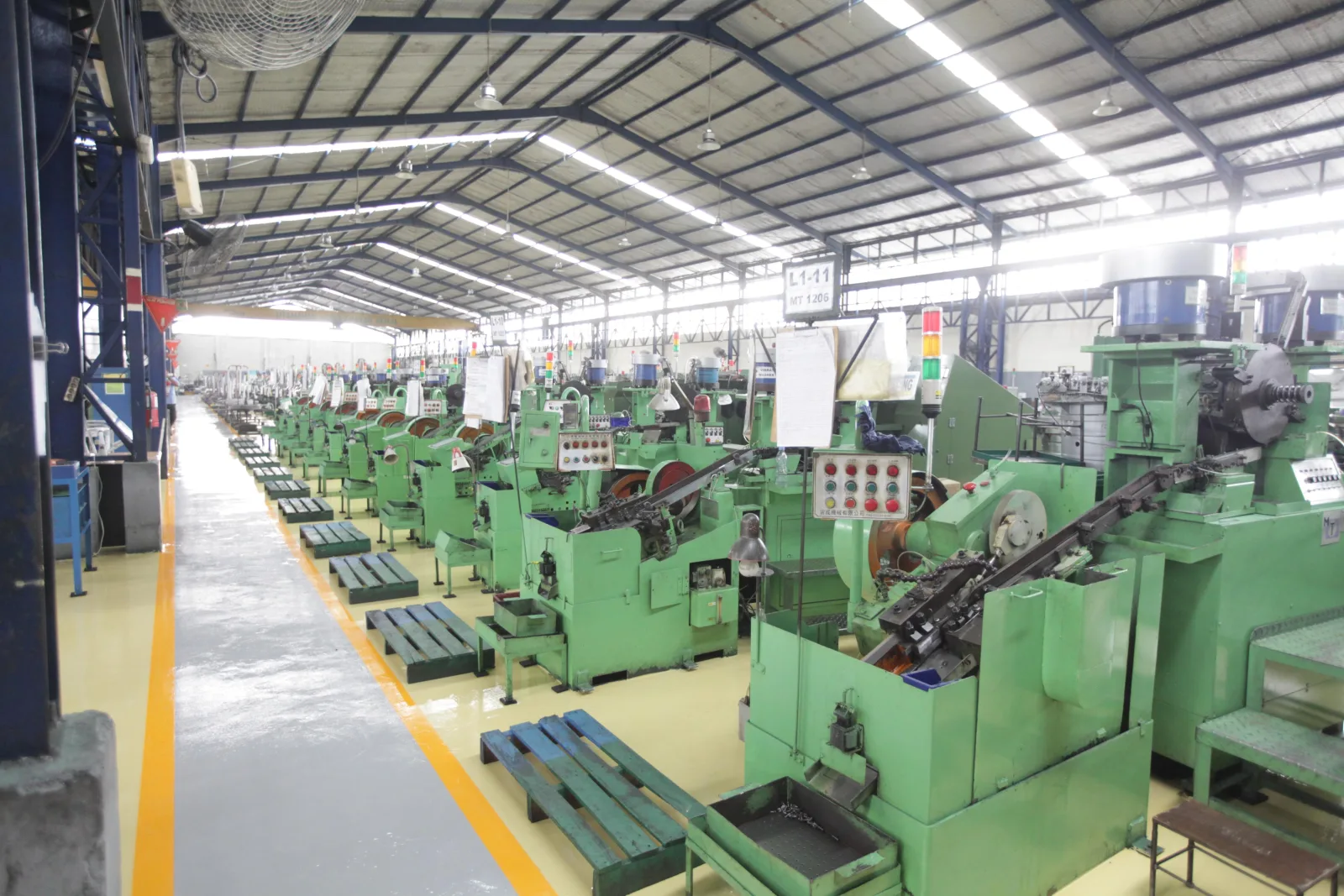
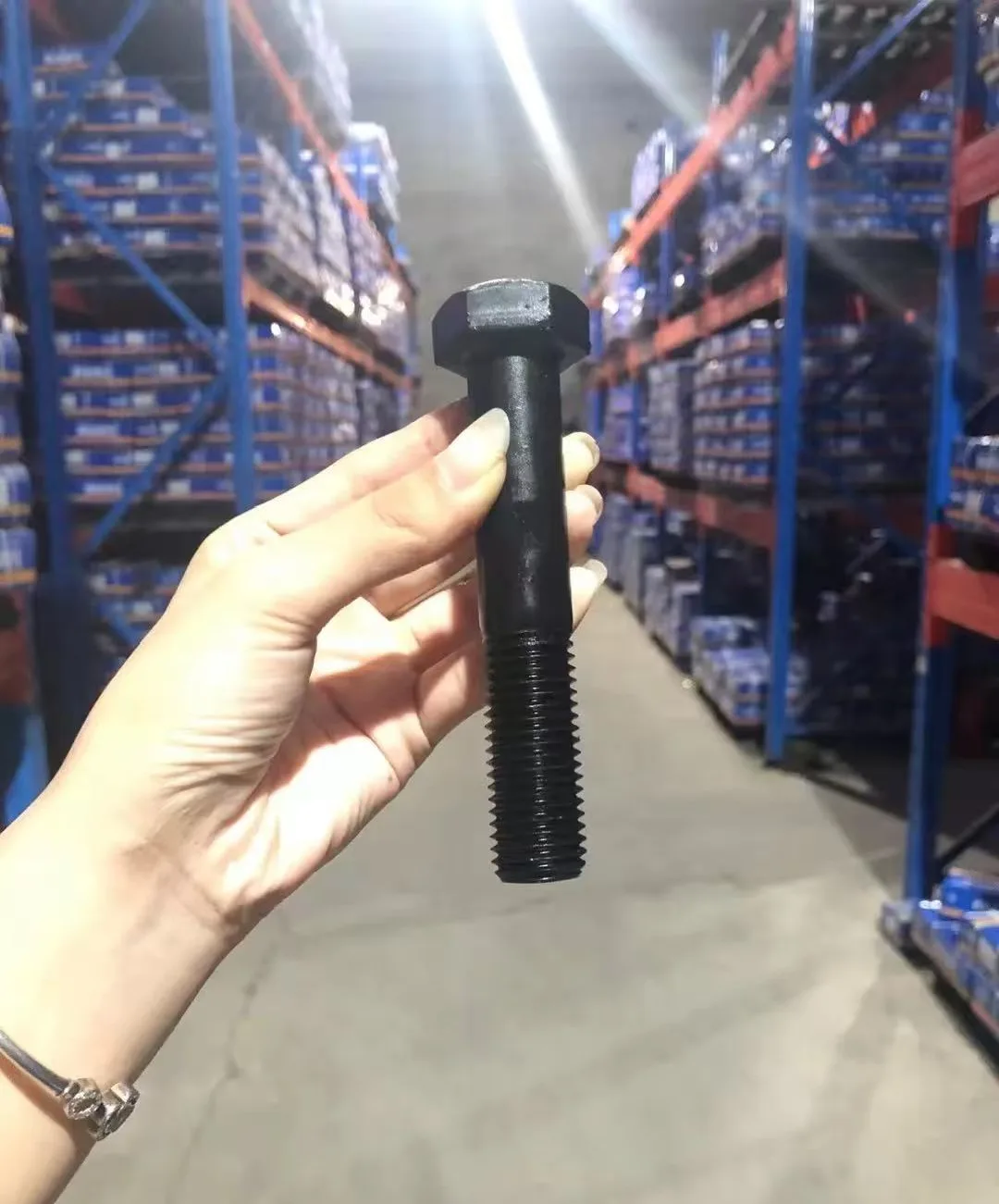
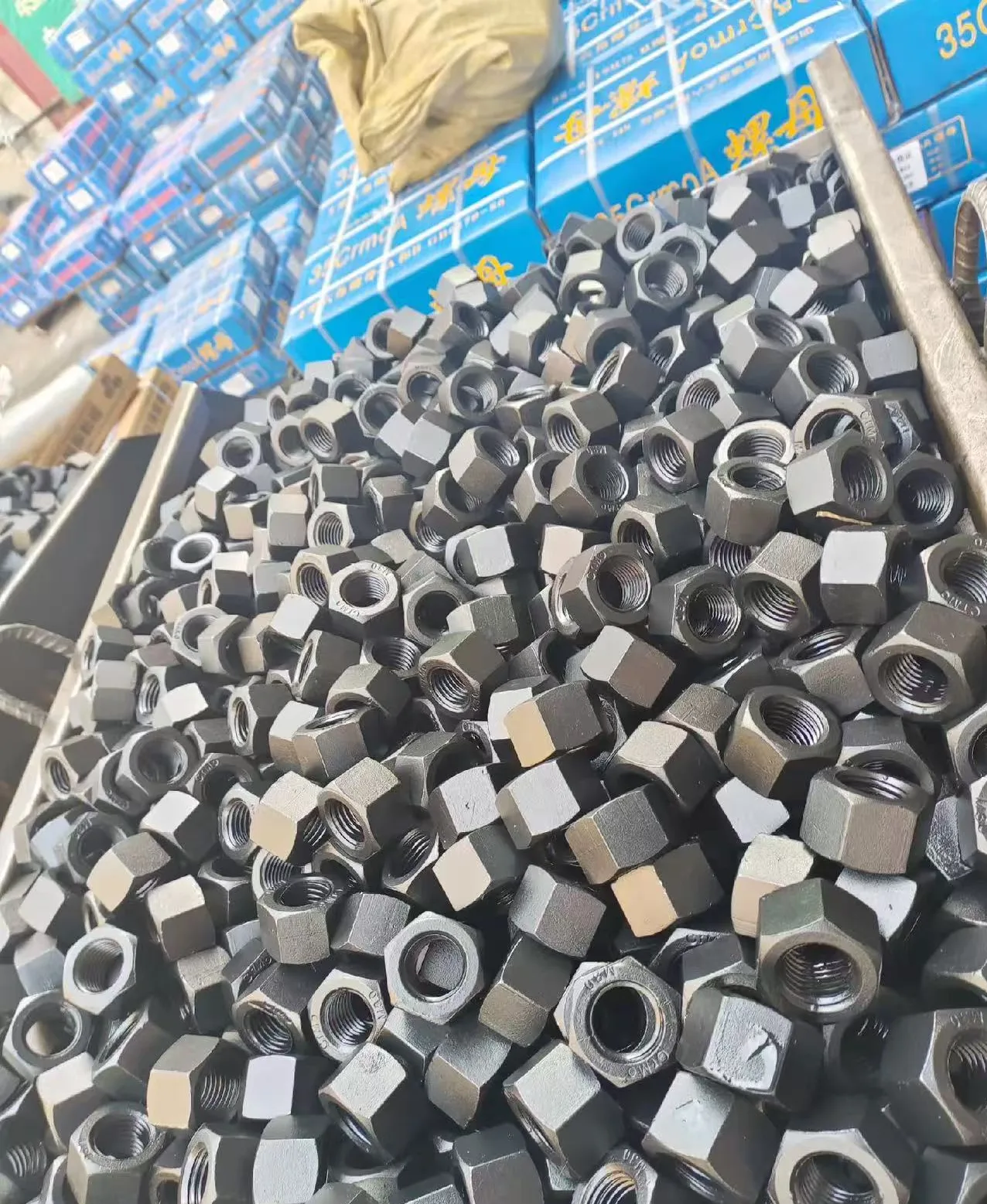
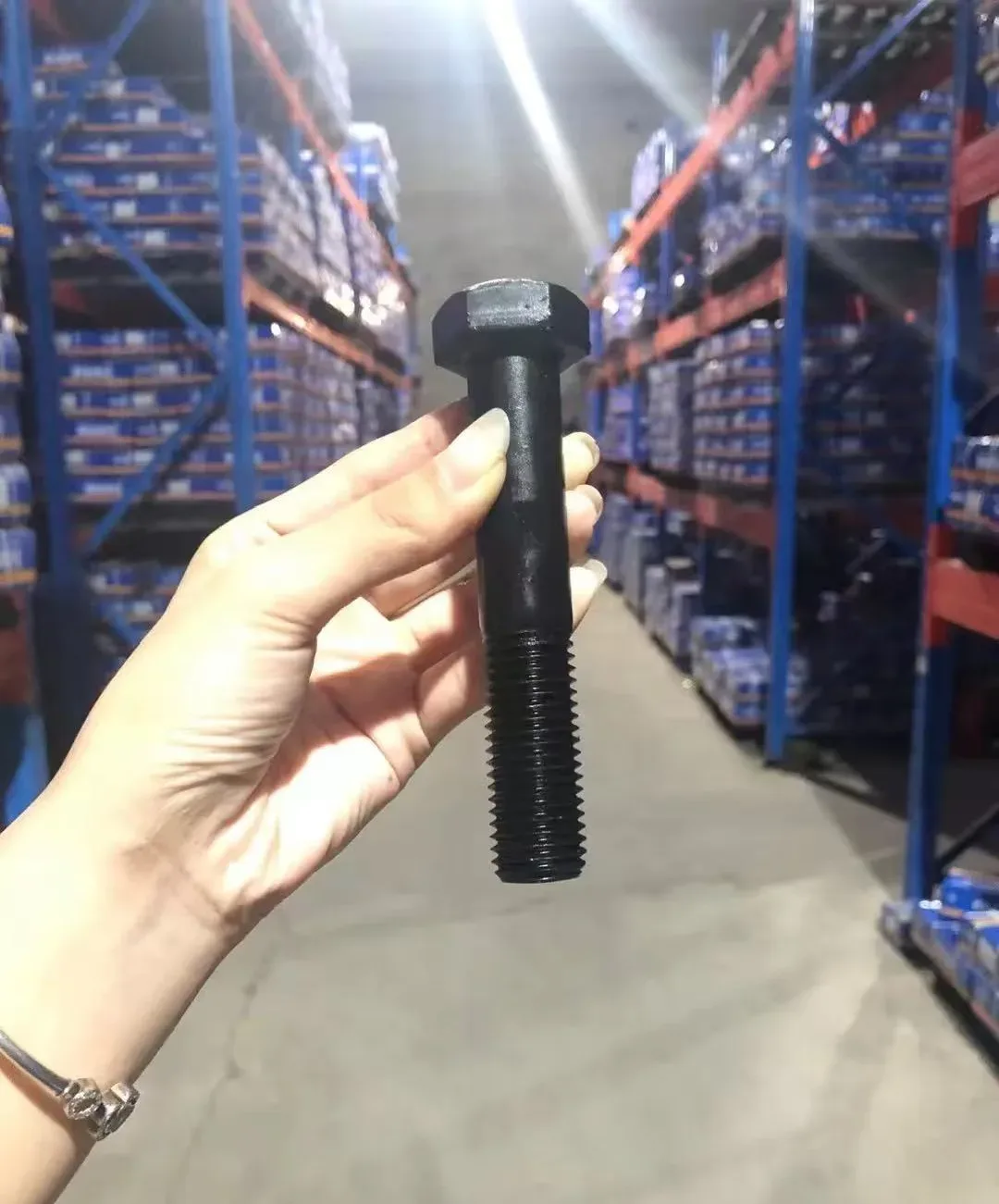
Manufacturing investment directly drives demand for fasteners. New factories require structural steel bolts, anchor bolts, expansion anchors, chemical anchors, and pipe support connectors; production equipment uses hex socket bolts, hex bolts, nuts, washers, pins, and non-standard machined parts.
The automotive and motorcycle industries are major application markets for fasteners in Southeast Asia. Thailand, Indonesia, Malaysia, and Vietnam have automotive and parts industries of varying scales. As EV projects increase, demand for fasteners related to battery packs, motors, body structures, and charging facilities will also grow.
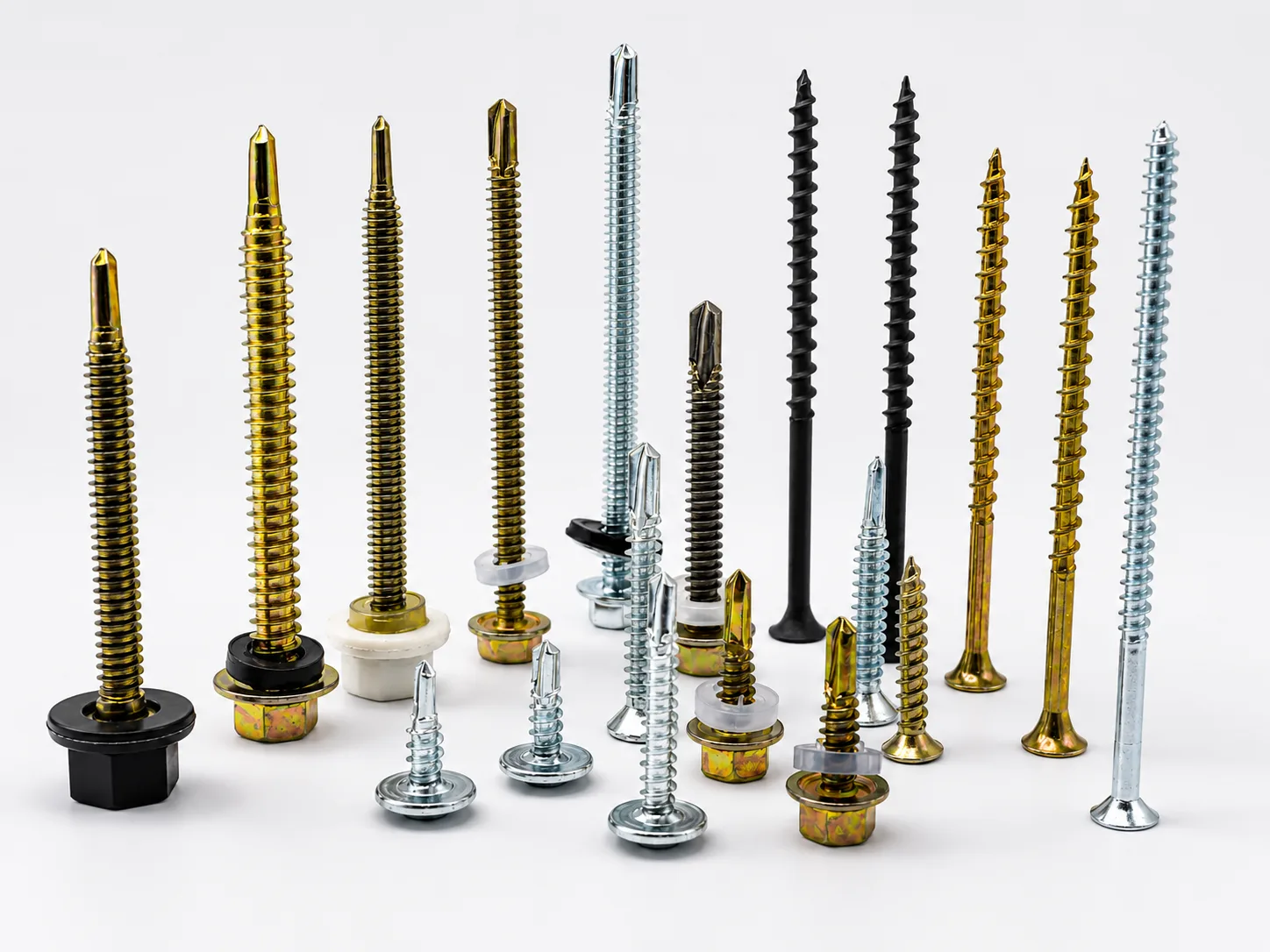
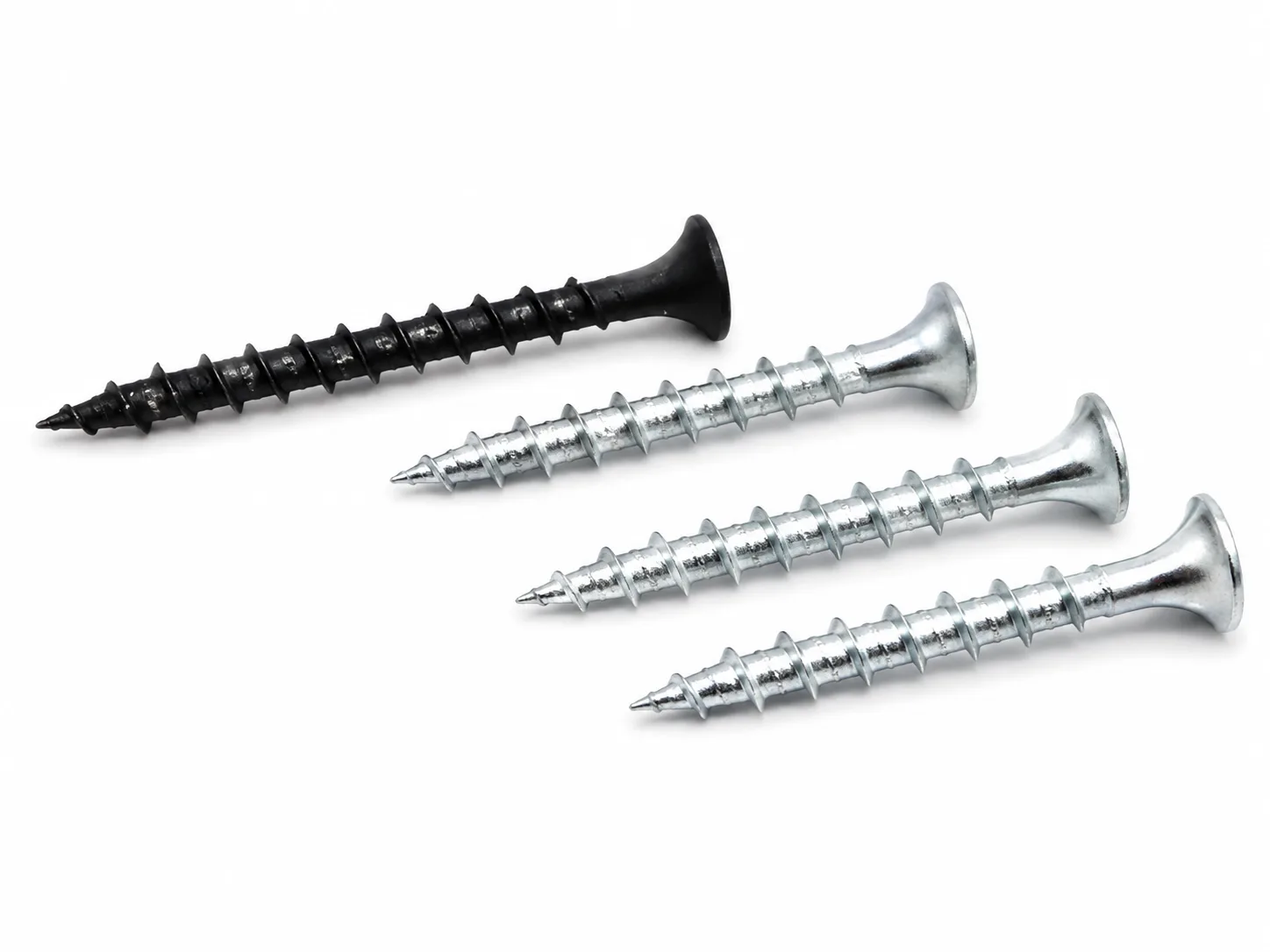
Electronics and home appliance manufacturing require more small-sized screws, machine screws, self-tapping screws, clinch fasteners, and precision fasteners. Such customers typically focus on dimensional accuracy, surface appearance, salt spray performance, and packaging methods, and may require suppliers to design packaging for automated assembly equipment.
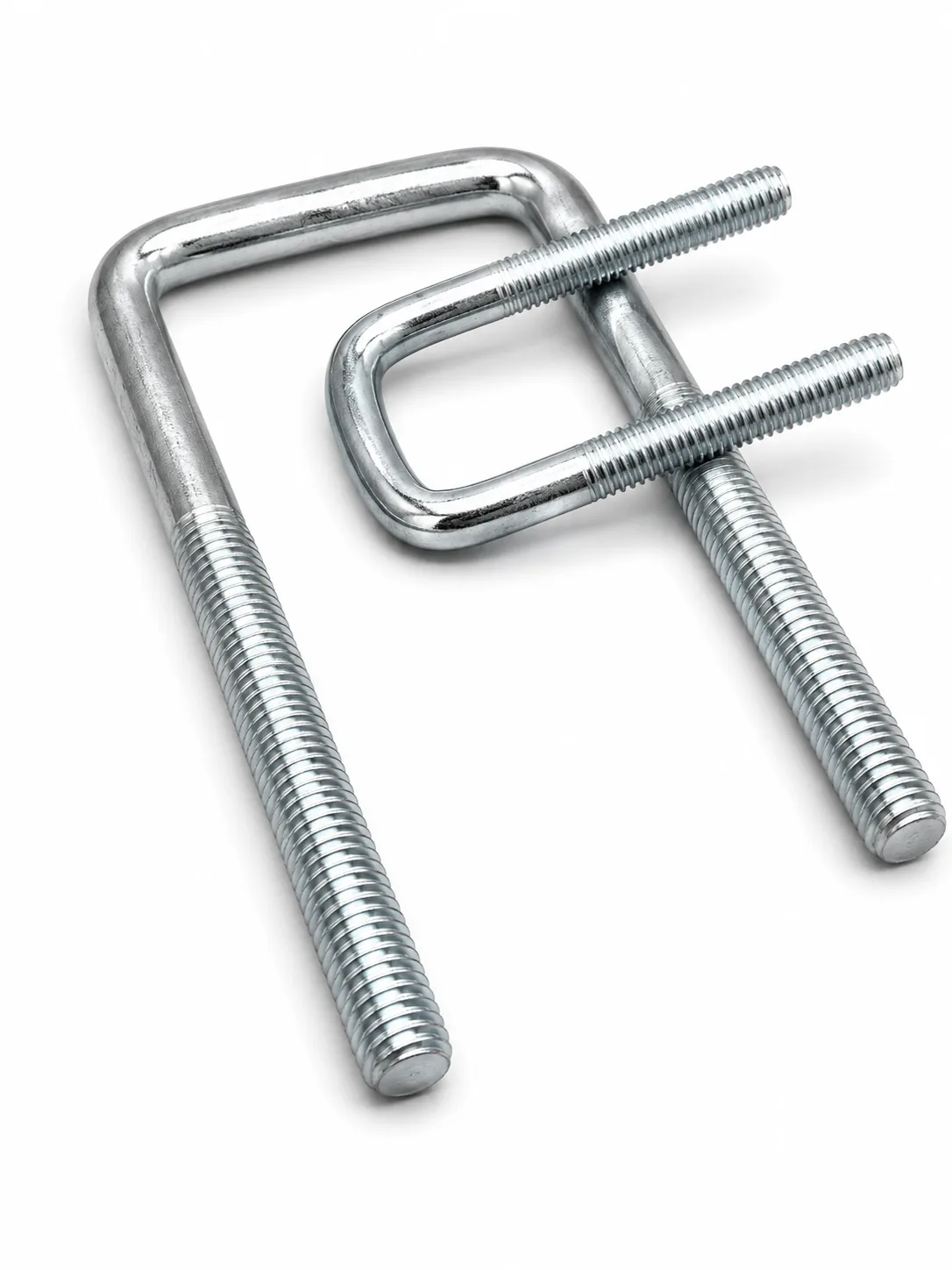
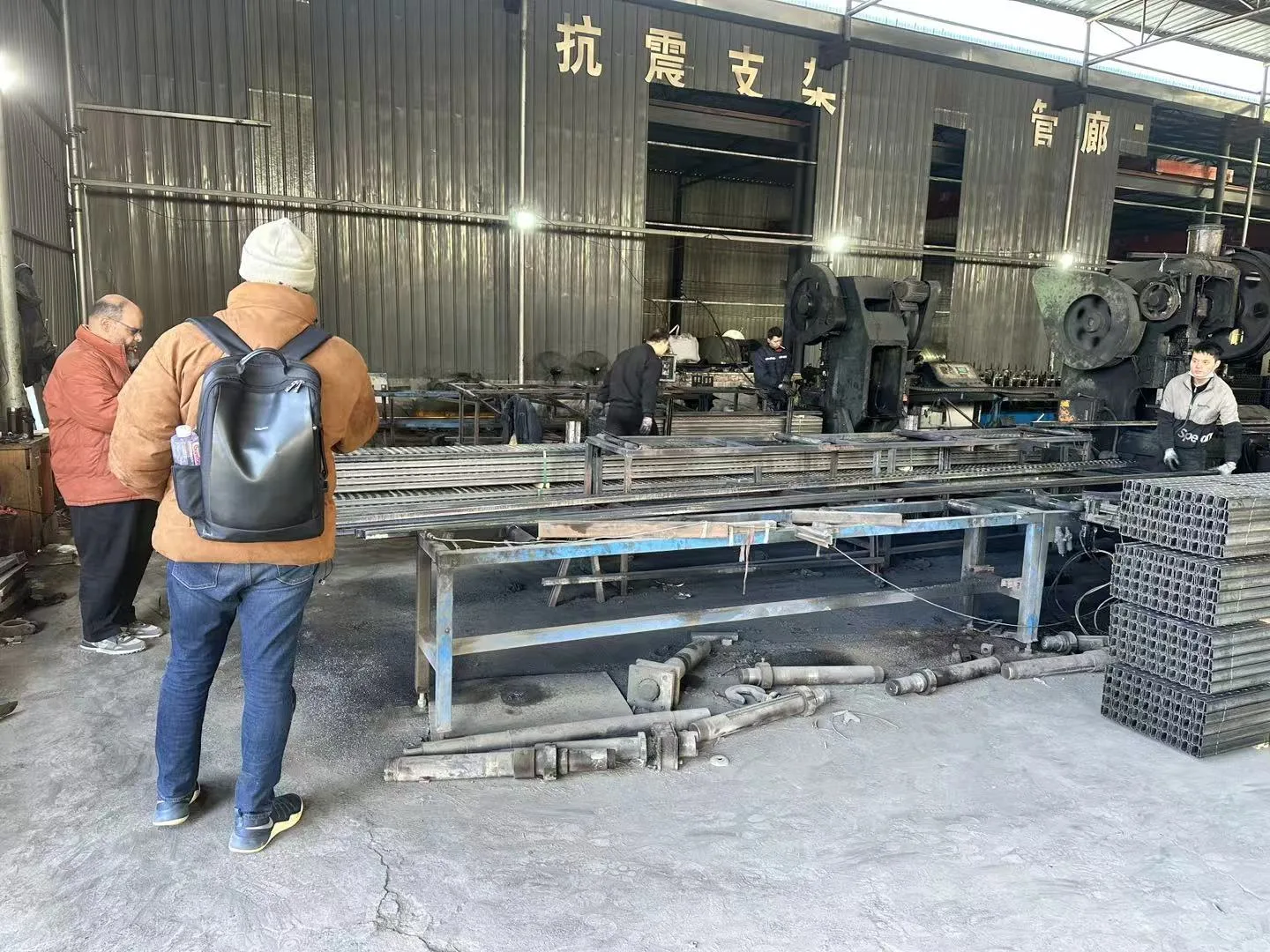
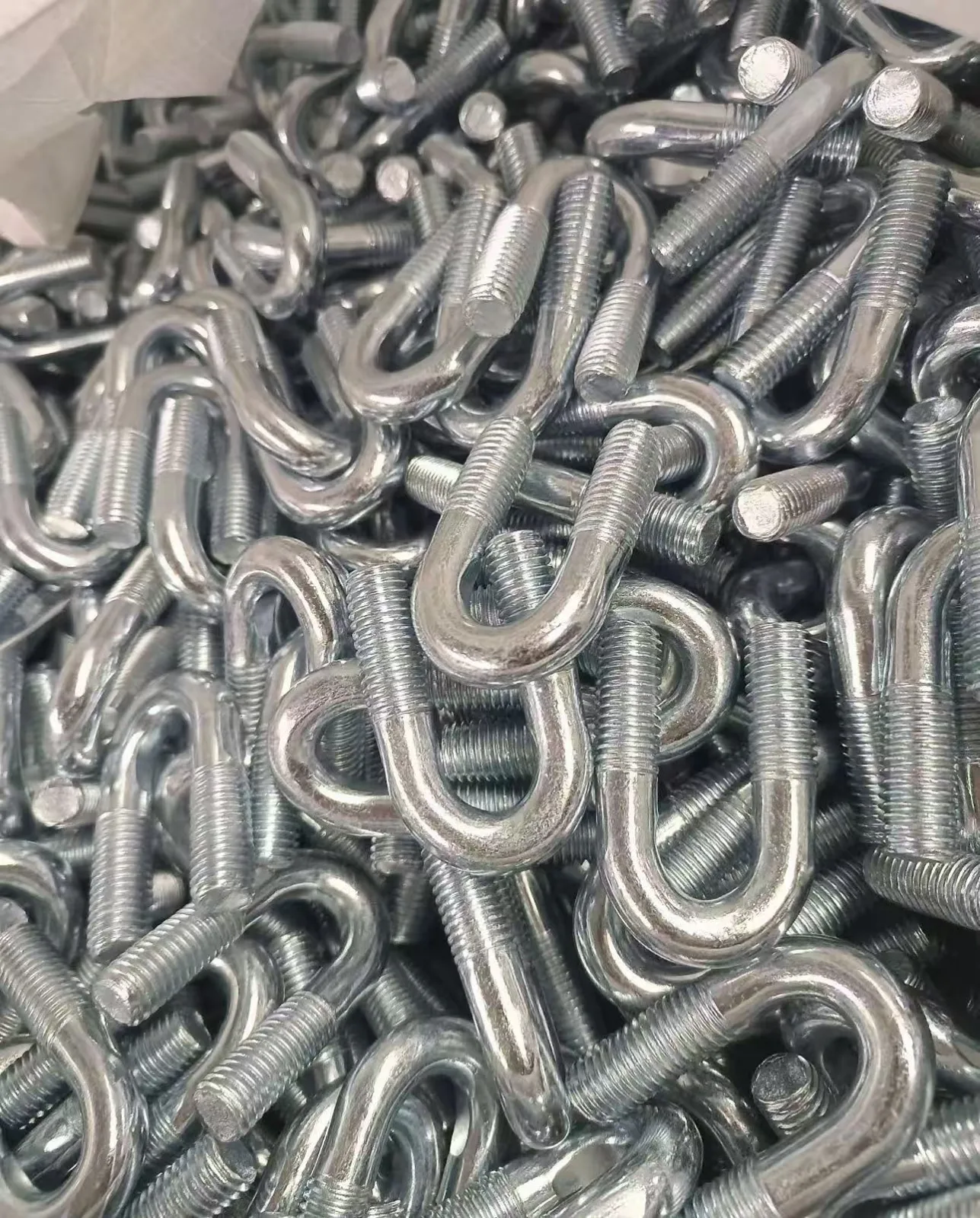
Infrastructure construction also drives demand for anchoring products. Factories, warehouses, roads, bridges, commercial buildings, and power facilities use expansion bolts, chemical anchors, threaded rods, U-bolts, and steel structure connectors.
The Southeast Asian market is not entirely uniform. Standards, import procedures, languages, taxes, and sales channels vary by country. Suppliers need to understand whether local customers are wholesalers, engineering firms, equipment manufacturers, or import agents, and provide quotes based on their business models.
Some customers are accustomed to inquiring by kilogram, bag, or carton rather than providing complete standards. Suppliers should proactively confirm diameter, length, pitch, material, strength, and surface treatment to avoid production based solely on local terminology.
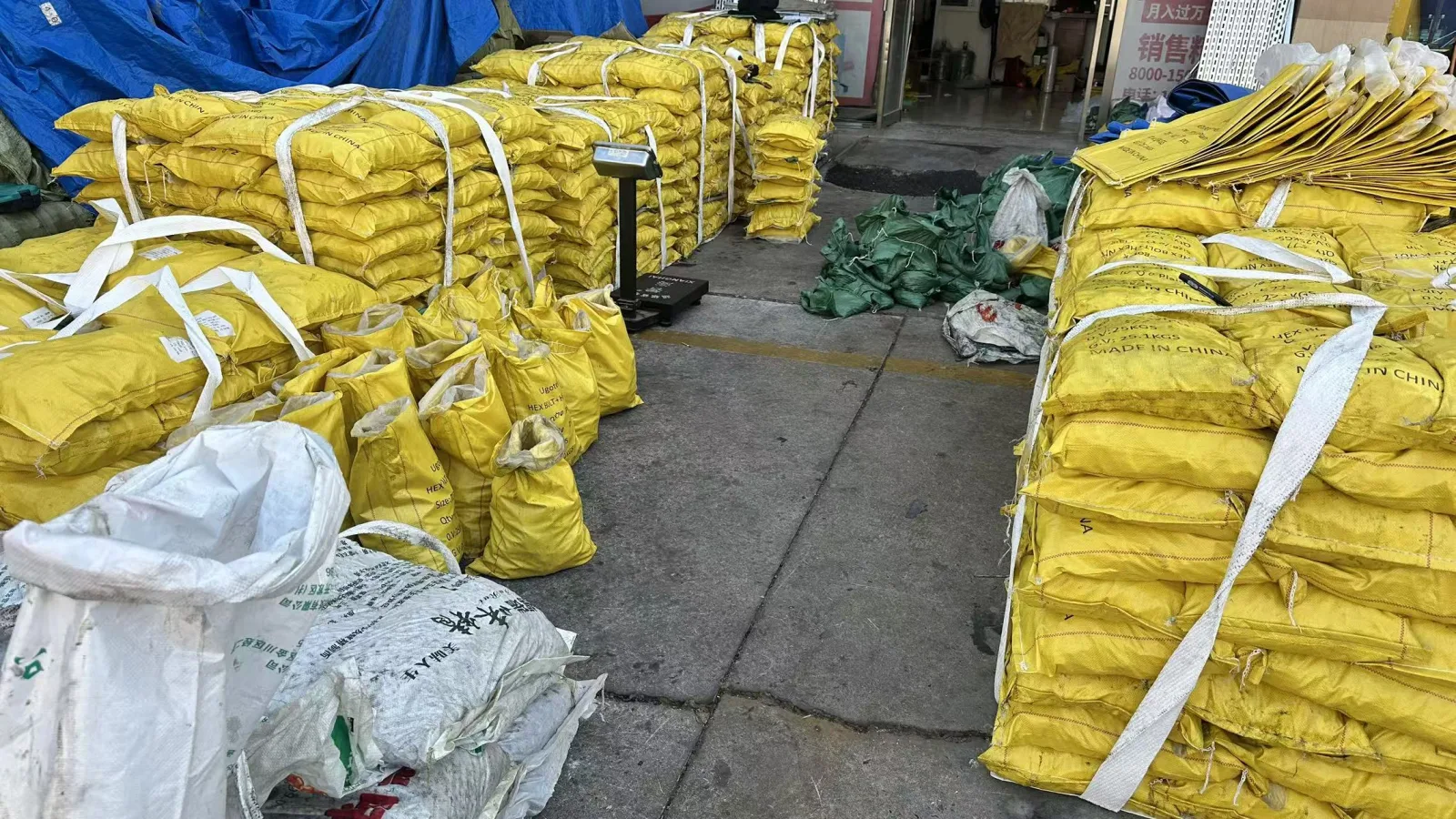
Packaging methods also need localization. Wholesale customers may require 25 kg or 50 kg bags, retail customers may prefer small boxes with brand labels, and engineering customers focus on specification identification and on-site distribution efficiency.
Based on public investment trends, it can be inferred that manufacturing, data centers, new energy, and industrial infrastructure in Southeast Asia will continue to create incremental markets for fasteners.
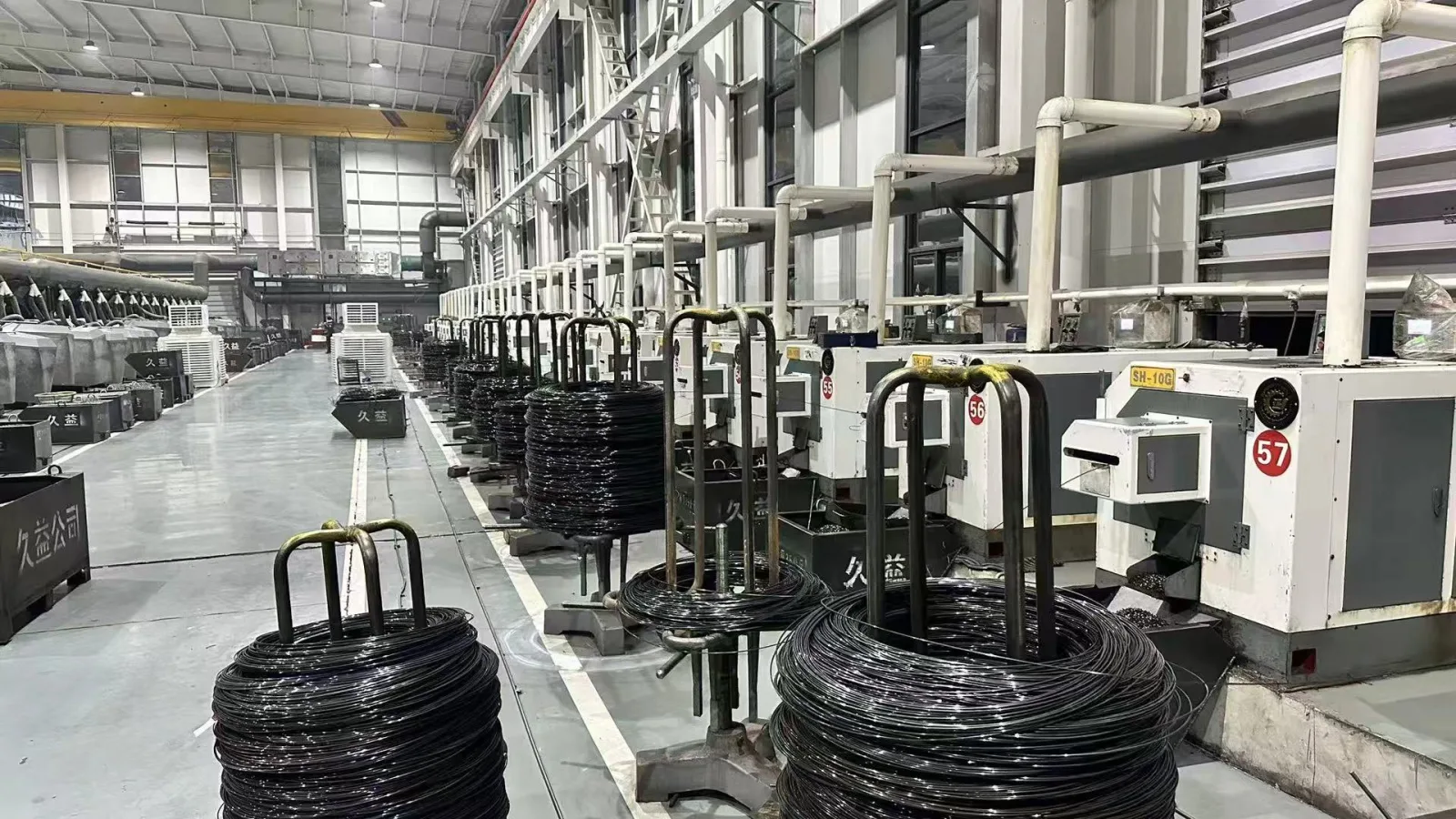
For Chinese fastener companies, stable quality, flexible quantities, multilingual communication, and supporting supply capabilities are essential foundations for developing the Southeast Asian market.