8.8 vs 10.9 Bolts: Strength, Markings and a Buyer’s Checklist
Compare metric property classes 8.8 and 10.9 by strength, head markings, mating parts, coating and installation control before placing a bolt order.
Choosing between property class 8.8 and 10.9 is not a matter of buying the larger number. A 10.9 bolt supports a higher design load, but the joint still depends on the nut, washer, tapped thread, bearing surface and tightening method. Changing only the bolt can move the weak point somewhere else in the assembly.
What the class numbers mean
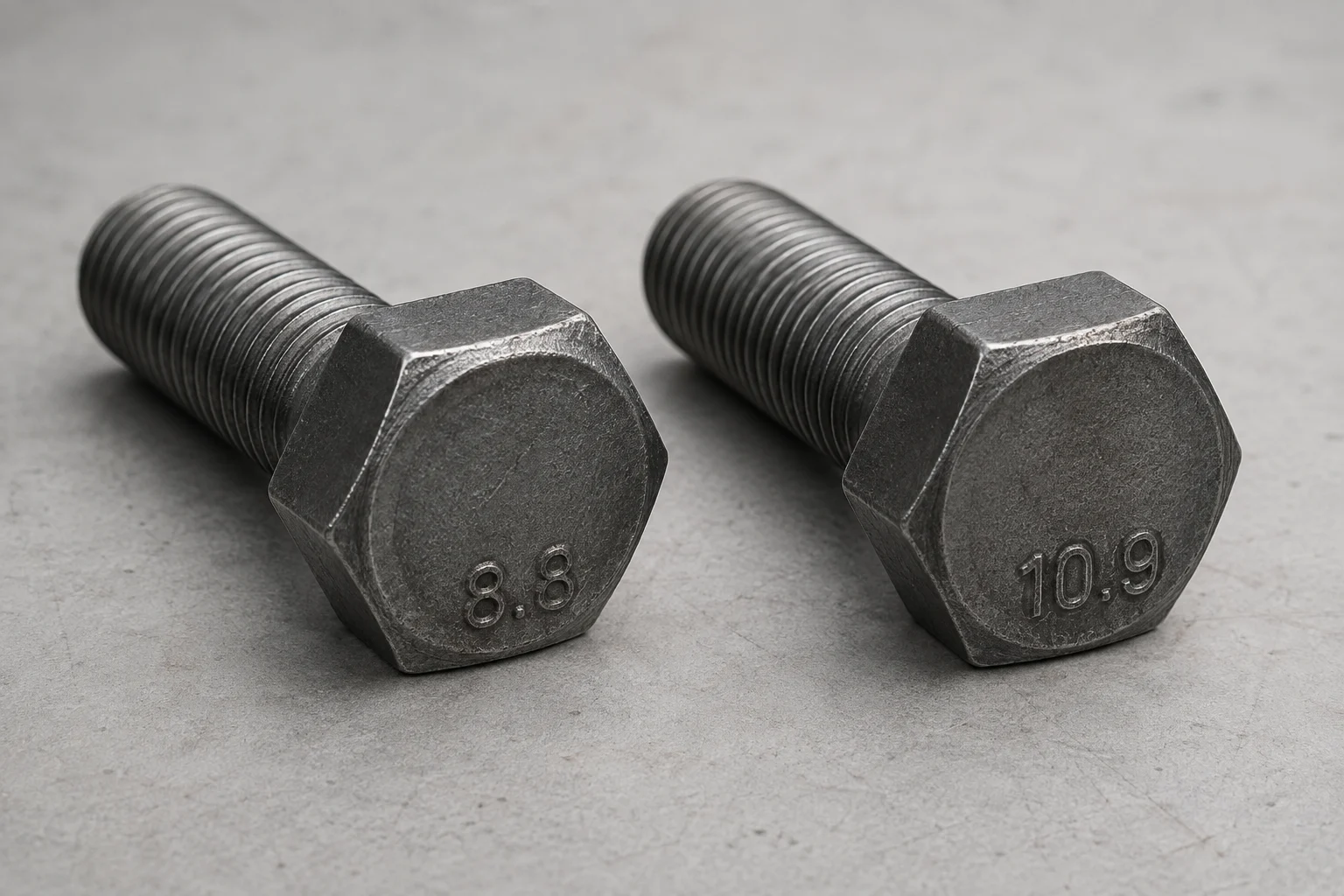
ISO 898-1 covers the mechanical and physical properties of carbon-steel and alloy-steel bolts, screws and studs with specified property classes. The markings 8.8 and 10.9 identify common strength classes for metric externally threaded steel fasteners. They do not describe the bolt size, steel grade or coating.
The designation gives a useful shorthand. The first number multiplied by 100 indicates nominal tensile strength in MPa. The second number expresses the ratio of nominal yield strength to nominal tensile strength. On that basis, 8.8 corresponds to roughly 800 MPa nominal tensile strength and 640 MPa nominal yield strength; 10.9 corresponds to roughly 1,000 MPa and 900 MPa.
Those figures explain the naming system, not the complete acceptance criteria. Minimum values can depend on diameter and product geometry. Purchase documents and test reports should refer to the applicable standard edition and its tables.
Where class 8.8 fits
Class 8.8 is widely specified for general machinery, equipment bases, brackets and engineered steel connections. It covers many medium- to high-strength assemblies without demanding the higher preload associated with class 10.9.
If a drawing calls for 8.8, do not substitute 10.9 simply because it sounds stronger. A higher-strength bolt may place more load on a soft plate, aluminium component or tapped hole. Any substitution should be reviewed by the engineer responsible for the joint.
When class 10.9 makes sense
Class 10.9 is considered where the joint carries a higher load, space limits bolt size or the design requires greater preload. It is common in heavy equipment and some automotive assemblies, but the application alone does not determine the class.
The mating nut, washer hardness, thread engagement, bearing surface and tightening procedure all need to suit the selected bolt. Upgrading the bolt while leaving the rest of the joint unchecked can cause the nut, internal thread or connected part to fail first.
Finish does not identify strength
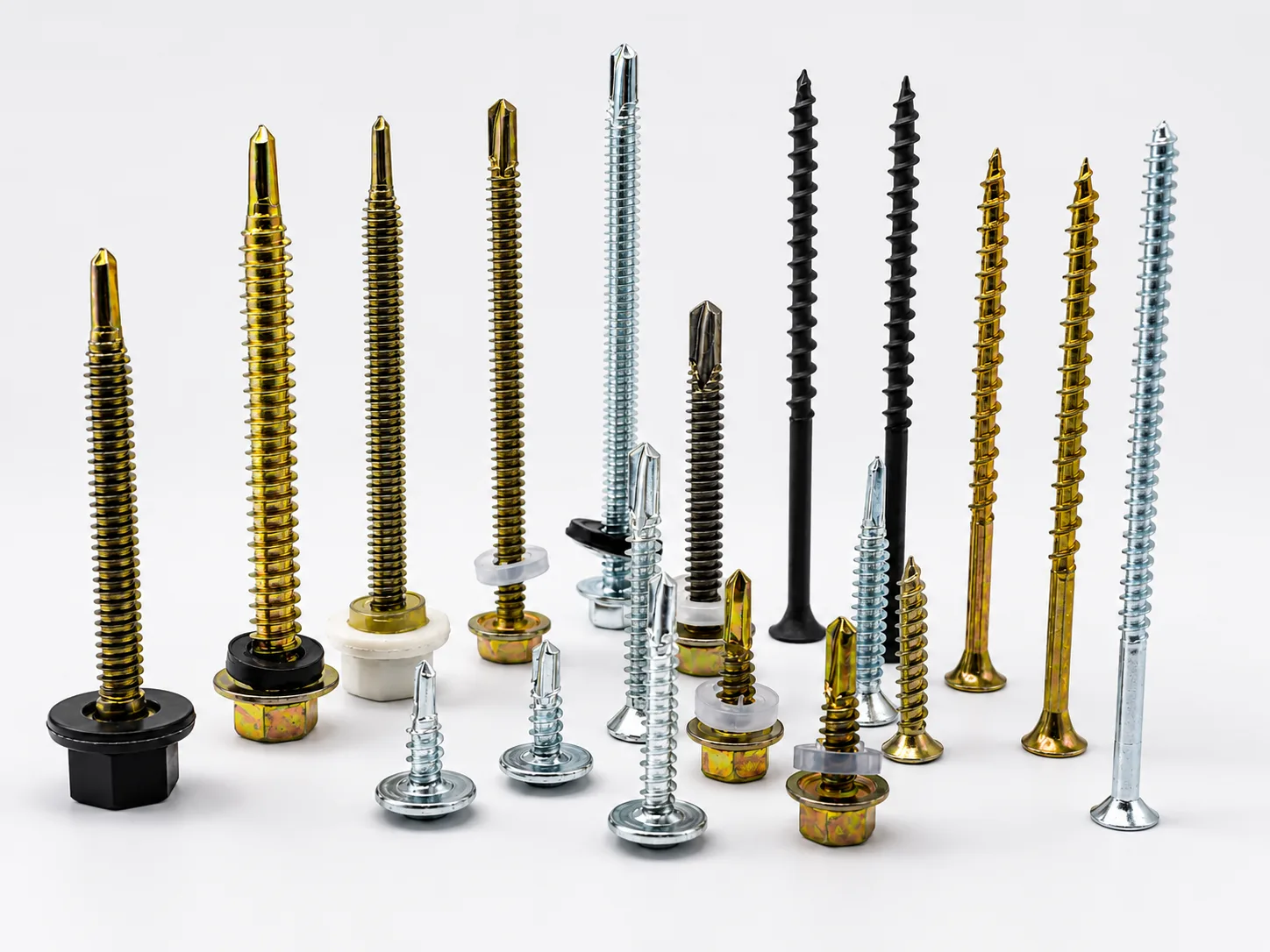
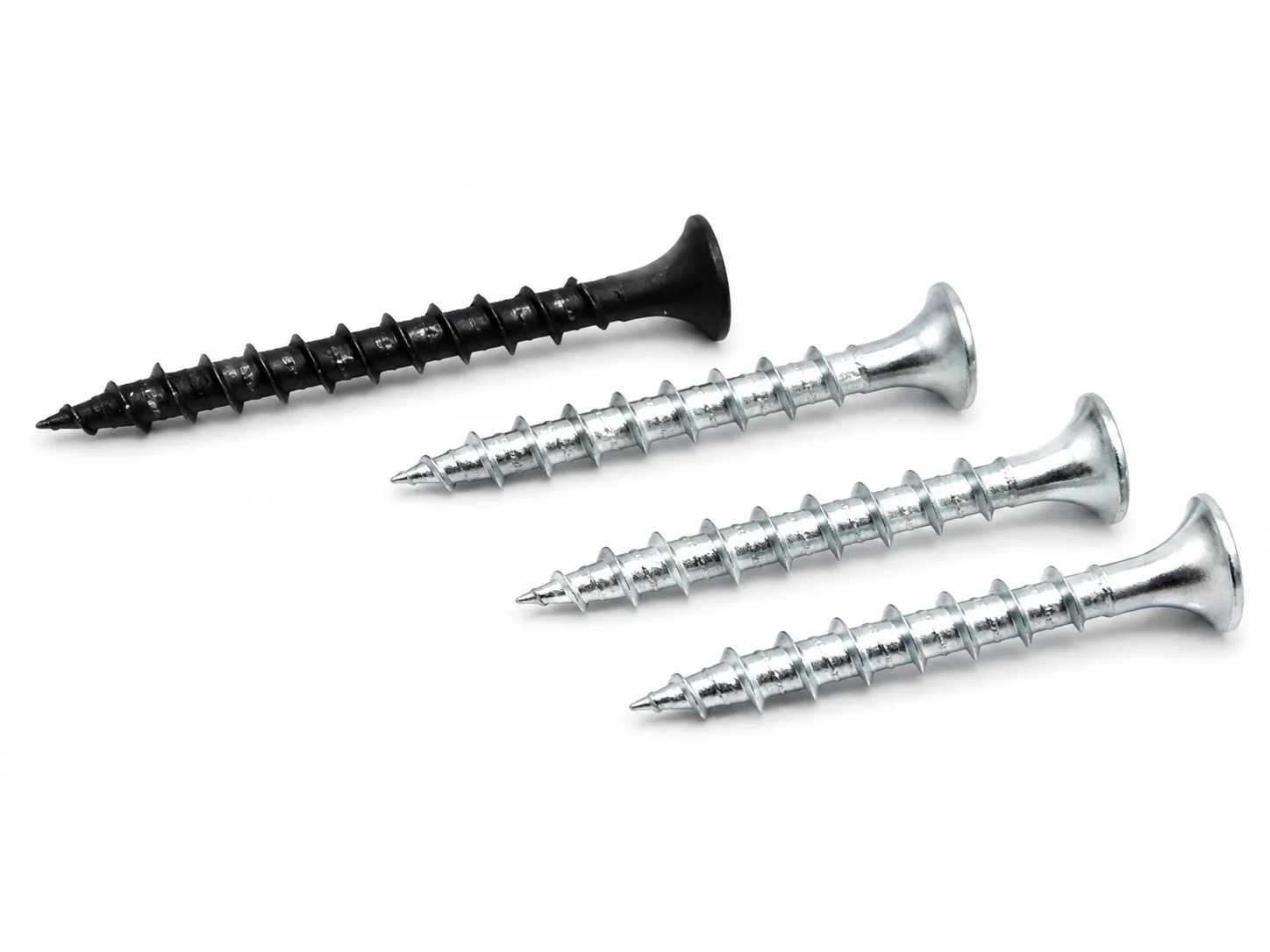
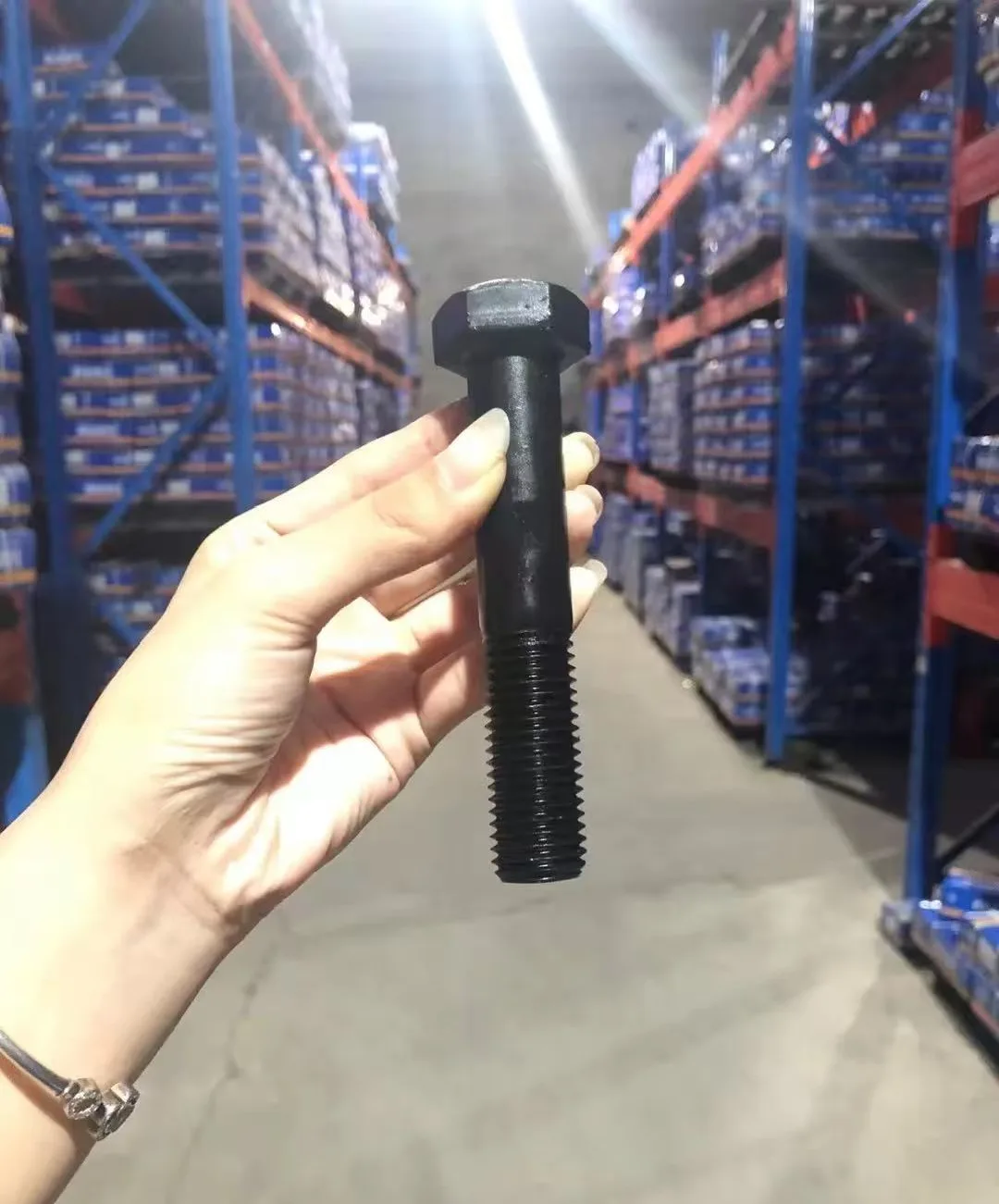
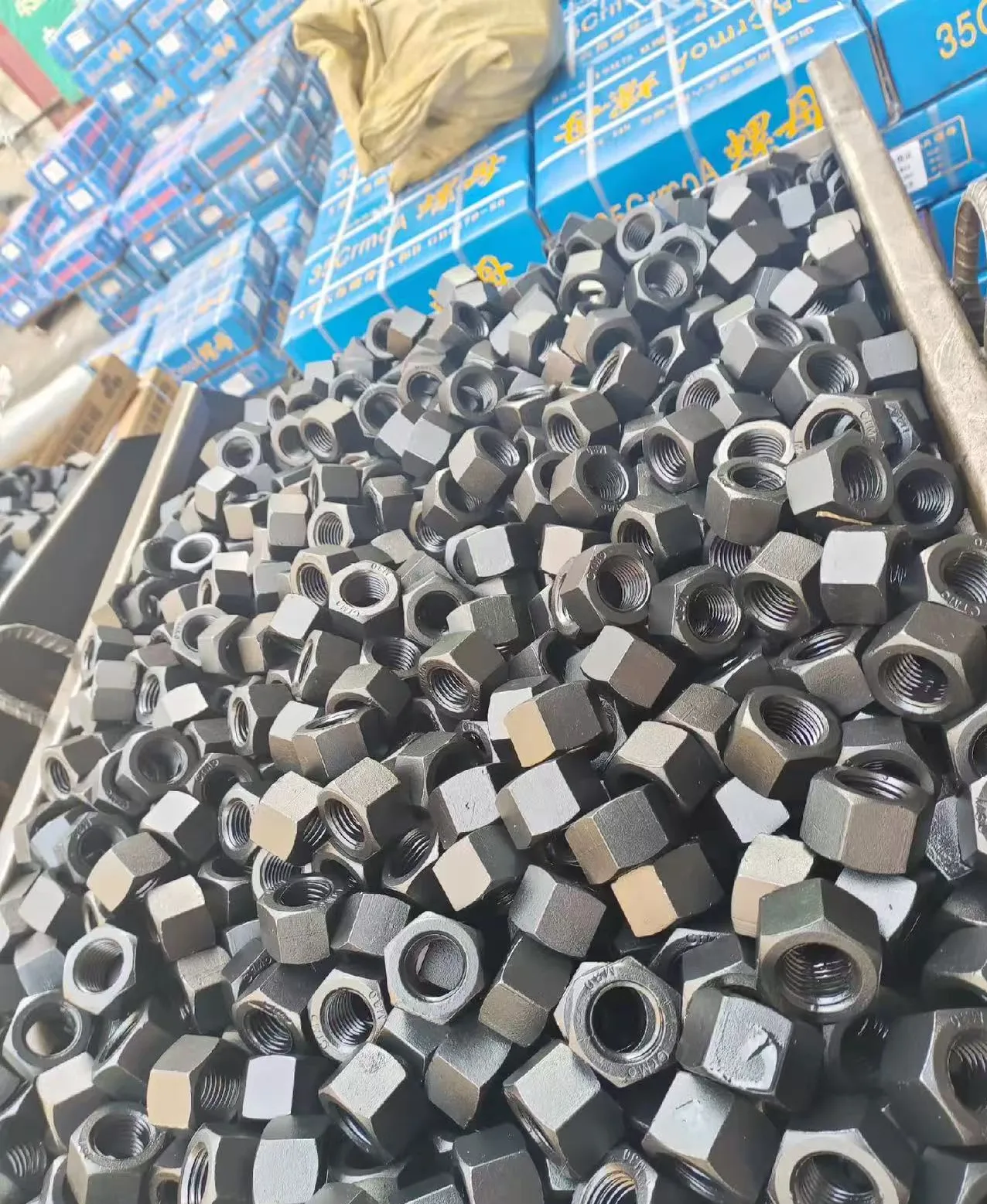
Black oxide, zinc plating and zinc-flake coatings can appear on different property classes. Colour is not evidence that a bolt is 8.8 or 10.9. Check the head marking, purchase documents and inspection records. Studs, small fasteners and unusual head styles may follow different marking rules, so the governing standard and drawing still matter.
A coating addresses corrosion, friction or appearance. It does not automatically change the property class. Two bolts of the same class can behave differently during tightening when their coatings or lubrication conditions differ.
Why a generic torque chart is not enough
The class number alone does not set the tightening torque. Thread size, pitch, coating, lubricant, friction, nut and washer all affect the relationship between torque and clamp load. A chart found online can be a starting reference, but it is not a validated assembly specification.
For a preload-sensitive order, state the assembly condition in the RFQ and request technical data that matches the specified finish. The joint designer should define the tightening method, tool accuracy and verification plan for critical connections.
What to put on the purchase order
A workable RFQ should state the product standard or drawing, diameter and pitch, length, property class, thread tolerance, finish, mating nut and washer, quantity, packaging and inspection-document requirements.
If ISO 898-1 is the acceptance basis, confirm the edition, temperature conditions and whether the product geometry falls within its scope. ISO’s published scope also makes clear that the standard does not specify corrosion resistance, shear strength, torque/clamp-force performance or fatigue resistance. Add those requirements separately when the application needs them.
What to inspect on receipt
Match the labels, dimensions and batch numbers before checking the head markings and manufacturer identification. The inspection plan may include dimensions, thread gauges, hardness, tensile or proof-load testing, coating thickness, salt-spray performance or friction testing, depending on the order. A material certificate does not replace every required performance test.
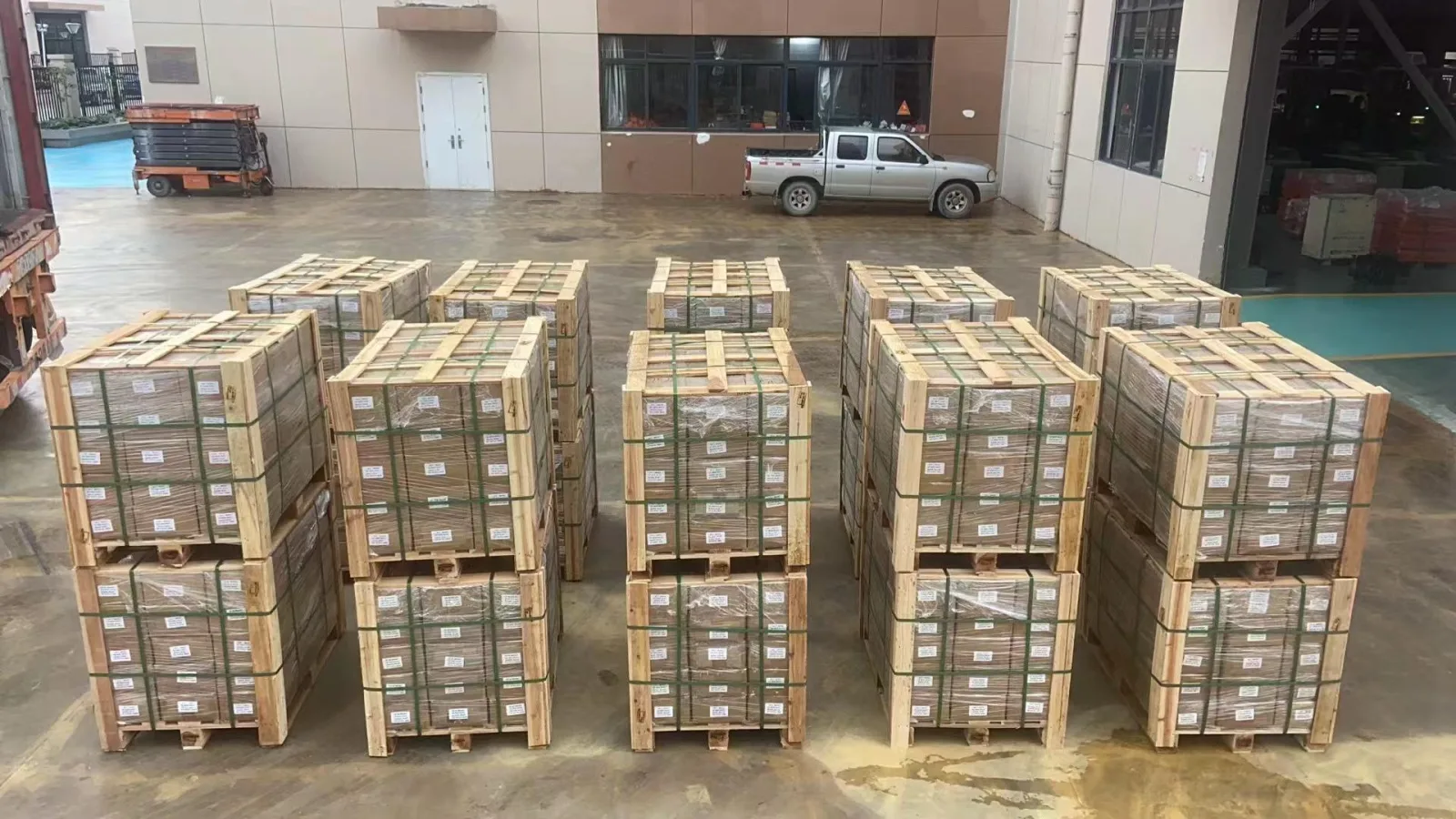
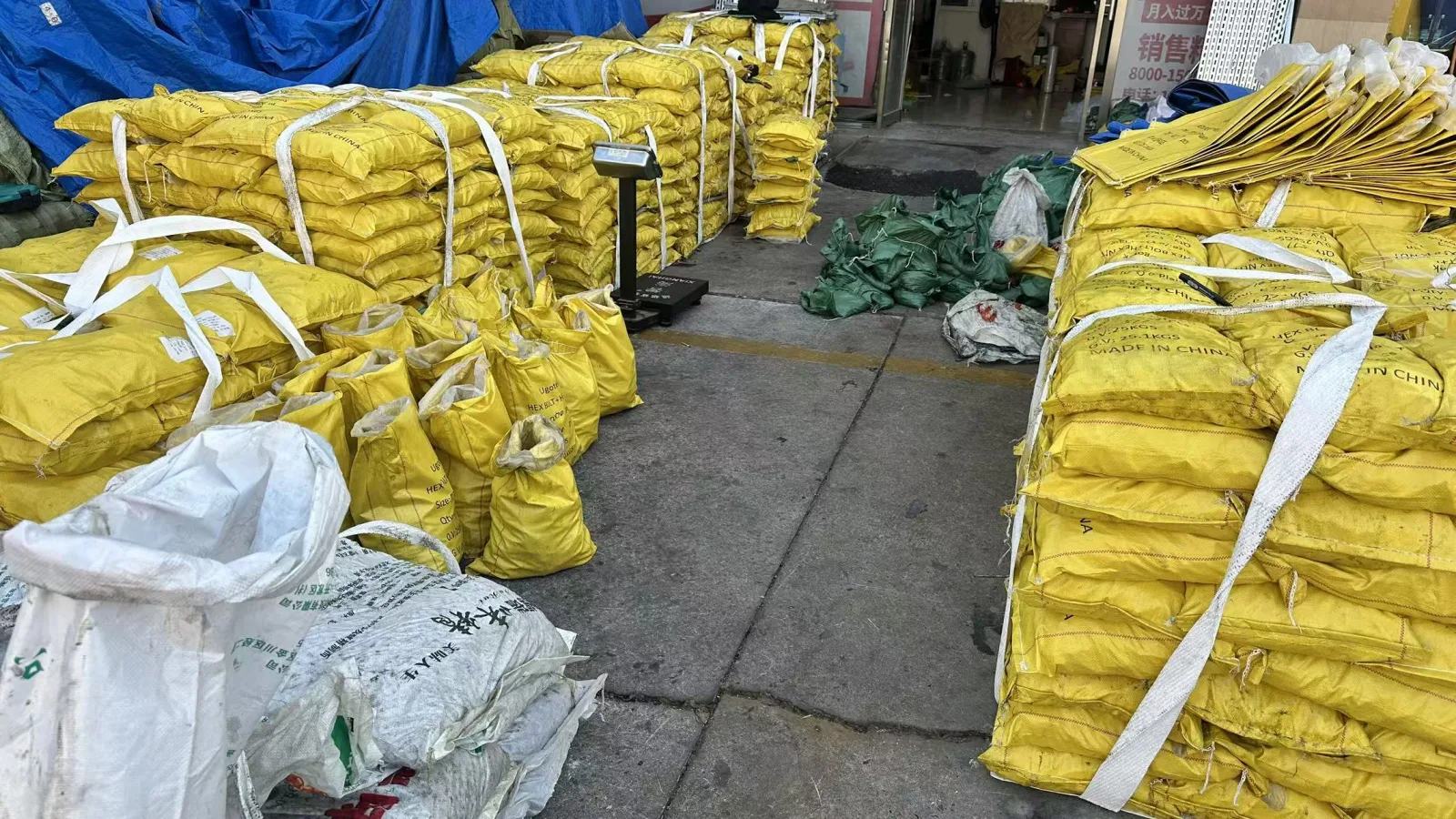
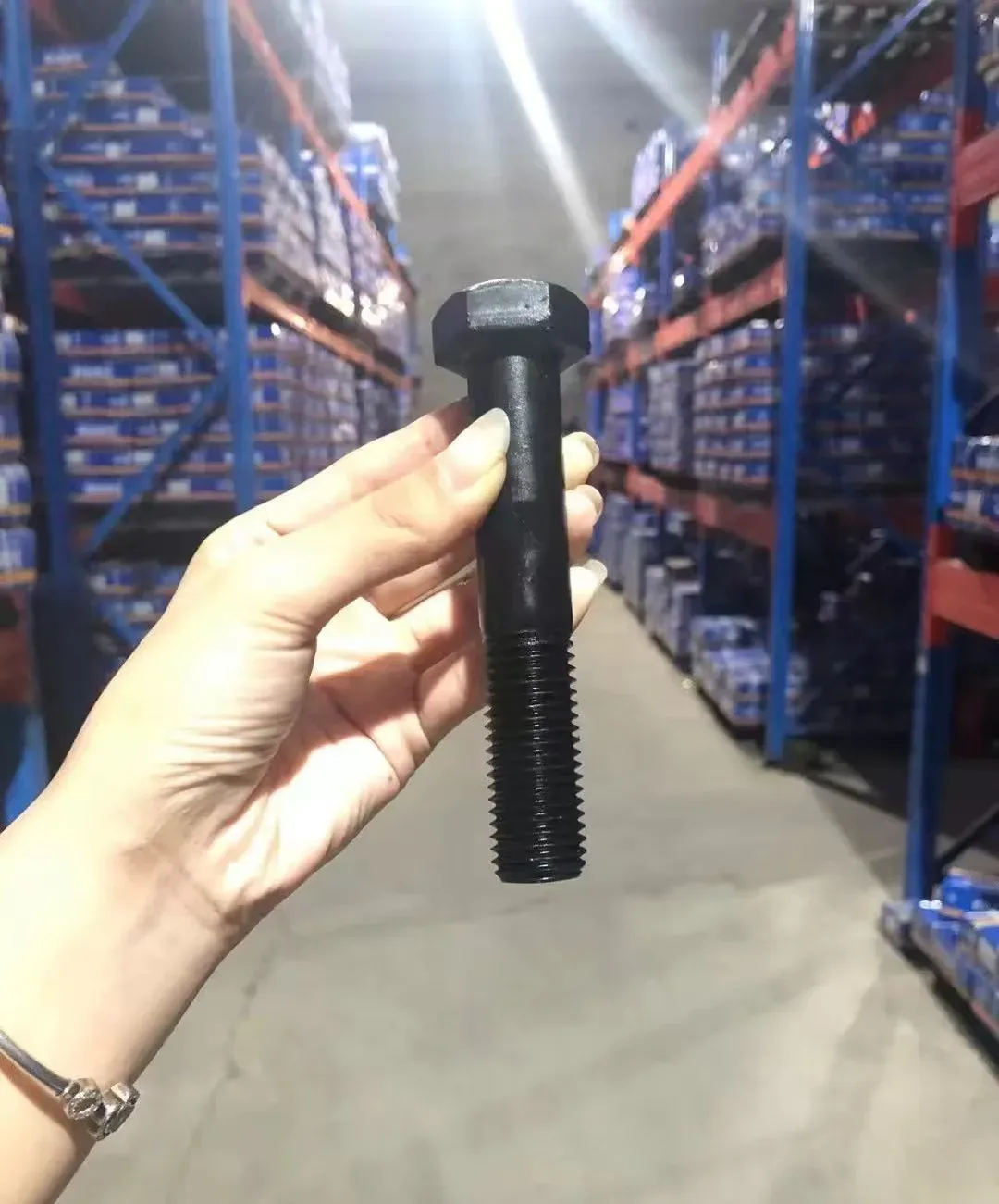
Packaging and traceability deserve attention when mixed stock is a risk. Classes 8.8 and 10.9 can look similar, and visual sorting at the warehouse or jobsite is unreliable.
Before sending the RFQ
Follow the drawing when it states a property class. If it says only “high-strength bolt,” ask for the exact class and acceptance standard. A proposed change from 8.8 to 10.9 should trigger a review of the mating parts, base material, preload and installation method.
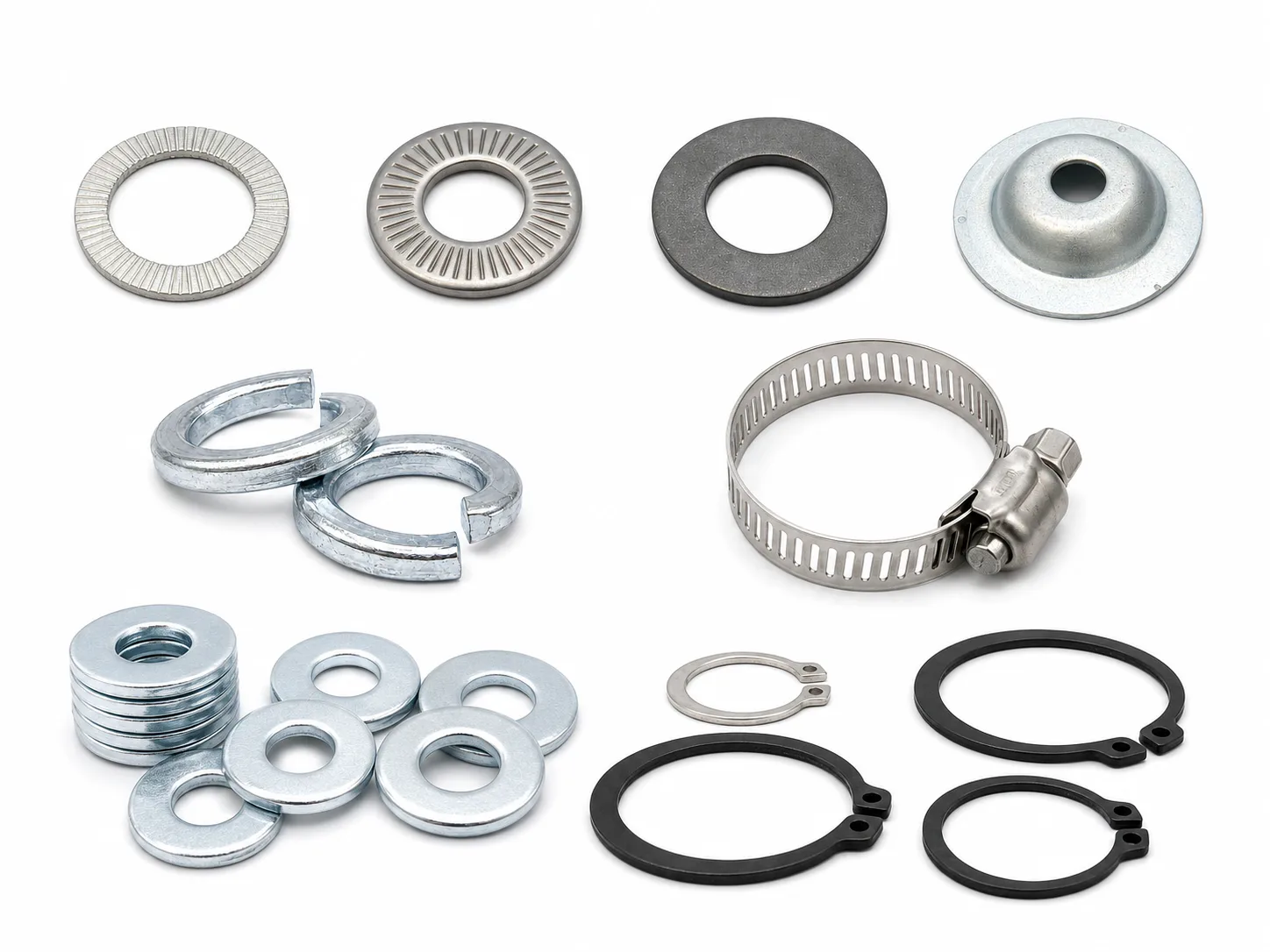
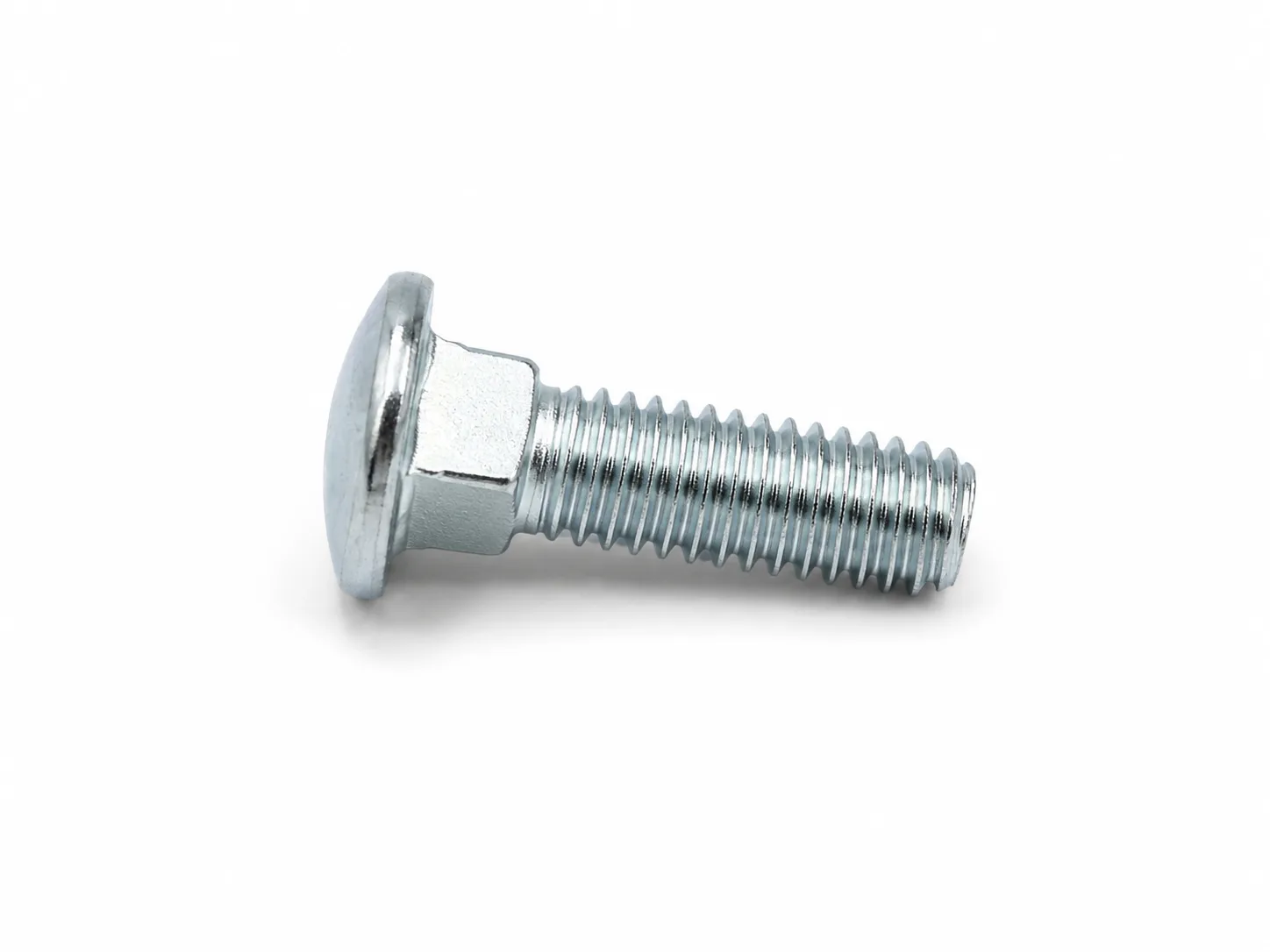
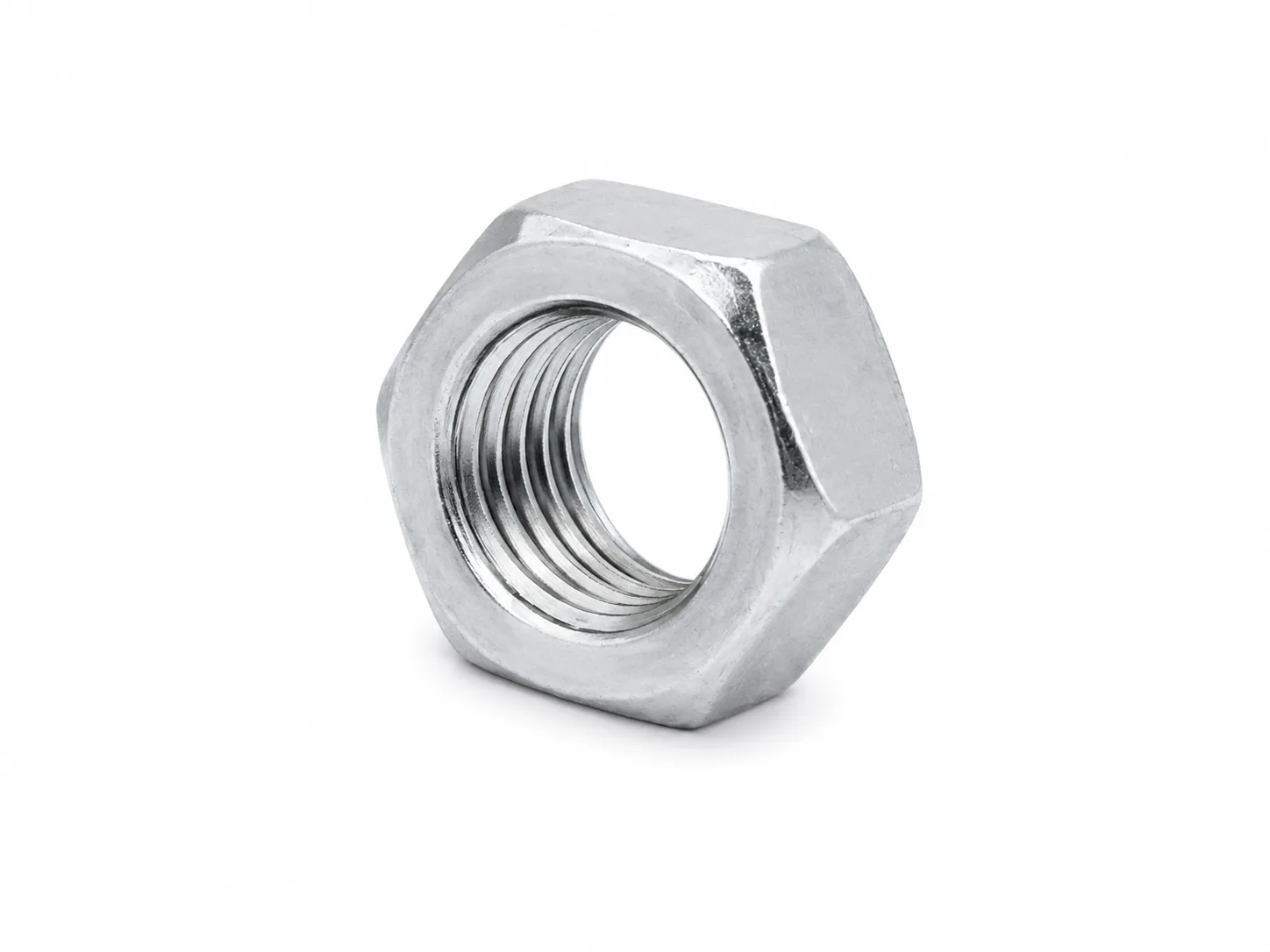
See WT Bolts’ bolts, hex nuts and flat washers for related product information. Send the standard or drawing, size, property class, finish, quantity, packaging and test requirements so the quotation can be reviewed against one technical specification.
Standard reference
ISO 898-1:2013: Mechanical properties of carbon-steel and alloy-steel fasteners, Part 1. ISO reviewed and confirmed this edition in 2025 while listing it for future revision.