Impact of Bolt Strength on Engineering Safety and Connection Reliability
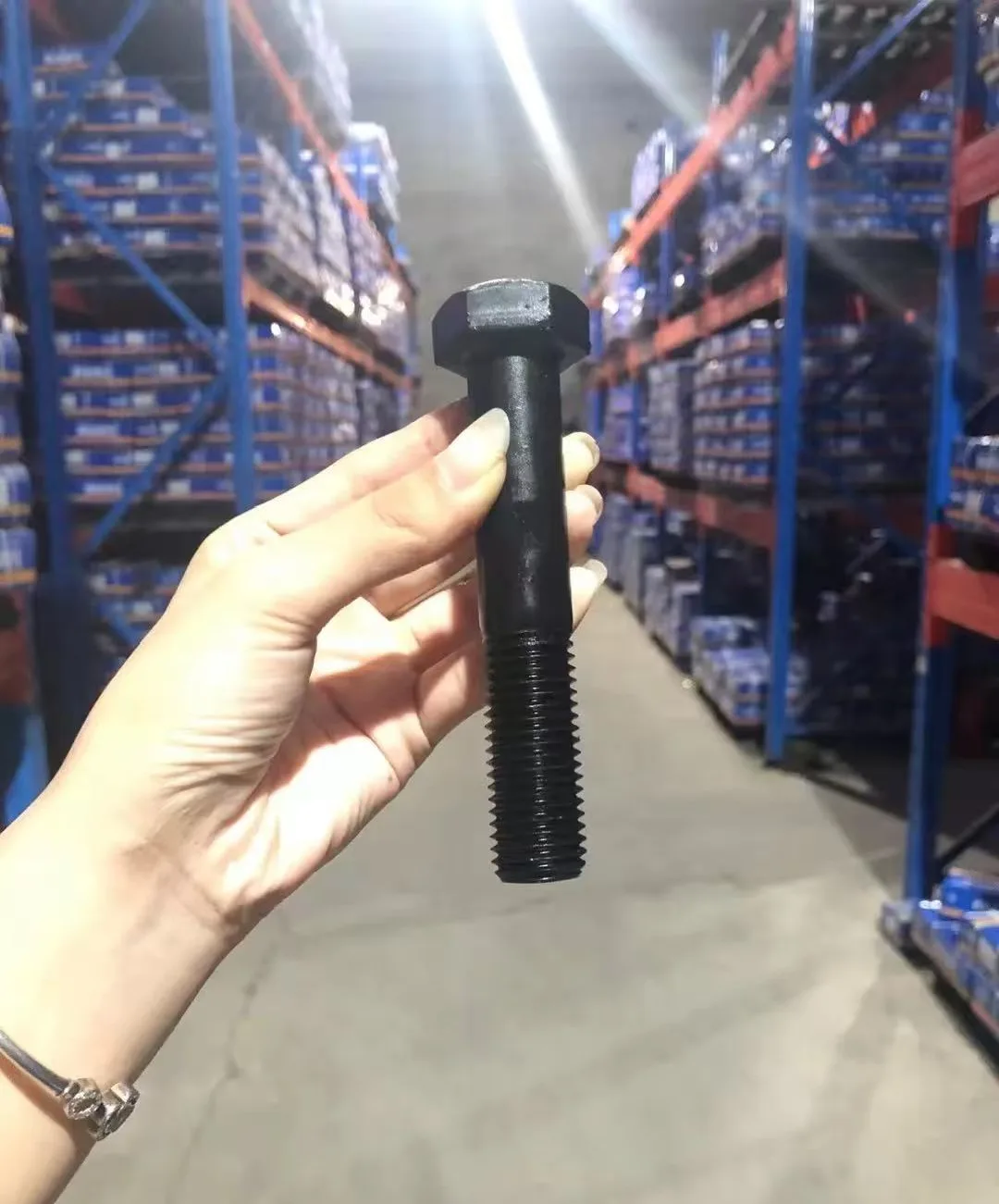
The bolt strength grade directly affects the load-bearing capacity, preload, and long-term reliability of a connection system. For 8.8, 10.9, and 12.9 grade bolts, a higher grade is not always better; engineering selection must also consider load, material, heat treatment, surface treatment, nut matching, and the actual service environment.
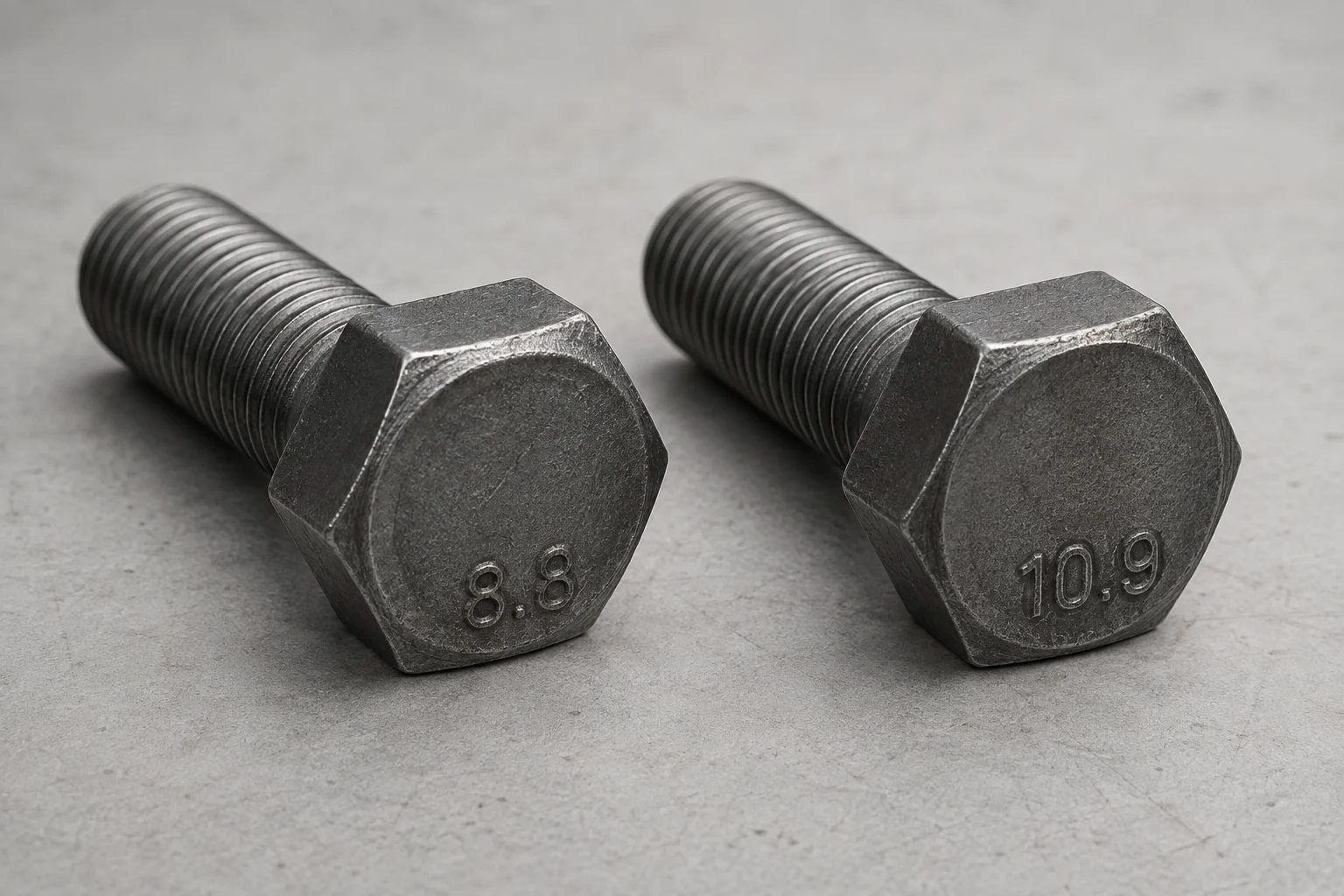
In steel structures, mechanical equipment, automotive manufacturing, power, and new energy projects, bolts—though small—directly affect the safety and service life of connections.
When selecting bolts, you cannot only look at size and price. Strength grade, material, heat treatment, preload, and service environment all affect the final connection performance.
1. What is a bolt strength grade?
Common performance grades for metric bolts include:
4.8, 8.8, 10.9, 12.9, etc.
Taking grade 8.8 as an example:
- Nominal tensile strength is approximately 800 MPa
- Nominal yield strength is approximately 640 MPa
Reference for common grades:
| Grade | Nominal Tensile Strength | Nominal Yield Strength |
|---|---|---|
| 4.8 | Approx. 400 MPa | Approx. 320 MPa |
| 8.8 | Approx. 800 MPa | Approx. 640 MPa |
| 10.9 | Approx. 1000 MPa | Approx. 900 MPa |
| 12.9 | Approx. 1200 MPa | Approx. 1080 MPa |
Specific performance requirements should be confirmed according to relevant standards, specifications, and diameters.
2. What are the differences between grades 8.8, 10.9, and 12.9?
Grade 8.8 is widely used in steel structures, mechanical equipment, and building connections, offering a balanced combination of strength and cost.
Grade 10.9 provides higher tensile and yield capabilities, commonly used in automotive, construction machinery, heavy equipment, and high-load connections.
Grade 12.9 offers even higher strength, often used in molds, precision machinery, and high-load connections, but it also demands stricter requirements for material, heat treatment, and service environment.
3. Is a stronger bolt always better?
No.
The correct approach is to select the appropriate grade based on the design load, rather than simply pursuing higher strength.
High-strength bolts typically involve higher material and heat treatment requirements, and attention must also be paid to:
- Whether the nut grade matches
- Whether the surface treatment is suitable
- Whether there is a risk of hydrogen embrittlement
- Whether the installation preload is correct
A reliable connection system depends on:
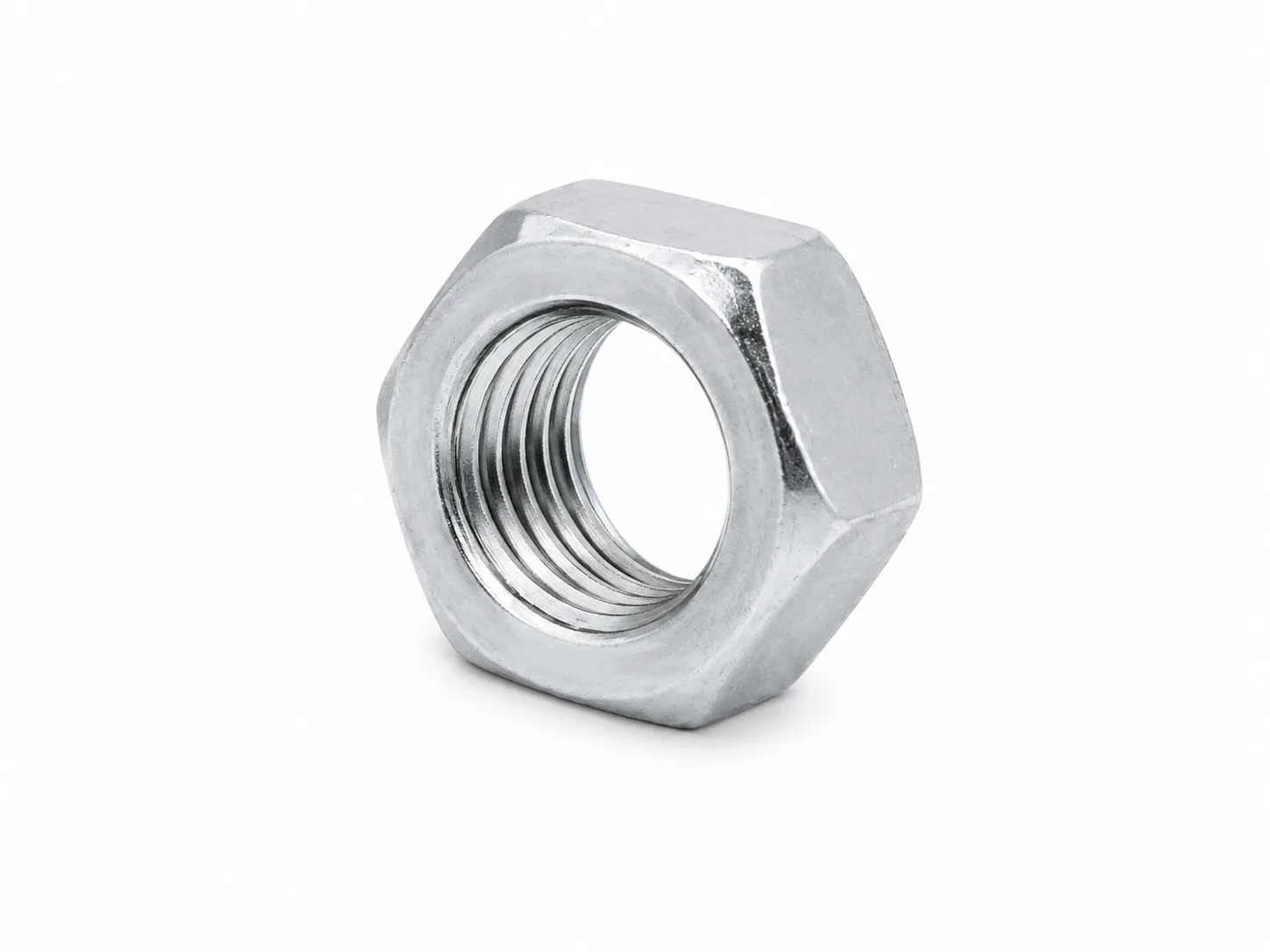
Bolt + Nut + Washer + Connected Parts + Installation Method
4. Preload and heat treatment are equally important
After installation, bolts need to generate the appropriate preload.
Insufficient preload can cause the connection to loosen; excessive preload can lead to permanent deformation, thread damage, or even fracture.
For high-strength bolts of grades 8.8, 10.9, and 12.9, heat treatments such as quenching and tempering directly affect tensile strength, hardness, toughness, and fatigue performance.
5. Surface treatment affects service life
In outdoor, coastal, high-humidity, or corrosive environments, high strength alone is not enough.
Common surface treatments include:
Zinc plating, hot-dip galvanizing, blackening, zinc flake coating, Dacromet, and phosphating, among others.
If corrosion protection is insufficient, long-term corrosion can affect the threads and the effective load-bearing cross-section. Therefore, mechanical strength and corrosion resistance must be considered together.
6. What should be tested for high-strength bolts?
Common testing items include:
- Dimensional and thread inspection
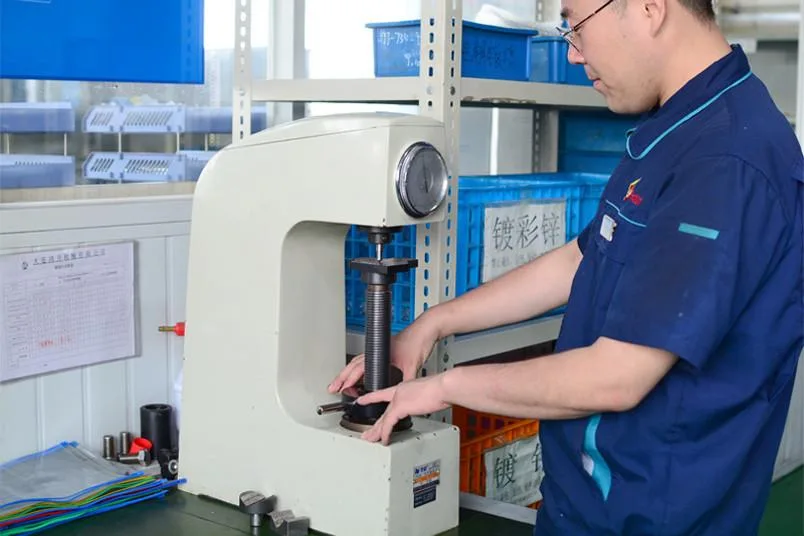
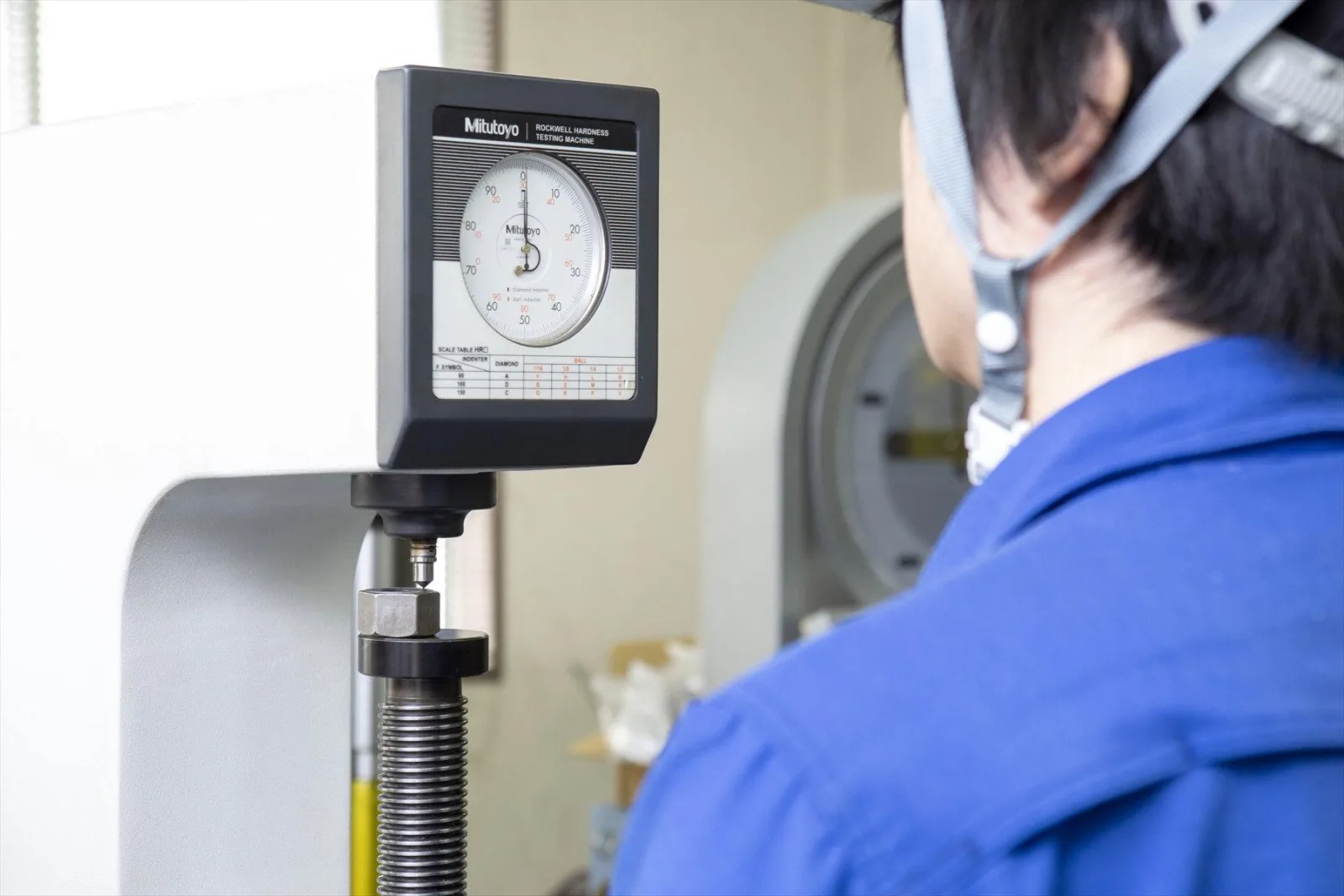
- Hardness testing
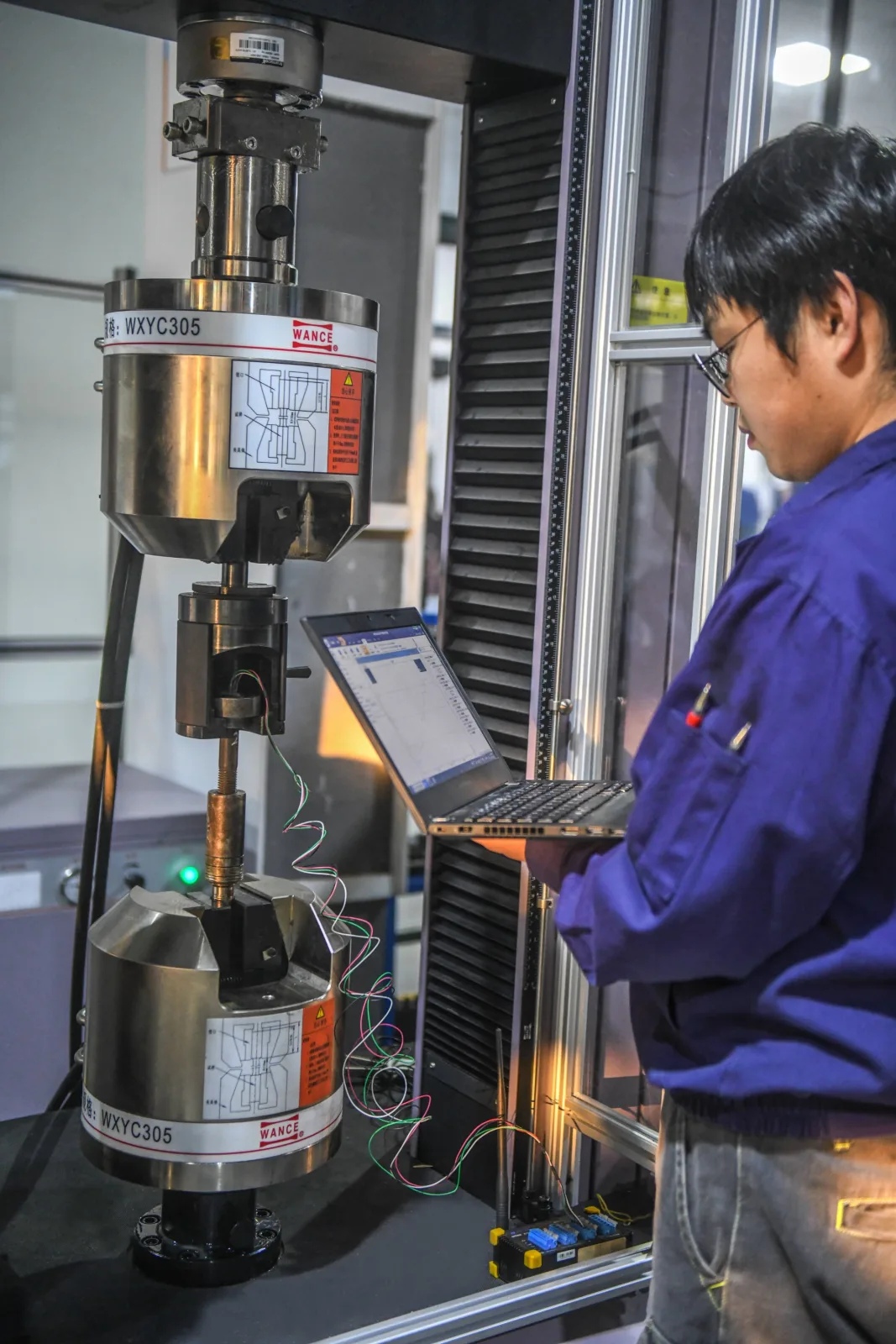
- Tensile testing
- Proof load testing
- Wedge load testing
- Material composition analysis
- Surface treatment and salt spray testing
For critical projects, attention should also be paid to inspection records and material traceability.
Conclusion
Bolt strength directly affects the load-bearing capacity and reliability of a connection system, but choosing the appropriate grade is more important than simply pursuing a higher grade.
During engineering selection, factors such as strength, material, heat treatment, surface treatment, nut matching, preload, and the actual service environment should be comprehensively considered.
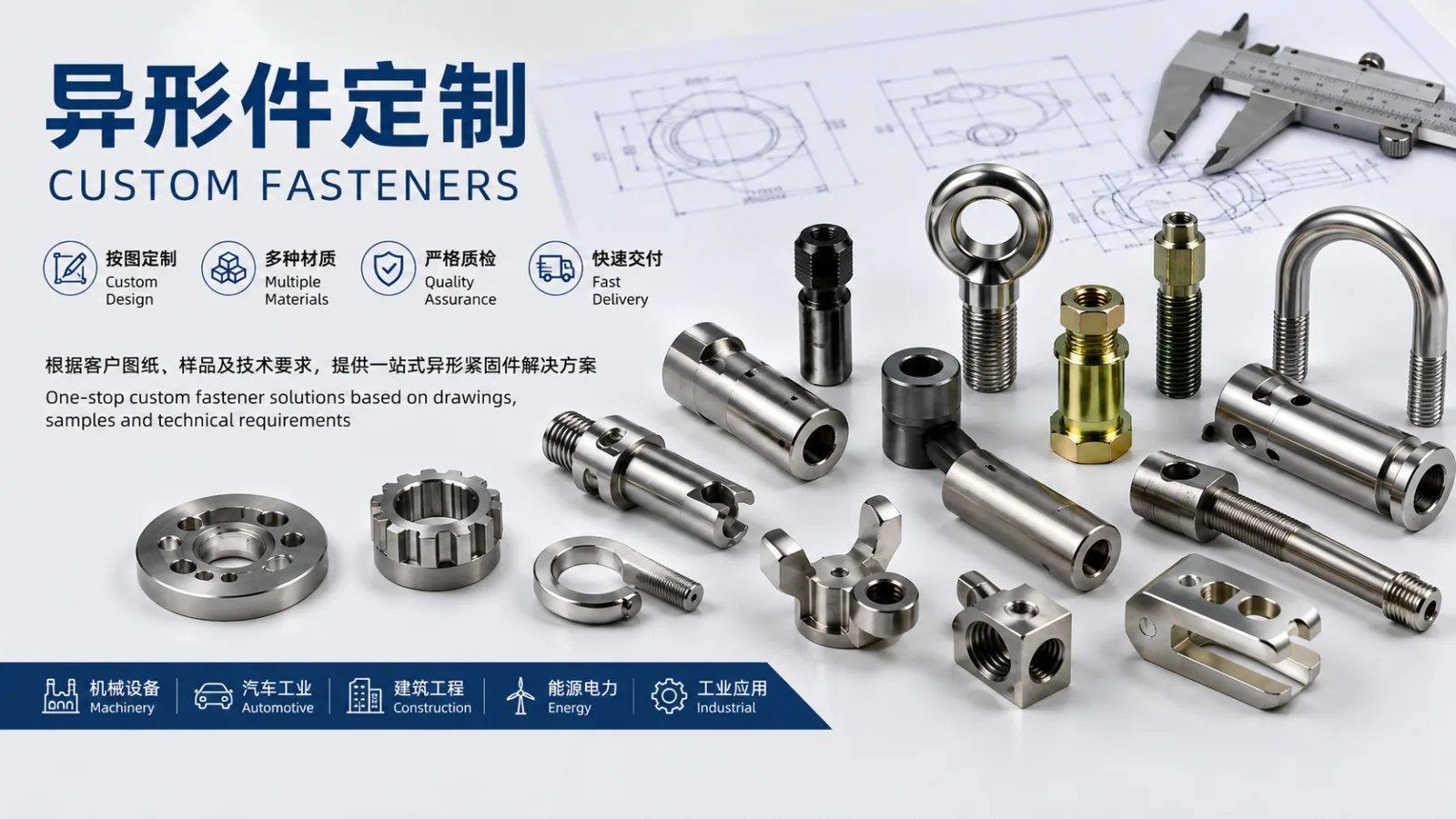
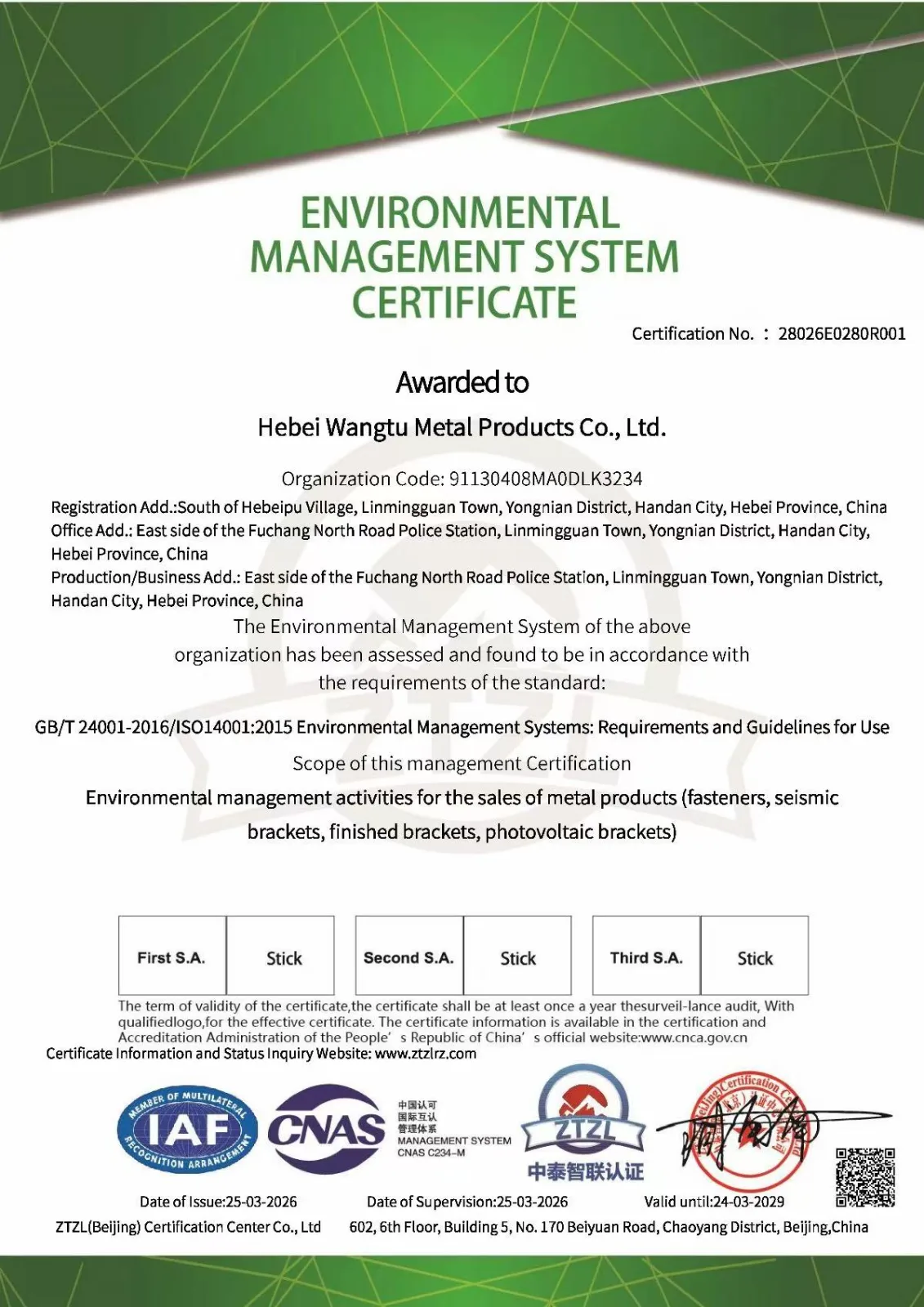
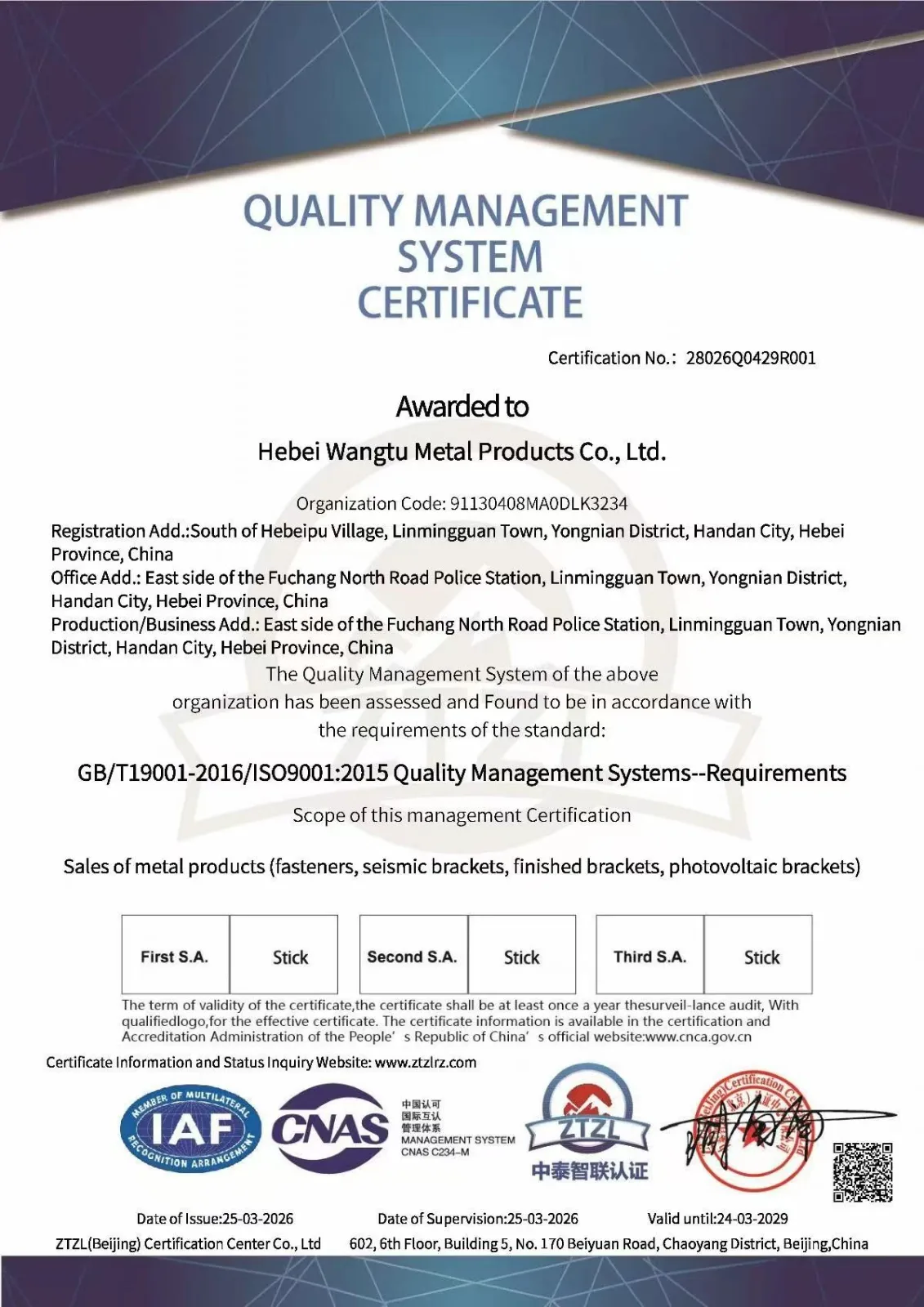
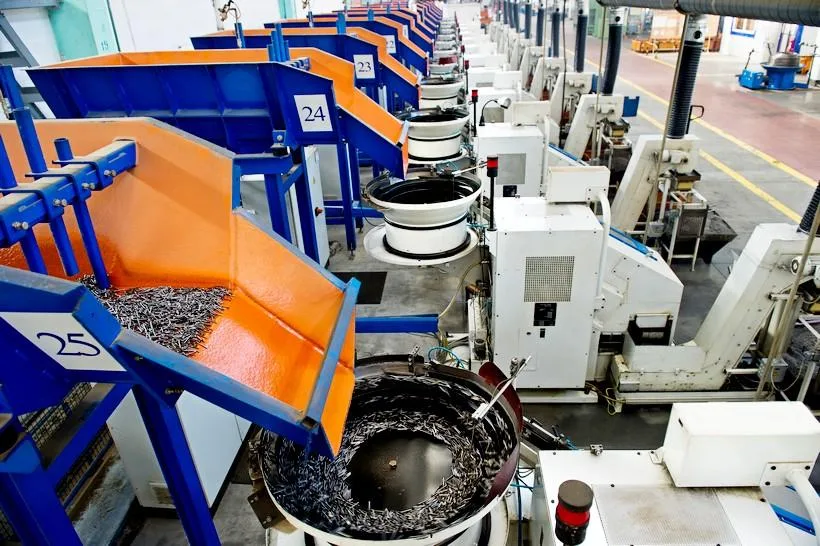
WT Fasteners can supply high-strength bolts in grades 8.8, 10.9, and 12.9, as well as custom fasteners, and supports production according to customer drawings, materials, surface treatments, and engineering requirements.