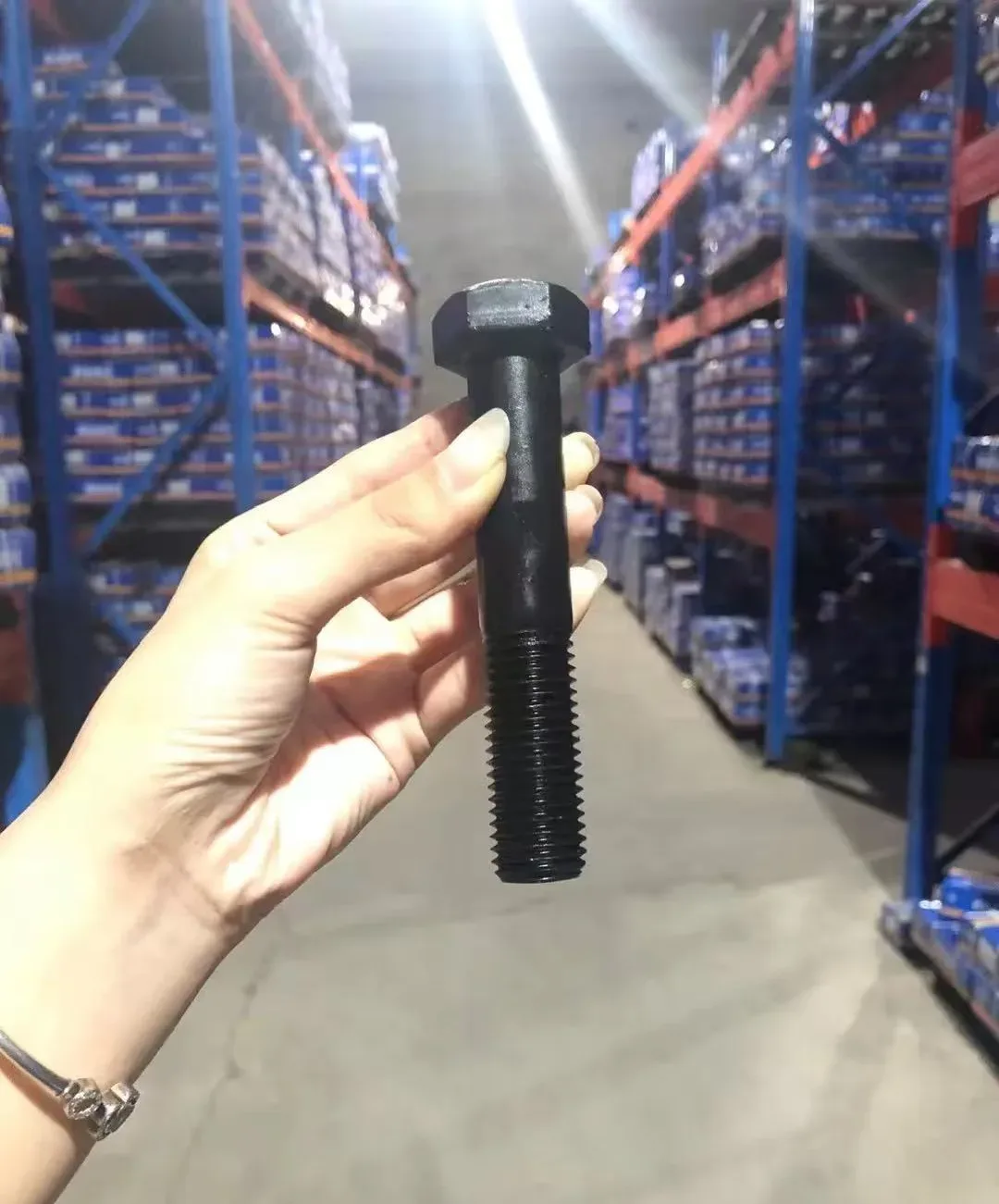
Cap Nut vs Acorn Nut vs Dome Nut: What to Check Before an RFQ
Cap nut, acorn nut and dome nut are often used for the same family. A purchase order still needs the drawing: check the closed-end depth, thread, wrench size, material and finish rather than ordering by name alone.
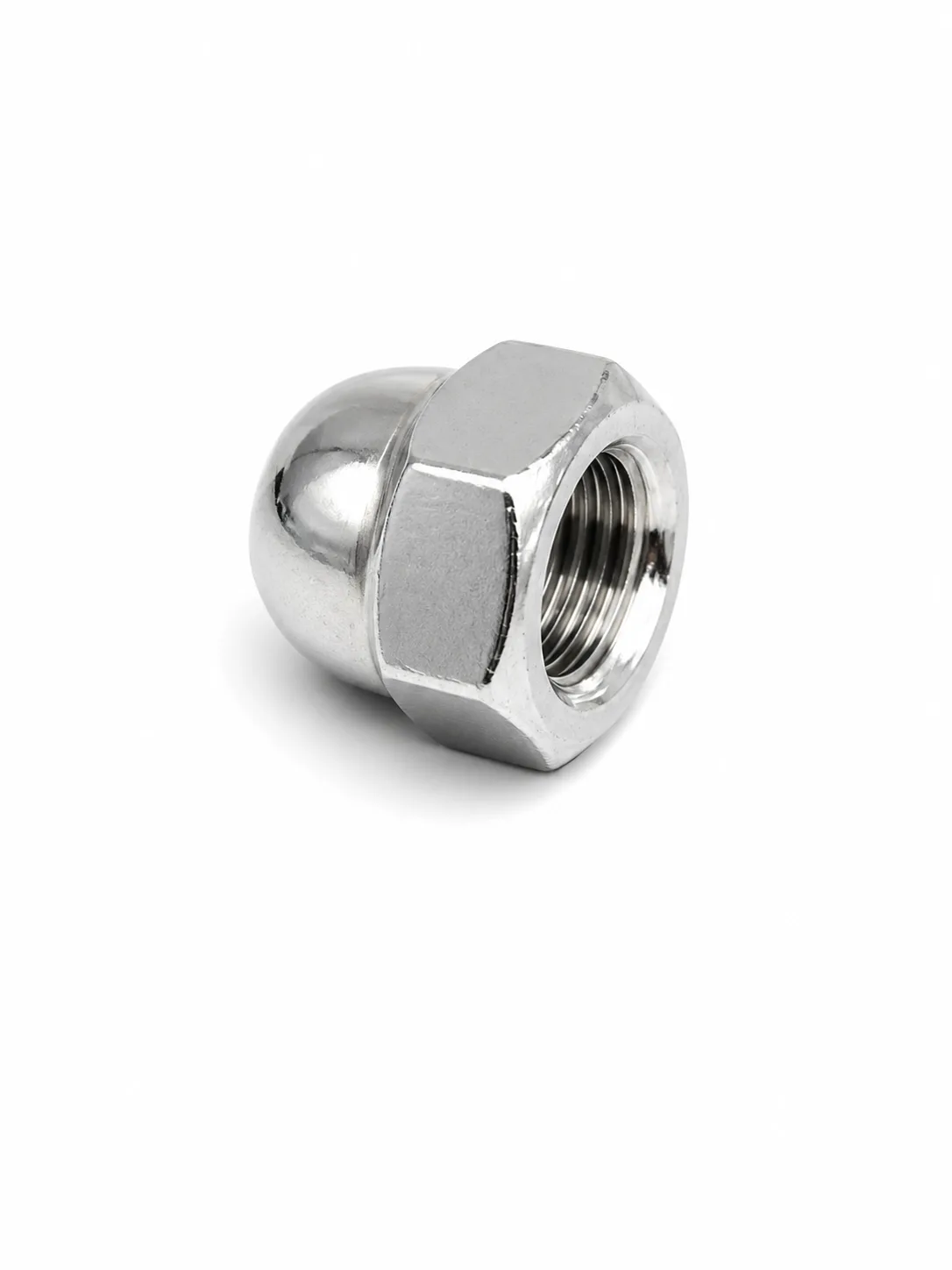
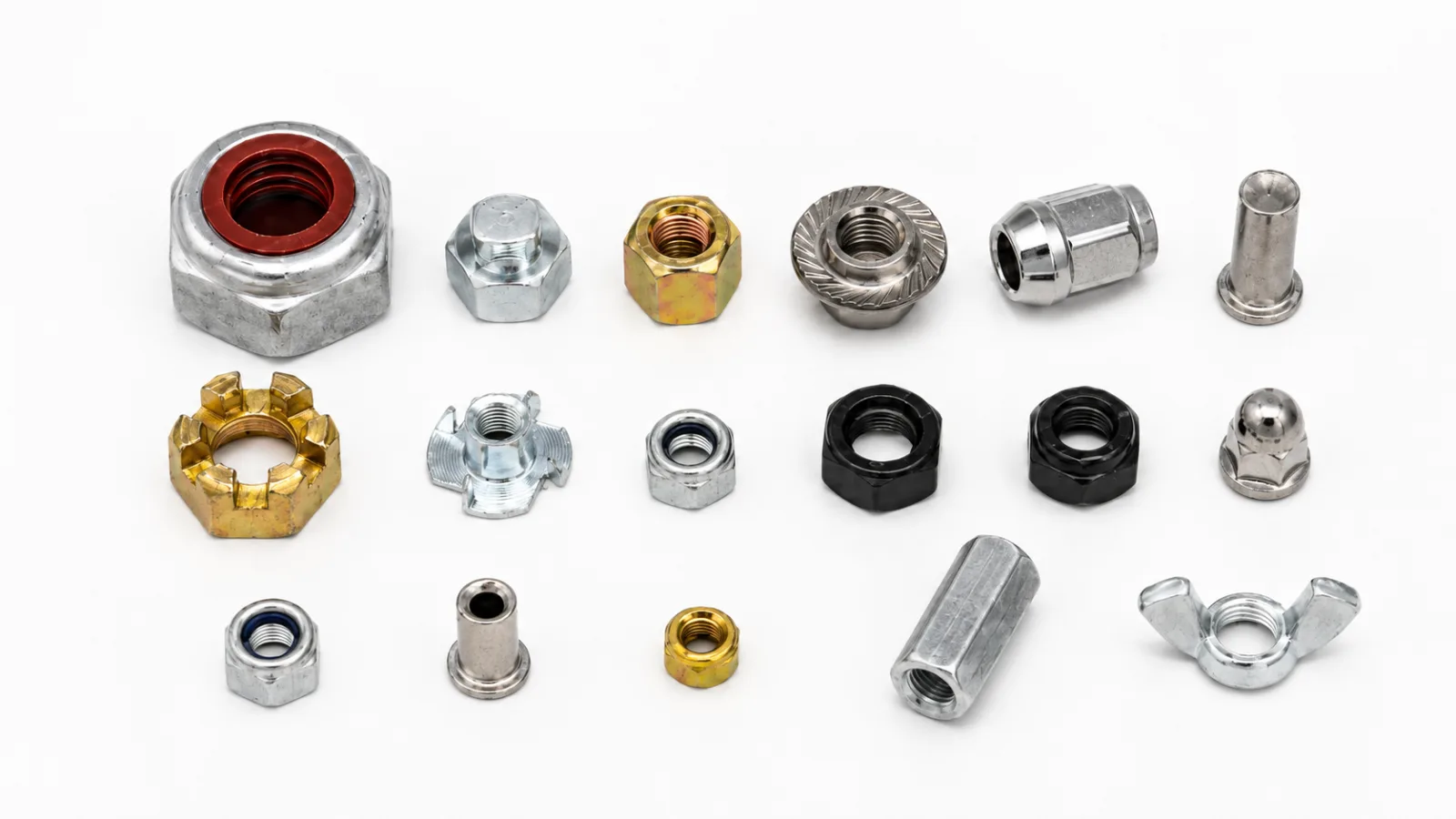
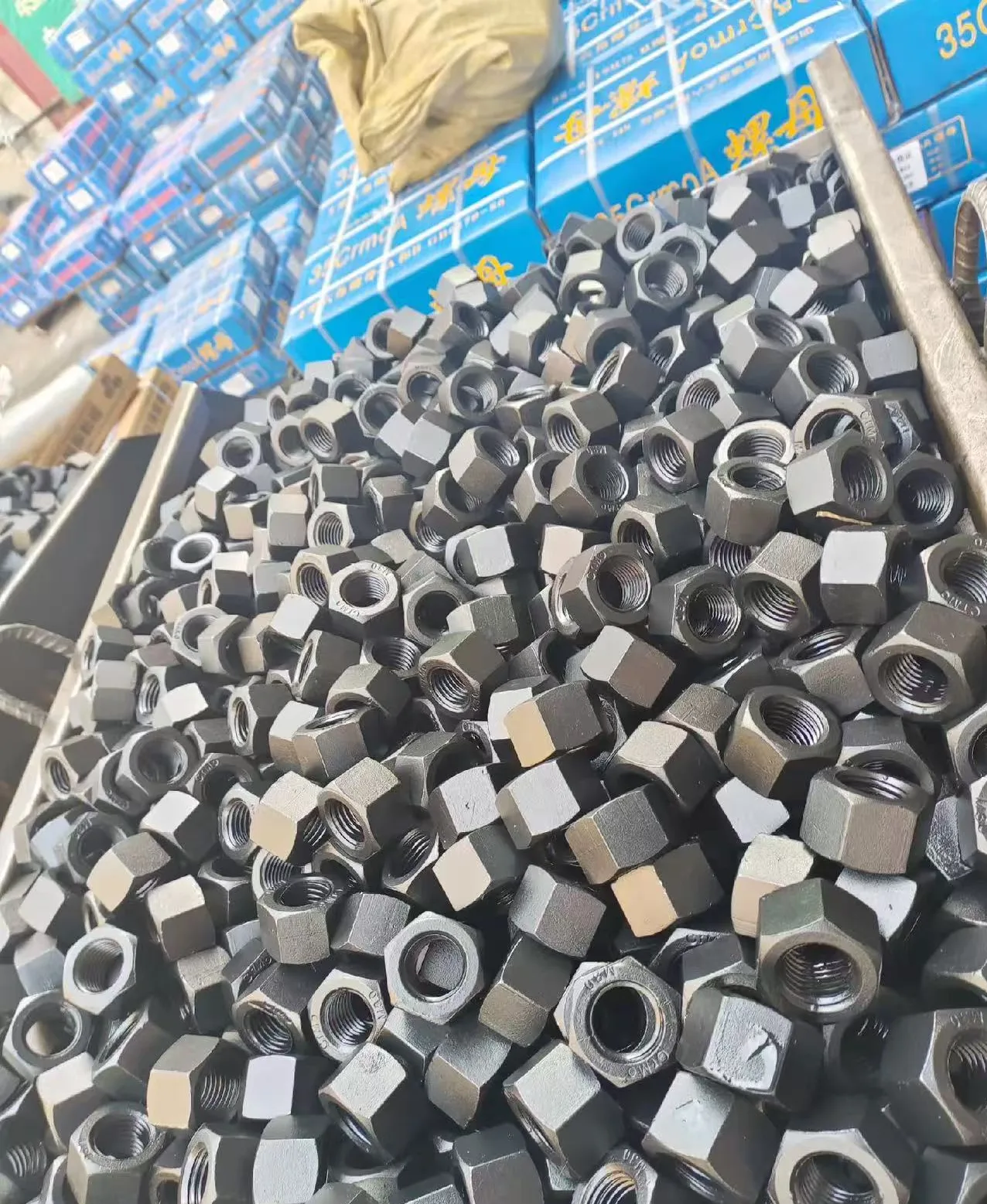
“Cap nut”, “acorn nut” and “dome nut” often appear in the same buying conversation. They describe a nut with a closed, domed end, but the name is not a drawing. Parts that look alike can differ in closed-end depth, wrench size, thread, overall height and end profile. The length of the mating bolt or stud also changes whether the assembly will fit.
Use the name as a search term, not as a full specification
Catalogues commonly place acorn nuts under domed cap nuts. Bossard’s hex domed cap nut page uses these terms together and shows that standards and materials can vary. It is useful terminology evidence, but its dimensions and property classes belong to the listed products and should not be copied into another supplier’s order.
Closed-end depth affects the stud end
When a closed-end nut is fitted to a bolt or stud, thread engagement and space for the end of the fastener both need to work. If the cavity is too shallow, the stud can bottom out before the joint reaches its intended clamp condition. If the cavity is unnecessarily deep, it can conflict with appearance, clearance or protection requirements. The drawing should state the thread, exposed stud length, overall nut height and any required internal depth.
Do not match only the wrench size
The same wrench size does not prove the same thread, overall height or closed-end shape. A replacement also needs a check of metric or inch thread, pitch, hand, mating bolt and washer requirements. For product-family reference, see WT Bolts’ cap nut page; the final order basis remains the standard, drawing or agreed sample.
Specify finish and service conditions separately
A closed end does not prove material or corrosion performance. State material, property class, finish, appearance requirement, service environment and required documents separately. For parts people can touch, include any burr, edge or cosmetic acceptance requirement.
What a useful RFQ includes
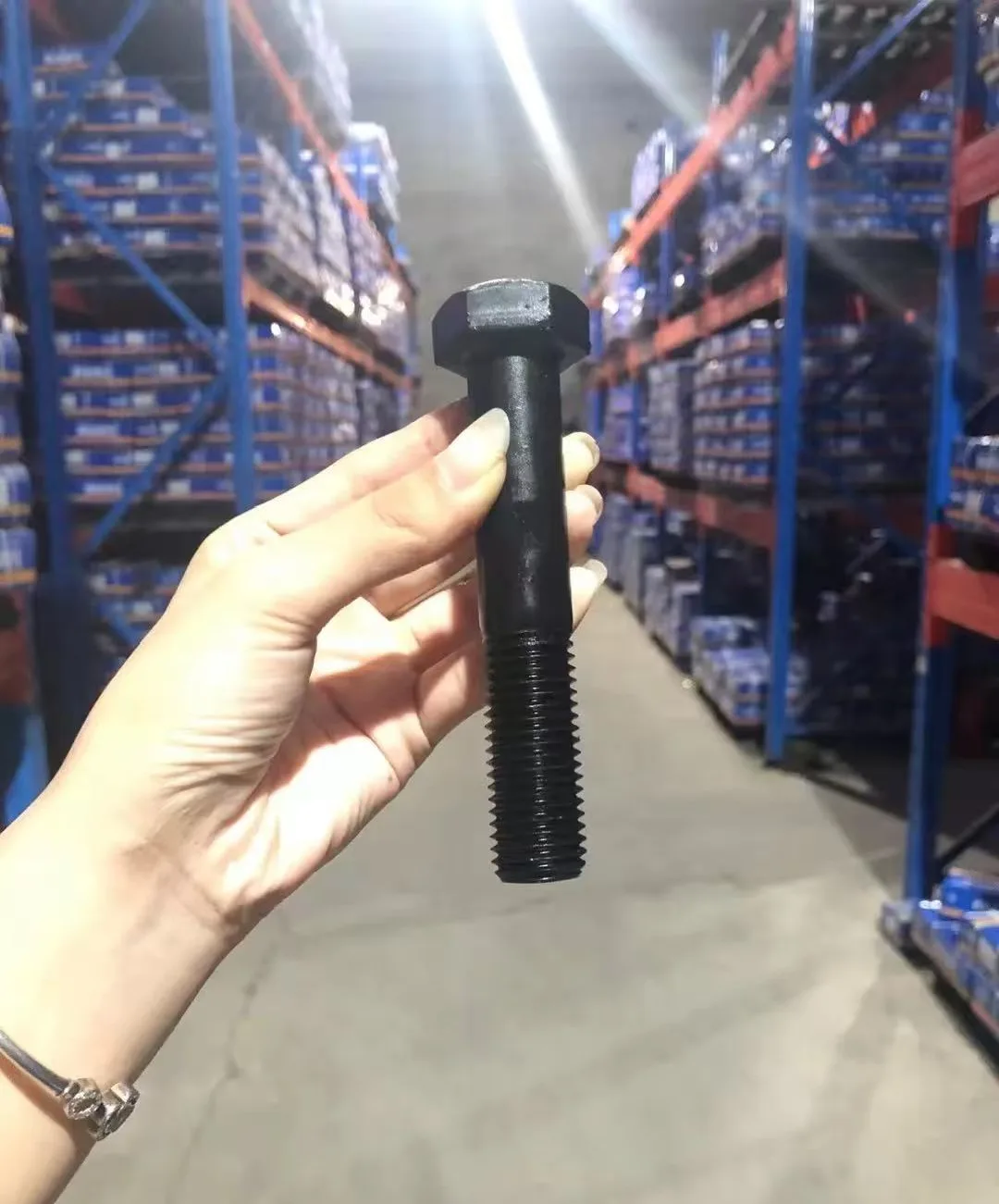
Attach a standard or dimensioned drawing, thread and pitch, wrench size and overall height, closed-end depth or stud-entry condition, material, finish, quantity, packing, destination and document requirements. When an old part exists, provide front and side photos with key dimensions. That turns “cap nut” from a loose name into a checkable purchase item.