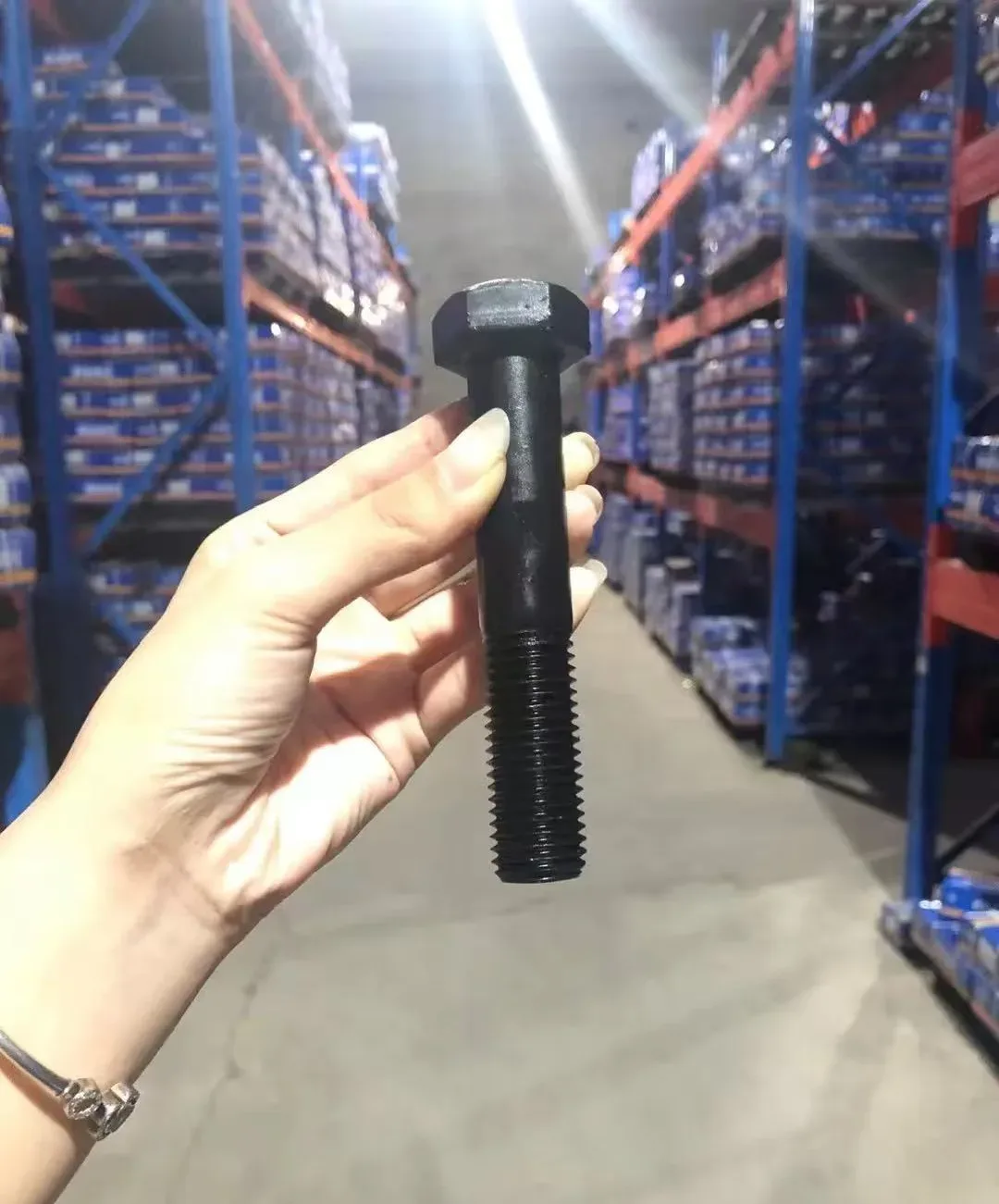
From Price Competition to Technical Services: Custom Fasteners and Quality Traceability Become New Industry Priorities
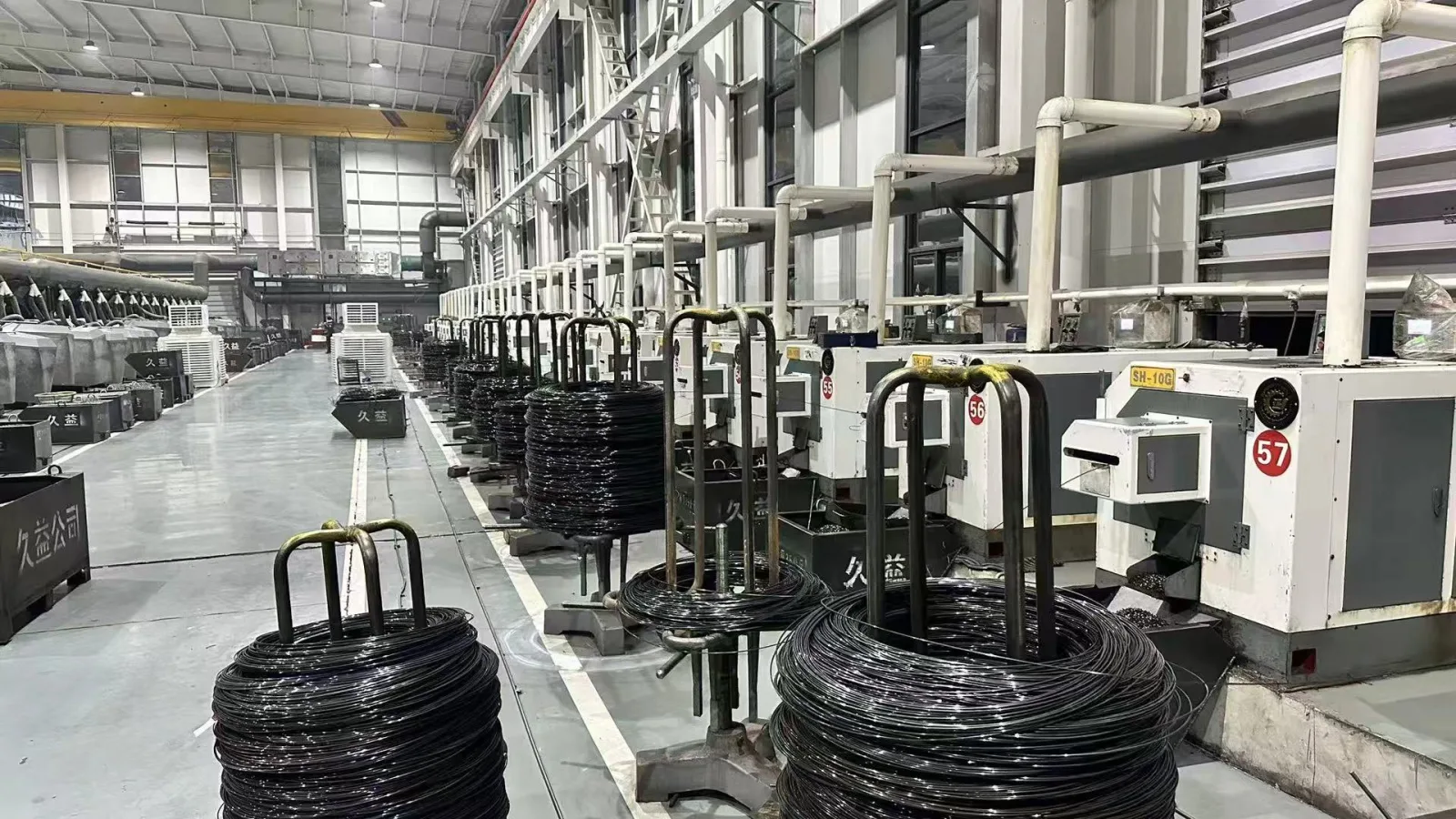
Emerging industries such as new energy vehicles, robotics, renewable energy, power equipment, and data centers are placing more complex demands on fasteners. Drawing customization, material traceability, automated inspection, and small-batch flexible production are becoming key supplier capabilities.
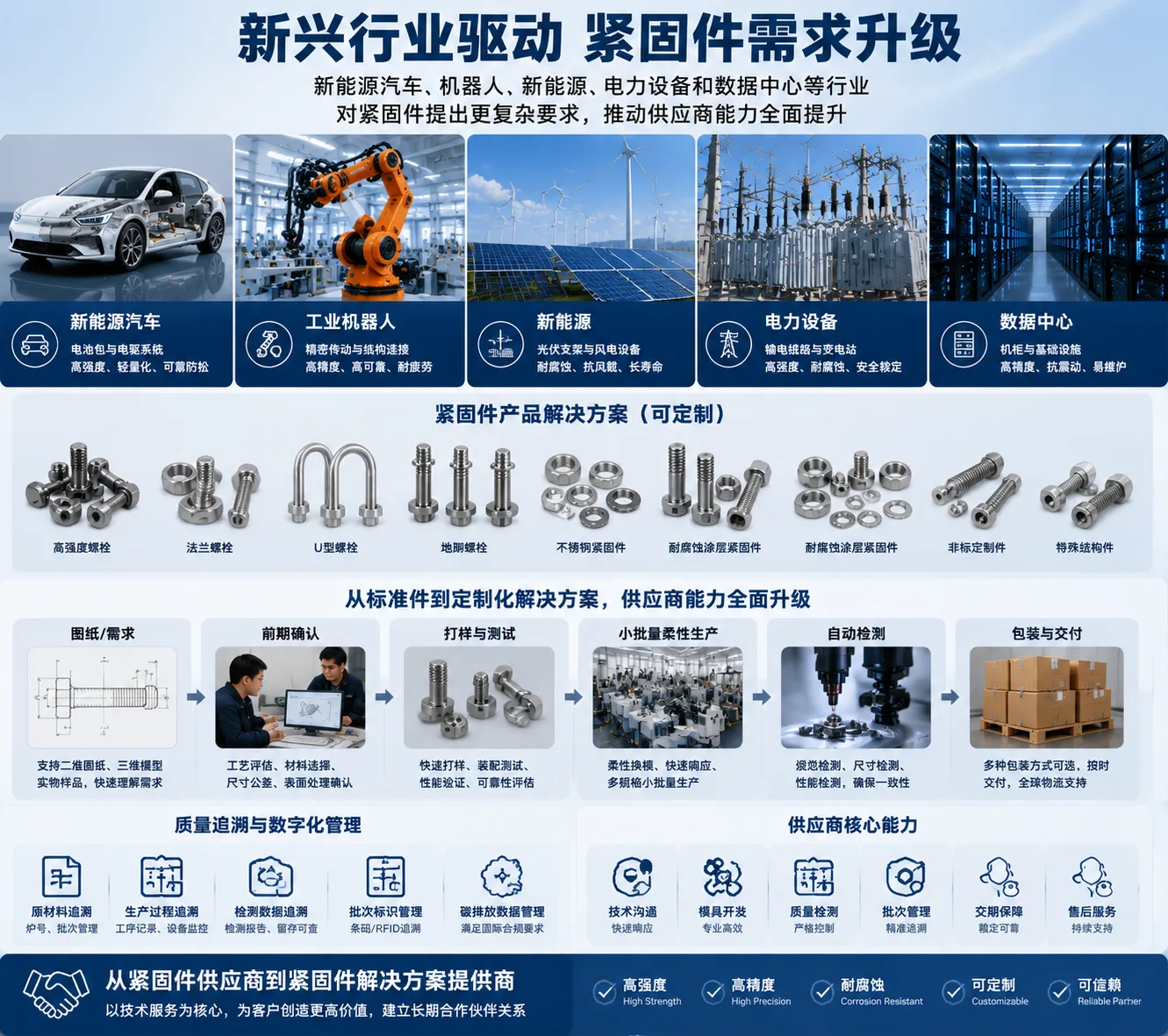
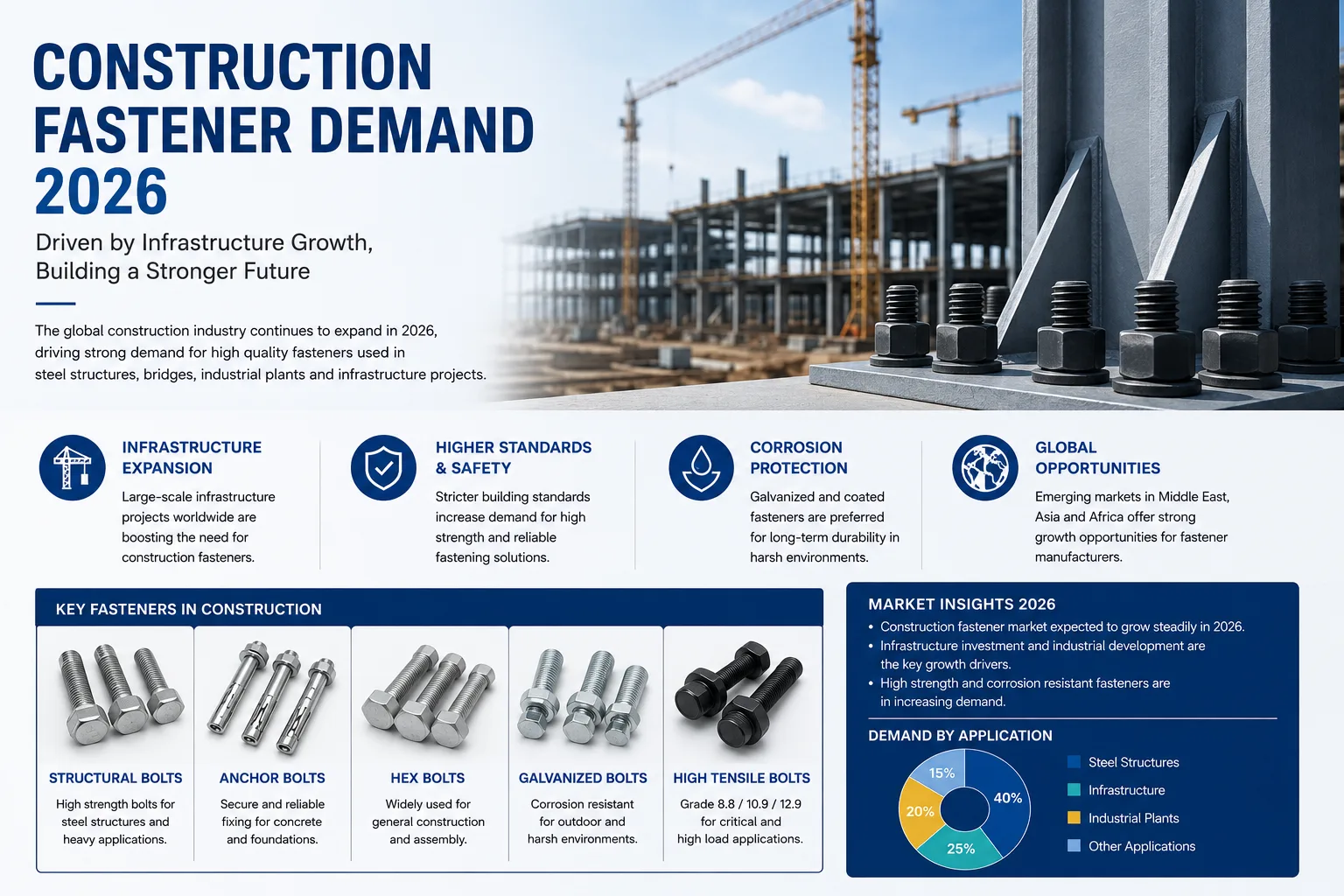
From 2024 to 2026, the downstream market for fasteners has seen significant changes. The continued growth of new energy vehicles, renewable energy, industrial robots, data centers, and manufacturing investments in Southeast Asia is driving customer demand from simple standard parts to high-strength, high-precision, corrosion-resistant, and customized products.
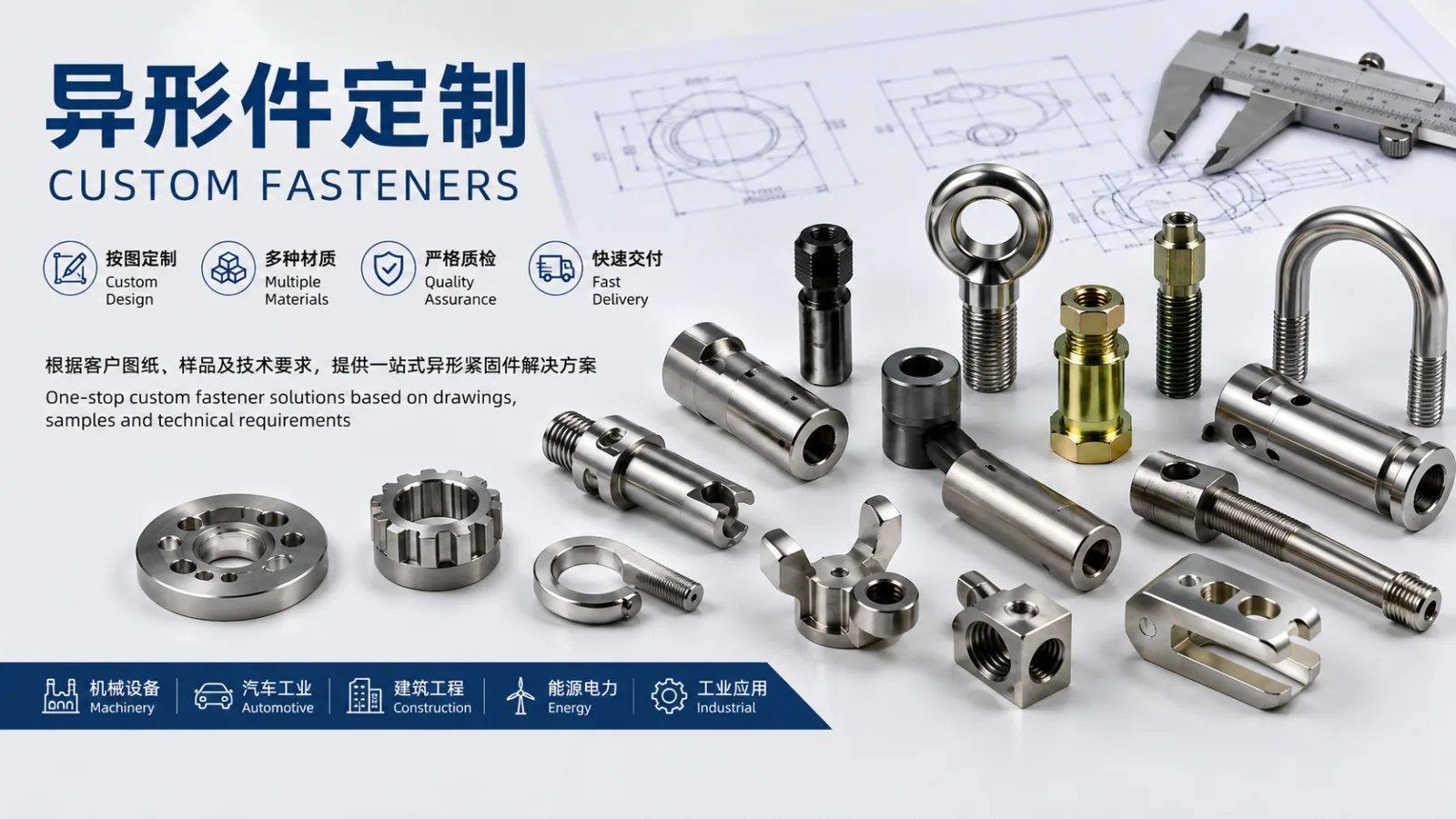
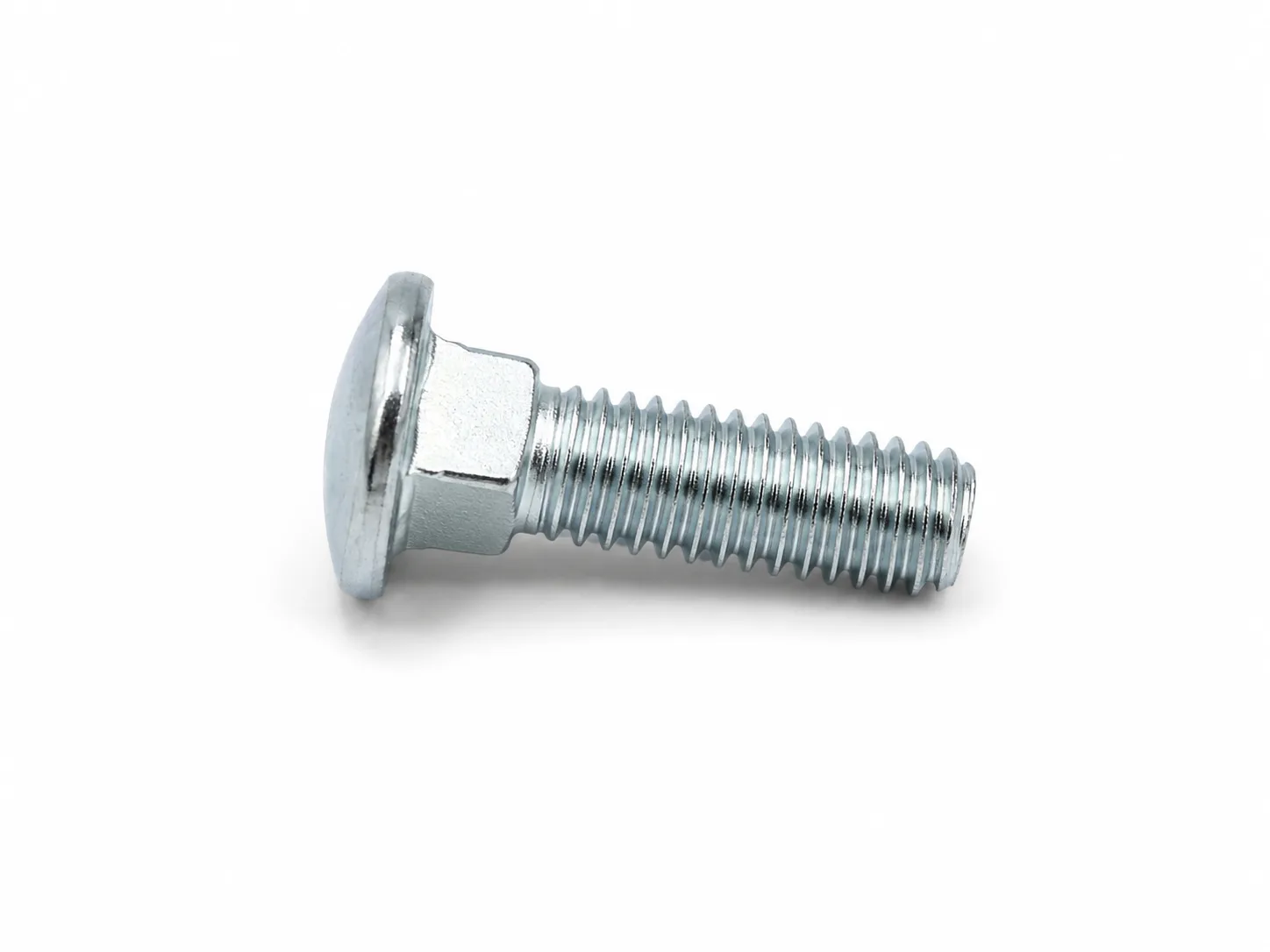
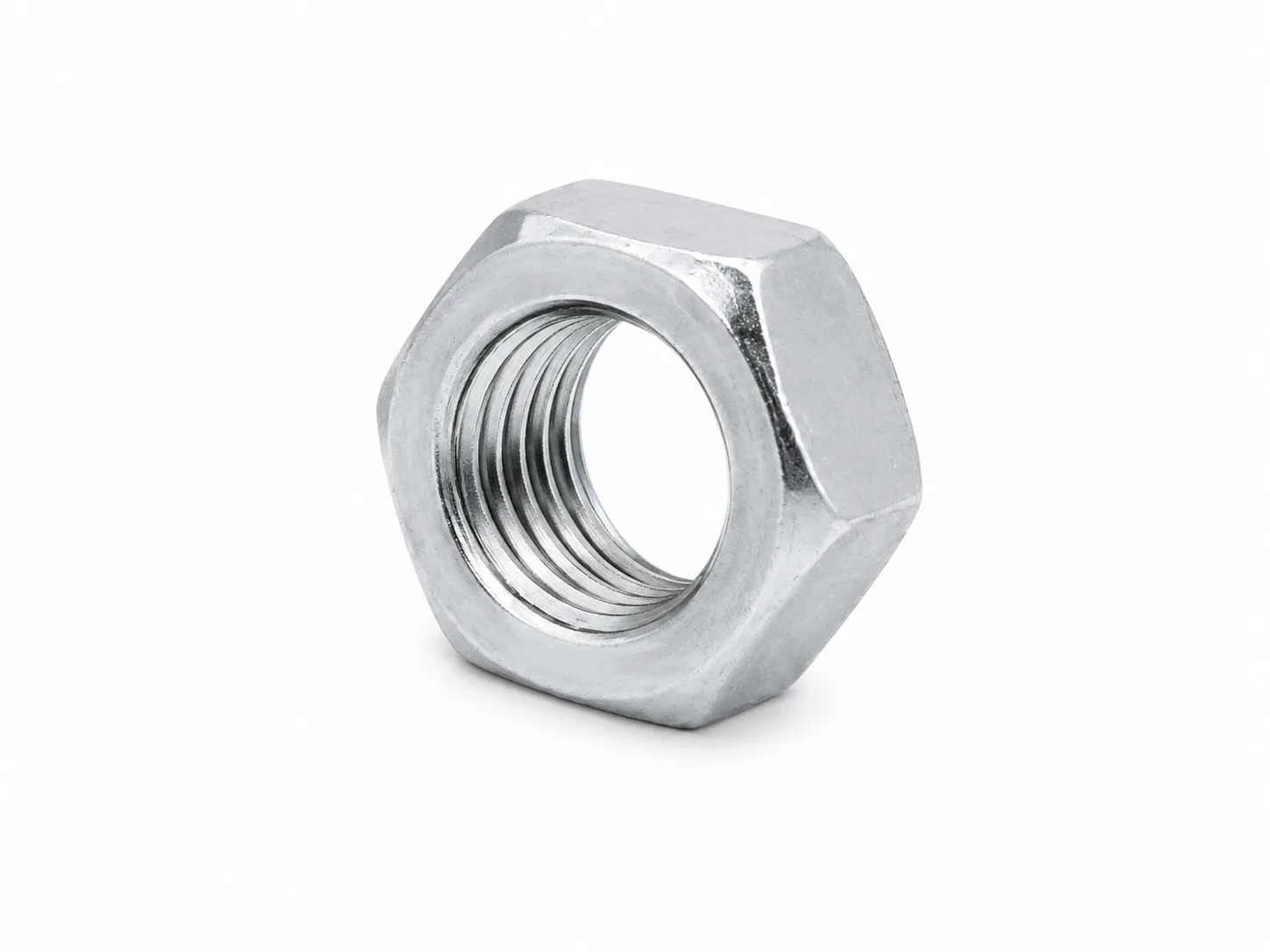
In the past, many fastener procurements focused mainly on standards, specifications, weight, and unit price. Customers provided DIN, ISO, or ANSI standards, and suppliers produced according to standard dimensions. Now, more and more customers directly provide 2D drawings, 3D models, or physical samples.
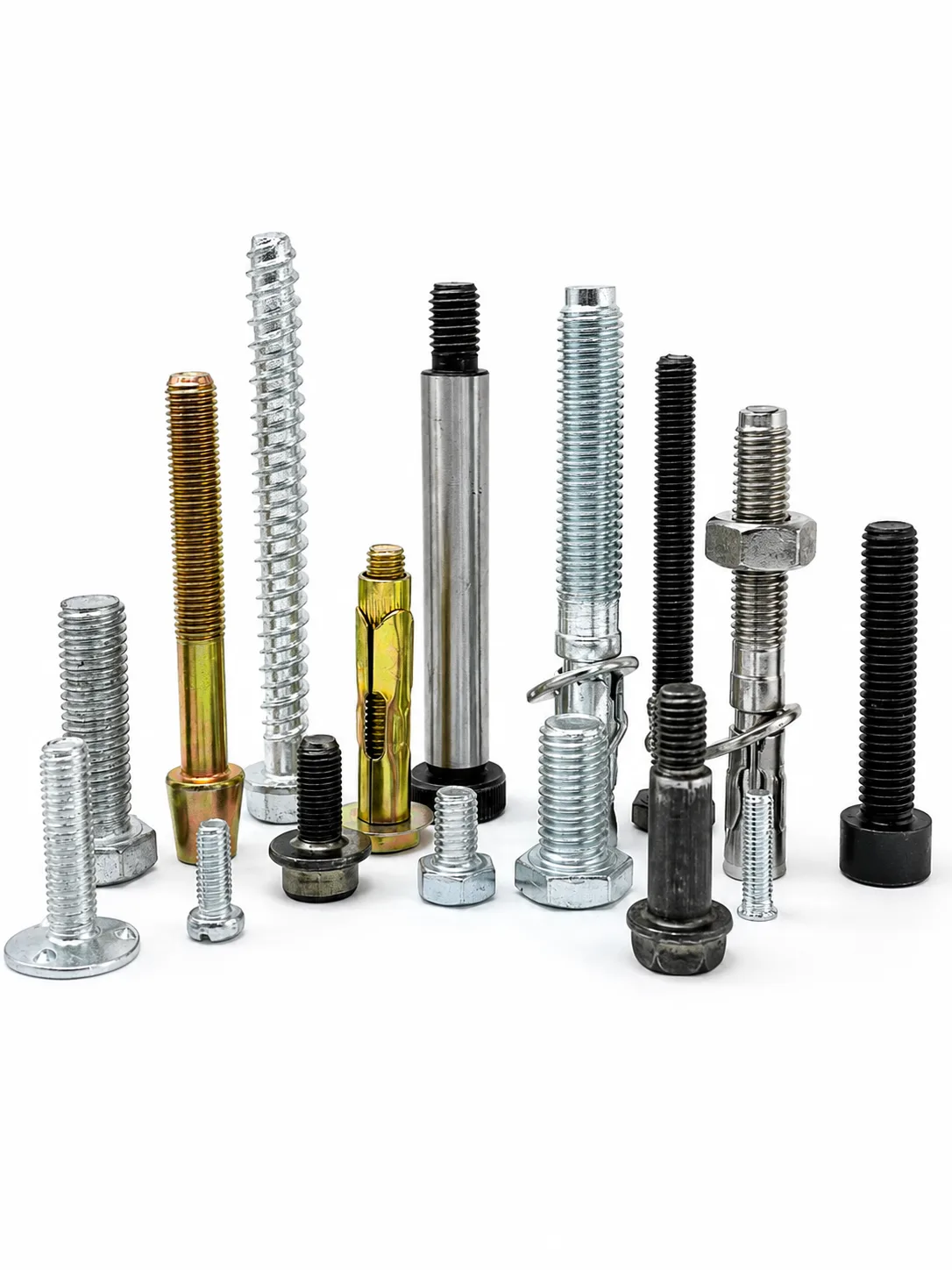
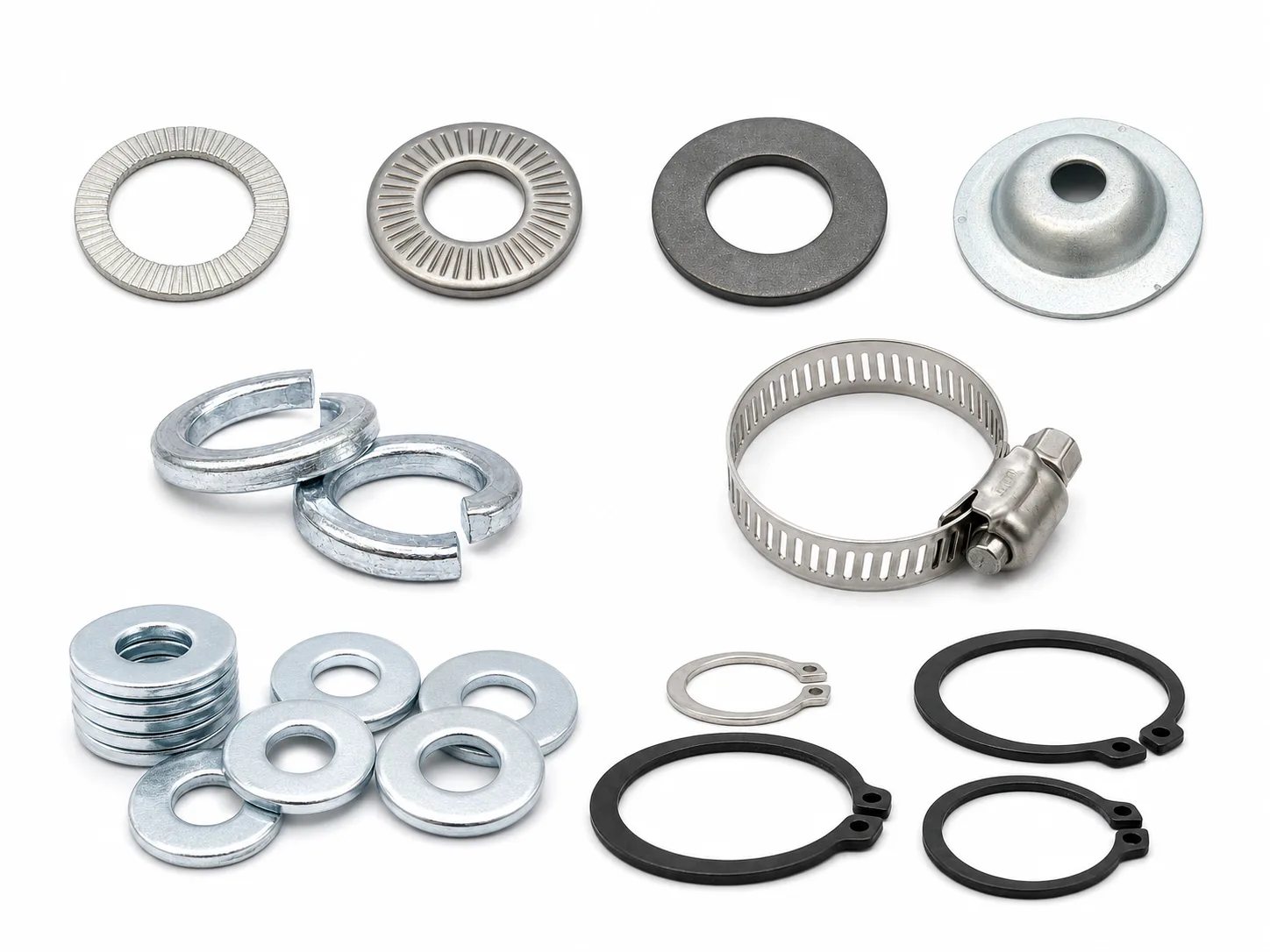
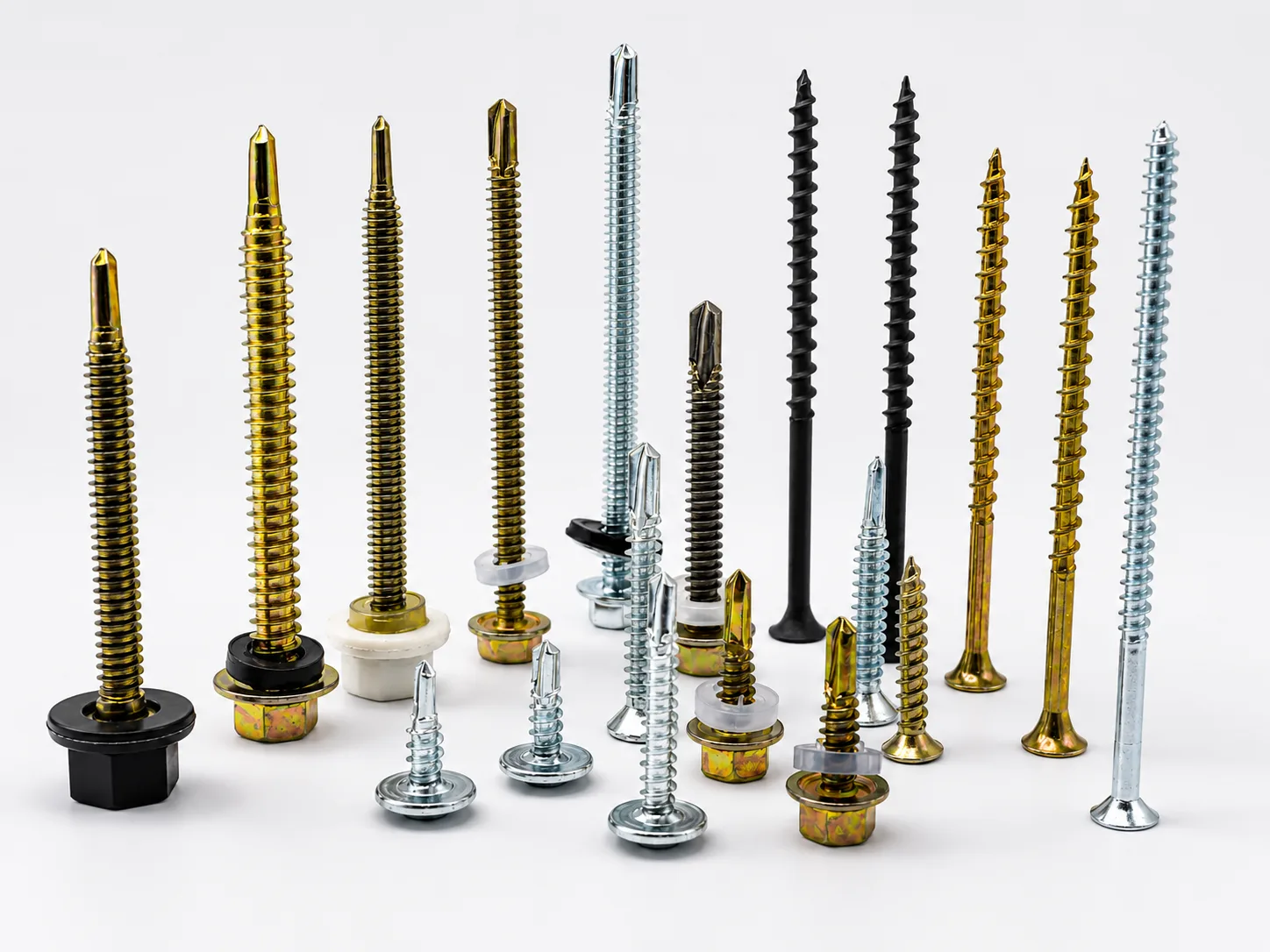
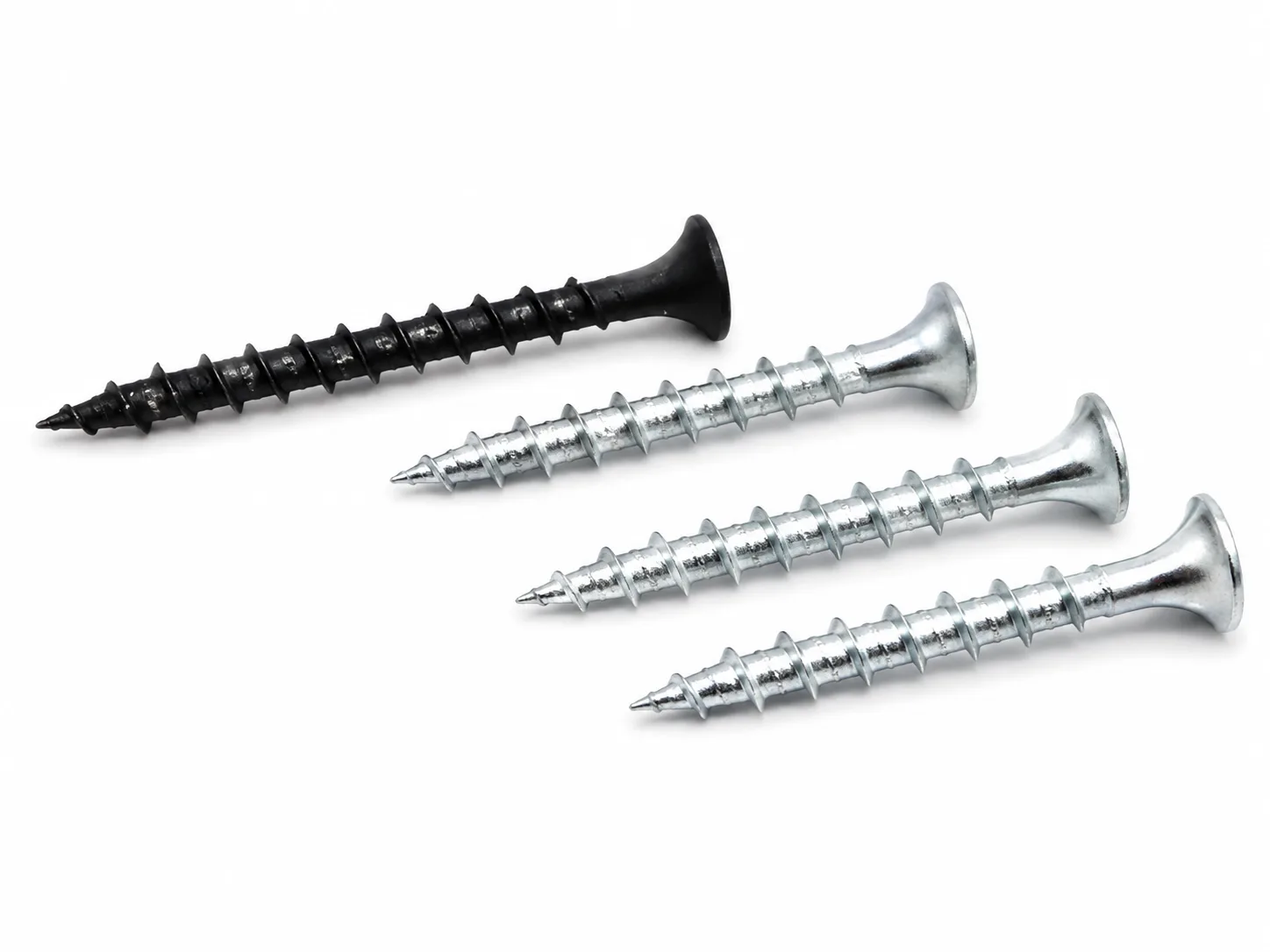
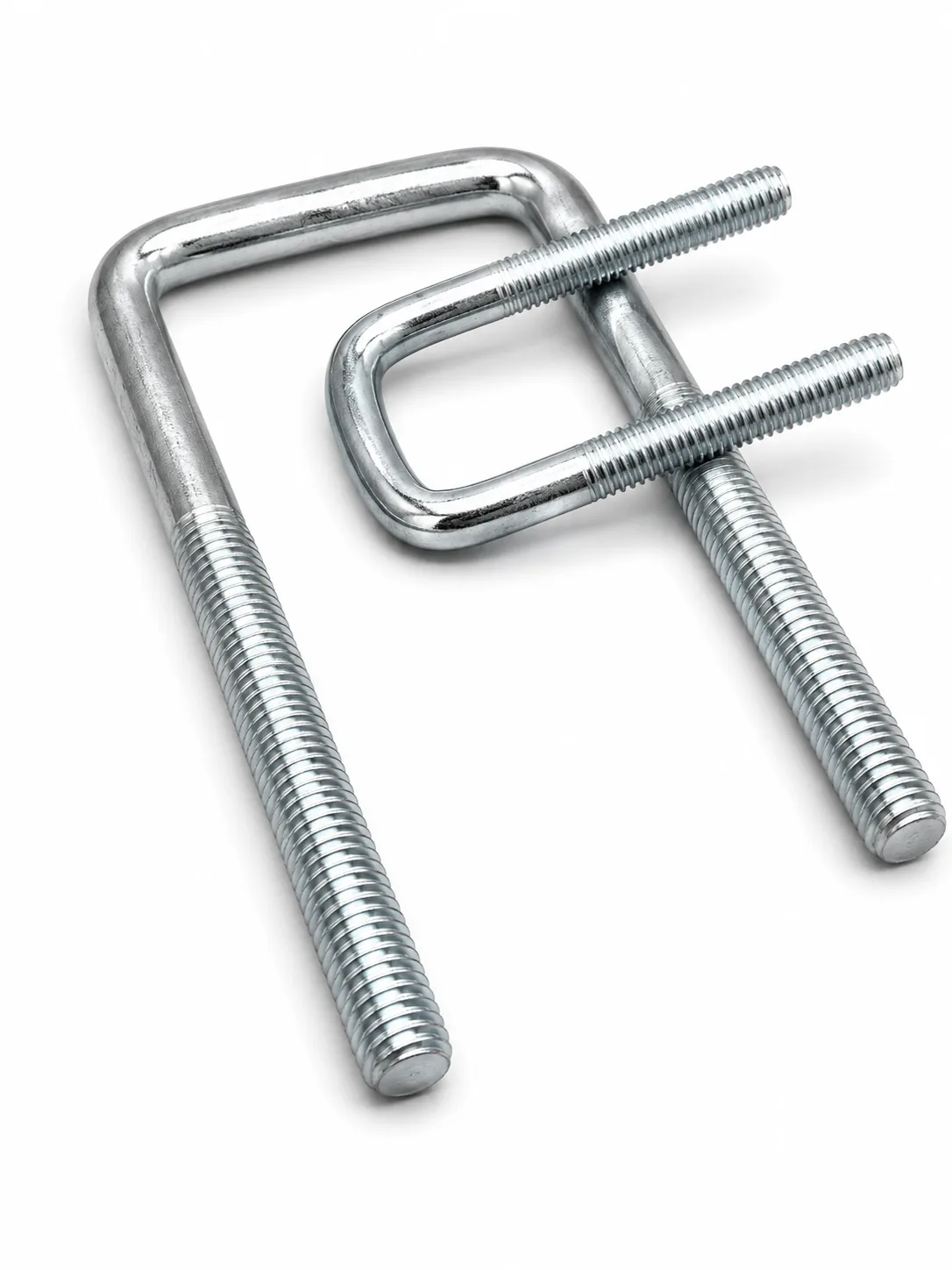
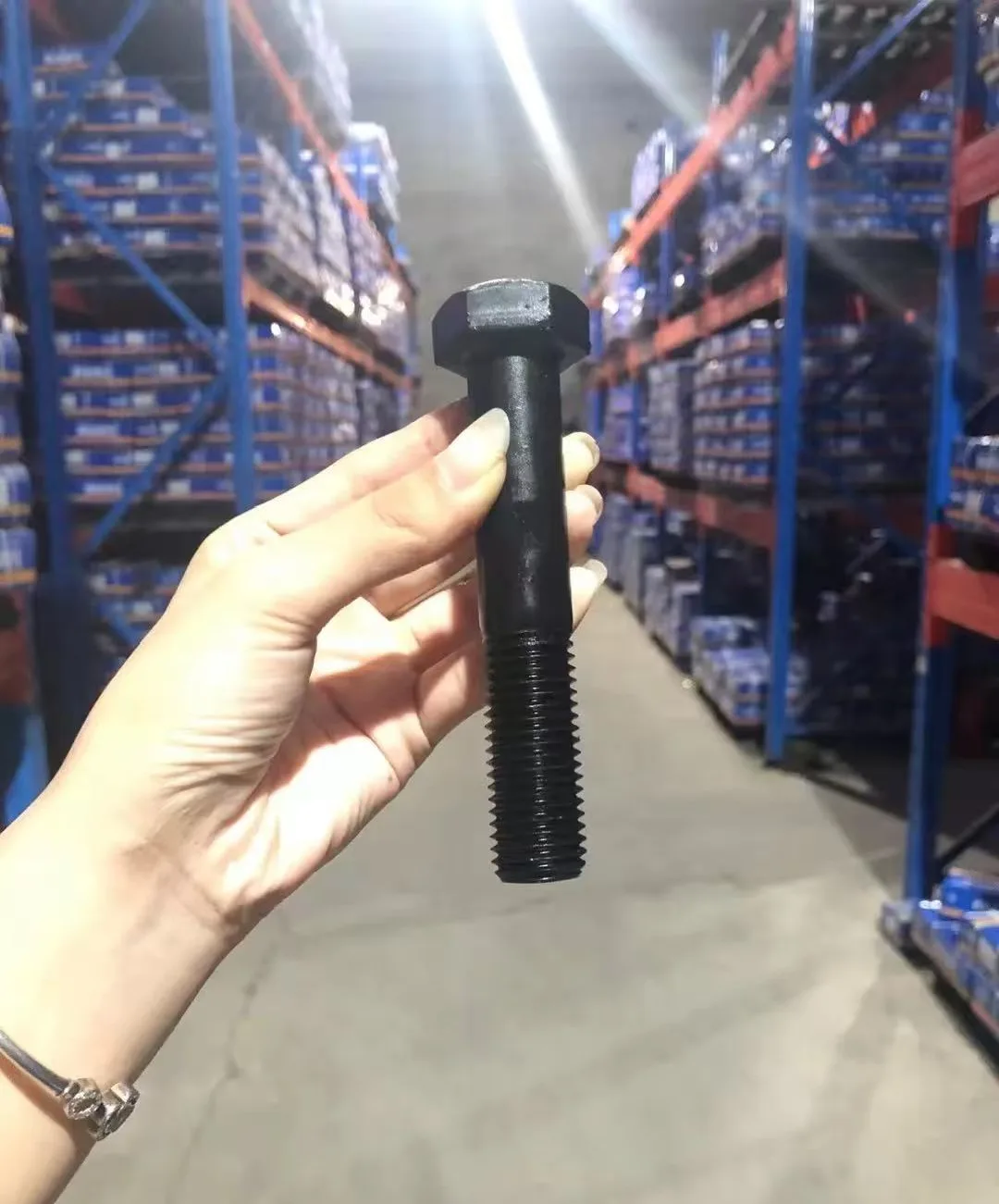
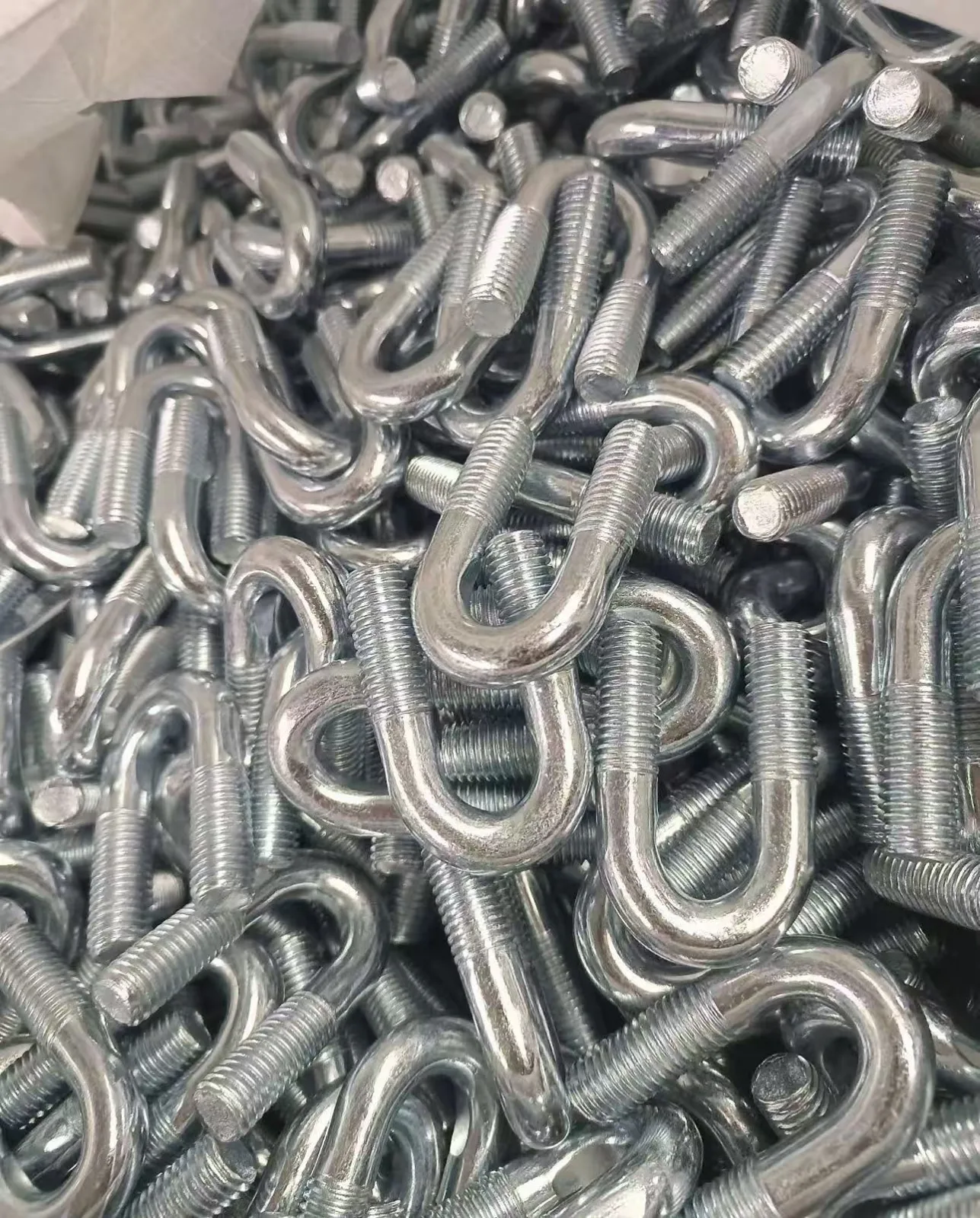
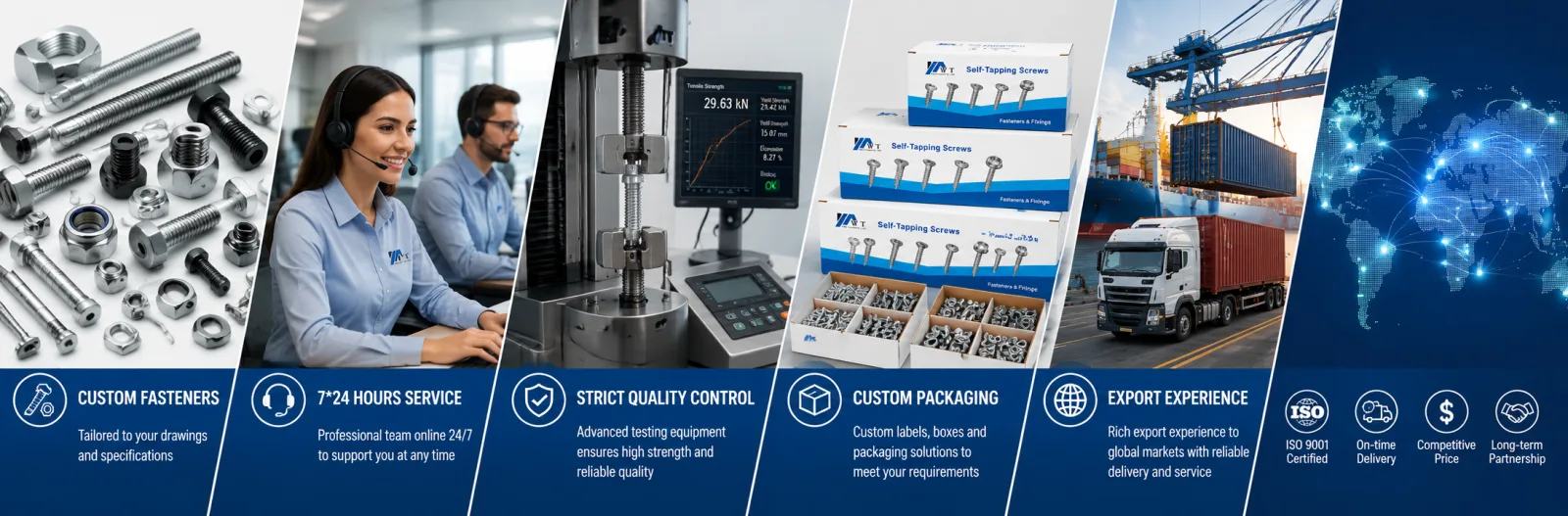
Custom non-standard content includes special lengths, special pitches, special heads, extended screws, special bends, combined structures, precision turning, and specialized surface treatments. Some customers also require branding, strength grades, or batch marks to be printed on the product head.
The difficulty of non-standard products lies not only in production but also in pre-confirmation. Suppliers need to understand the product's application, key dimensions, tolerances, materials, heat treatment, and assembly methods. A misunderstanding of one dimension in the drawing can render the entire batch unusable.
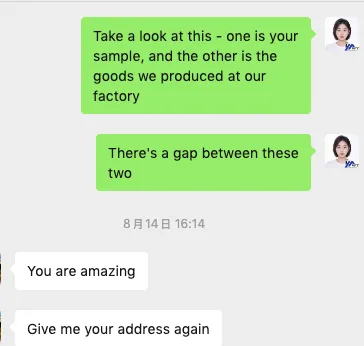
Sampling has become an important part of non-standard business. Factories typically need to produce a small number of samples first for customer installation testing. After sample confirmation, both parties can determine mass production standards. For customers in automotive, machinery, and automated production lines, the sample testing cycle may be longer than the production cycle.
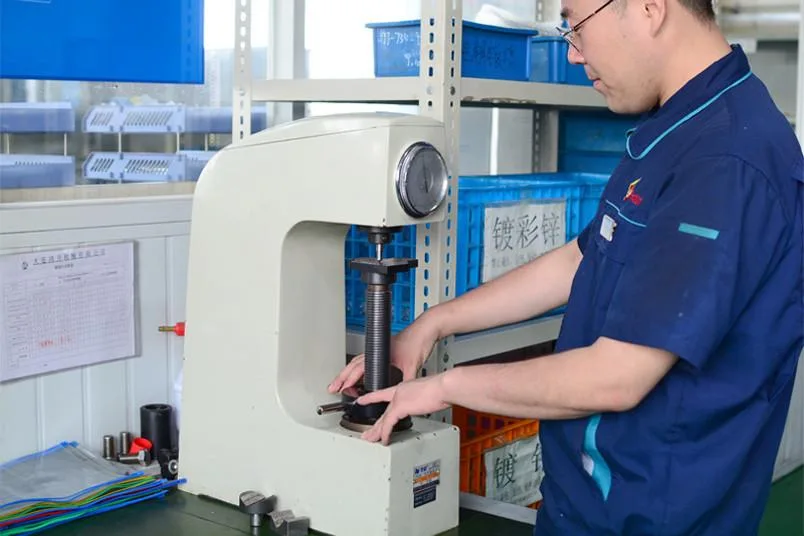
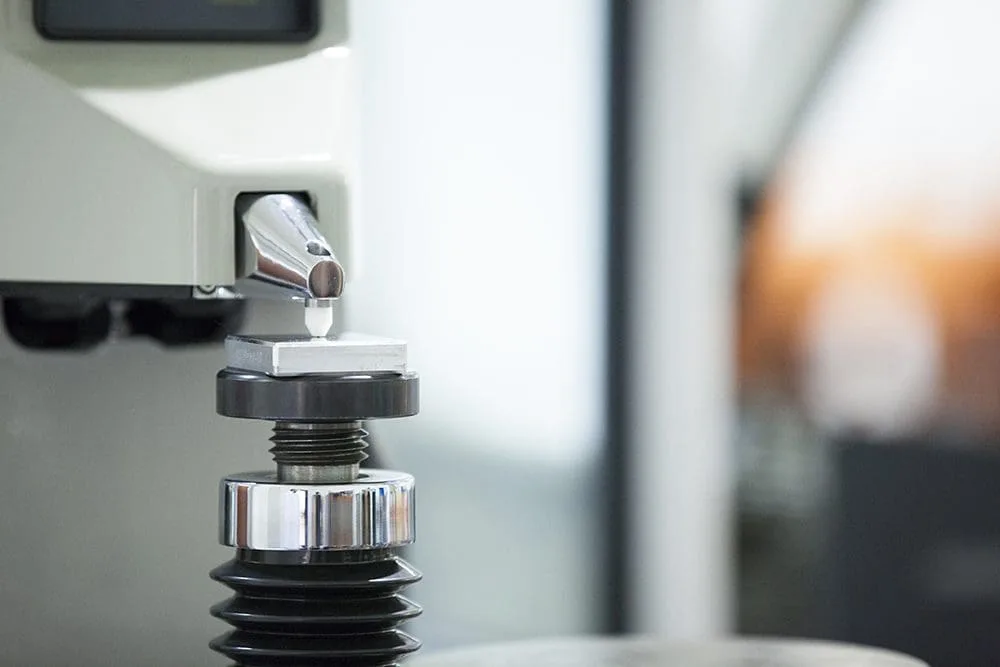
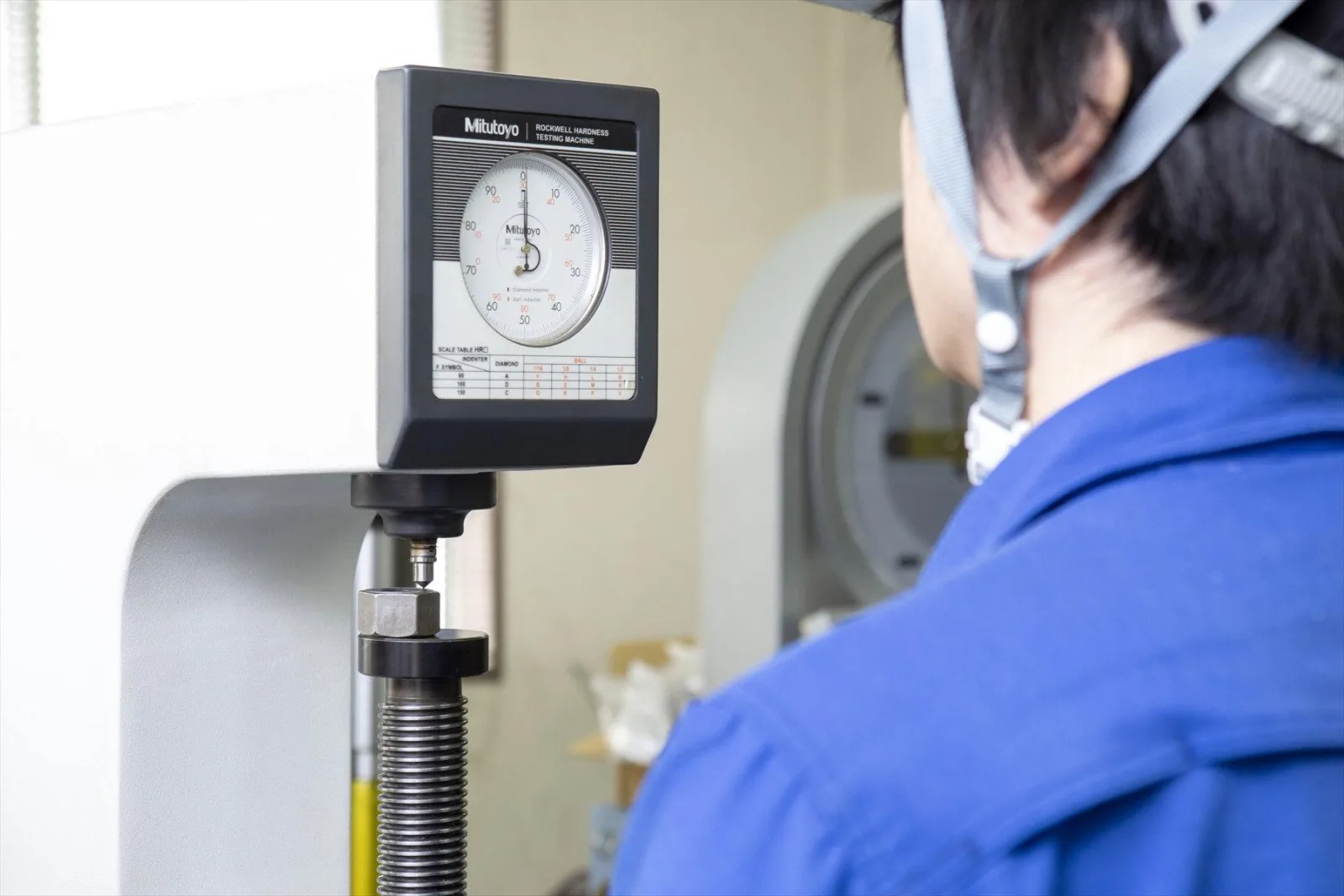
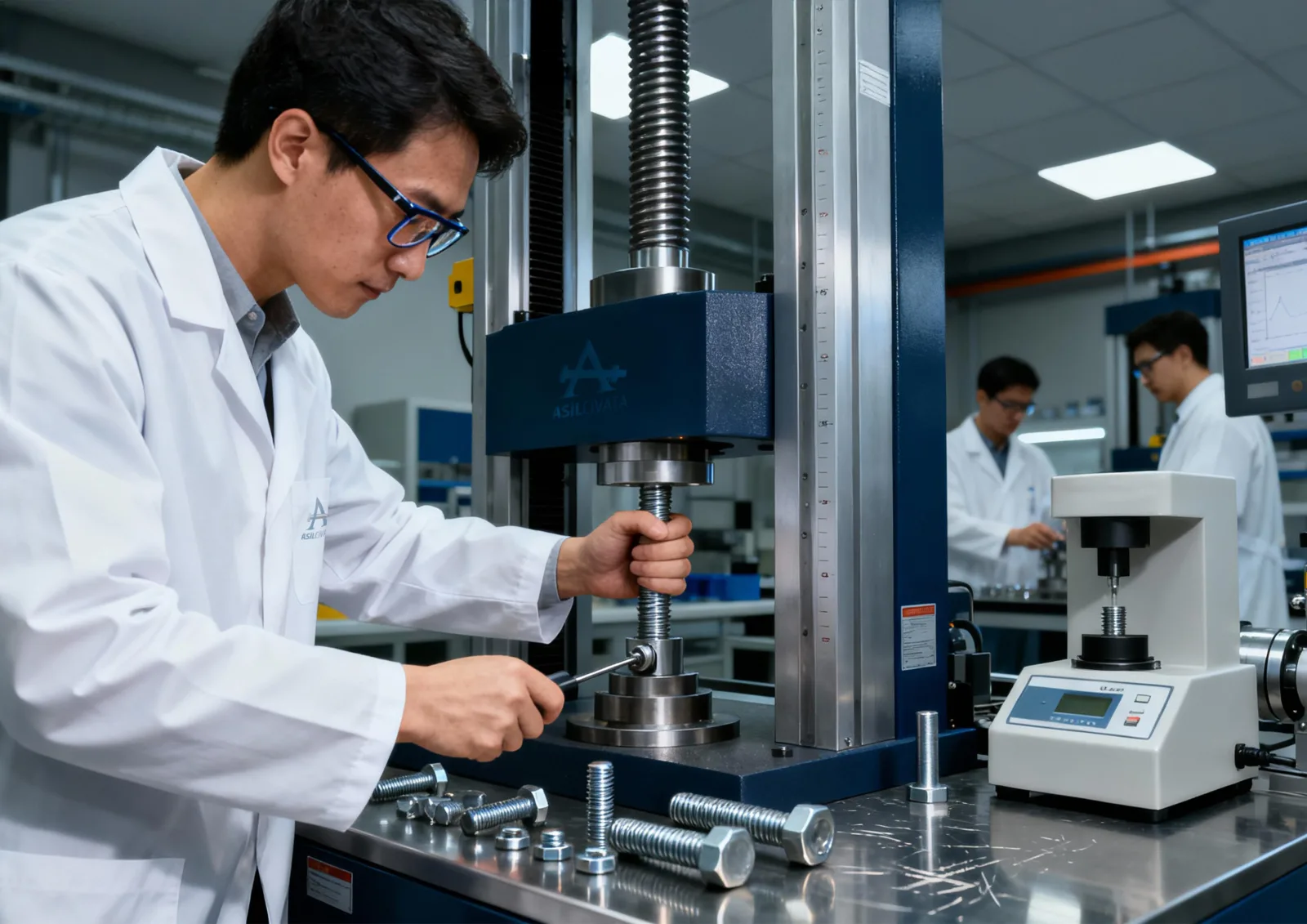
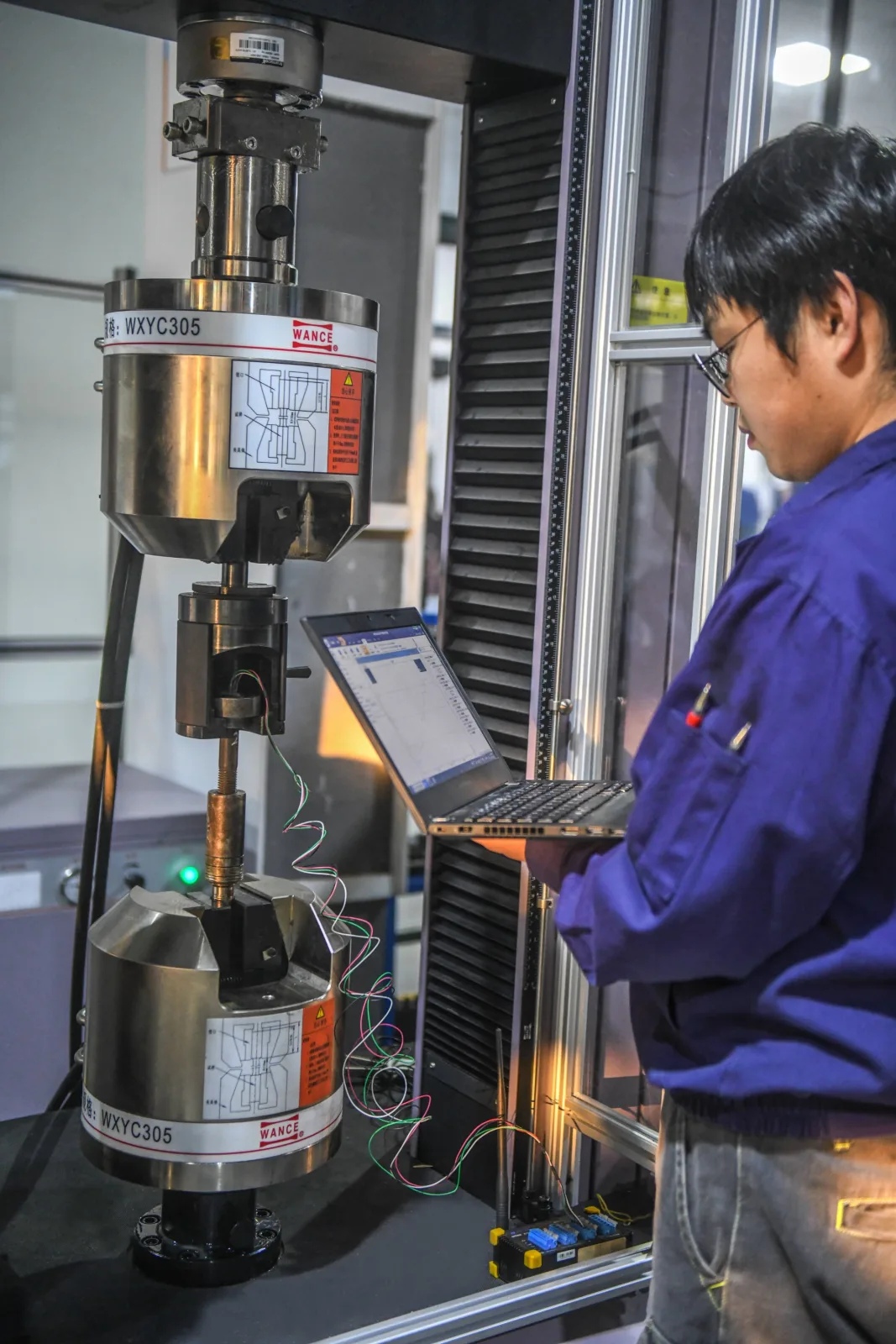
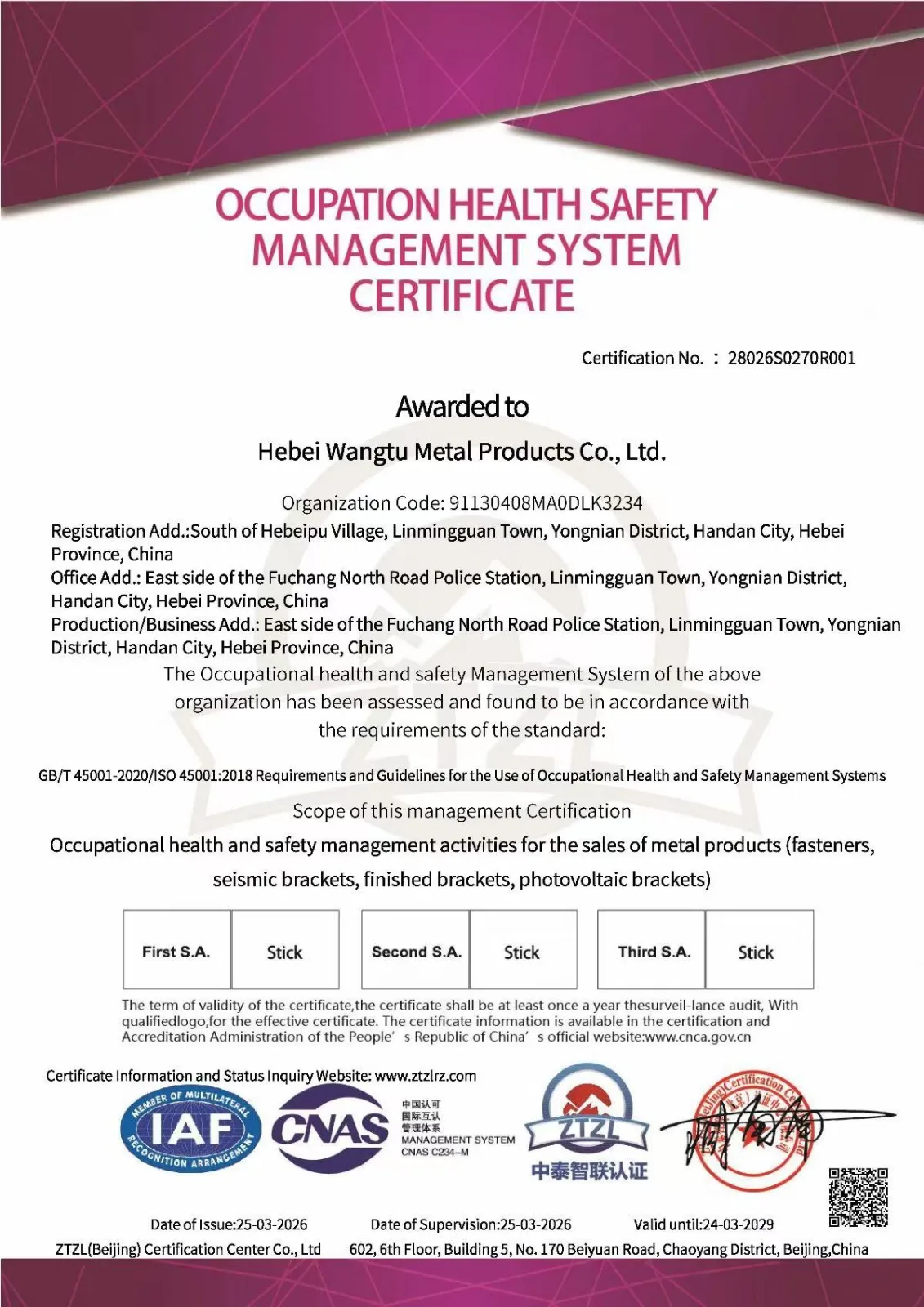
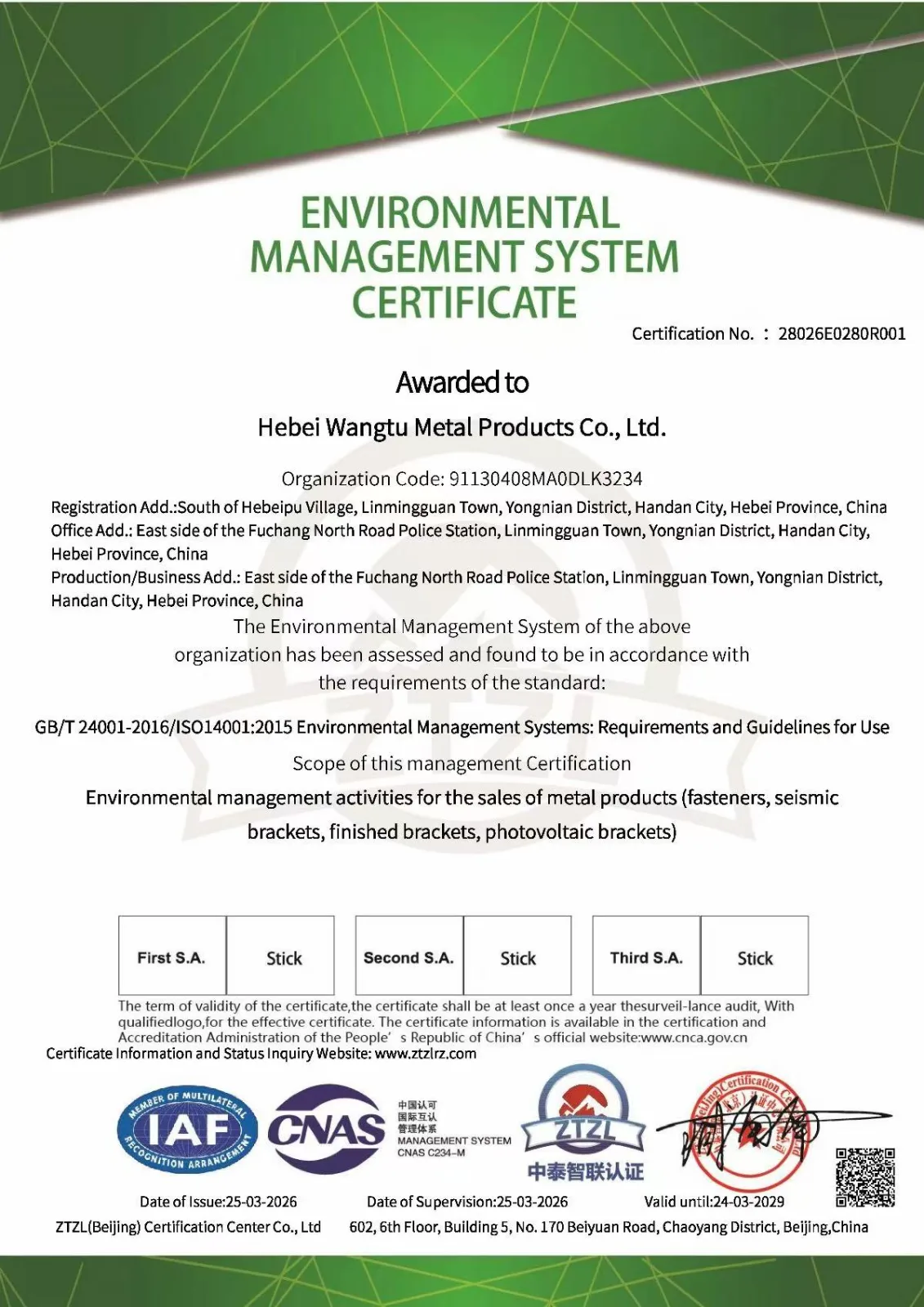
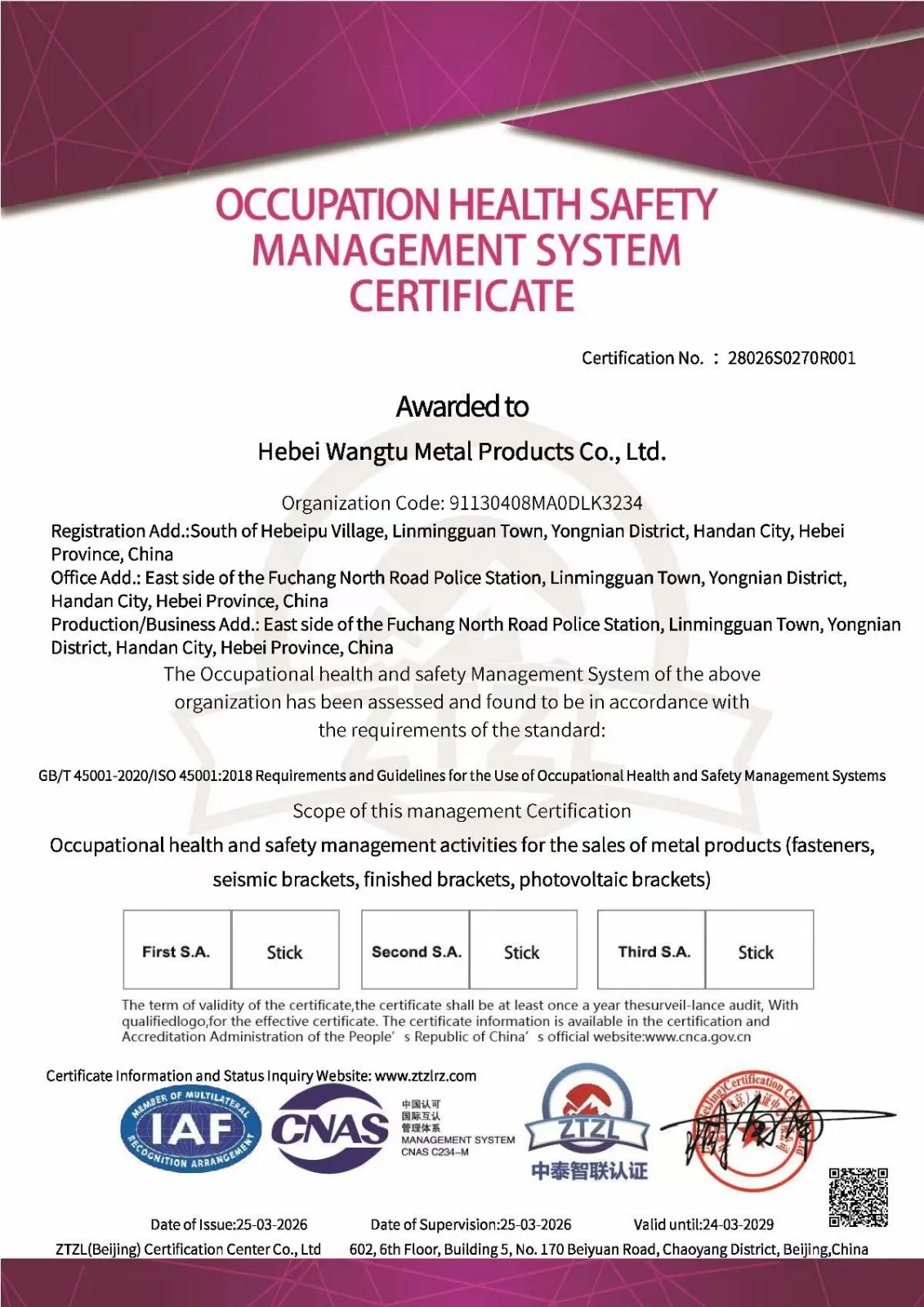
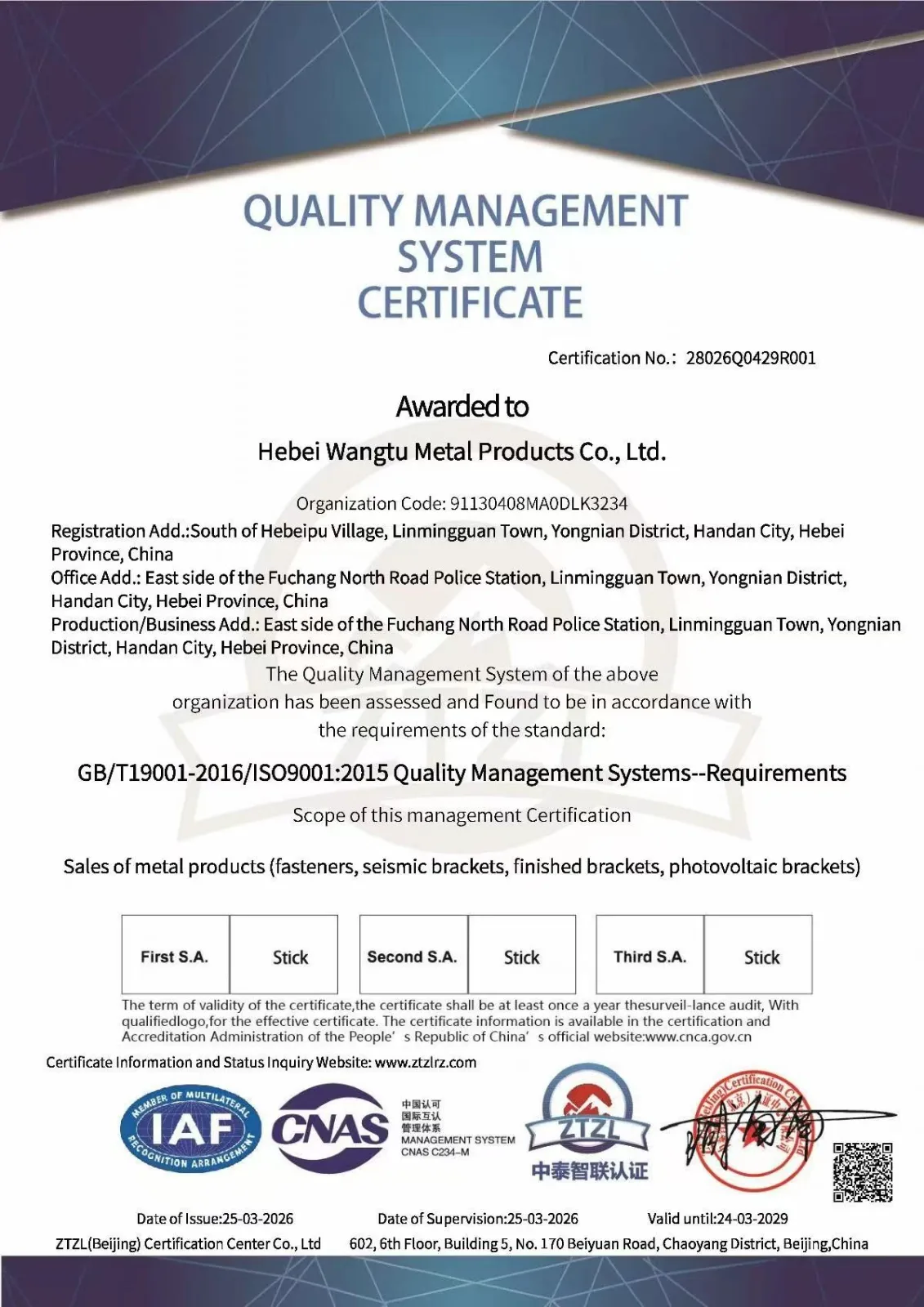
Quality traceability is also receiving more attention. Customers in new energy vehicles and industrial equipment may require suppliers to record raw material heat numbers, heat treatment batches, inspection results, and surface treatment batches. Carbon management requirements in the European market further drive companies to improve material and production information.
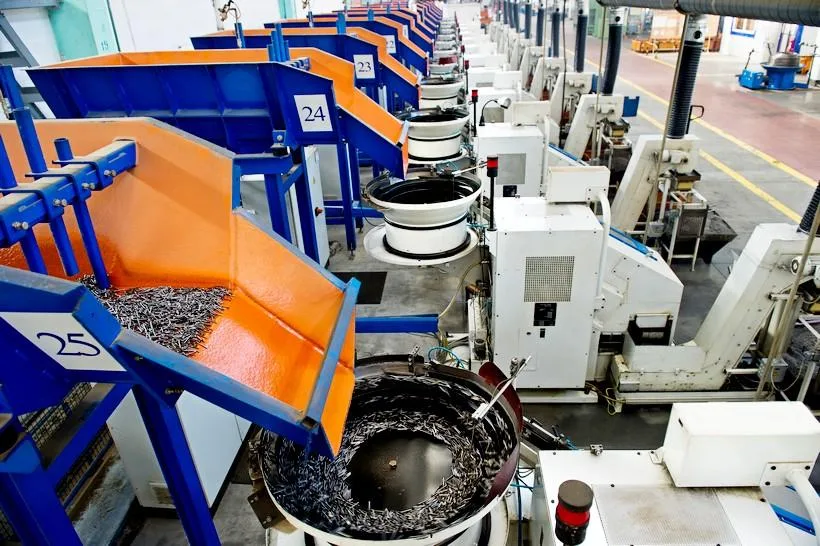
Automated visual inspection, digital order management, and batch identification can help companies improve traceability efficiency. According to the International Federation of Robotics, global industrial robot installations remain high, and manufacturing automation is expanding to more industries.
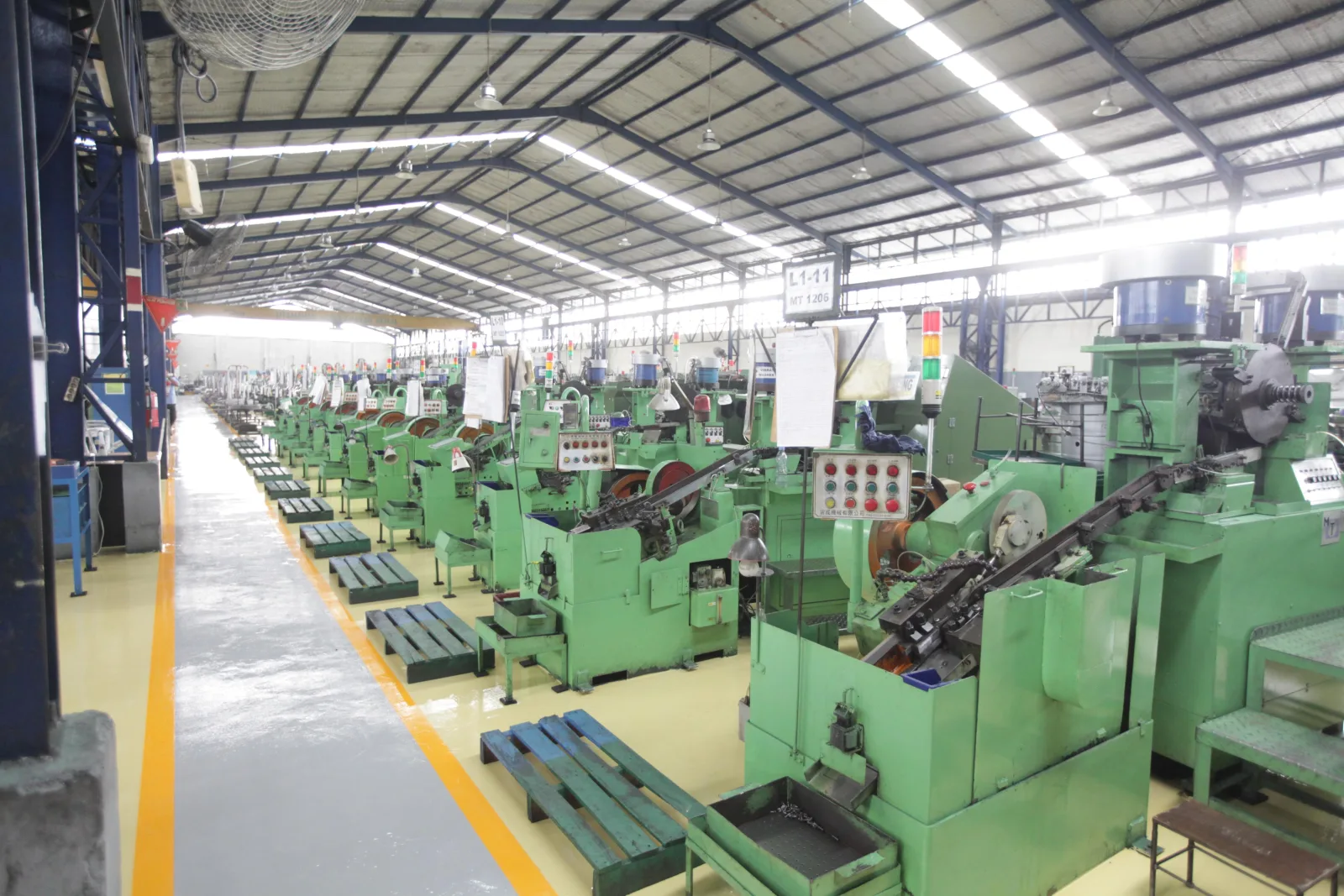
Small-batch, multi-specification orders are also becoming more common. Some overseas customers only purchase small quantities for initial cooperation, hoping to test quality and market response first. Traditional mass production models may not suit this demand, and companies need to increase flexibility in mold changes, production scheduling, and packaging.
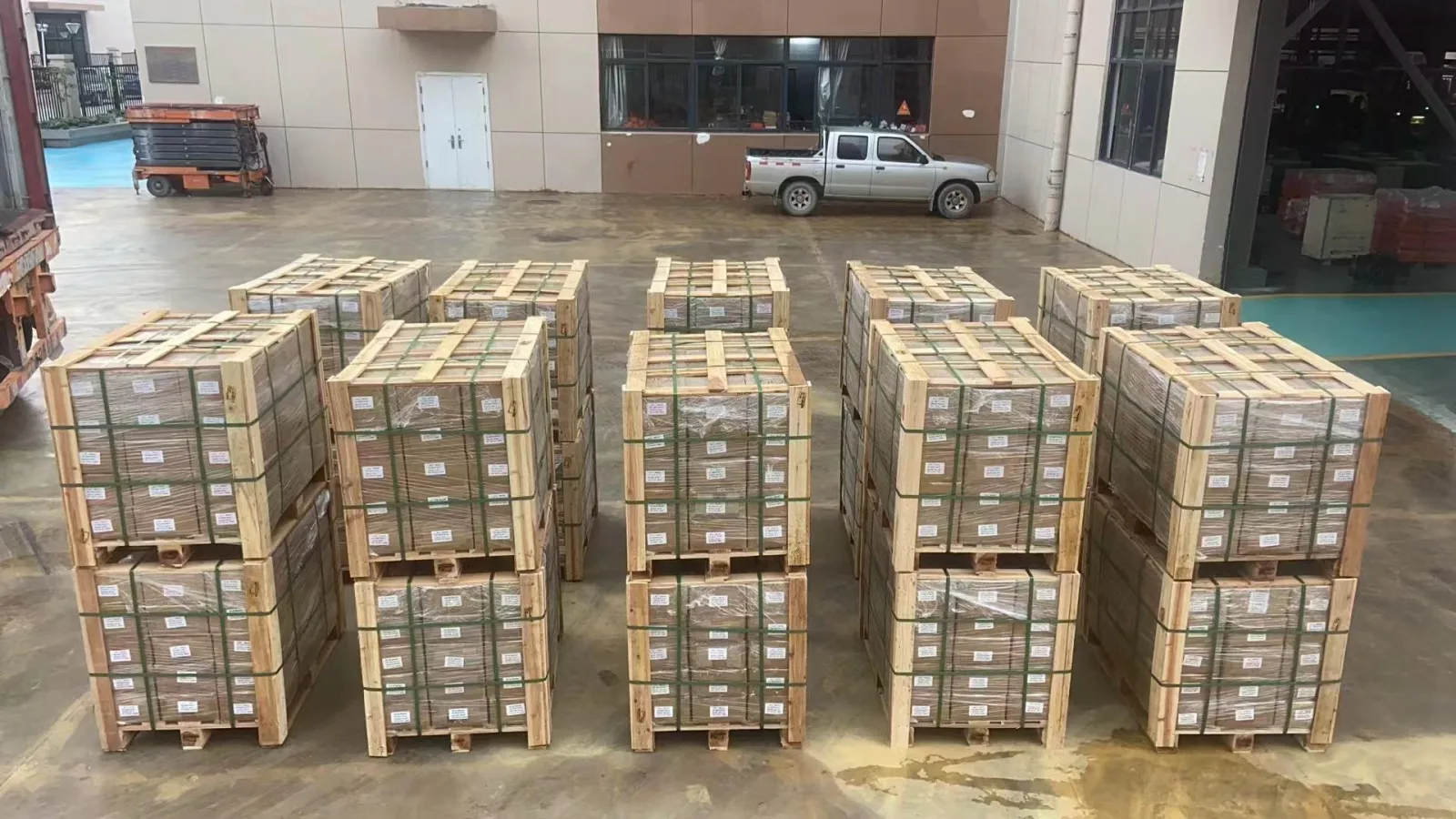
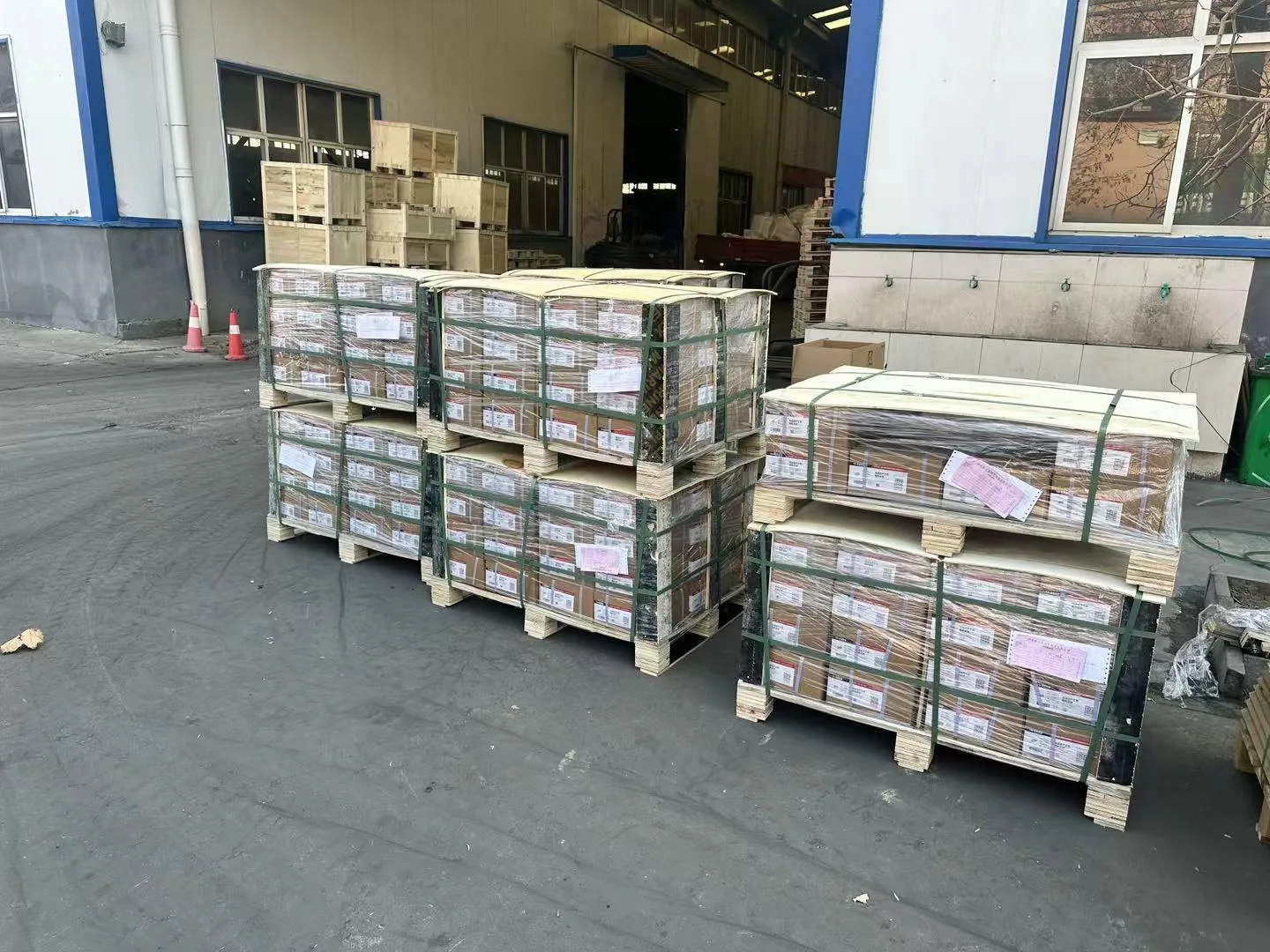
Packaging is also part of customized services. Customers may require bagging, bulk, small boxes, transparent plastic bags, branded cartons, barcode labels, or pallet packaging. Suppliers need to confirm packaging materials, weight per box, and labor costs before quoting.
In the future, competition among fastener companies will not only depend on output. Companies that can quickly understand customer needs, accurately confirm drawings, produce stably, provide inspection data, and deliver on time will gain more high-value-added orders.
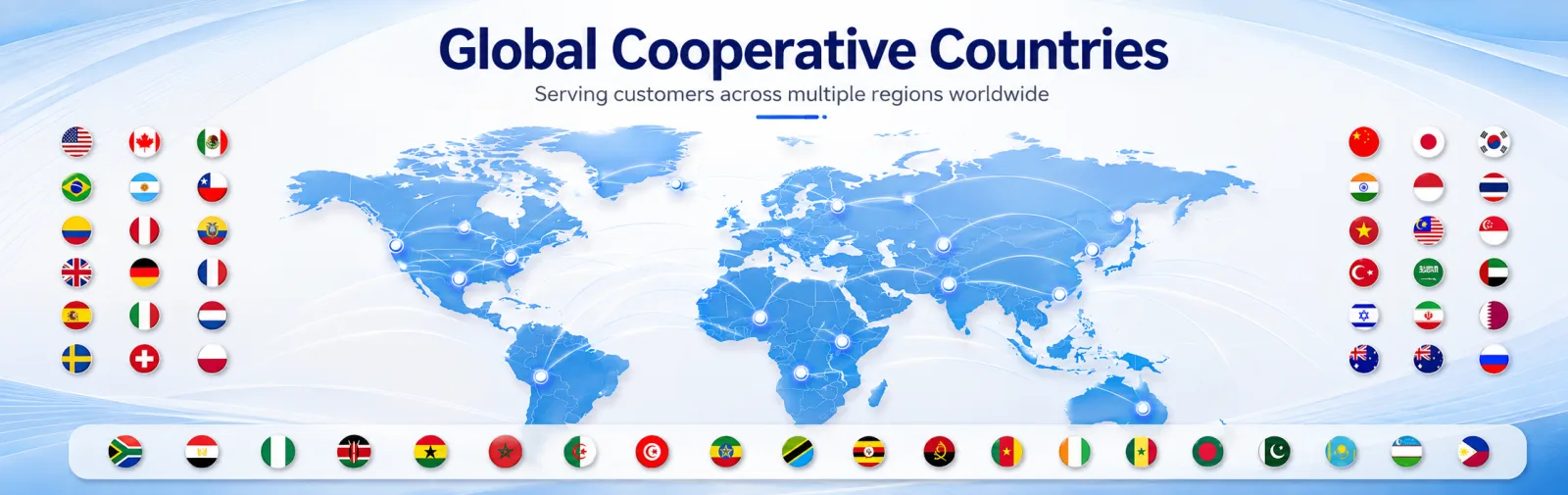
For overseas buyers, when selecting non-standard fastener suppliers, they should not only compare sample prices. They should also pay attention to whether the supplier has capabilities in technical communication, mold development, quality inspection, batch management, and anomaly handling.
Upgrading from ordinary standard parts suppliers to fastener solution providers is an important direction for the industry's future. Standard products remain the market foundation, but non-standard customization, quality traceability, and technical services will be key to building long-term customer relationships.