EU CBAM for Fasteners in 2026: New Guidance for Non-EU Manufacturers
Updated EU CBAM guidance covers monitoring, embedded-emissions calculations, verification, and Registry steps for non-EU steel fastener suppliers.
Updated 3 September 2026. The European Commission published new implementation guidance in August for operators outside the EU, CBAM verifiers, accreditation bodies, and Registry users. This update adds the practical steps that steel fastener suppliers should discuss with their EU customers. It is general information, not legal or customs advice.
August 2026 Official Guidance
On 14 August, the Commission released ten guidance documents for the definitive CBAM period. They cover core concepts, a quick guide for non-EU operators, embedded-emissions calculations, free-allocation adjustments, and sector guidance for iron and steel and the other CBAM sectors.
On 24 August, the Commission published guidance on verification and accreditation. It explains the roles of accredited verifiers and national accreditation bodies for emissions reports covering goods imported from 1 January 2026. The Commission states that accredited verifiers can begin issuing verification reports in the Registry in January 2027.
The Registry page added verifier access and registration guidance dated 28 August. Non-EU installation operators can use the O3CI module to upload installation and emissions data and share it with declarants. Operators and verifiers use the same portal for different roles: the operator supplies data and supporting evidence, while the verifier performs an independent review.
What a Fastener Supplier Should Prepare
- The manufacturing installation and legal entity responsible for production.
- The product description and the CN code confirmed by the importer or customs adviser.
- Steel input and supplier records, including the supporting material documents available for the order.
- Production quantities, product weights, and a documented method for allocating emissions.
- Energy, fuel, process, heat-treatment, coating, and subcontracting records relevant to the calculation.
- A monitoring plan, calculation files, source evidence, and an internal review trail.
- A clear owner and deadline for exchanging data with the importer and, where required, an accredited verifier.
A material certificate supports quality and traceability, but it does not by itself provide the embedded-emissions calculation required for CBAM. Buyers should confirm the requested data format before production begins.
Why Batch-Level Traceability Matters
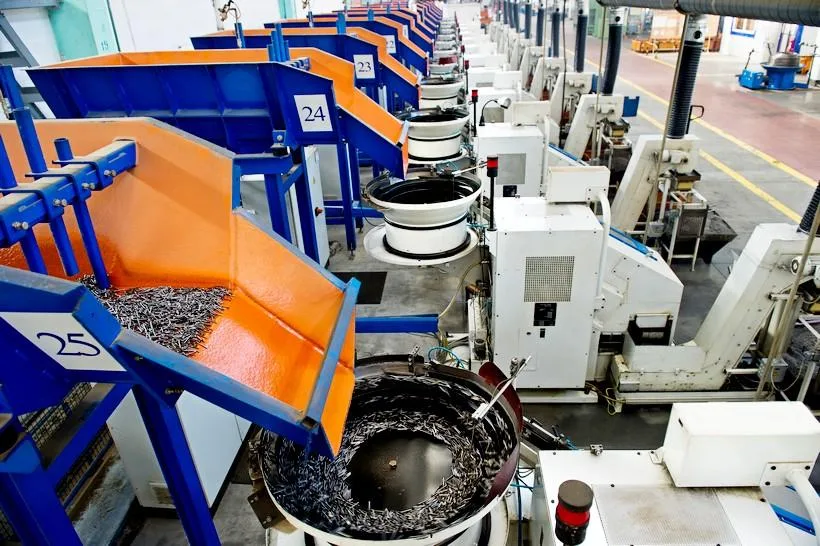
Fasteners with the same commercial description may follow different production routes. The steel batch, manufacturing installation, heat-treatment provider, coating supplier, product weight, and shipment quantity should connect to one order file. This makes it easier for the importer and verifier to see which evidence supports the reported data.
Buyer-Facing Checklist
- Confirm the product description, material, grade, dimensions, and net weight.
- Ask the importer to confirm the customs classification.
- Identify the manufacturing and subcontracting sites involved.
- Agree whether actual or default emissions values will be used.
- Agree the documentation format, responsible person, and submission date.
- Confirm whether independent verification is required.
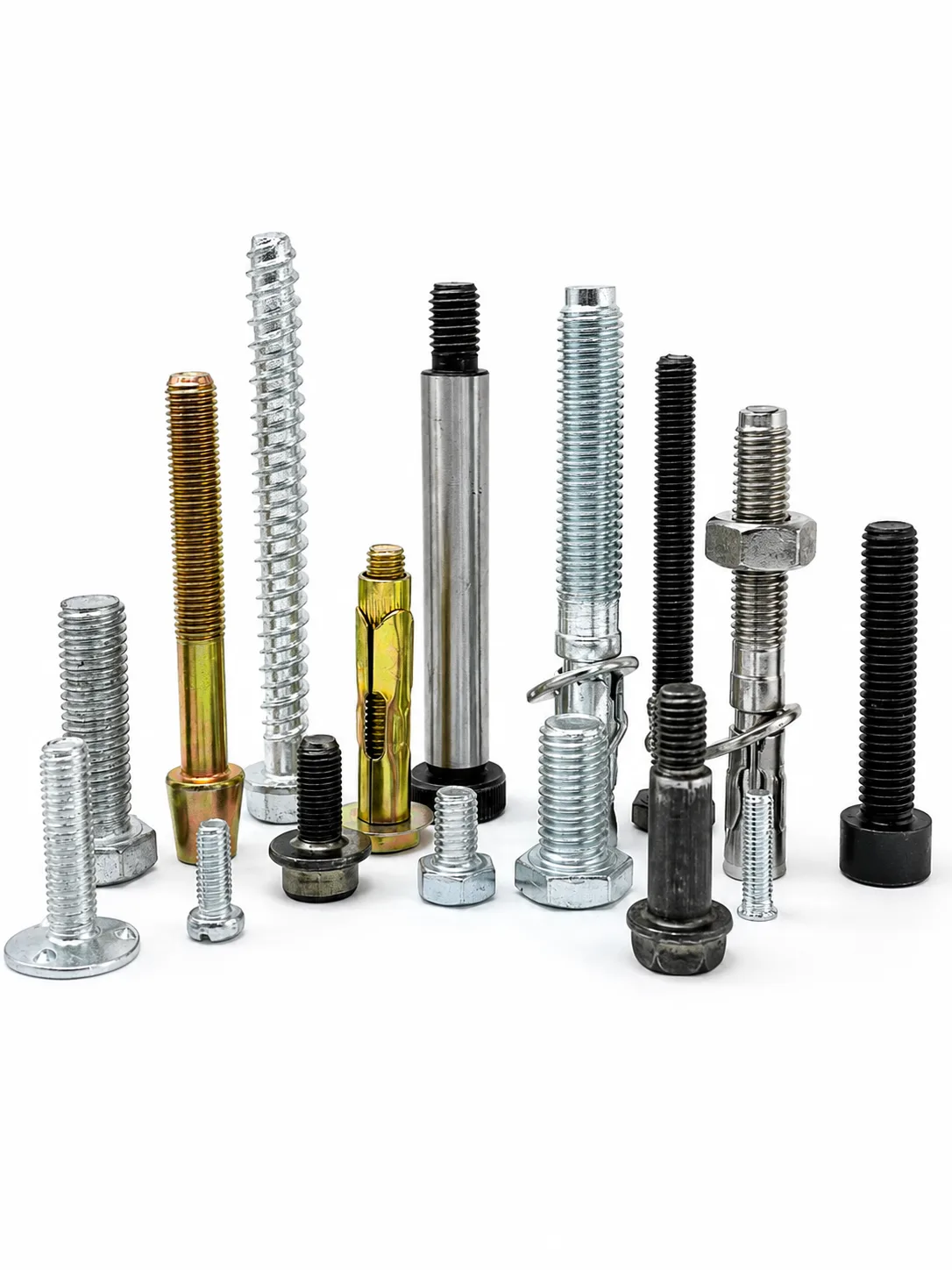
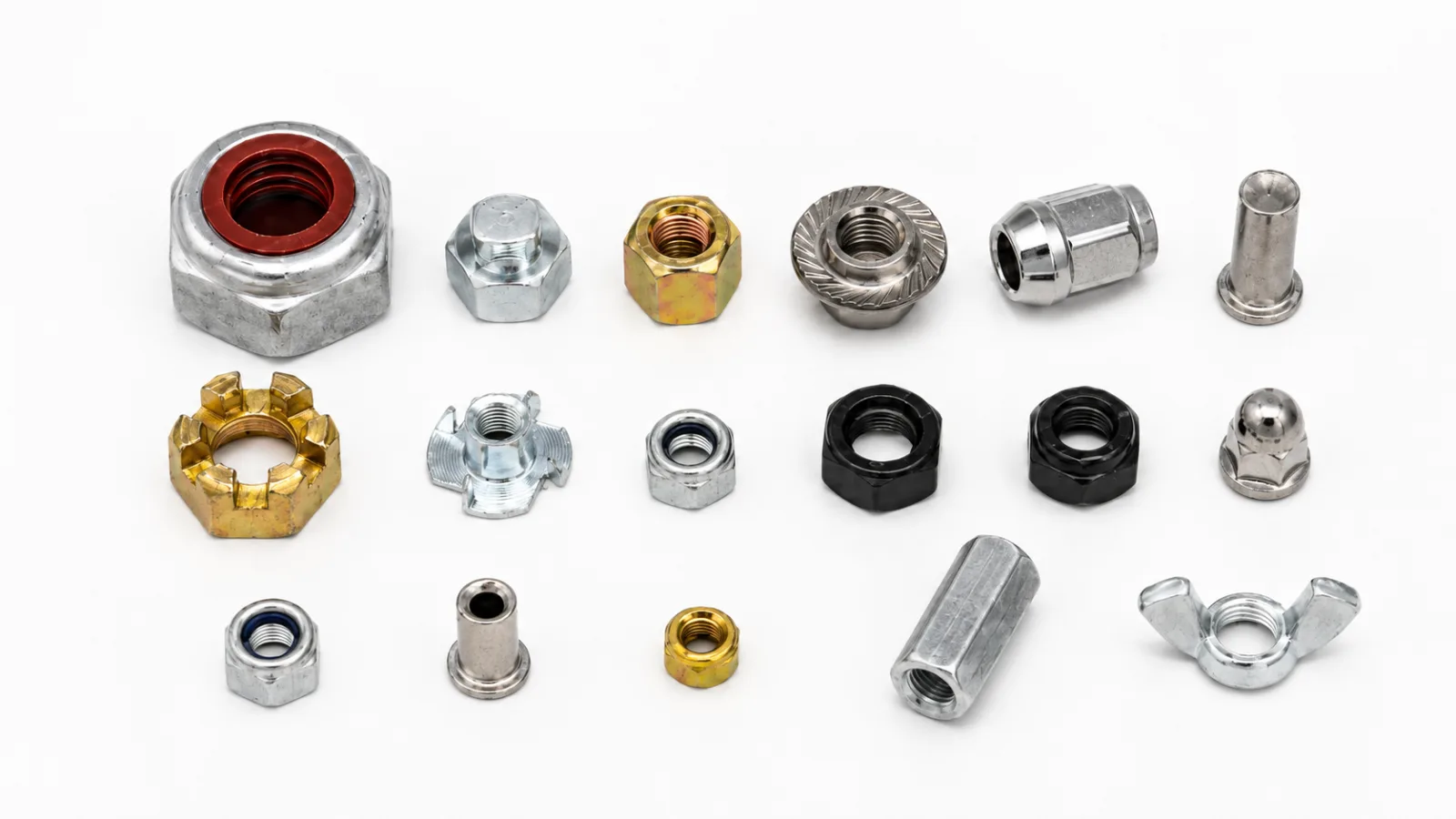
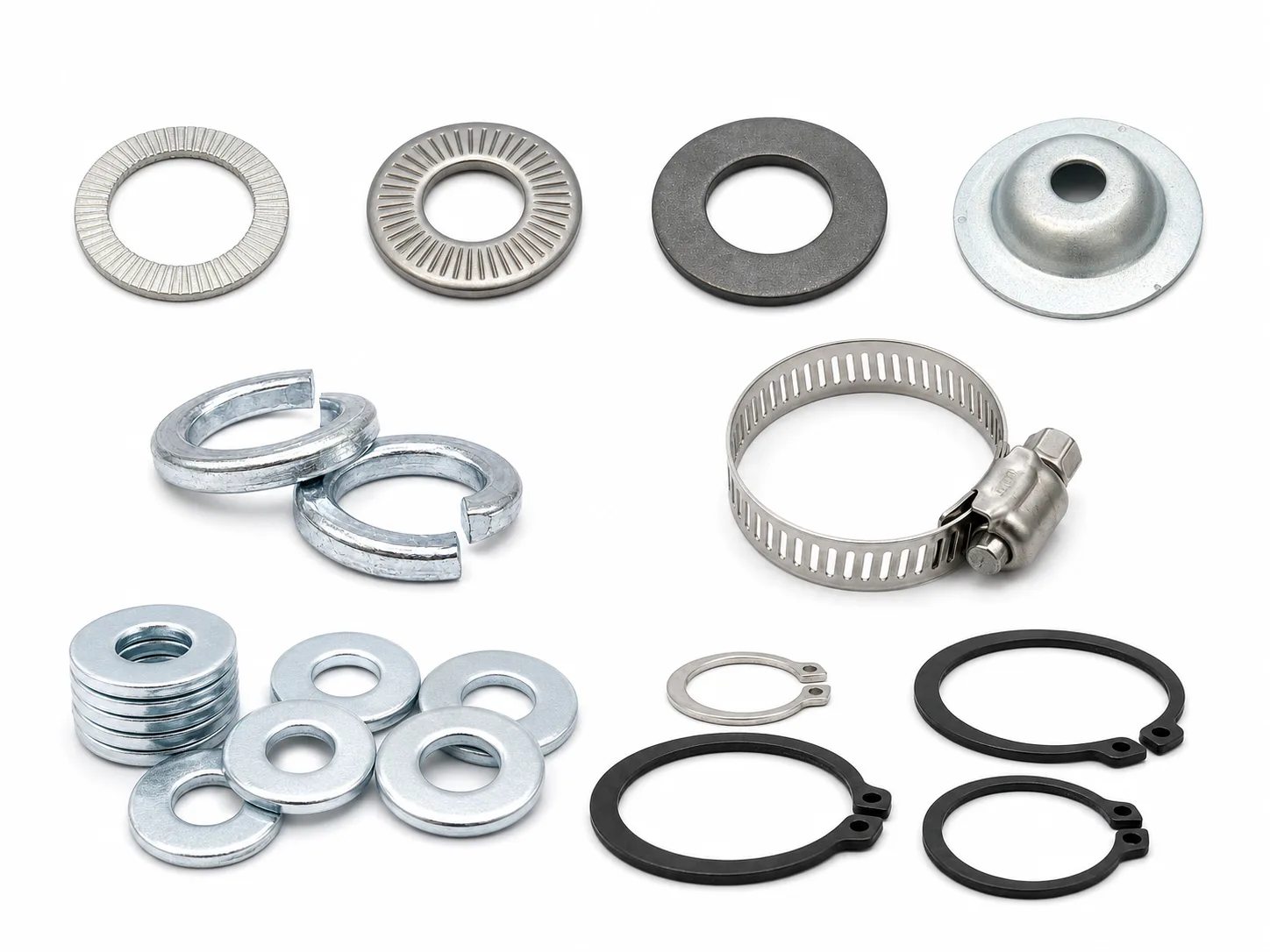
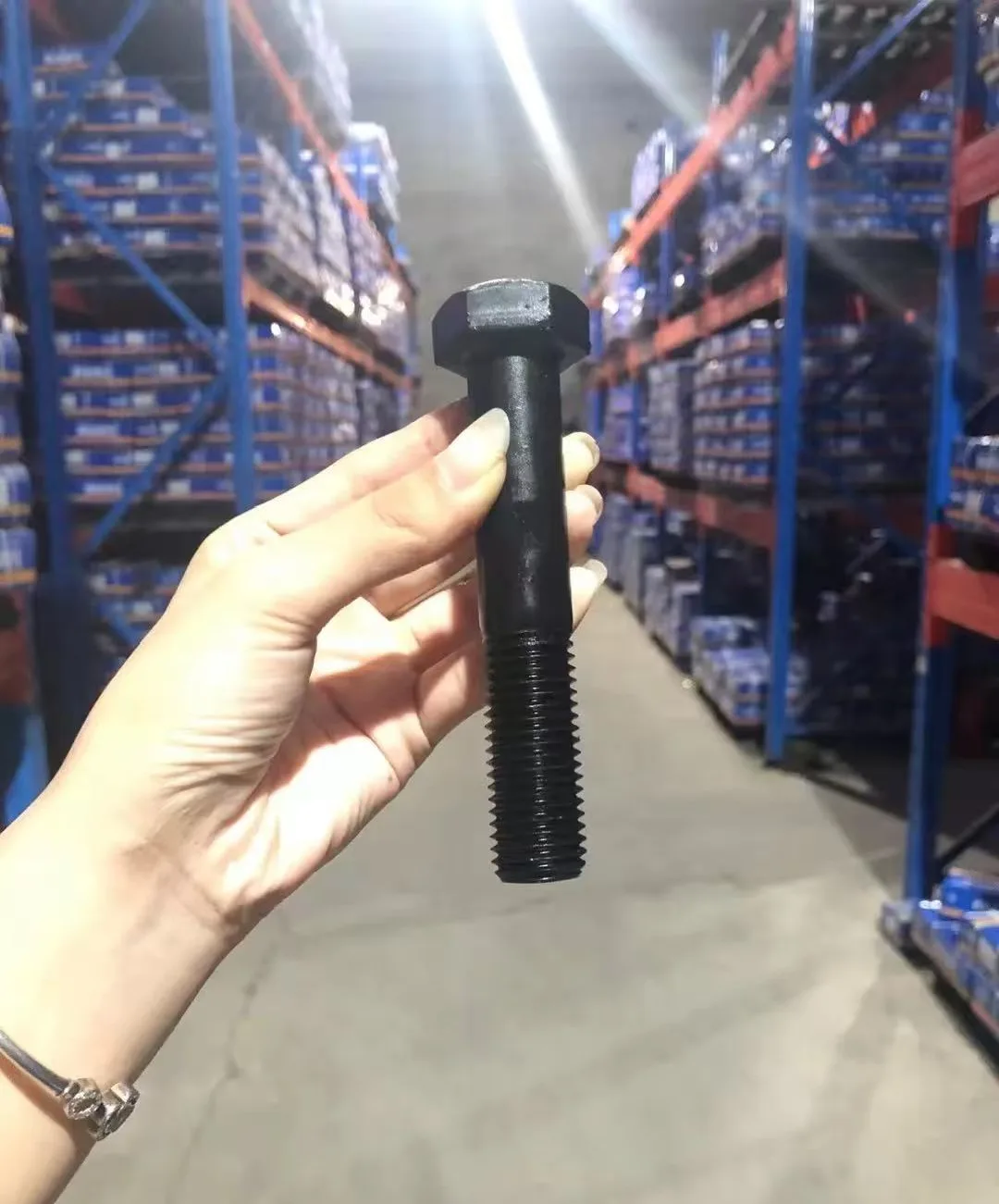
Related product information: bolts, hex nuts, and flat washers.