EU Adjusts Anti-Dumping Measures on Chinese Fasteners in 2026: What Should Exporters Watch?
From July to August 2026, the EU once again adjusted its anti-dumping measures targeting certain steel fasteners from China. This involves product scope, TARIC codes, and the treatment of certain exporting producers. For fastener exporters and European importers, product classification, material, standards, and customs declaration information are becoming increasingly important.
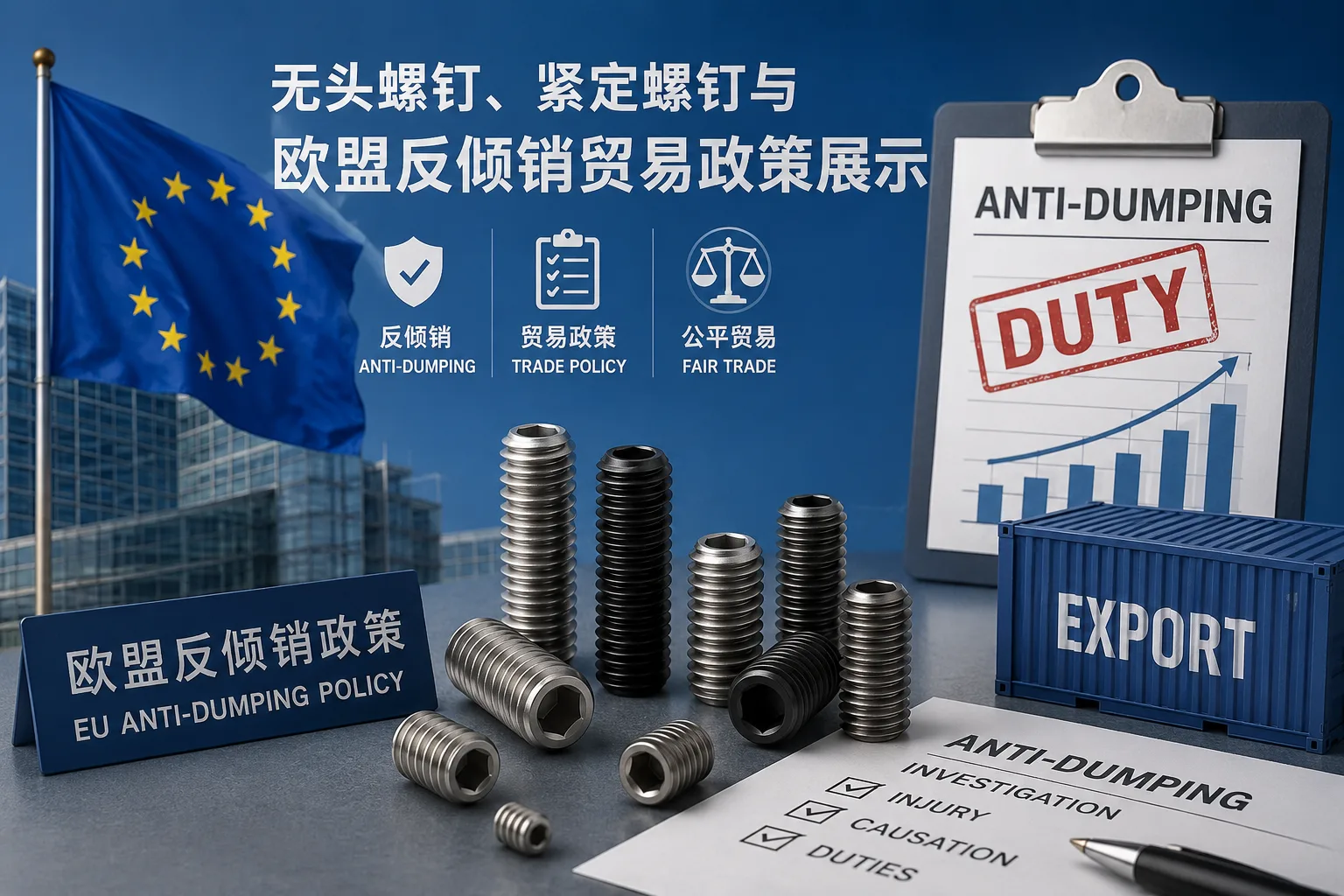
In 2026, the European fastener market continues to be affected by changes in trade policy.
In July and August 2026, the European Commission issued new implementing regulations respectively to adjust the existing anti-dumping measures on Chinese fasteners. The relevant measures are still based on EU Implementing Regulation (EU) 2022/191.
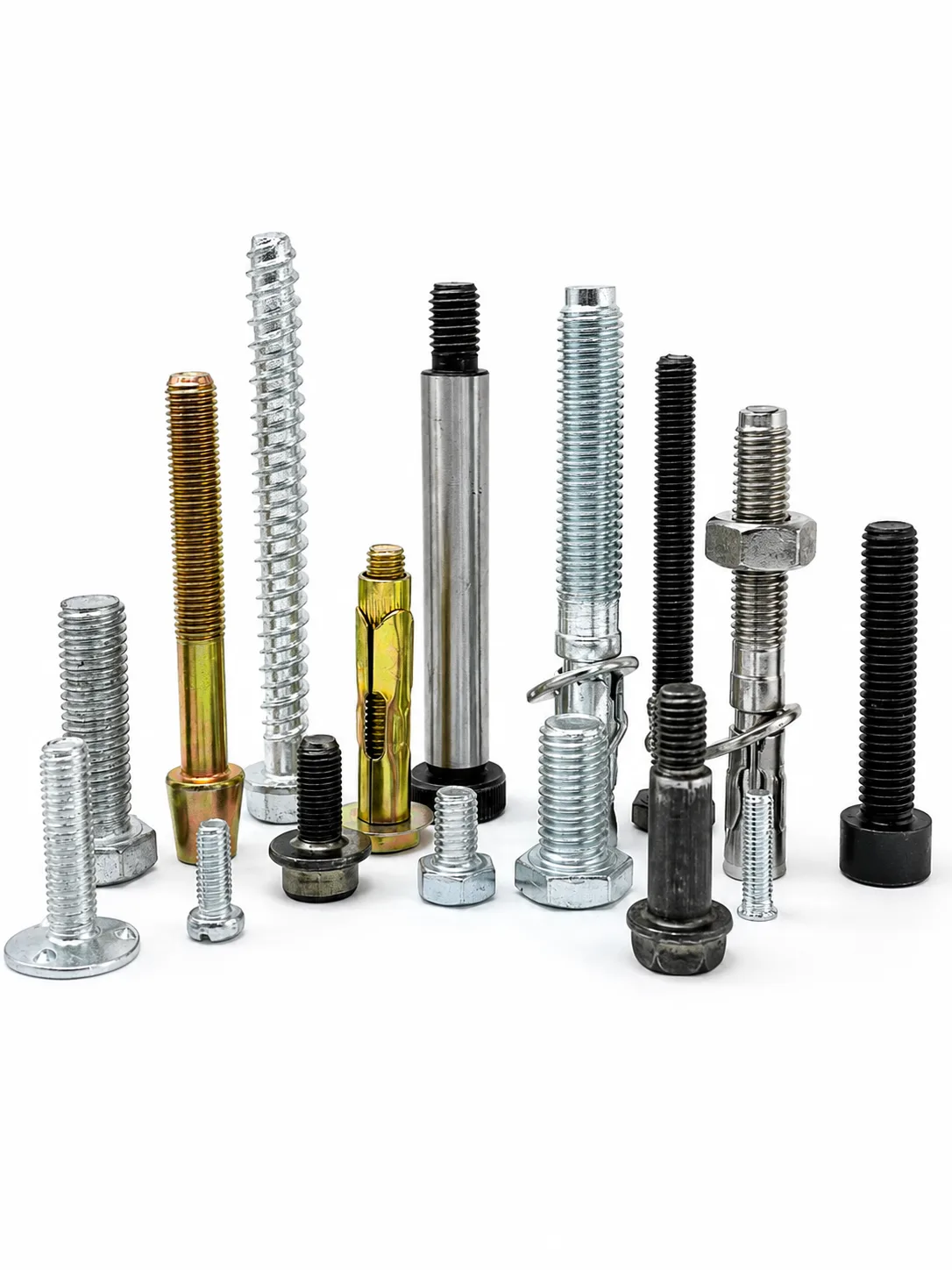
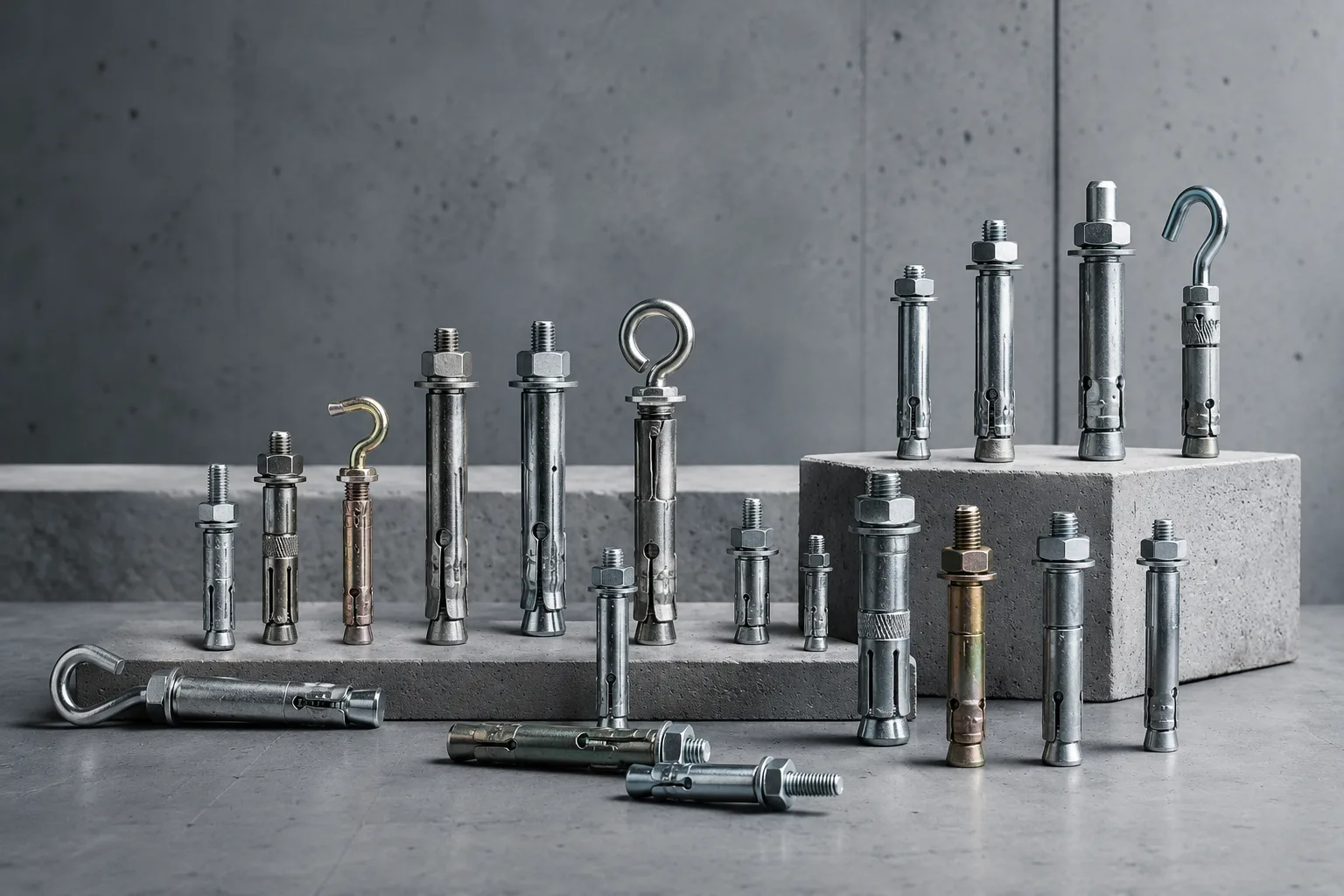
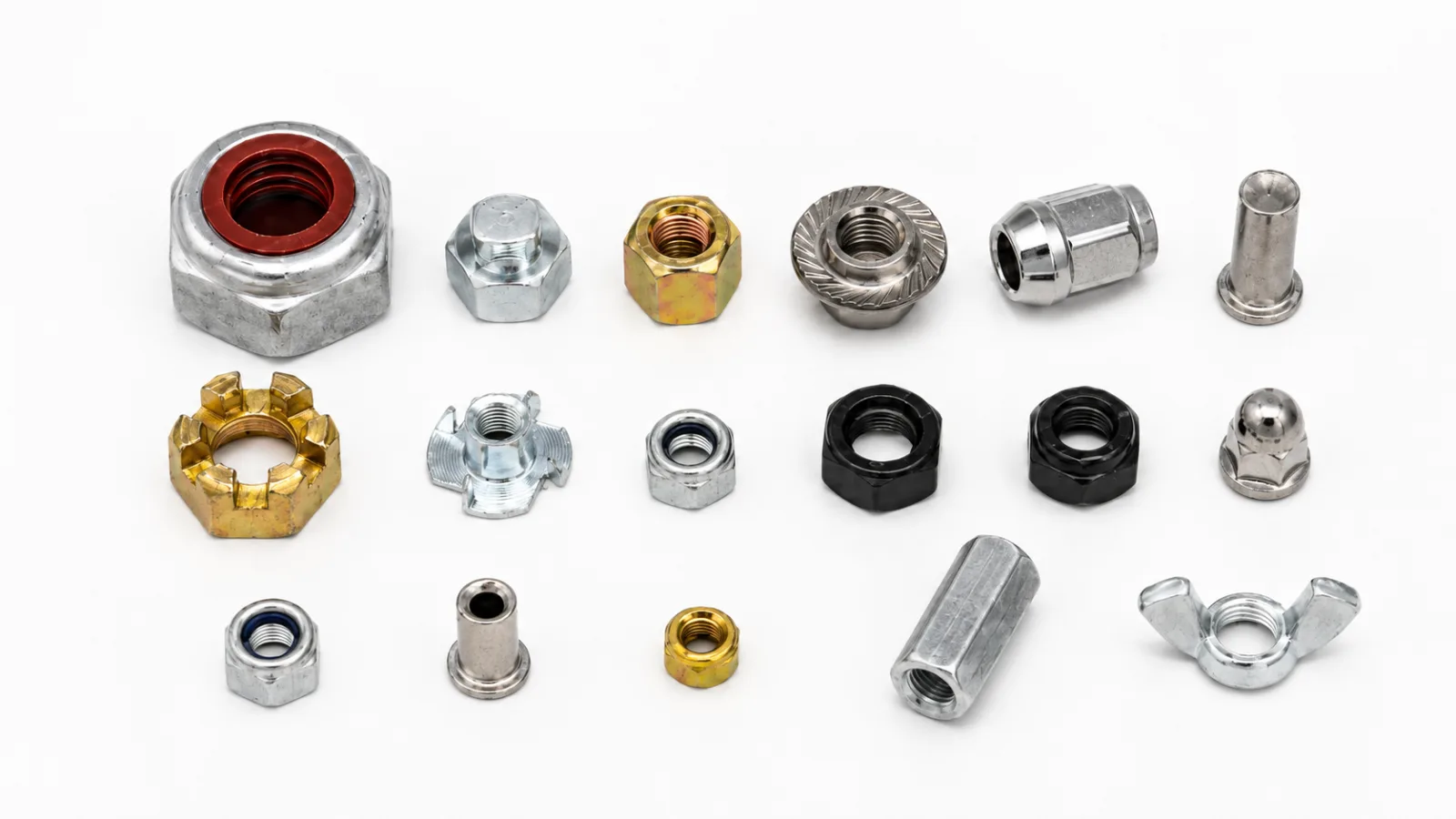
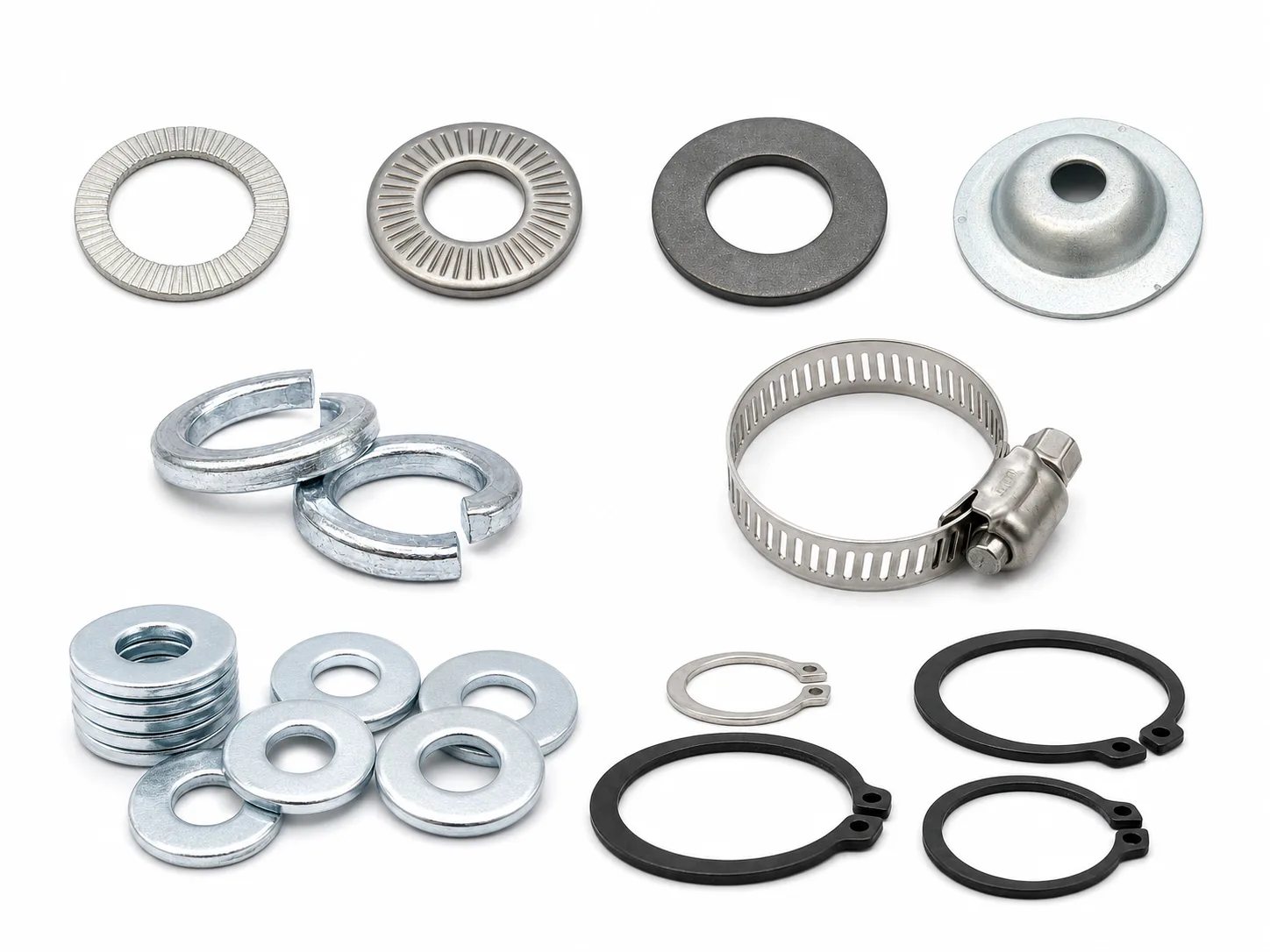
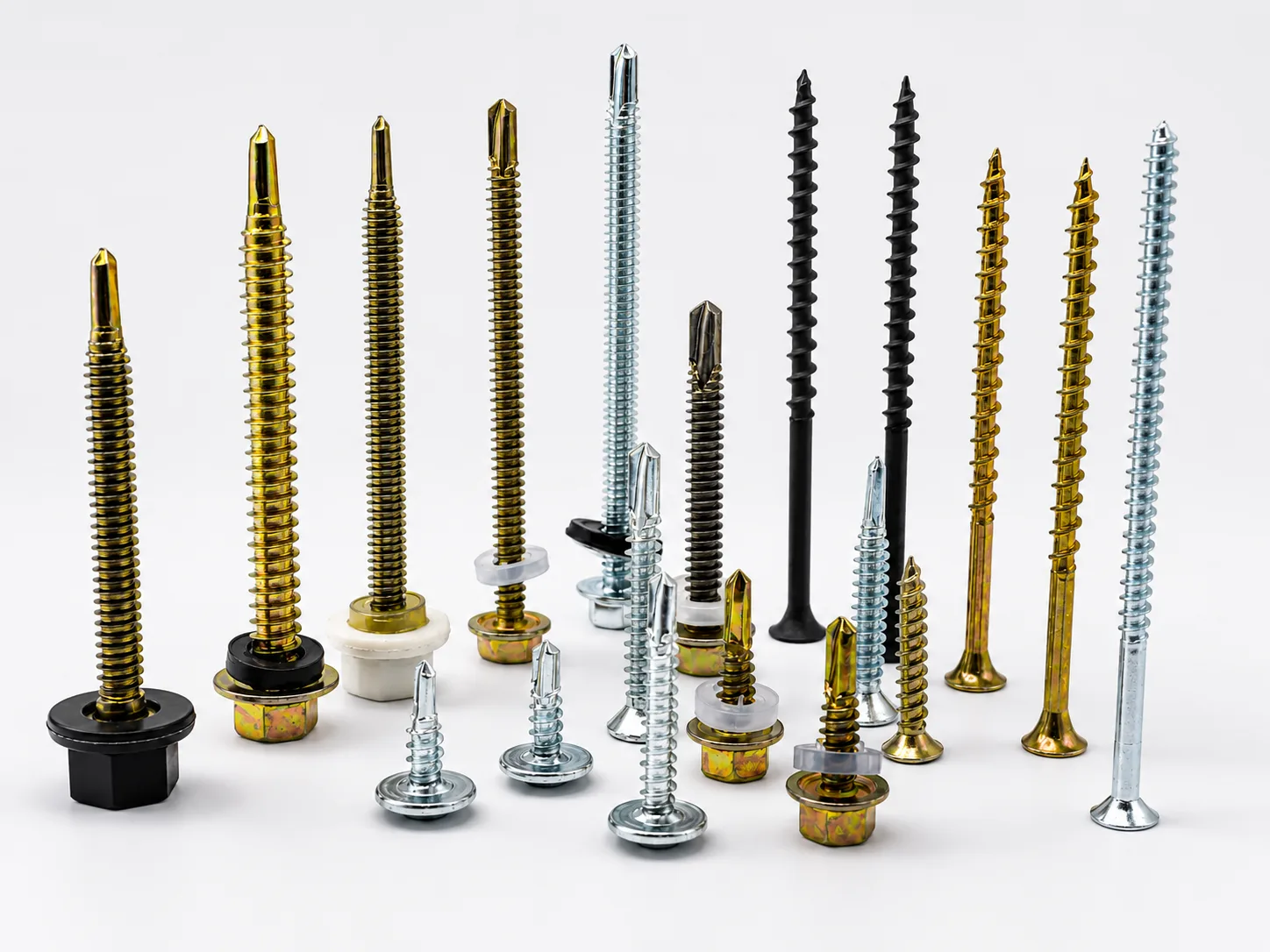
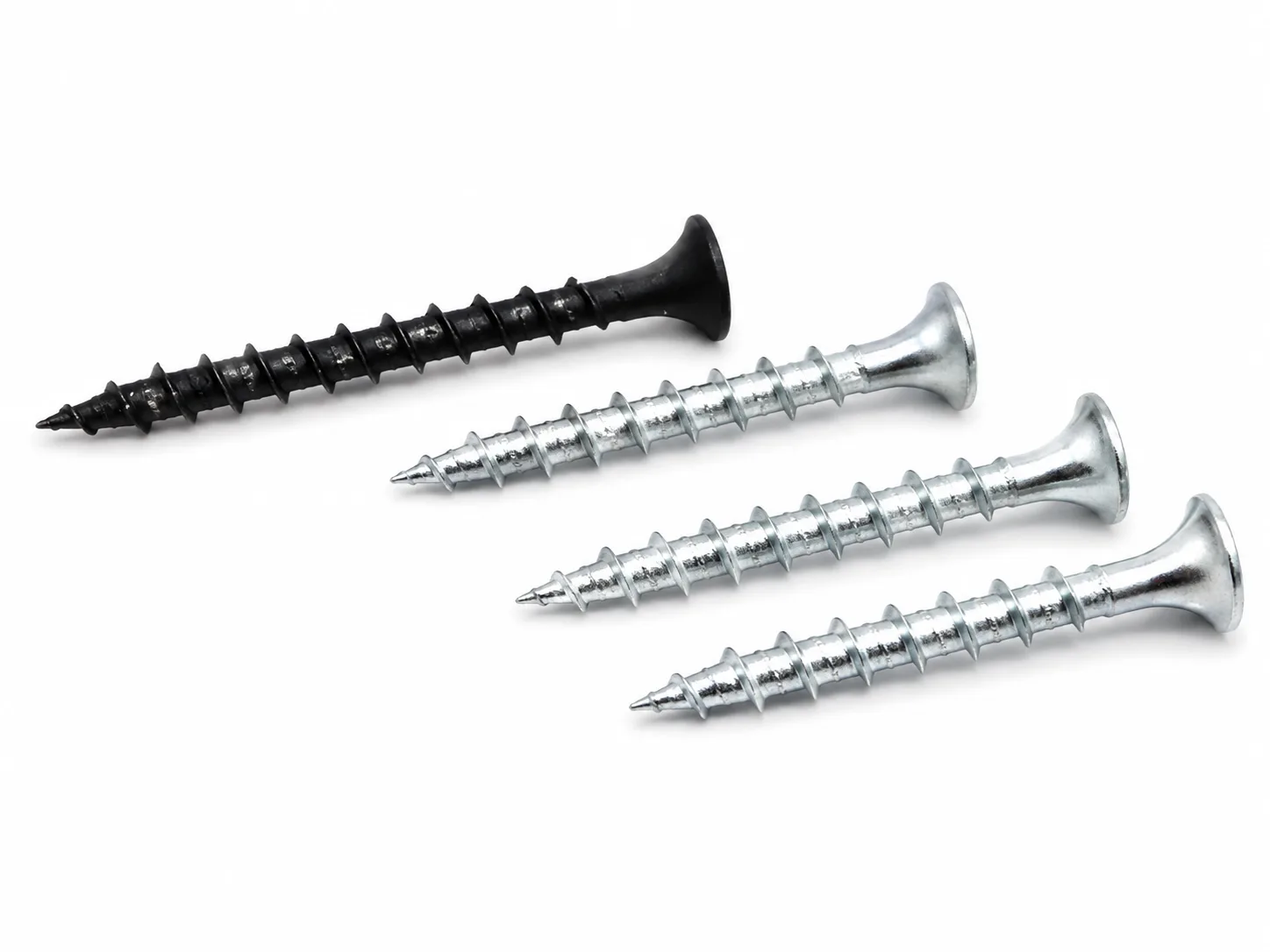
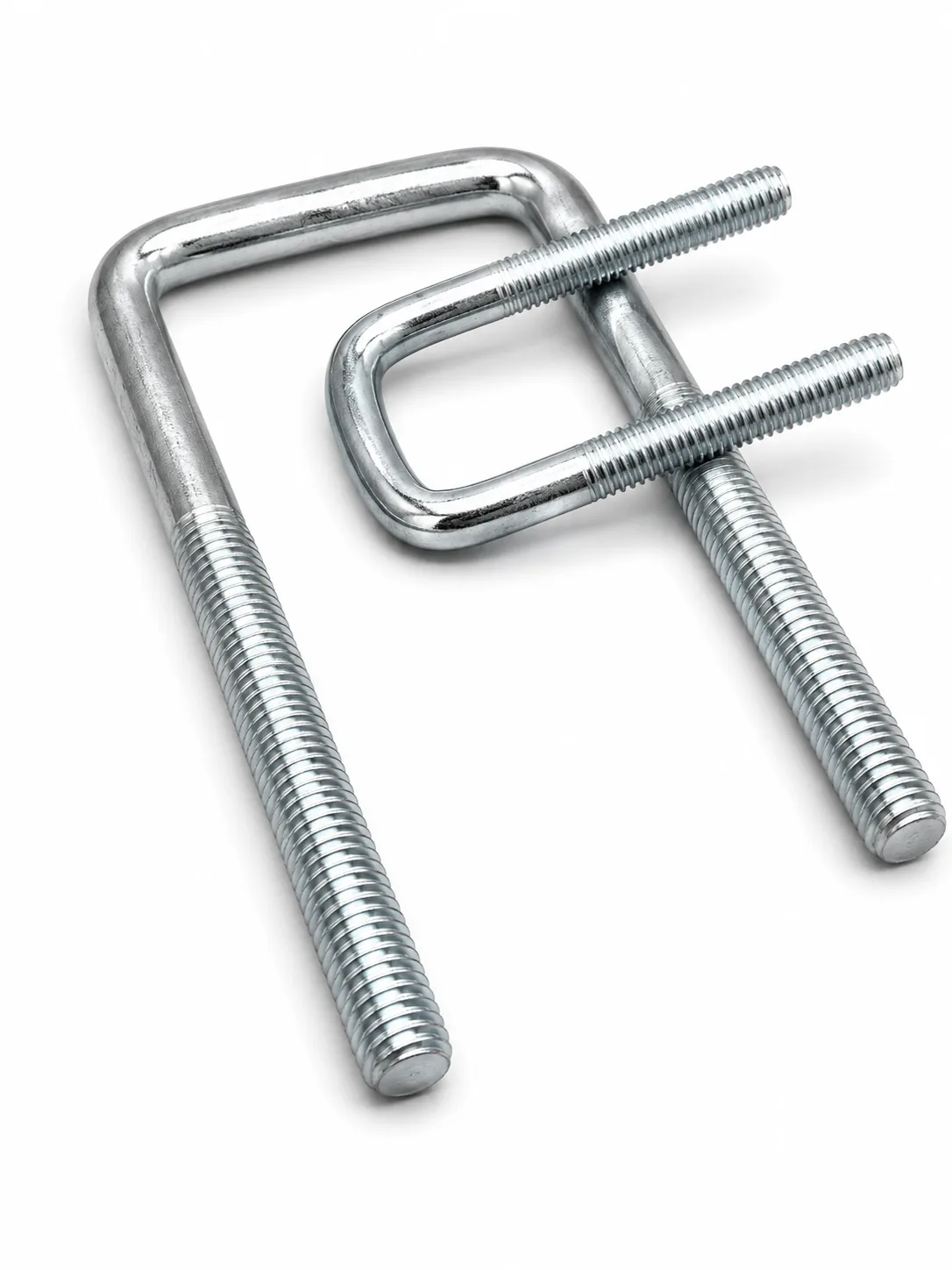
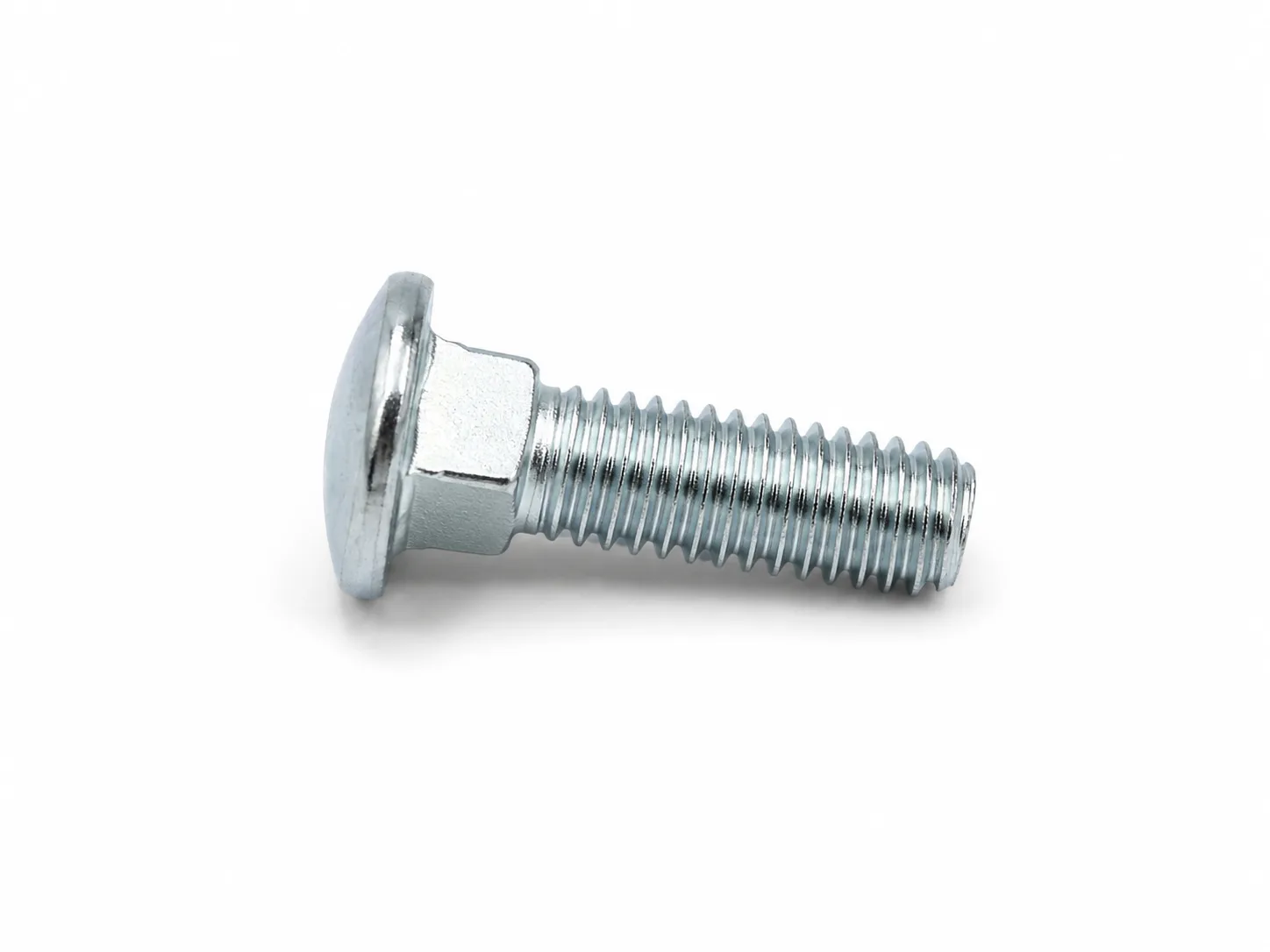
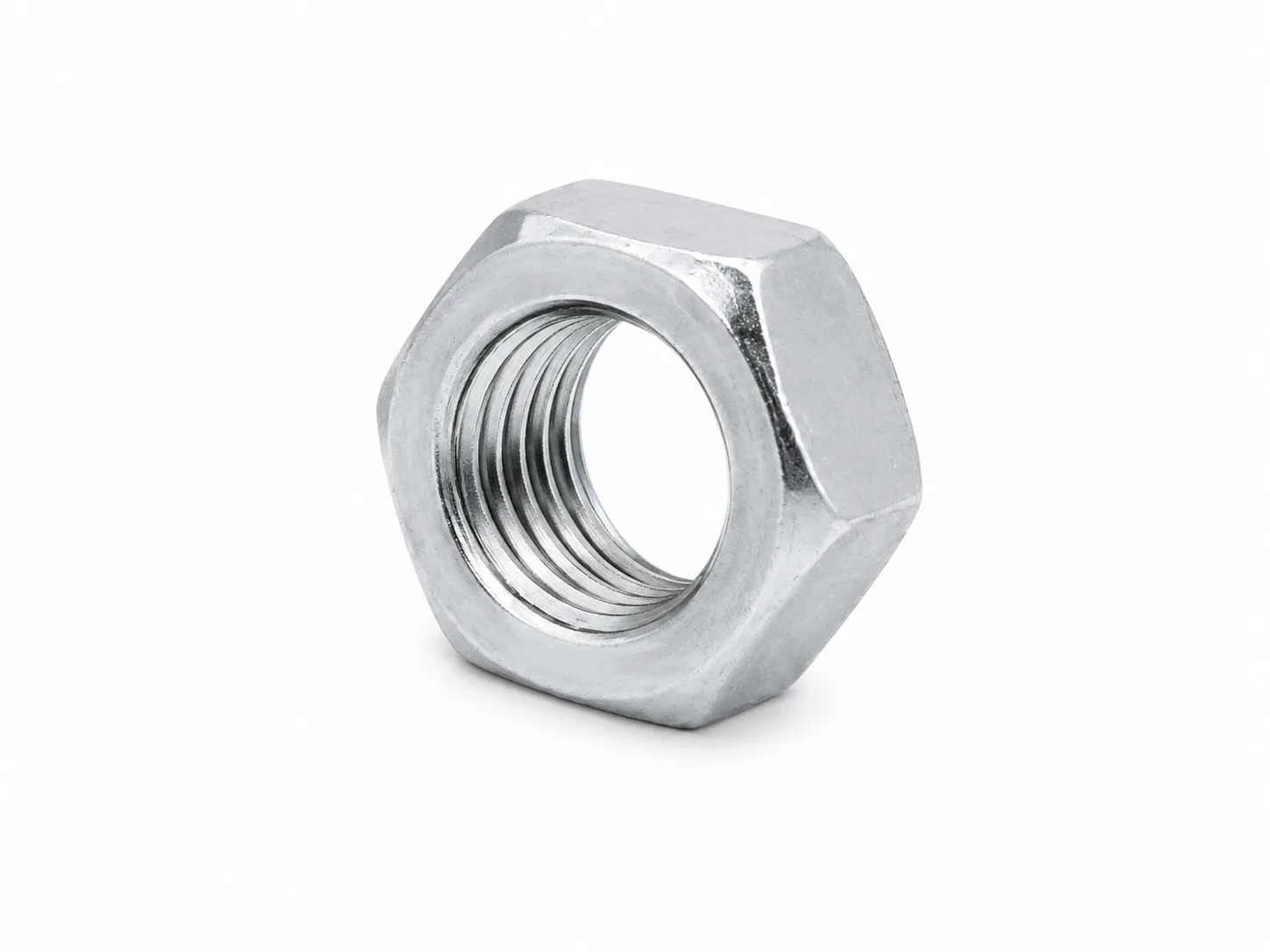
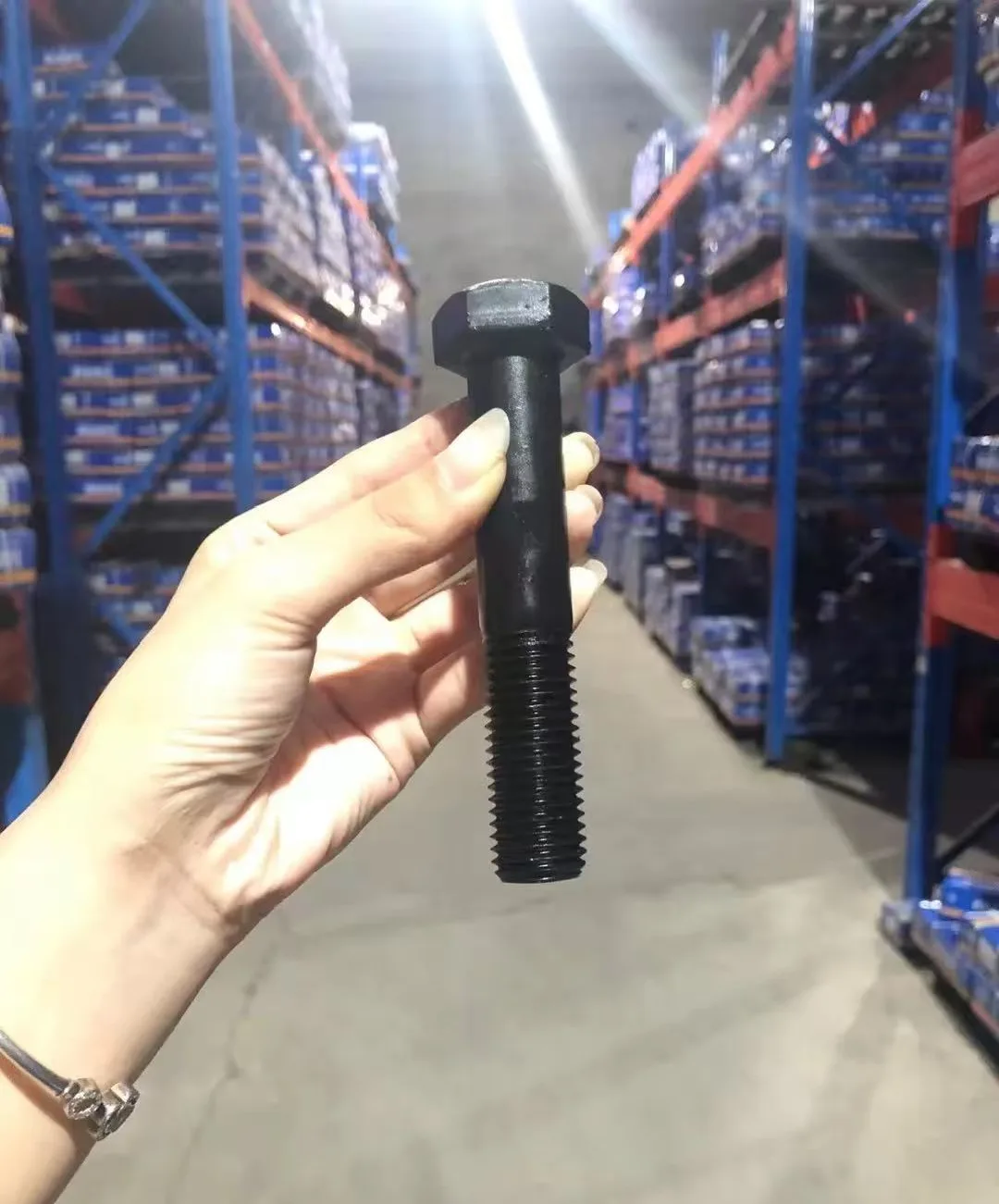
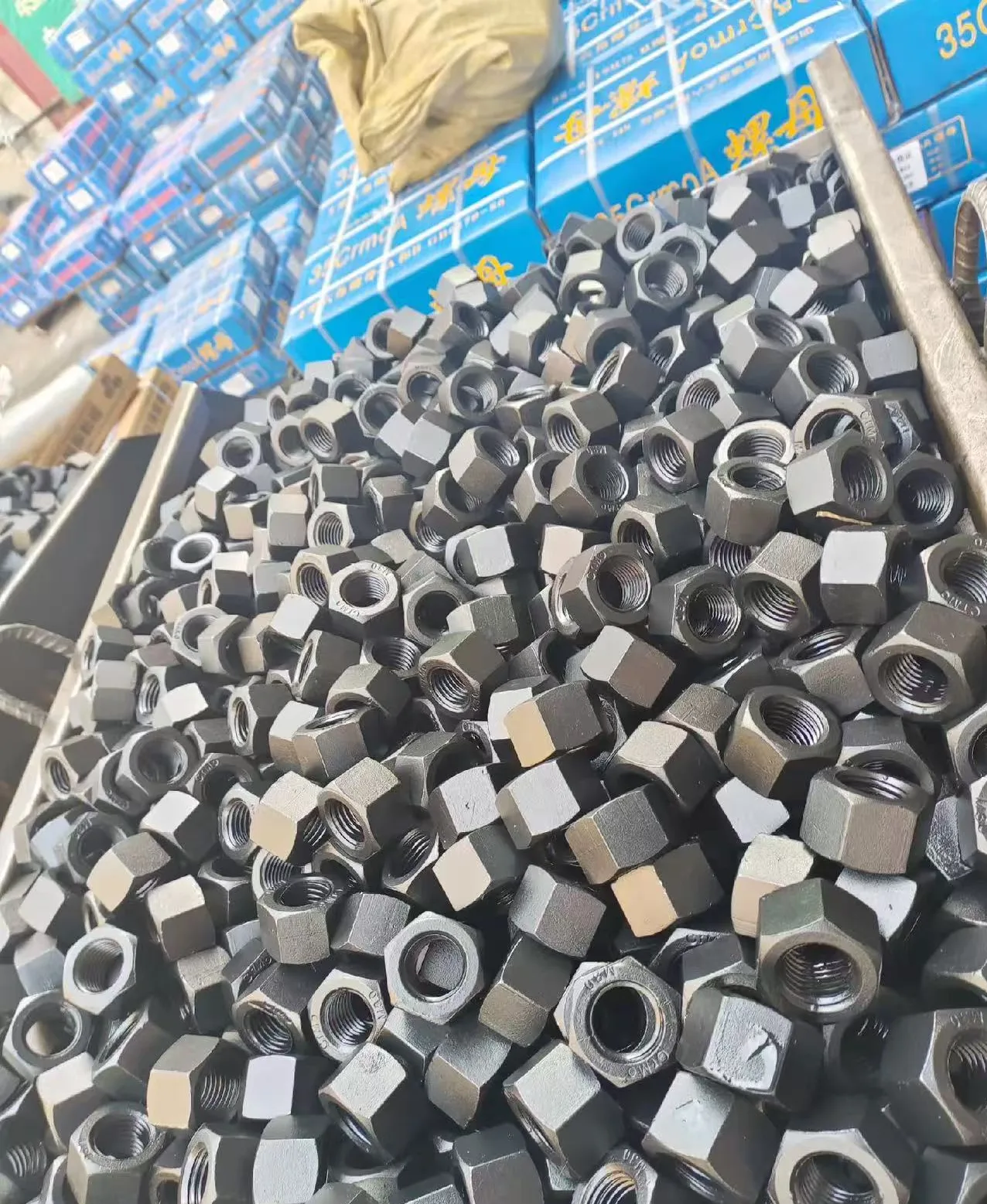
The current measures cover certain fasteners of iron or steel, other than stainless steel, originating in China, including certain wood screws, self-tapping screws, screws and bolts with heads, and washers.
1. Product classification is becoming increasingly important
For European importers, purchasing fasteners cannot be based only on product name and price.
Similar bolts or screws may be subject to different import treatment due to differences in specific specifications, materials, and customs classification.
Therefore, before export, the following should be clearly defined:
Product name
Specifications and dimensions
Applicable standards
Material
Property class
Surface treatment
HS / CN / TARIC classification
Complete technical information can help importers determine tariffs and customs clearance requirements in advance.
2. Some TARIC codes adjusted in July 2026
EU Implementing Regulation 2026/1788 deleted two TARIC codes that had previously been erroneously retained, and provided that certain anti-dumping duties previously collected based on these codes should be refunded in accordance with applicable customs regulations. This adjustment applies retroactively from February 18, 2022.
This shows that for exporters and importers, it is no longer possible to rely only on customs codes used in the past.
After product codes change, customs declaration and import costs may also be affected.
3. Treatment of exporting producers is also being adjusted
In August 2026, the EU issued Implementing Regulation (EU) 2026/1926, amending the existing measures and accepting new applications for exporting producer treatment.
This means that different Chinese manufacturers may be subject to different anti-dumping treatment in the European market.
Before confirming an order, importers should verify the applicable duty rate and customs requirements corresponding to the specific exporting manufacturer.
4. Stainless steel and ordinary steel must be distinguished
The current measures explicitly target certain fasteners of iron or steel, but exclude stainless steel fasteners.
Therefore, the material should be clearly indicated in export documents.
For example:
Carbon Steel
Alloy Steel
Stainless Steel 304
Stainless Steel 316
A2-70
A4-70
If only "steel fastener" is written, it may not accurately reflect the nature of the product.
5. Quotation information needs to be more professional
For European customers, simply writing:
“M12 Bolt, Zinc Plated”
is no longer sufficiently complete.
A more professional approach is:
M12 × 60 | ISO 4017 | Class 8.8 | Carbon Steel | Zinc Plated
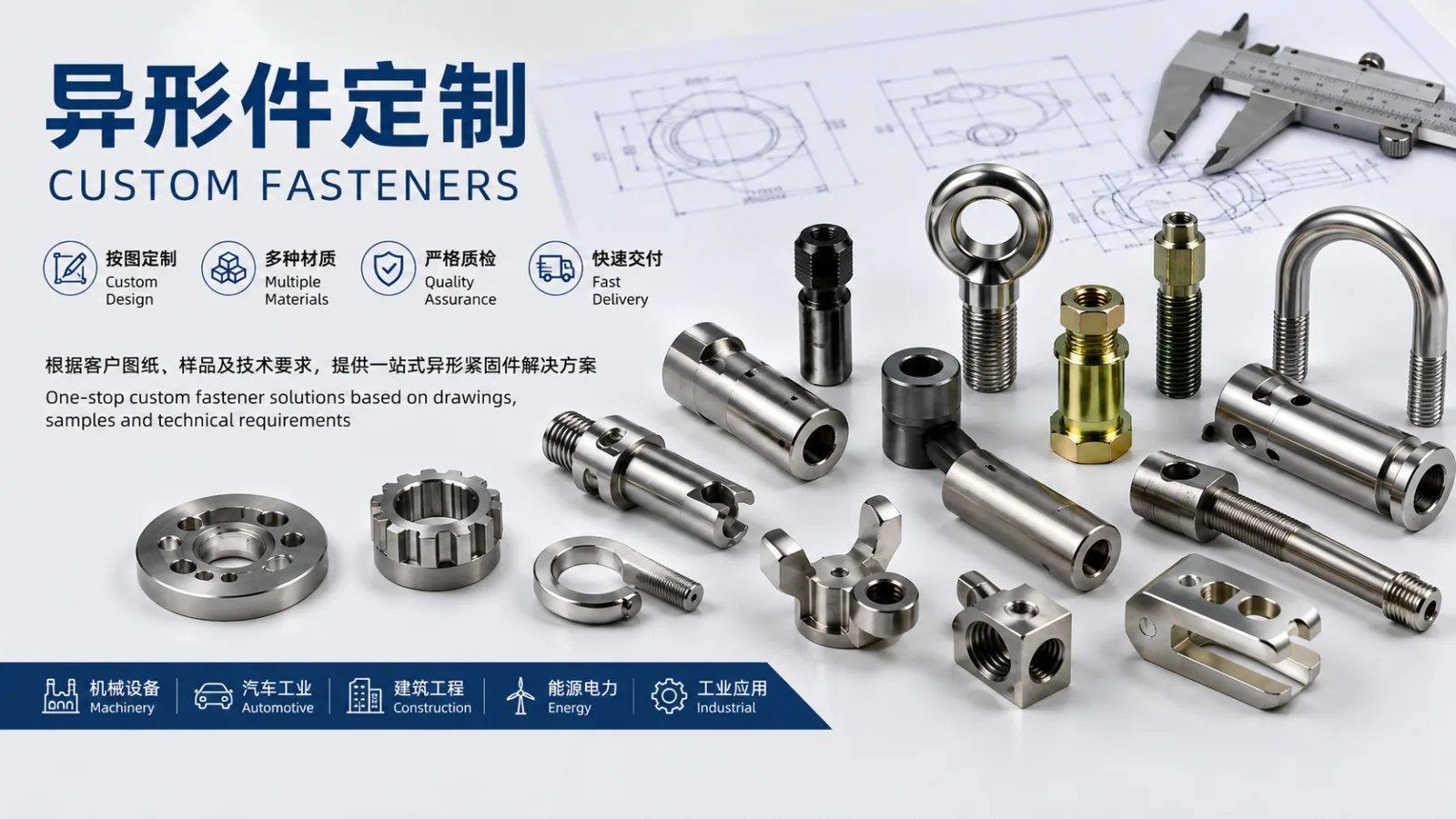
For non-standard fasteners, drawings, material requirements, tolerances, and testing standards should also be provided.
This information not only affects production, but may also affect product classification and import compliance.
6. Competition in fasteners is shifting from price to comprehensive capability
The European market is placing increasing importance on:
Technical specifications
Material traceability
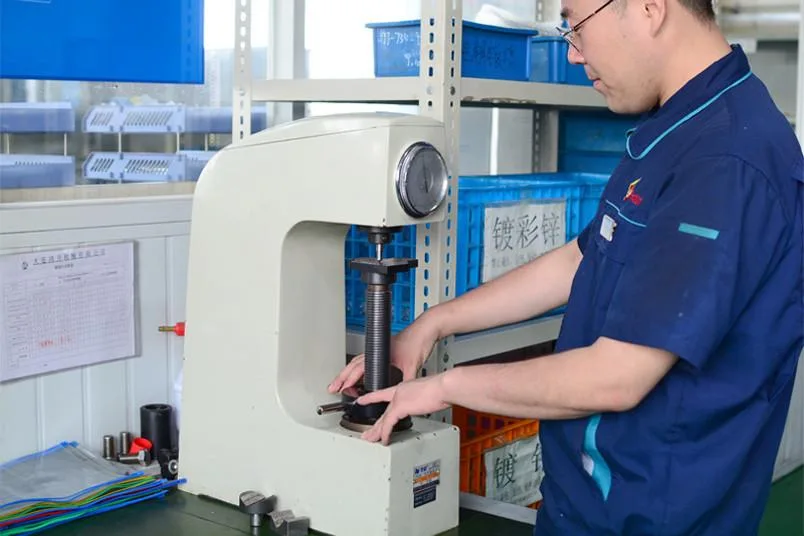
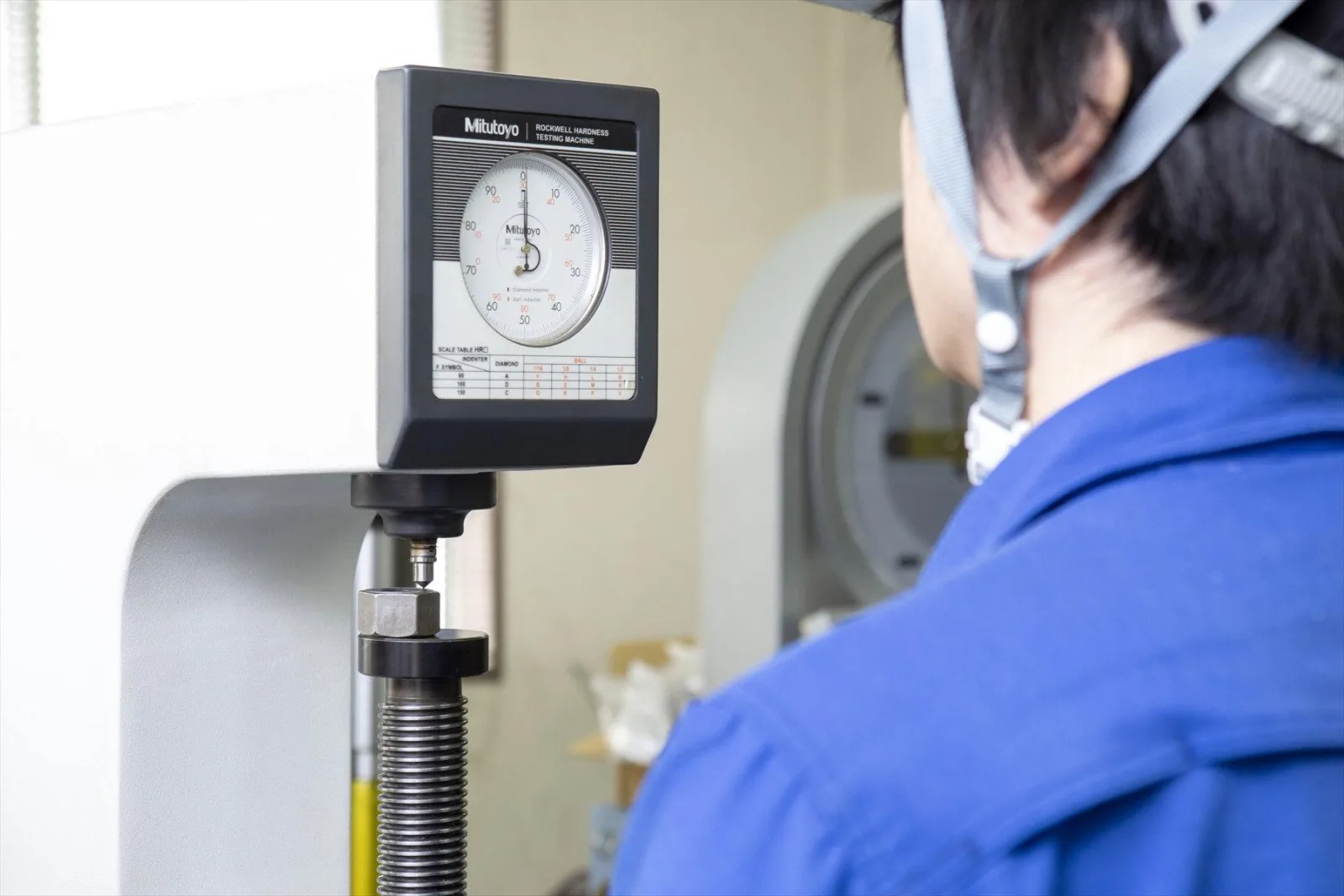
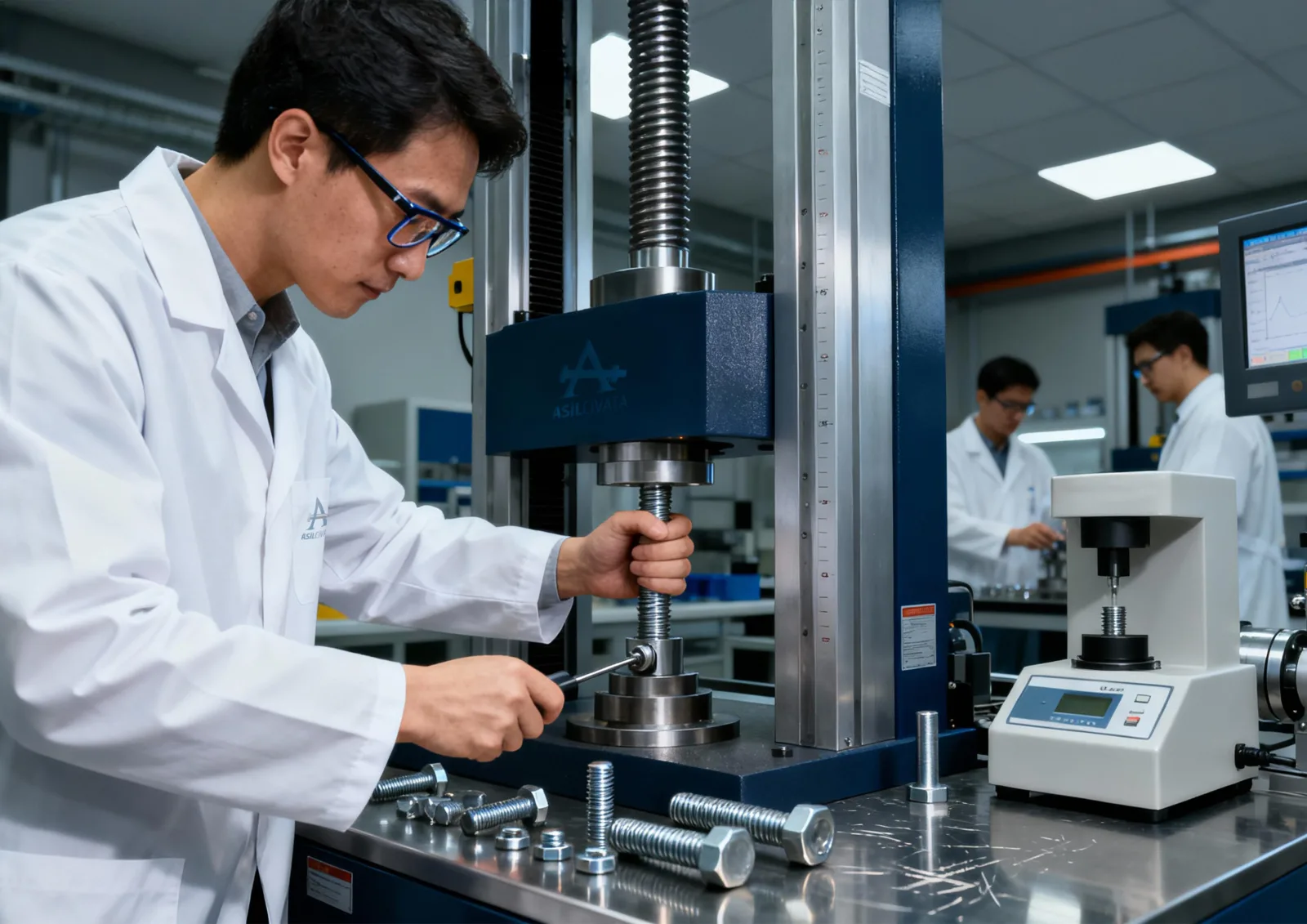
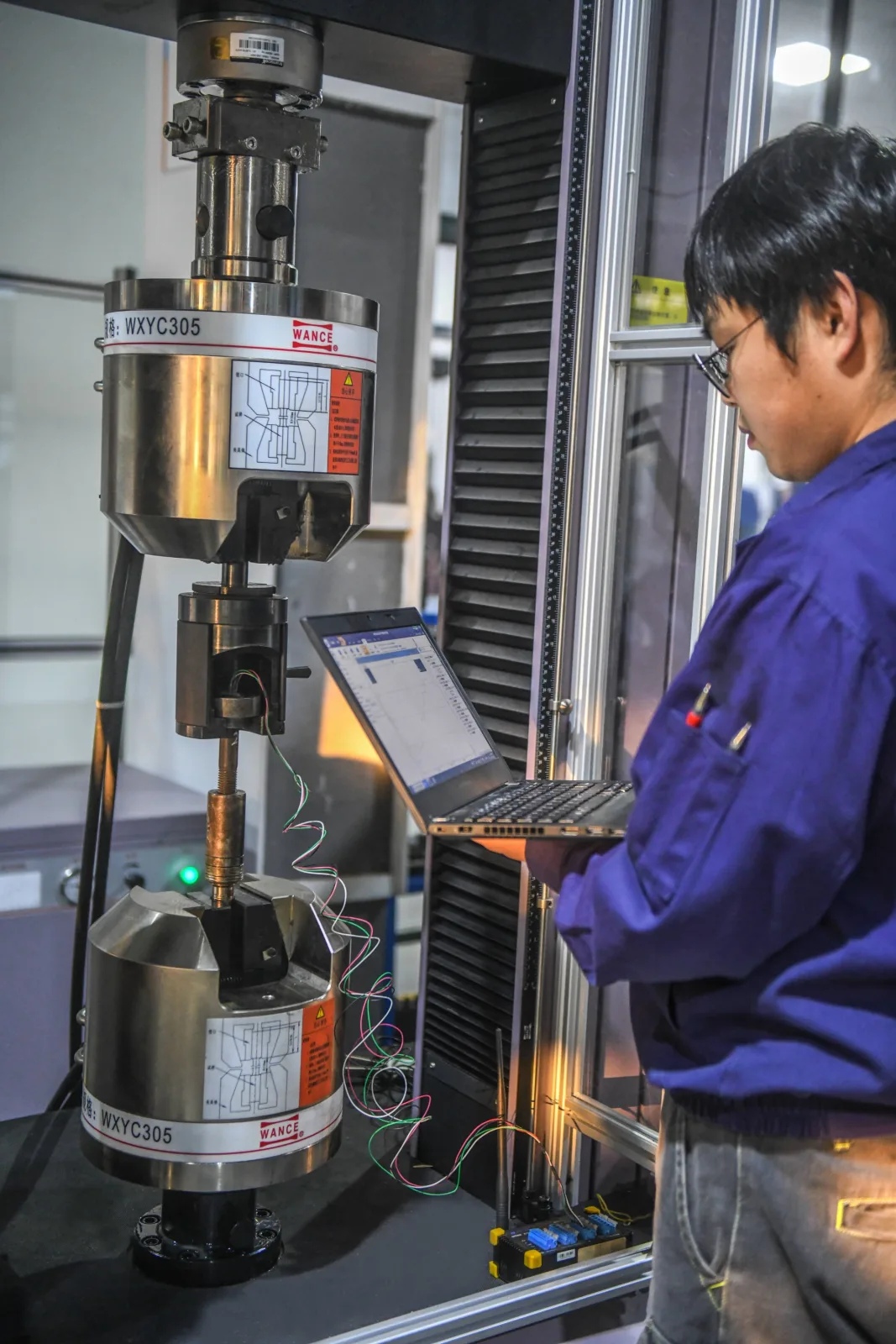
Quality inspection
Mechanical property reports
Surface treatment control
Accuracy of product classification
Completeness of export documents
For fastener suppliers, future competition is not just about "who has the lower price," but about who can provide more stable, transparent, and professional supply chain services.