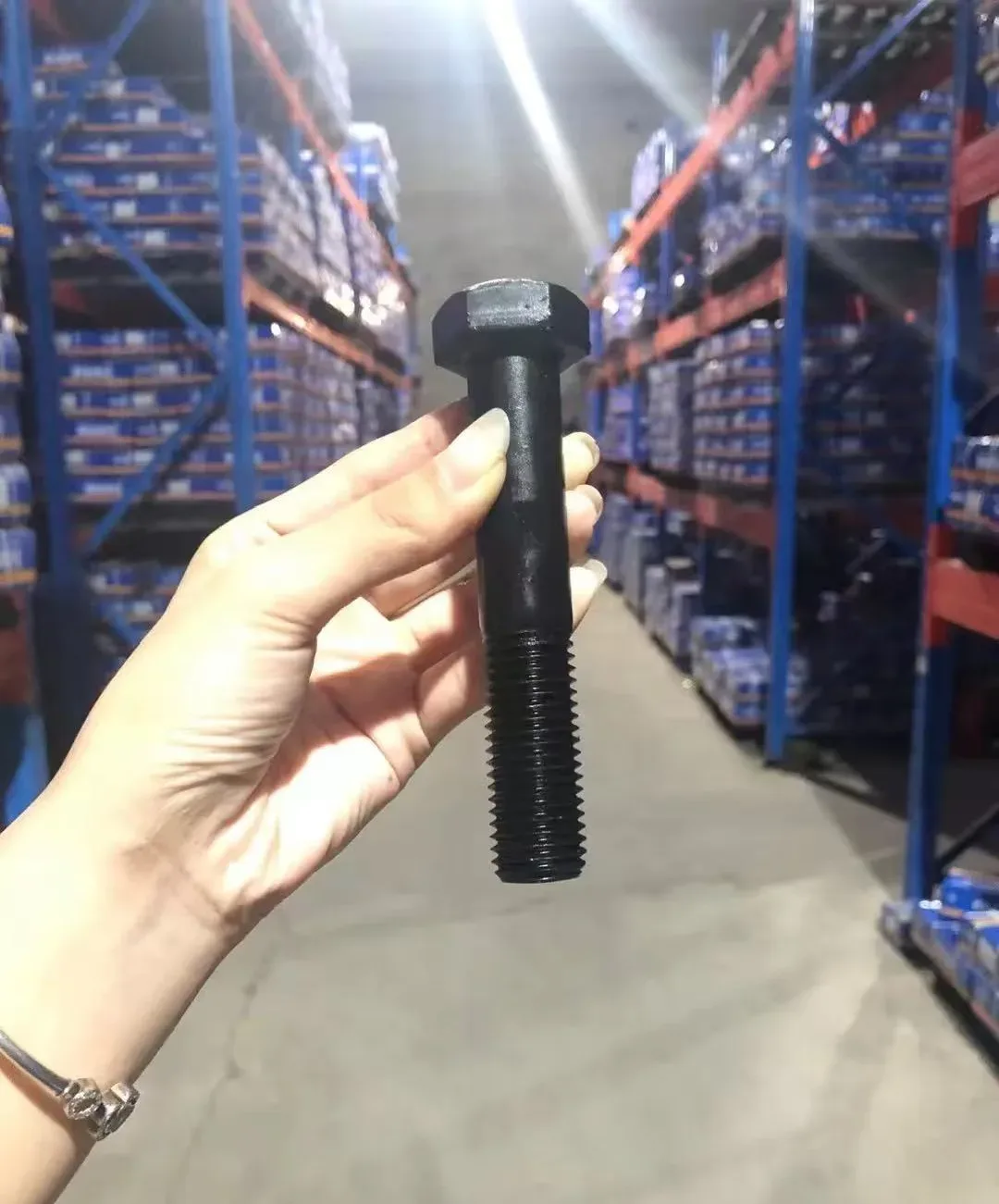
How to Choose Nut Grades? What Are the Differences Between Grades 4, 6, 8, 10, and 12?
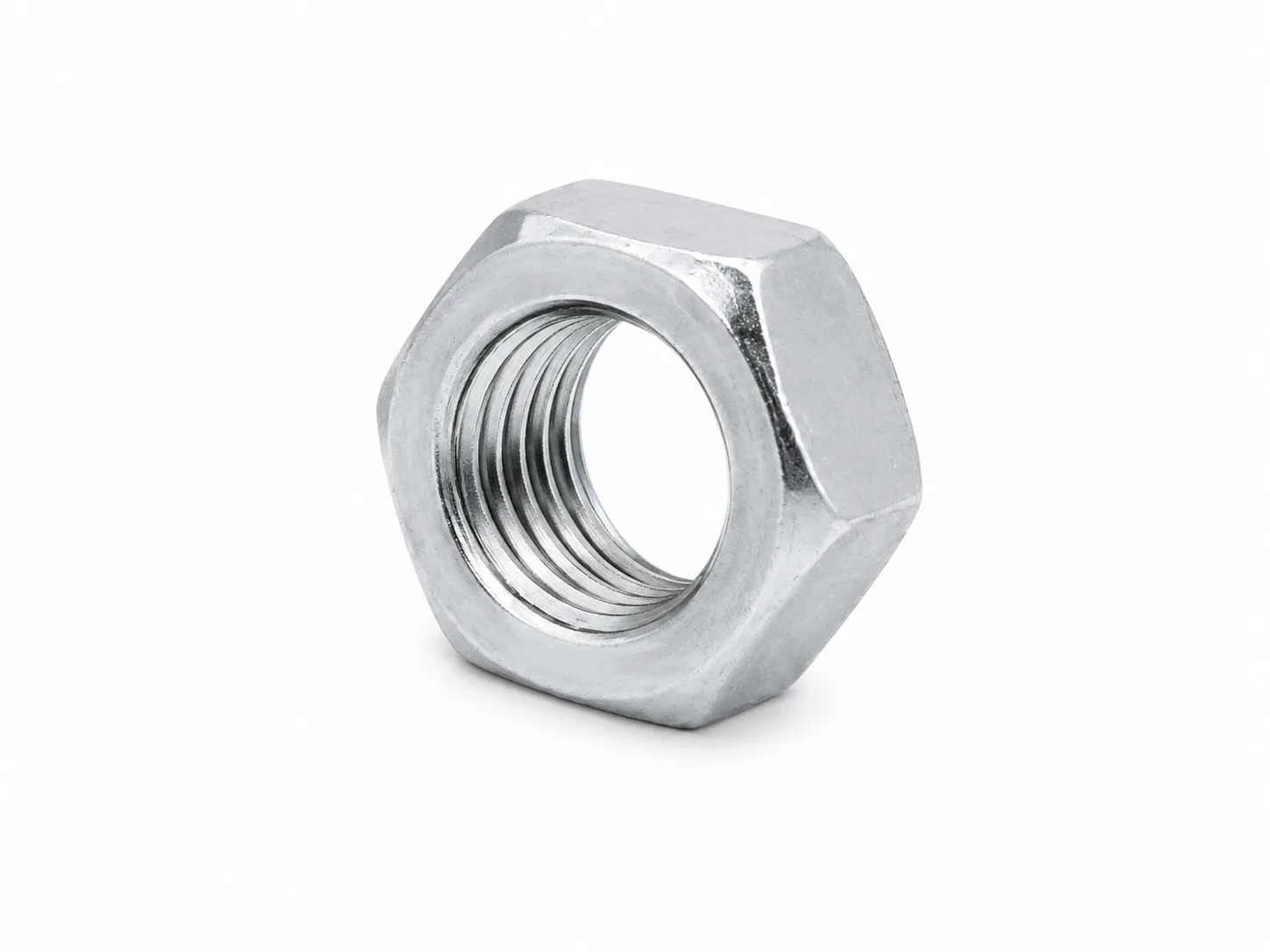
The strength grade of a nut determines the proof load it can withstand and its thread load-bearing capacity. Common metric nut grades include 4, 5, 6, 8, 10, and 12. Correctly matching bolt and nut grades can reduce issues such as thread stripping, thread failure, and loosening of connections.
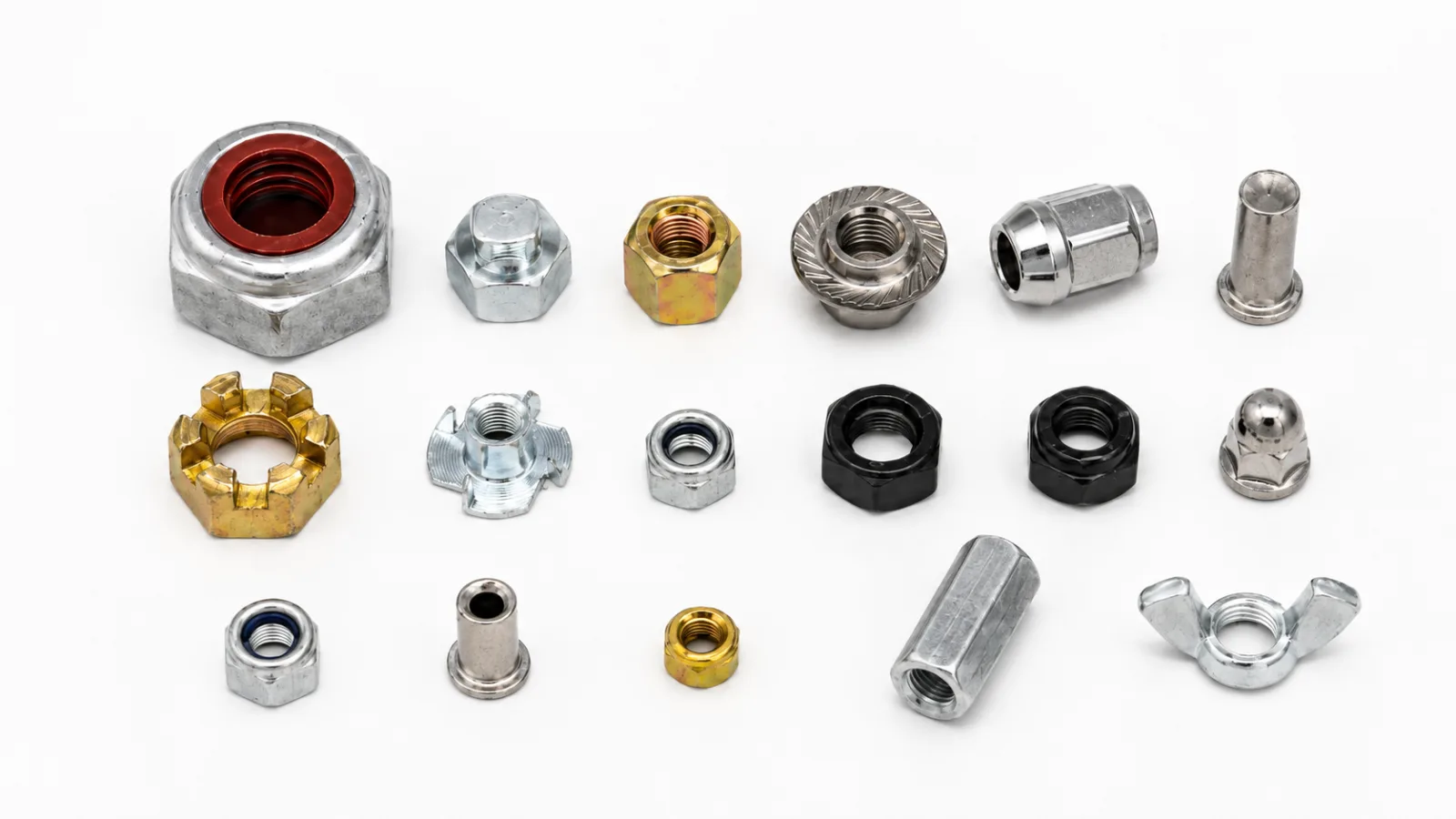
The strength grade of a nut determines the proof load it can withstand and its thread load-bearing capacity. Common metric nut grades include 4, 5, 6, 8, 10, and 12. Correctly matching bolt and nut grades can reduce issues such as thread stripping, thread failure, and loosening of connections.
Chinese Text
What do 4, 6, 8, 10, and 12 on nuts represent?
In metric fasteners, nuts are usually classified into different property grades based on mechanical properties.
Common grades include:
Grades 4, 5, 6, 8, 10, and 12.
Unlike 8.8, 10.9, and 12.9 on bolts, nut grades are usually represented by a single number.
This number mainly reflects the proof load and thread load-bearing capacity that the nut can withstand.
Simply put:
The higher the grade, the higher-strength bolts it can usually match.
Common Bolt and Nut Grade Matching
When specifications and applicable standards are the same, common combinations include:
| Bolt Grade | Commonly Used Nut Grade |
|---|---|
| 4.8 | Grade 4 or applicable grade |
| 5.8 | Grade 5 |
| 6.8 | Grade 6 |
| 8.8 | Grade 8 |
| 10.9 | Grade 10 |
| 12.9 | Grade 12 |
The most common industrial combinations are:
Grade 8.8 bolts + Grade 8 nuts
Grade 10.9 bolts + Grade 10 nuts
Grade 12.9 bolts + Grade 12 nuts
Actual selection also requires confirming thread specifications, diameter, standards, and application requirements.
Why Can't Nut Grade Be Too Low?
If high-strength bolts are paired with nuts of insufficient strength, during tightening the bolt may not yet have reached the designed preload, while the nut's internal threads have already deformed or sheared.
Common signs include:
- Nut thread stripping
- Internal thread pull-out
- Failure to reach specified torque
- Insufficient connection preload
- Loosening or failure during use
Therefore, focusing only on bolt grade while ignoring nut grade is a very common problem in fastened connections.
Are Higher-Grade Nuts Always Better?
Not necessarily.
For example, ordinary low-load equipment does not necessarily require Grade 10 or Grade 12 nuts.
Higher grades usually mean higher material, heat treatment, and manufacturing requirements, and costs also increase.
The correct principle is:
Select nuts that match the bolt grade and actual working conditions, rather than blindly pursuing the highest grade.
Surface Treatment Is Not the Same as Strength Grade
Zinc plating, black oxide, hot-dip galvanizing, Dacromet, etc. are surface treatments, mainly affecting corrosion resistance and appearance.
Grades 4, 8, 10, and 12 are mechanical property grades.
For example:
Grade 8 zinc-plated nut
means it has both Grade 8 mechanical property requirements and has undergone zinc-plated surface treatment.
The two cannot be confused.
What Should Be Confirmed When Purchasing Nuts?
When purchasing or requesting a quote, it is recommended to provide:
Specification: e.g., M12
Pitch: e.g., M12 × 1.75
Nut grade: e.g., Class 8
Applicable standard: DIN / ISO / ANSI / GB
Material: carbon steel, stainless steel, etc.
Surface treatment: zinc plating, black oxide, hot-dip galvanizing, etc.
Quantity
The more complete this information is, the more accurate the quotation and production will be.