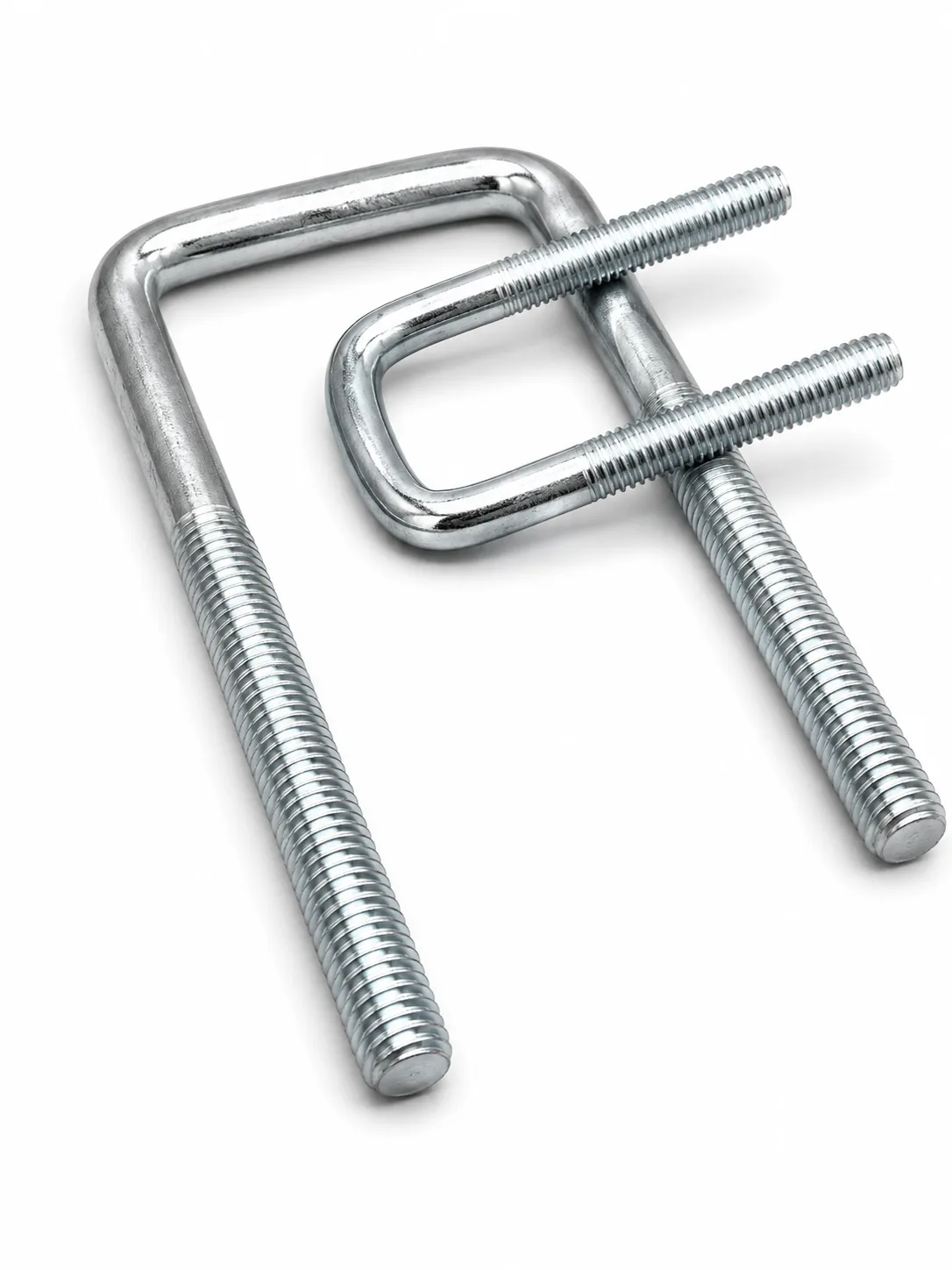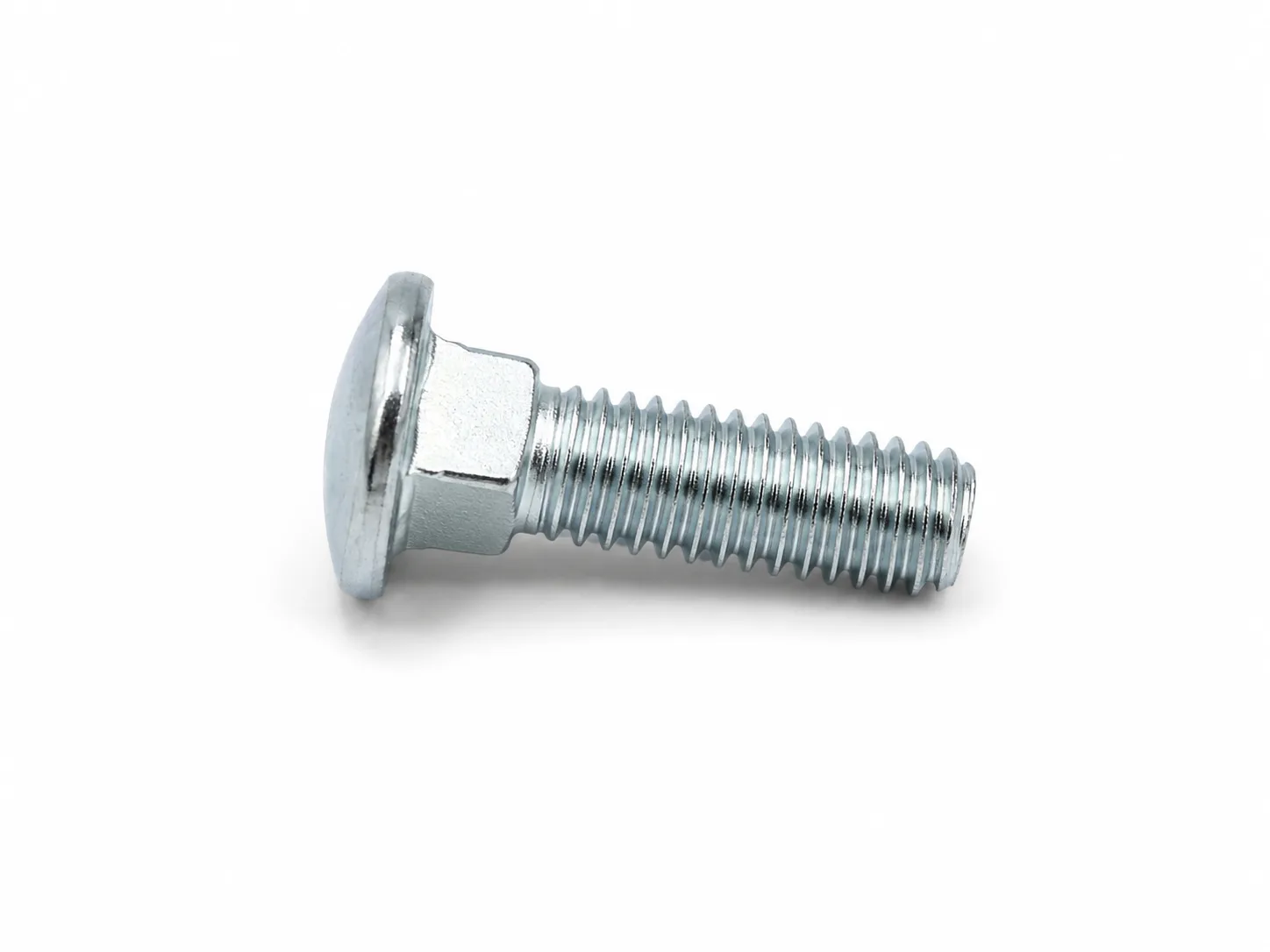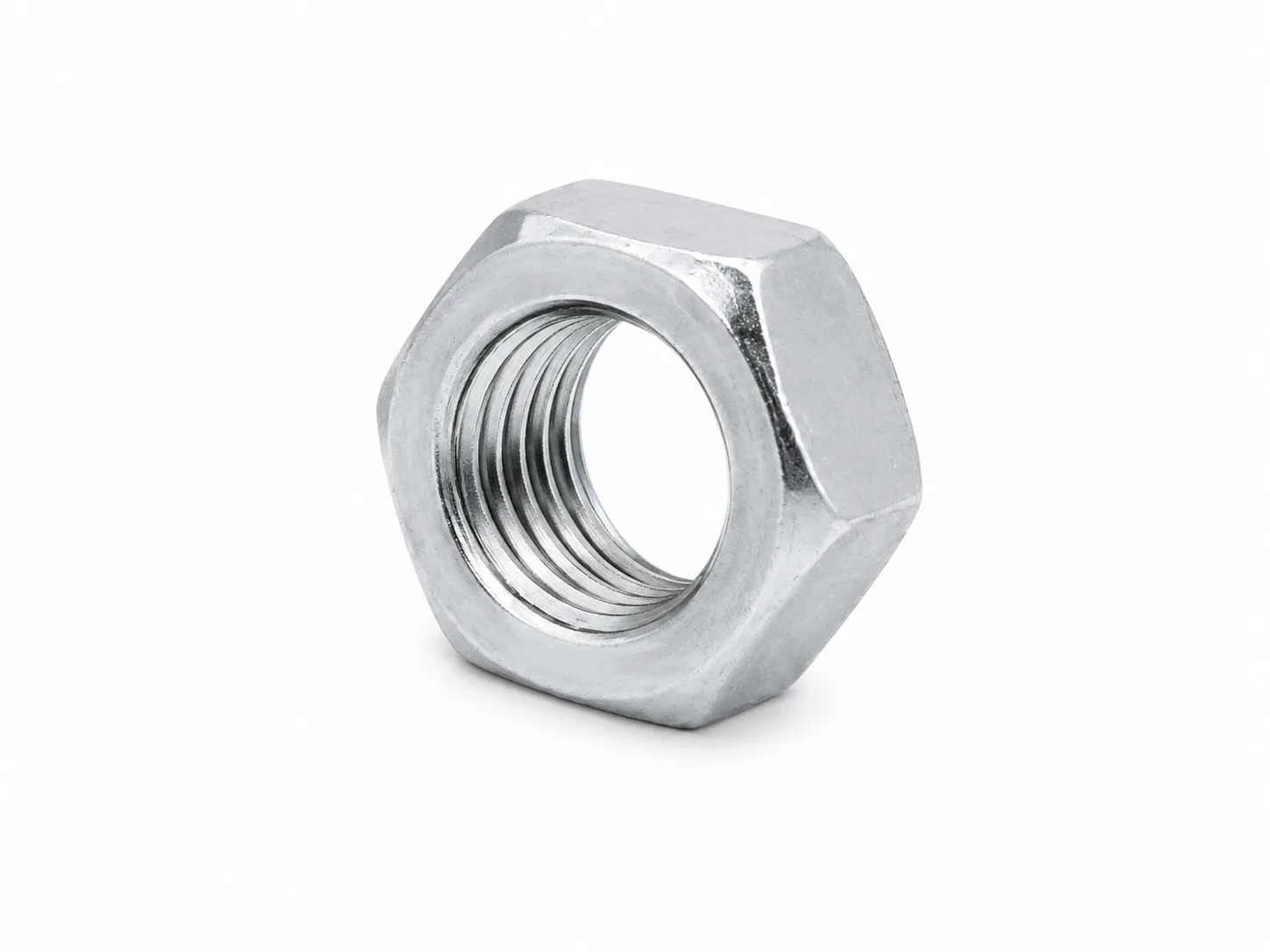
Nut Stripping and Corrosion: Common Causes, Solutions, and Prevention
Nut stripping and corrosion are common issues in fastener use, which can lead to reduced clamping force, difficult disassembly, or even connection failure. Proper selection of strength grade, thread specification, installation torque, and anti-corrosion treatment can significantly reduce such problems.
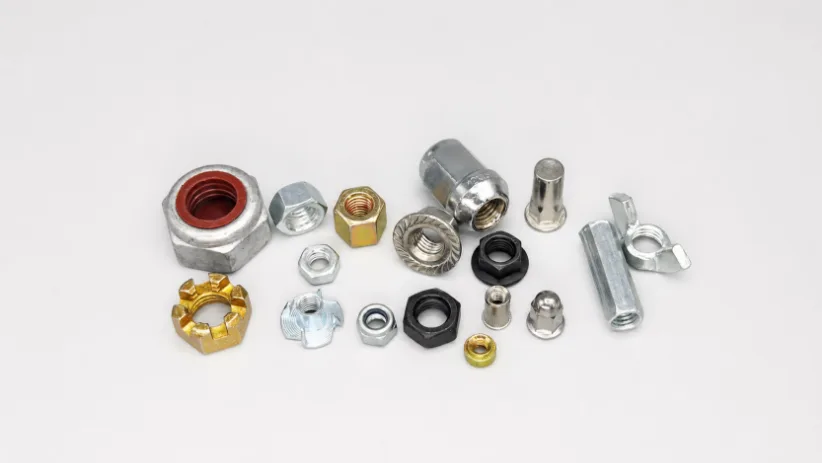
Why do nuts strip and corrode?
In mechanical equipment, steel structures, construction, and industrial installations, the condition of nuts directly affects the reliability of the entire connection. Stripping and corrosion are two common failure modes.
1. Nut Stripping
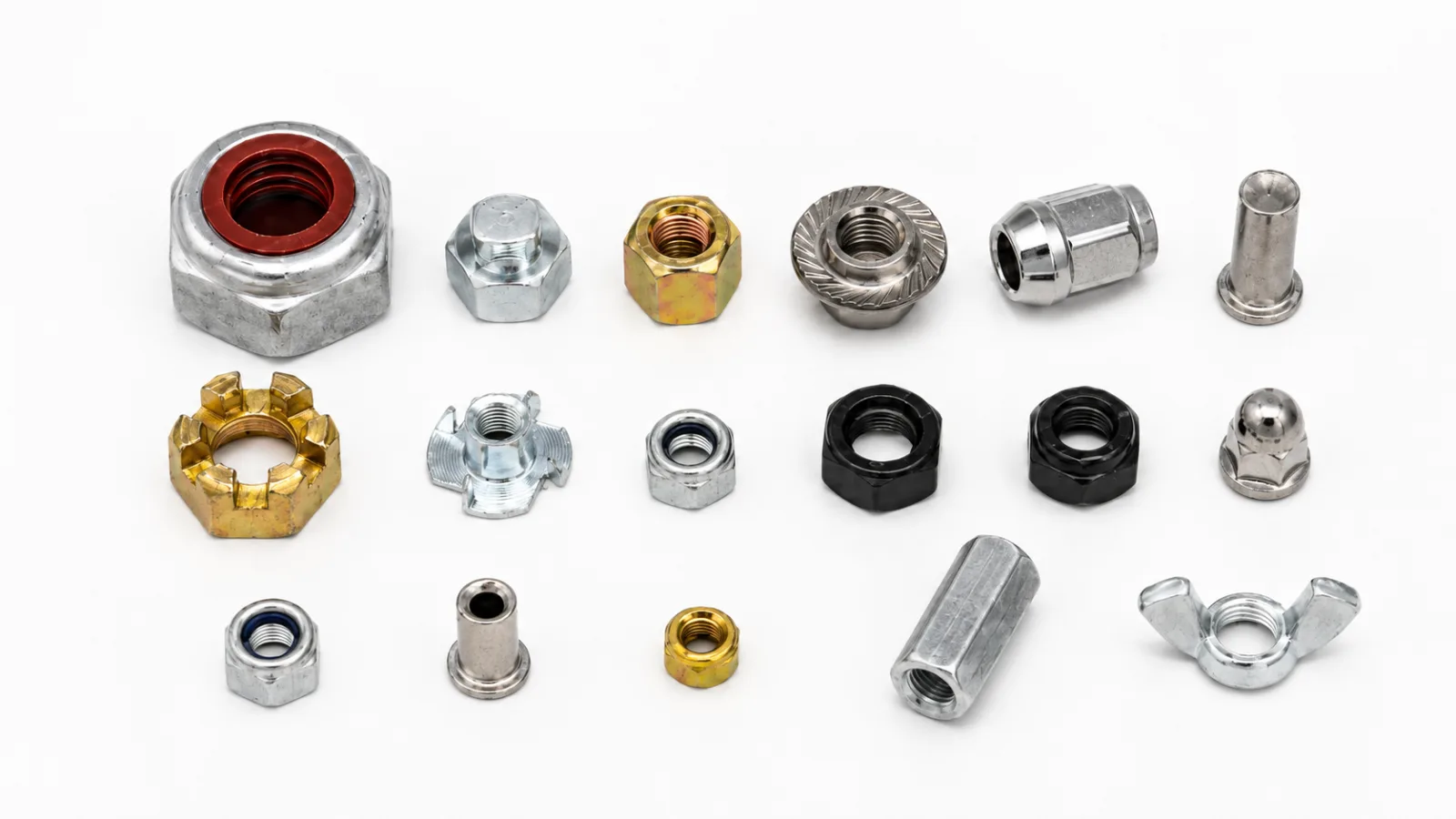
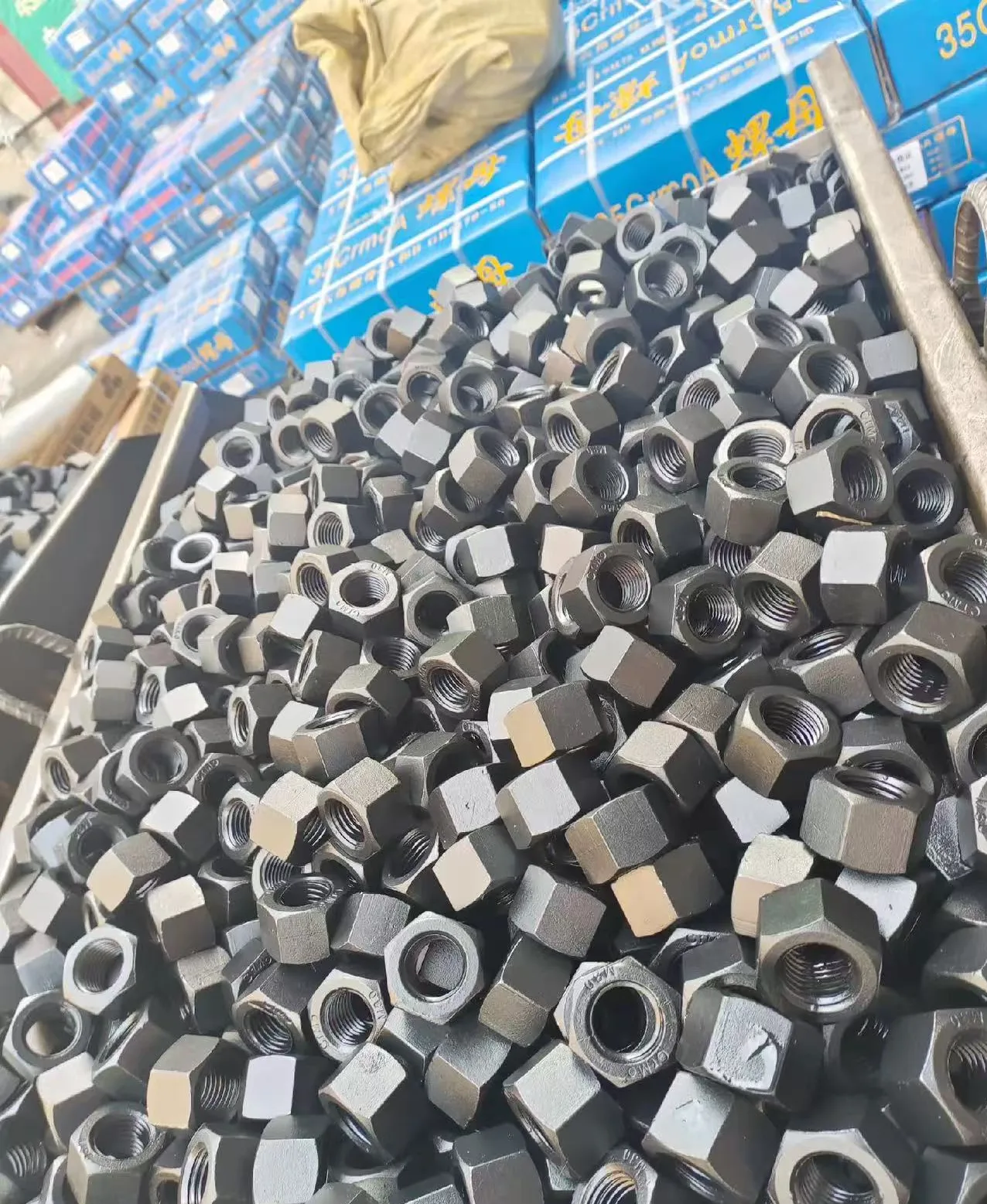
Nut stripping typically manifests as the nut continuing to rotate but failing to achieve proper clamping force. Common causes include mismatched strength grades between bolt and nut, mixing coarse and fine threads, cross-threading, defective thread machining, and excessive tightening torque.
For minor thread damage, you can inspect or clean the threads, but if there is obvious thread stripping, deformation, or inability to reach specified torque, it is recommended to replace the nut directly. For critical load-bearing connections, if the bolt threads are also damaged, replace both the bolt and nut.
2. Nut Corrosion
Carbon steel nuts exposed to humid, rainy, coastal, or corrosive environments for extended periods are prone to corrosion. Severe corrosion not only affects appearance but can also reduce thread cross-section, decrease clamping performance, and make disassembly difficult.
Light surface rust can be cleaned and re-treated with anti-corrosion measures. For severe corrosion, obvious thread deformation, or reduced material cross-section, replace promptly.
3. How to Avoid Stripping and Corrosion?
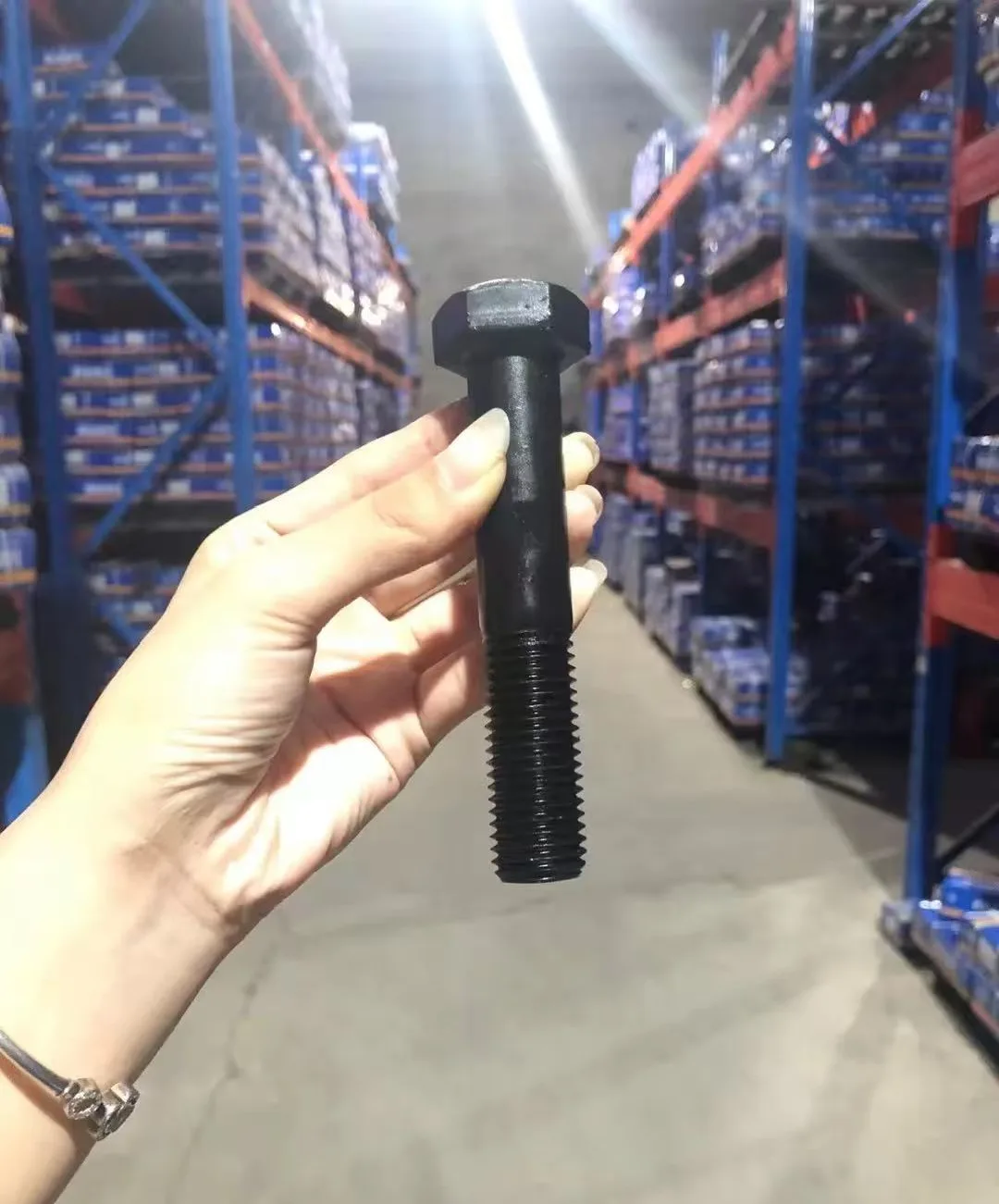
First, ensure that bolt and nut specifications and strength grades are correctly matched. For example, 8.8-grade bolts typically pair with 8-grade nuts, and 10.9-grade bolts with 10-grade nuts.
During installation, first screw in a few turns by hand to confirm proper thread engagement, then use tools and tighten to the specified torque, avoiding over-tightening with impact tools.
For outdoor, high-humidity, or corrosive environments, choose anti-corrosion solutions such as electroplating, hot-dip galvanizing, zinc-aluminum coating, or stainless steel based on service conditions.
A stable fastening connection depends not only on the strength of the bolt and nut themselves but also on correct specification matching, installation methods, and surface protection.
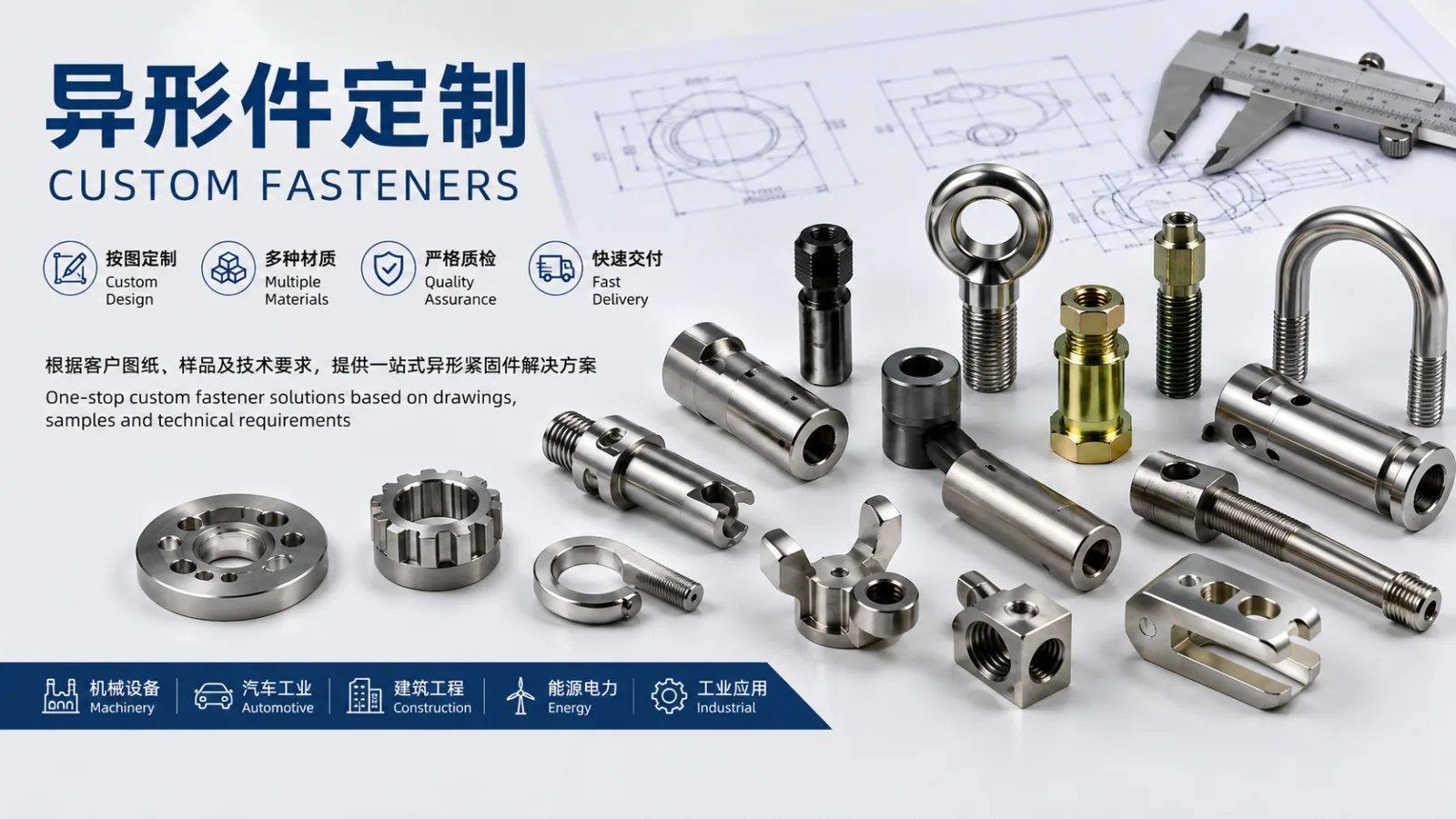
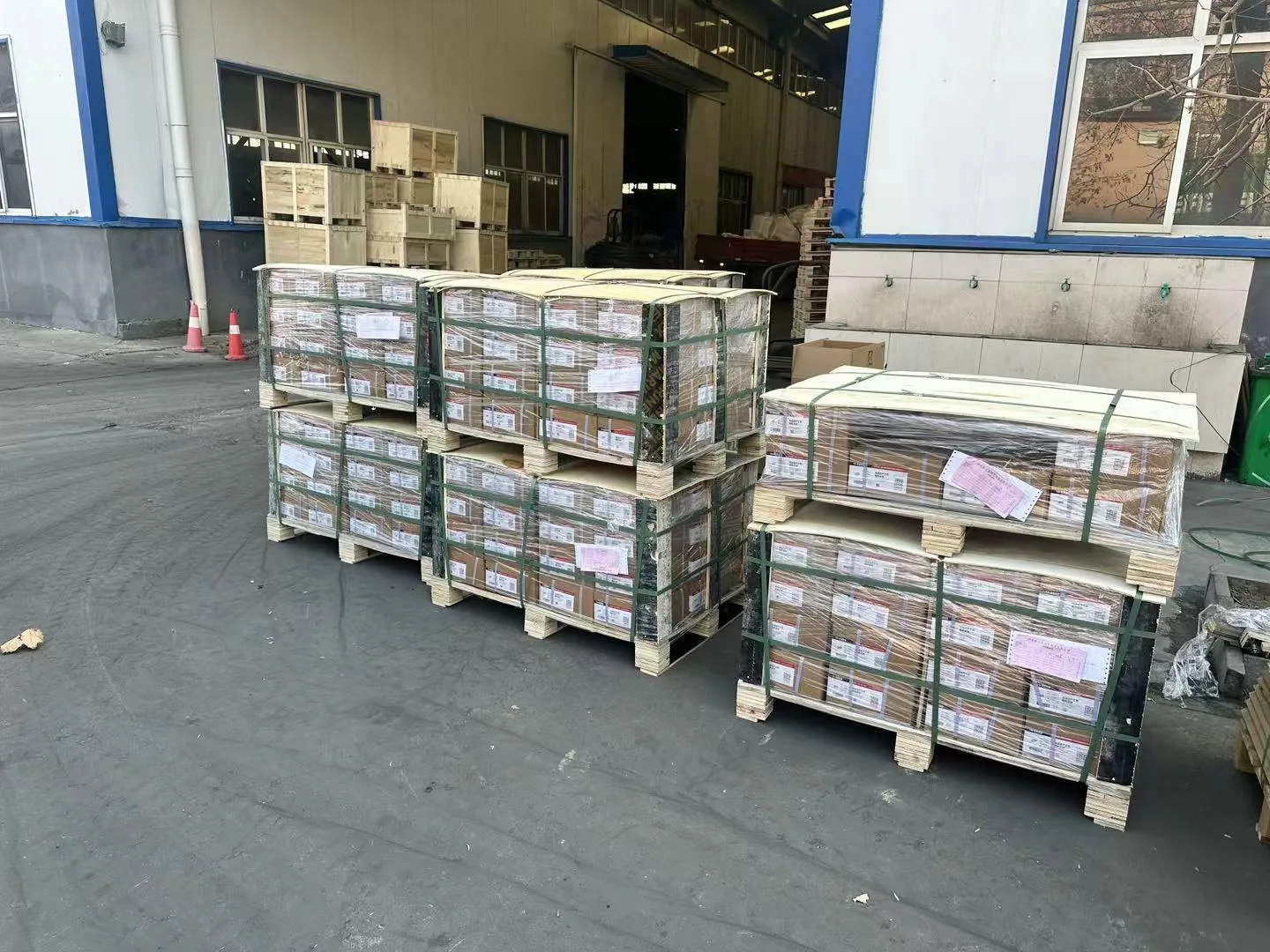
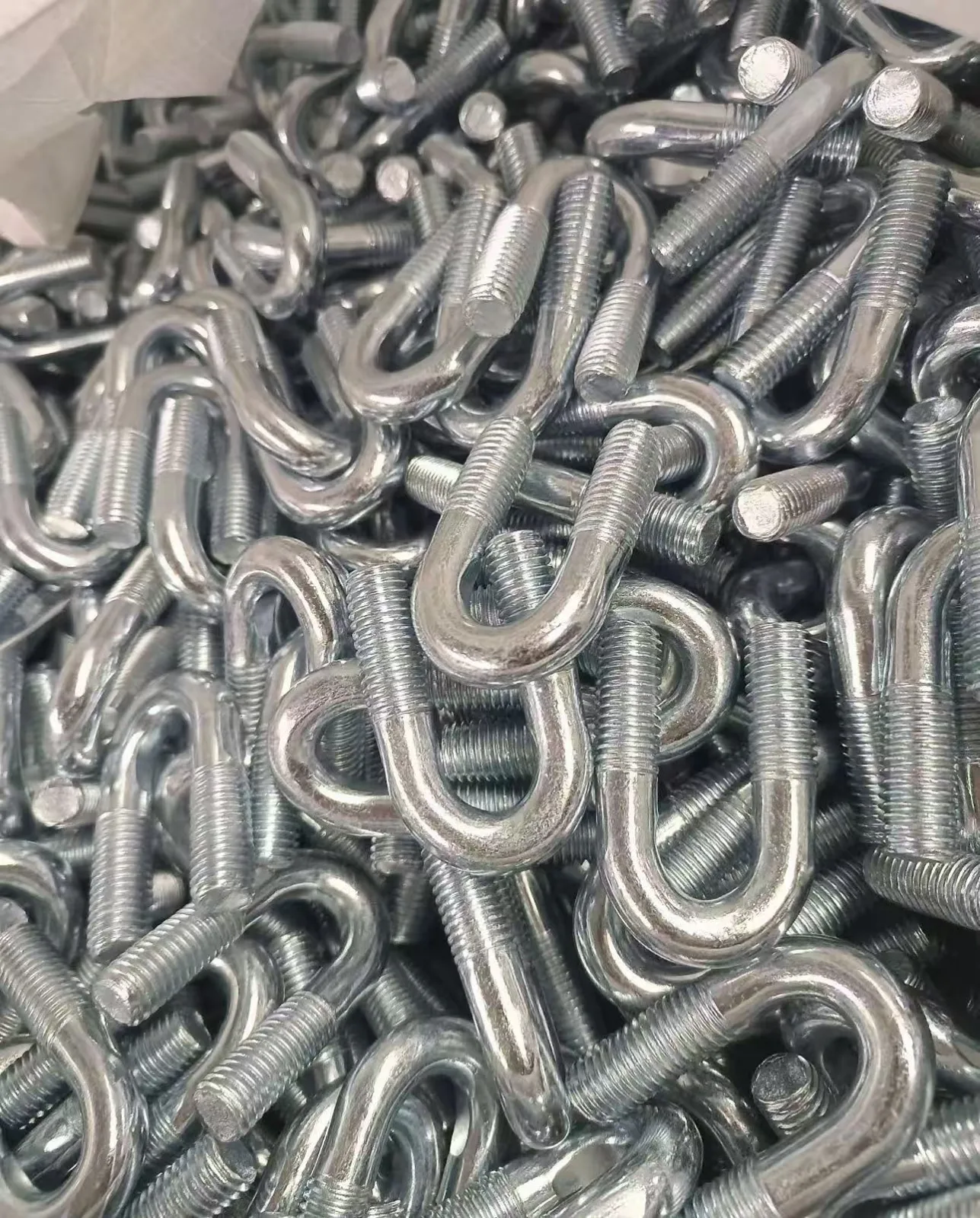
WT Fasteners can provide bolts, nuts, and custom fasteners in various grades, materials, and surface treatments according to customer drawings, standards, and application environments.