Renewable Energy Power Generation Continues to Expand, Grid and Energy Storage Fastener Market Gains Attention
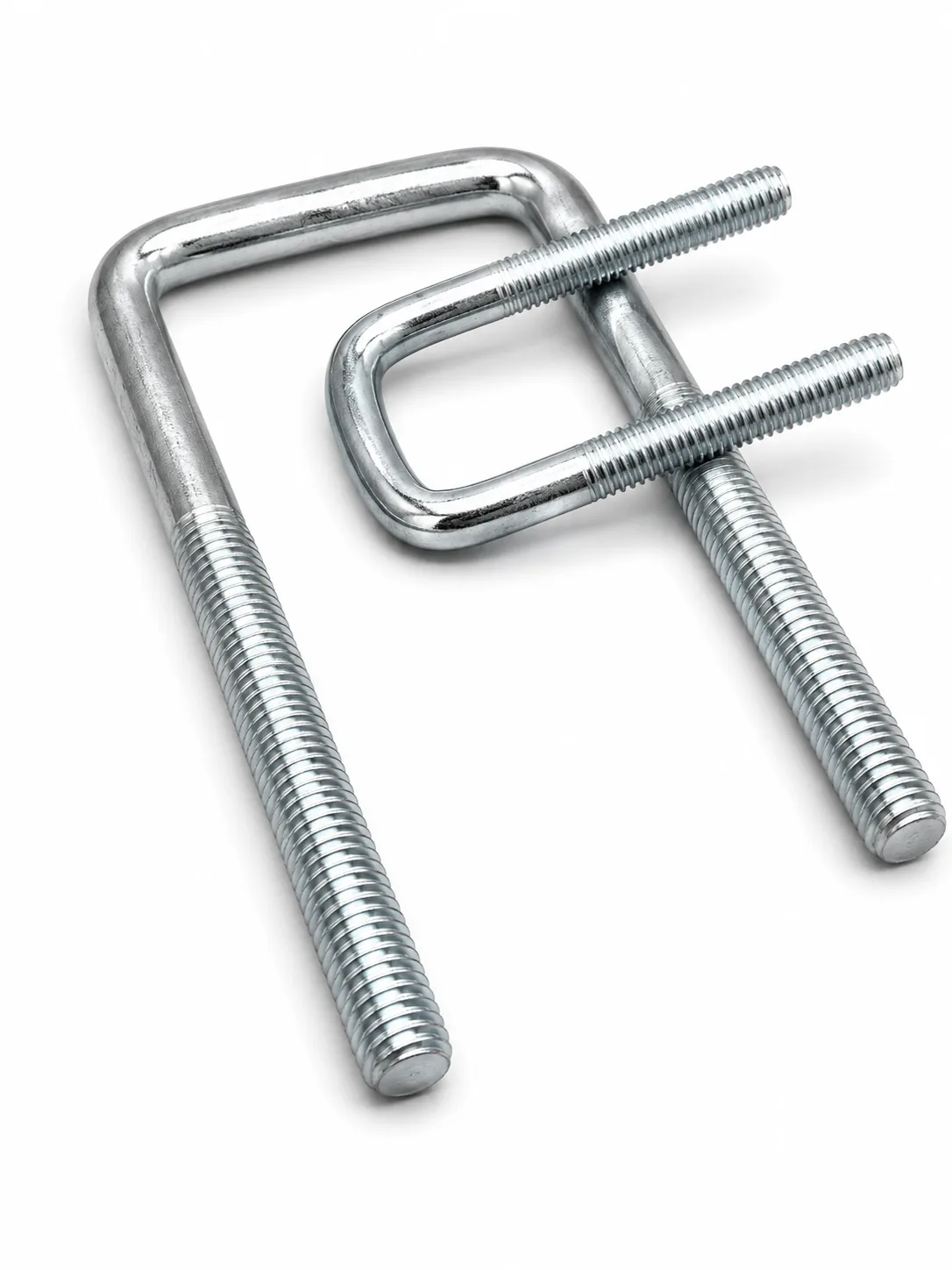
As solar and wind power generation increases, new construction demands arise for transmission lines, substations, energy storage systems, and power equipment. The market for power tower bolts, U-bolts, anchor bolts, and corrosion-resistant fasteners is further expanding.
The global power system is undergoing rapid changes. According to data from the International Energy Agency, global new renewable energy installed capacity will reach approximately 800 GW in 2025, with solar photovoltaics accounting for more than three-quarters of the new capacity. In 2026, renewable energy generation is expected to continue growing significantly and is likely to become the world's largest source of electricity.
The rapid increase in solar and wind power projects requires not only the construction of power generation equipment but also the upgrading of transmission lines, substations, energy storage systems, and distribution facilities. New energy projects can only truly function when connected to the grid and delivering power stably.
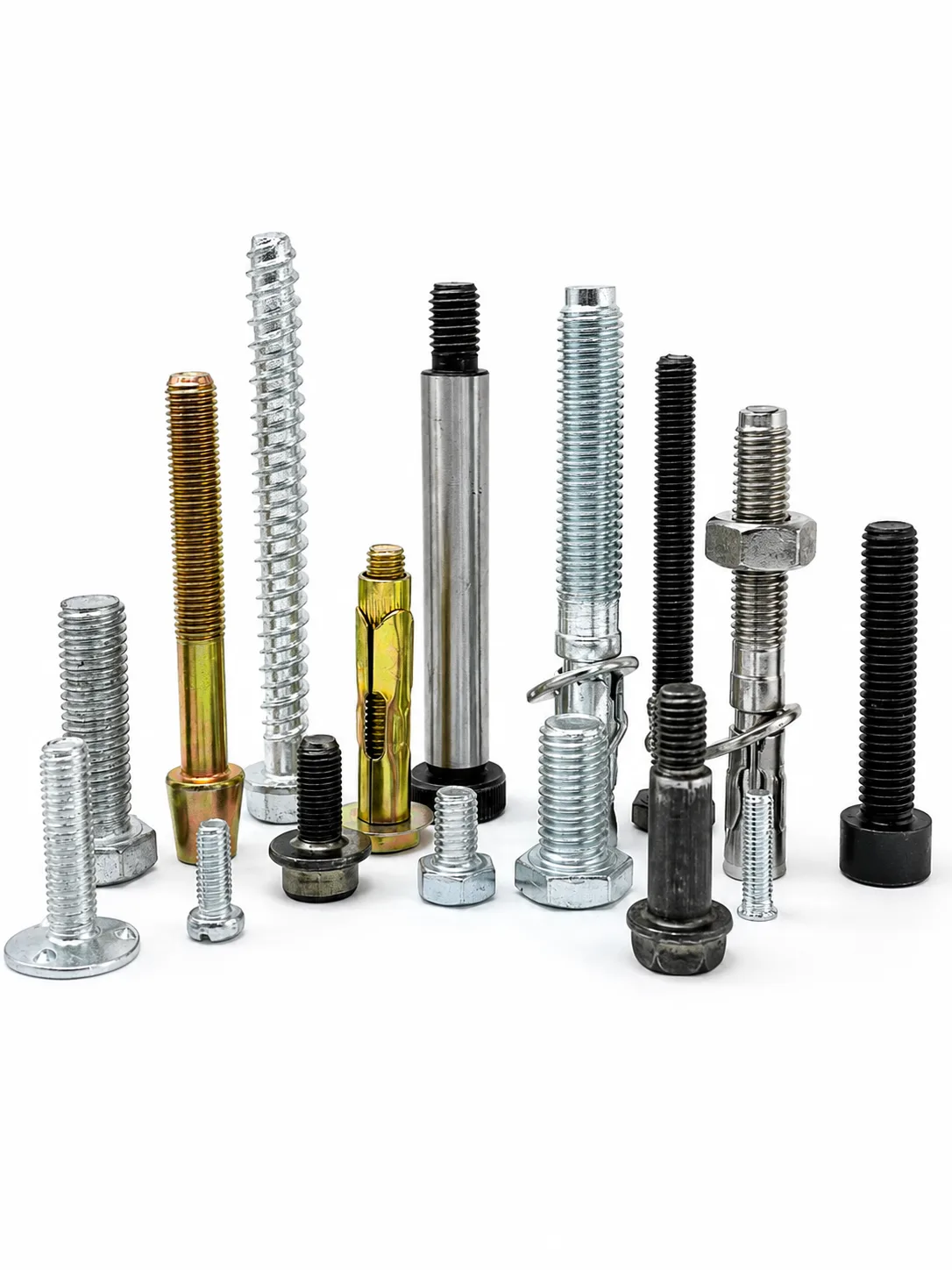
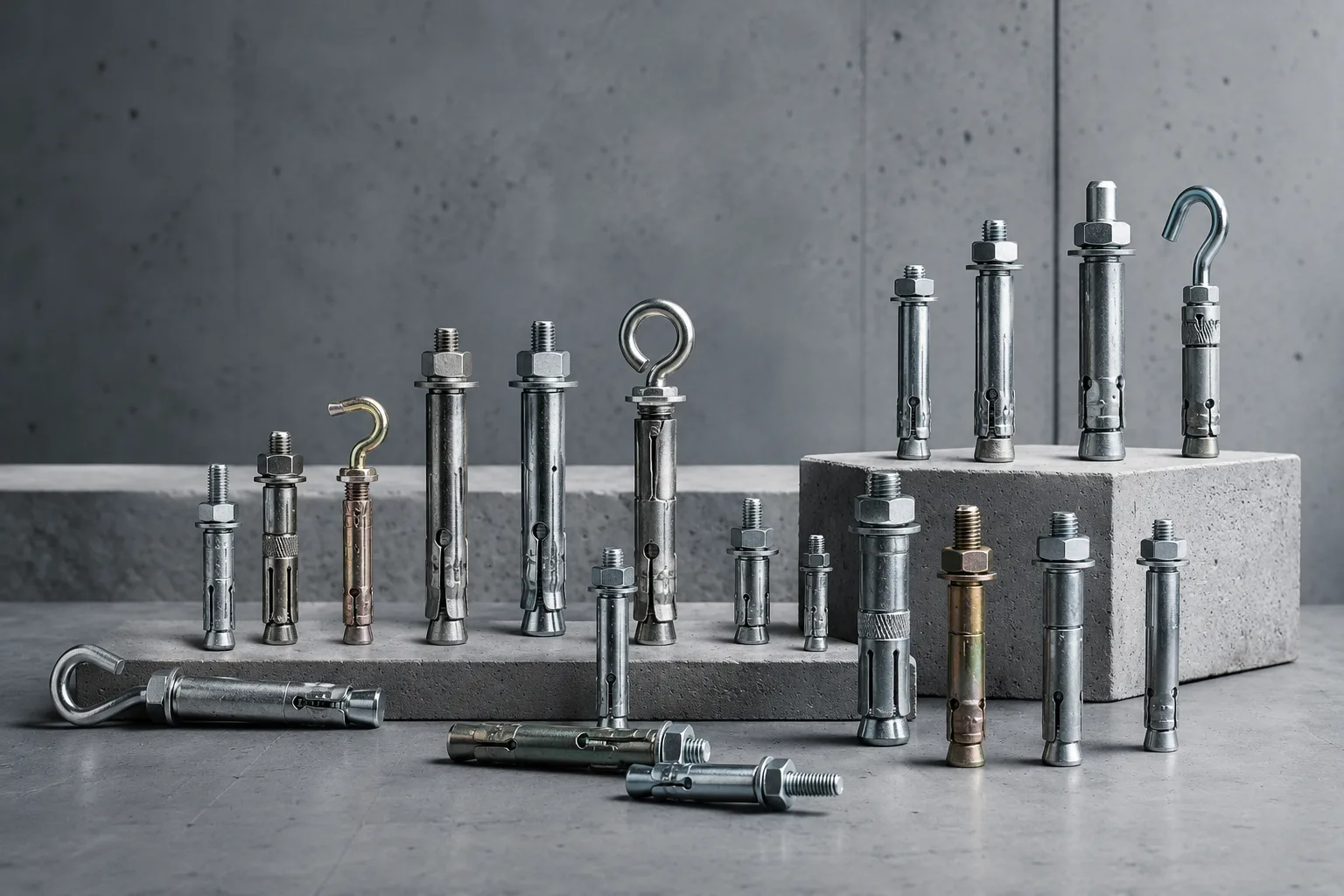
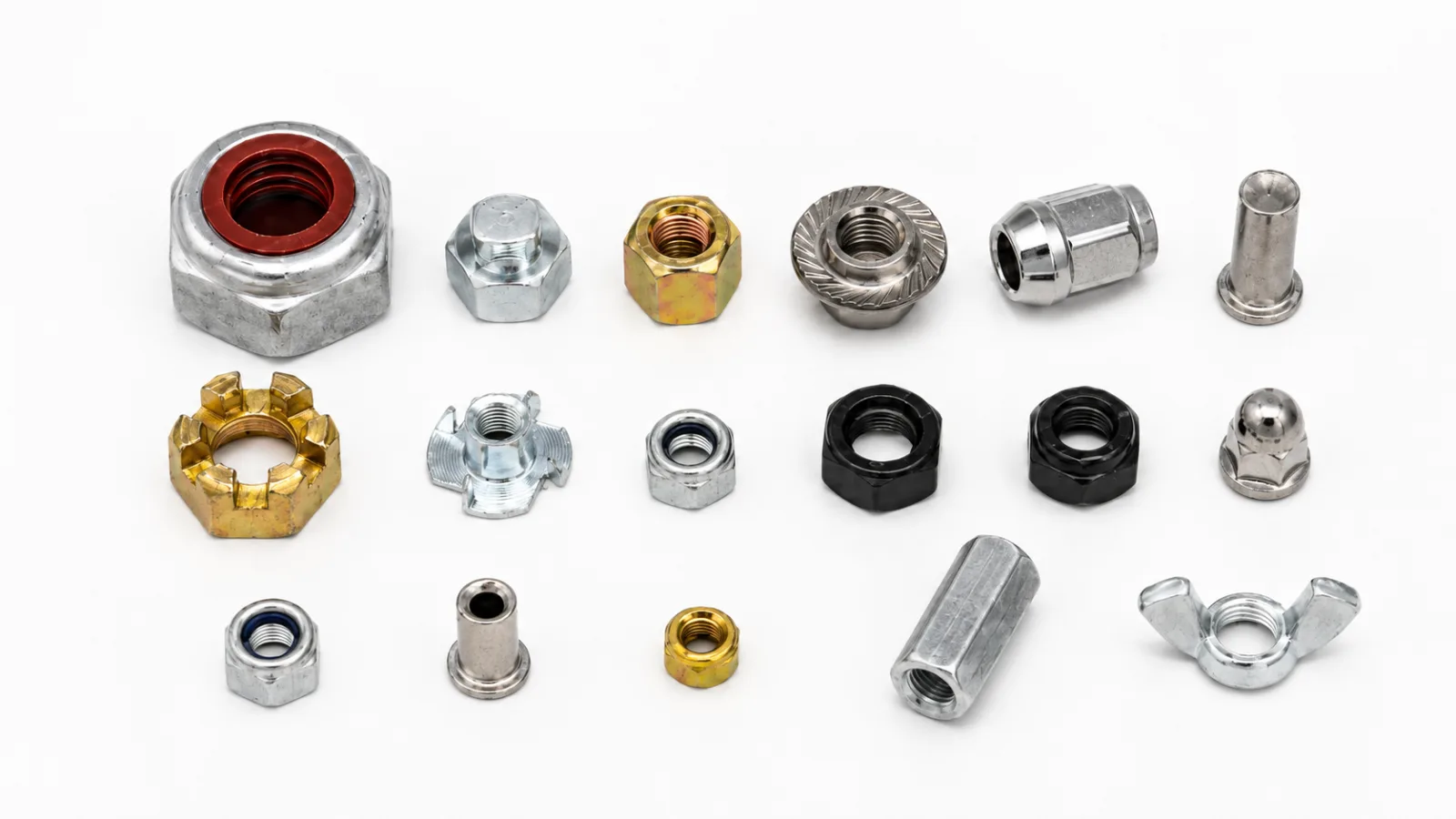
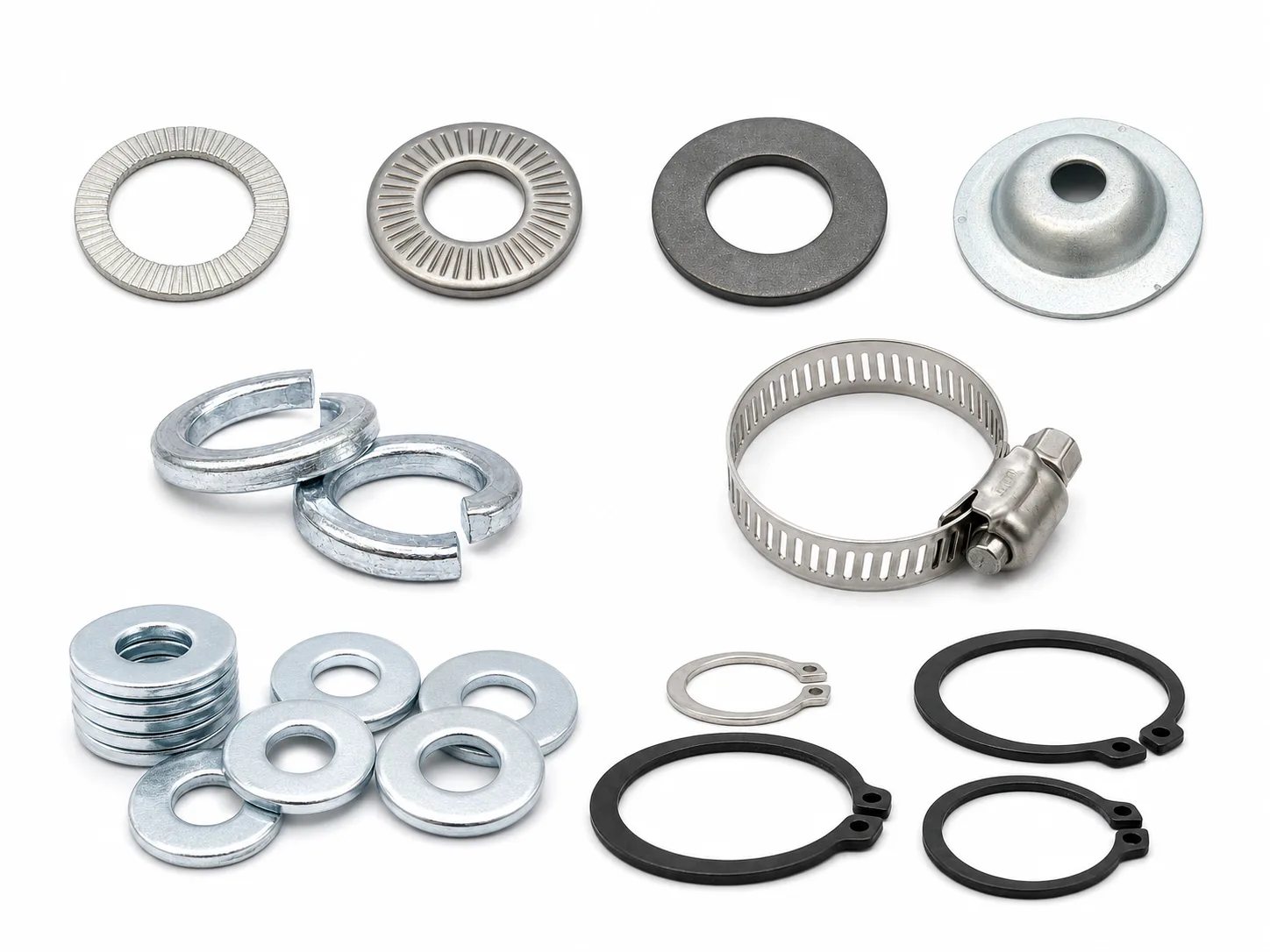
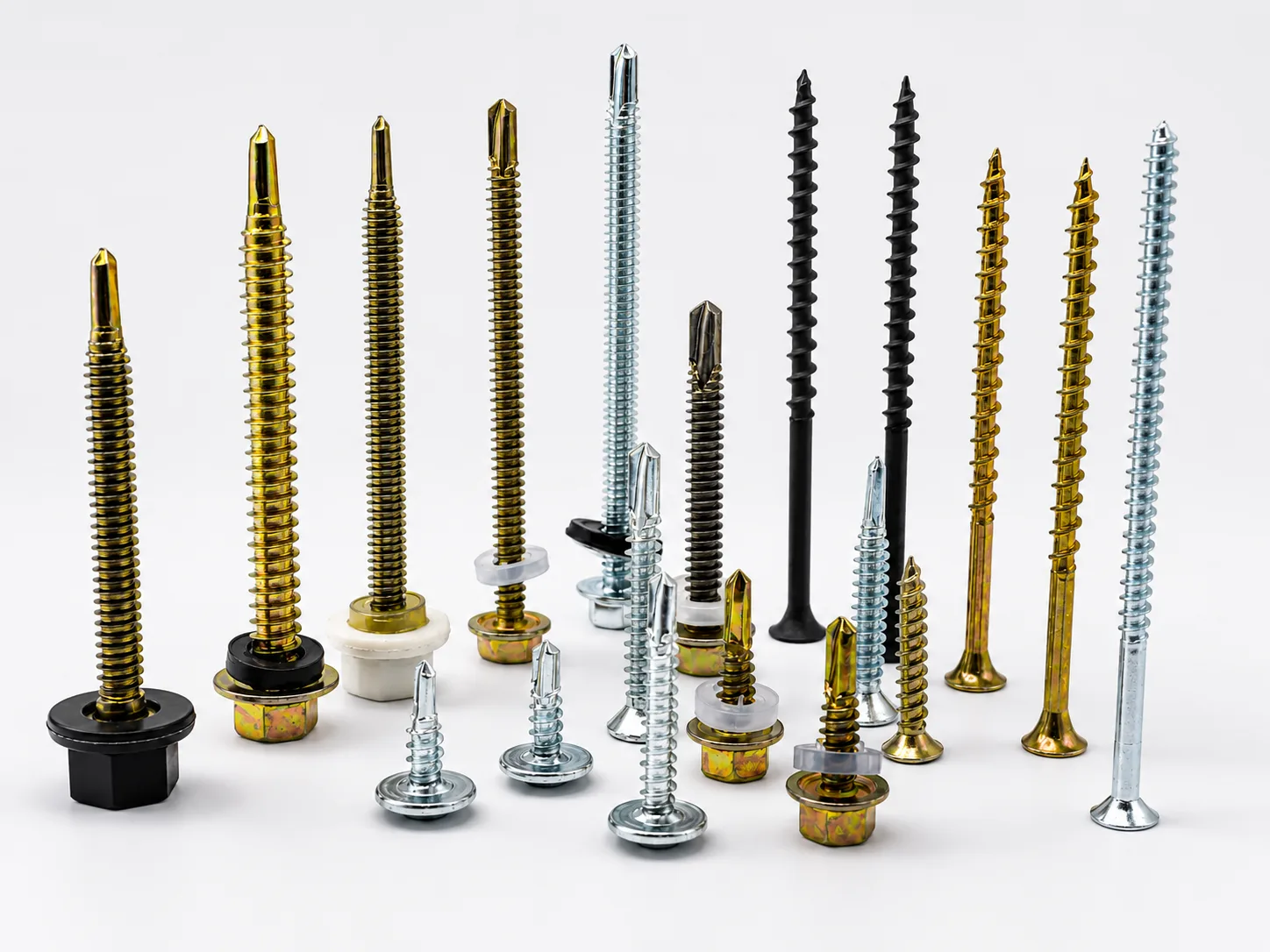
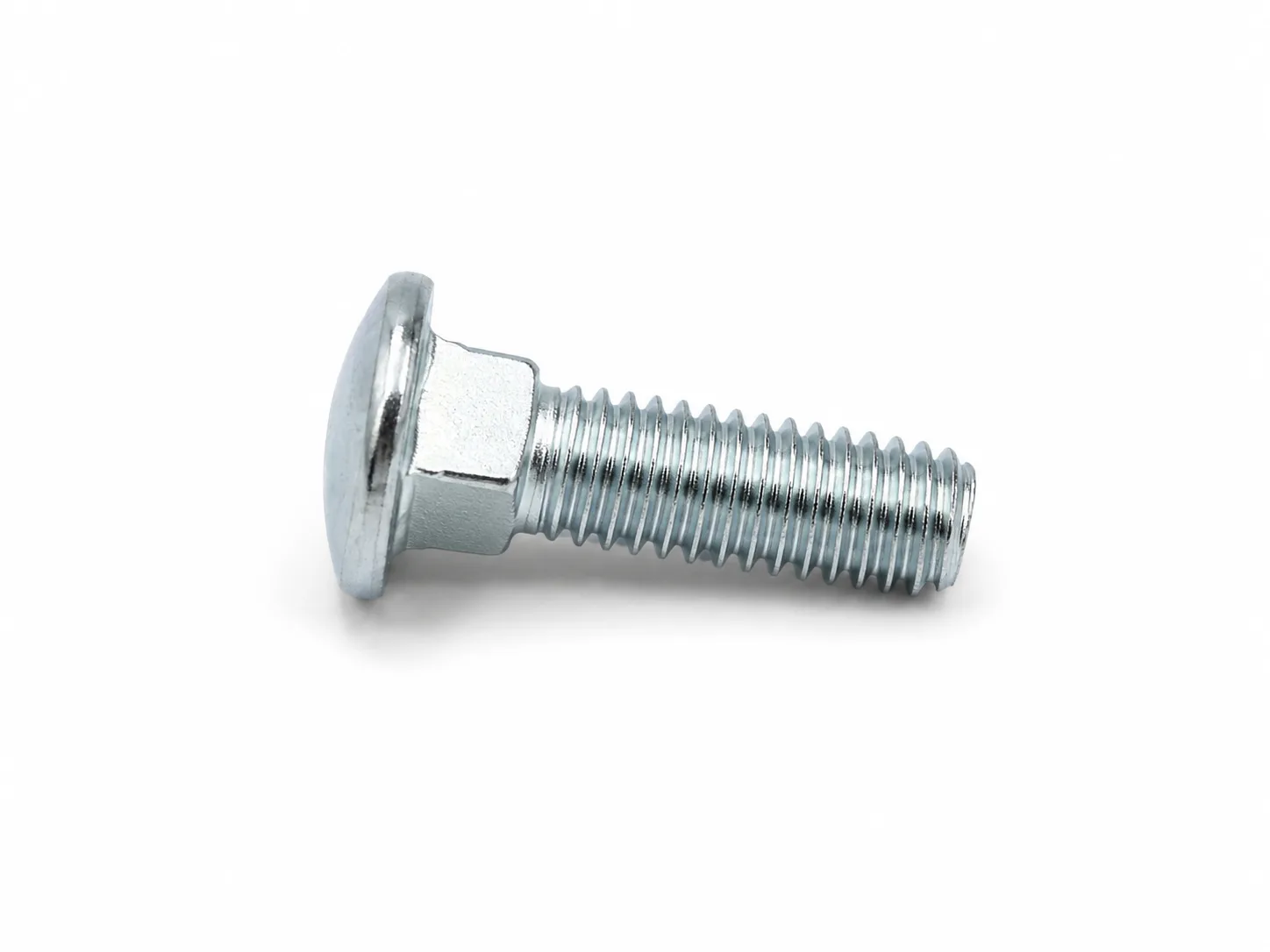
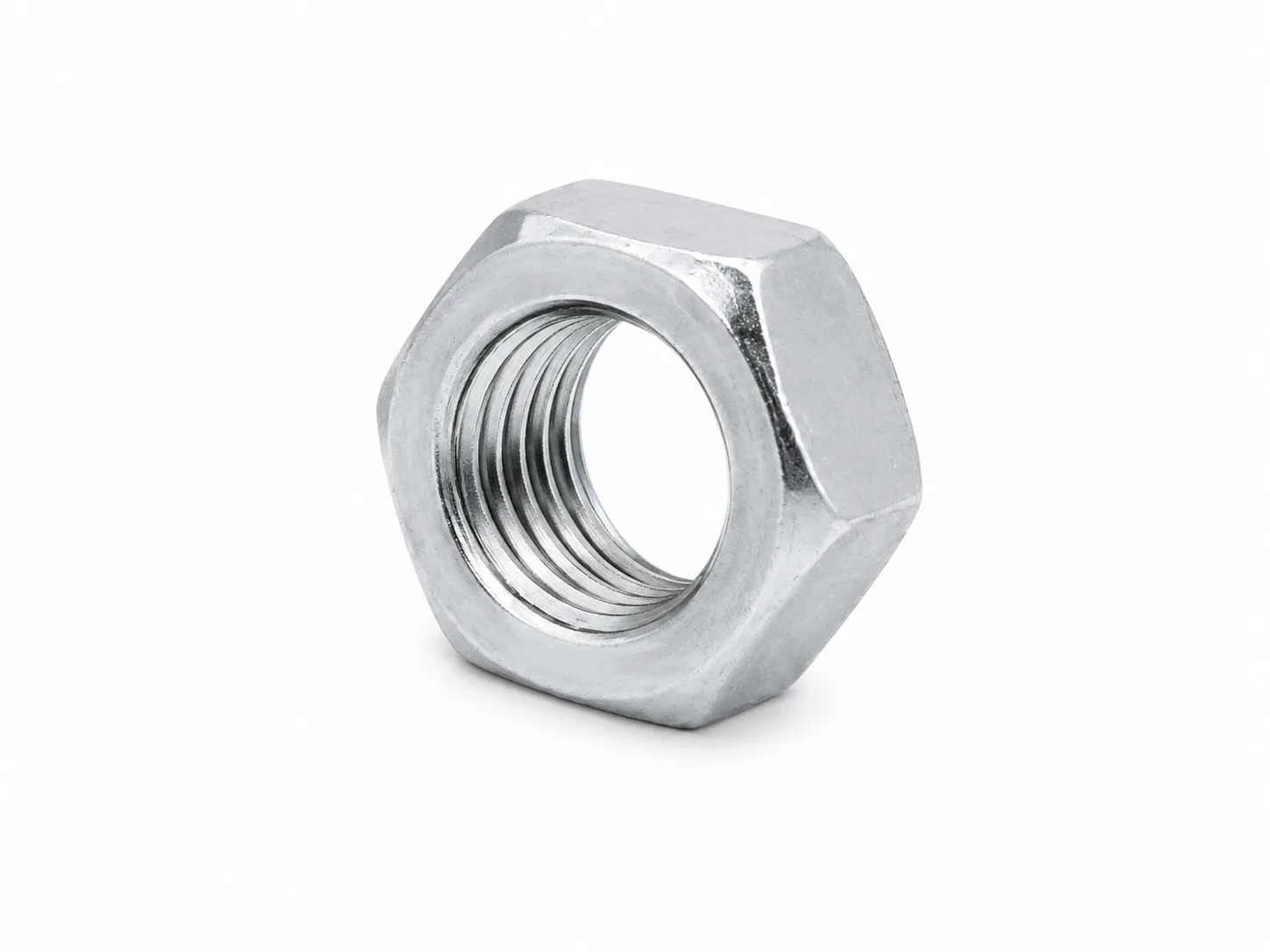
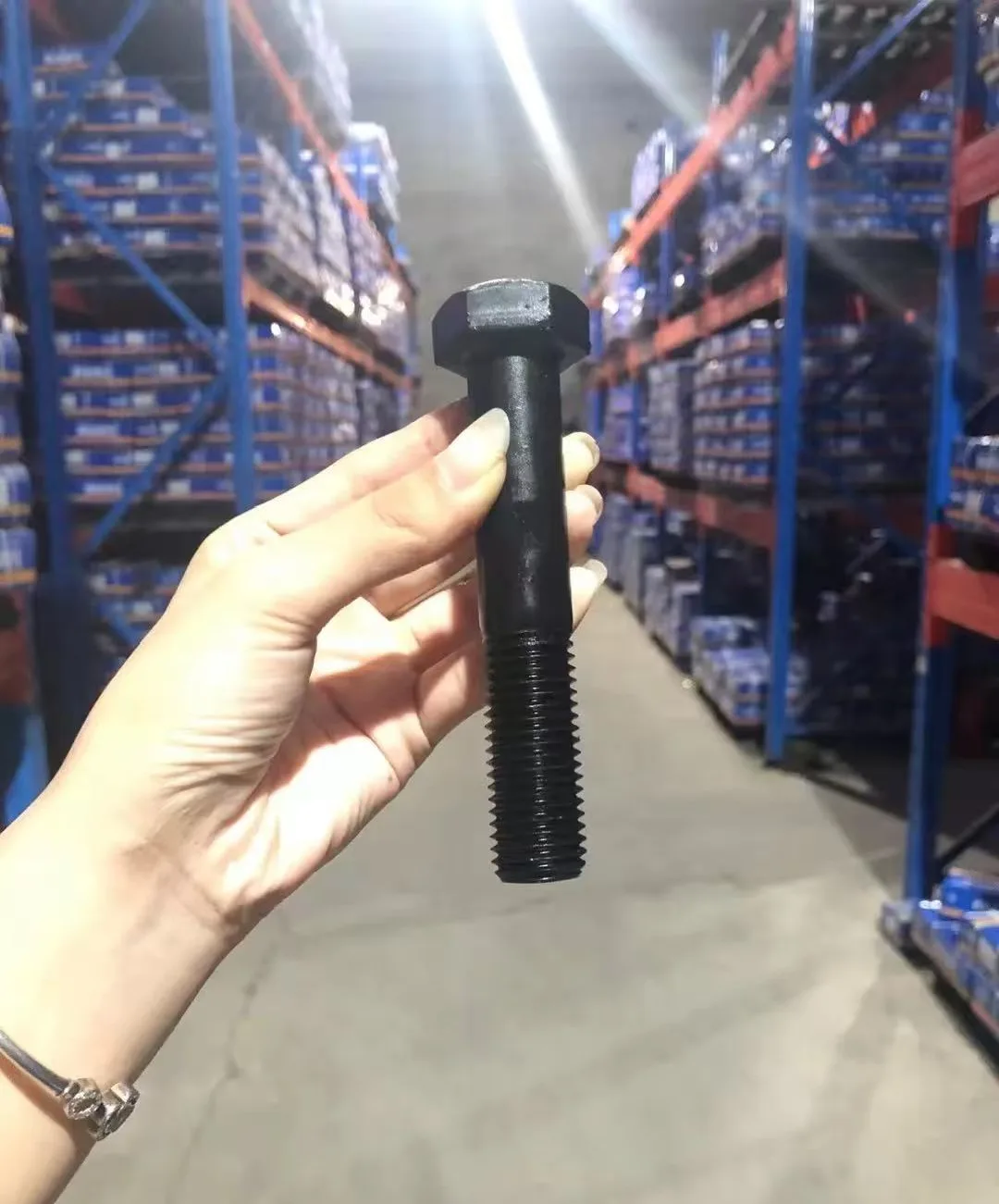
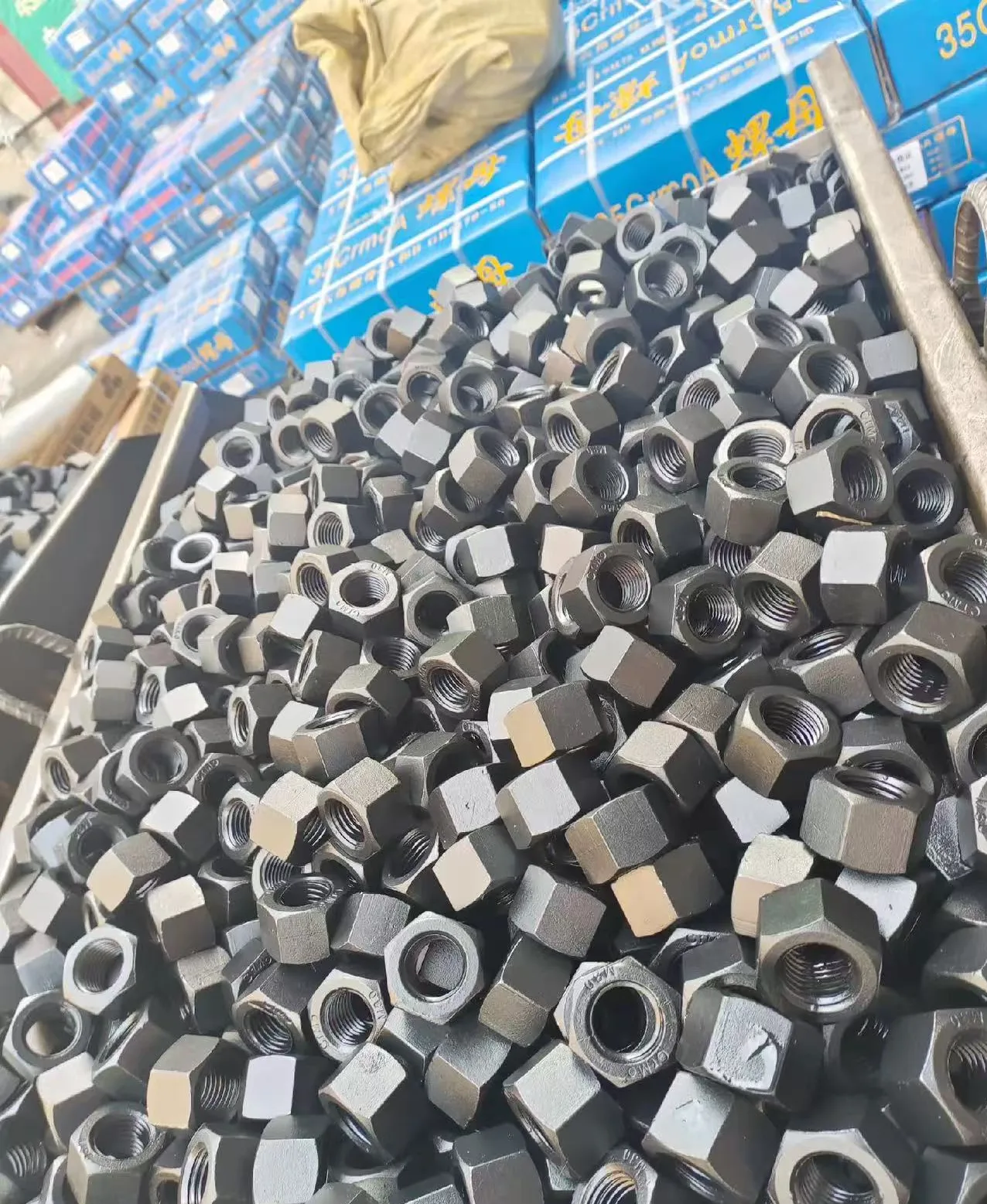
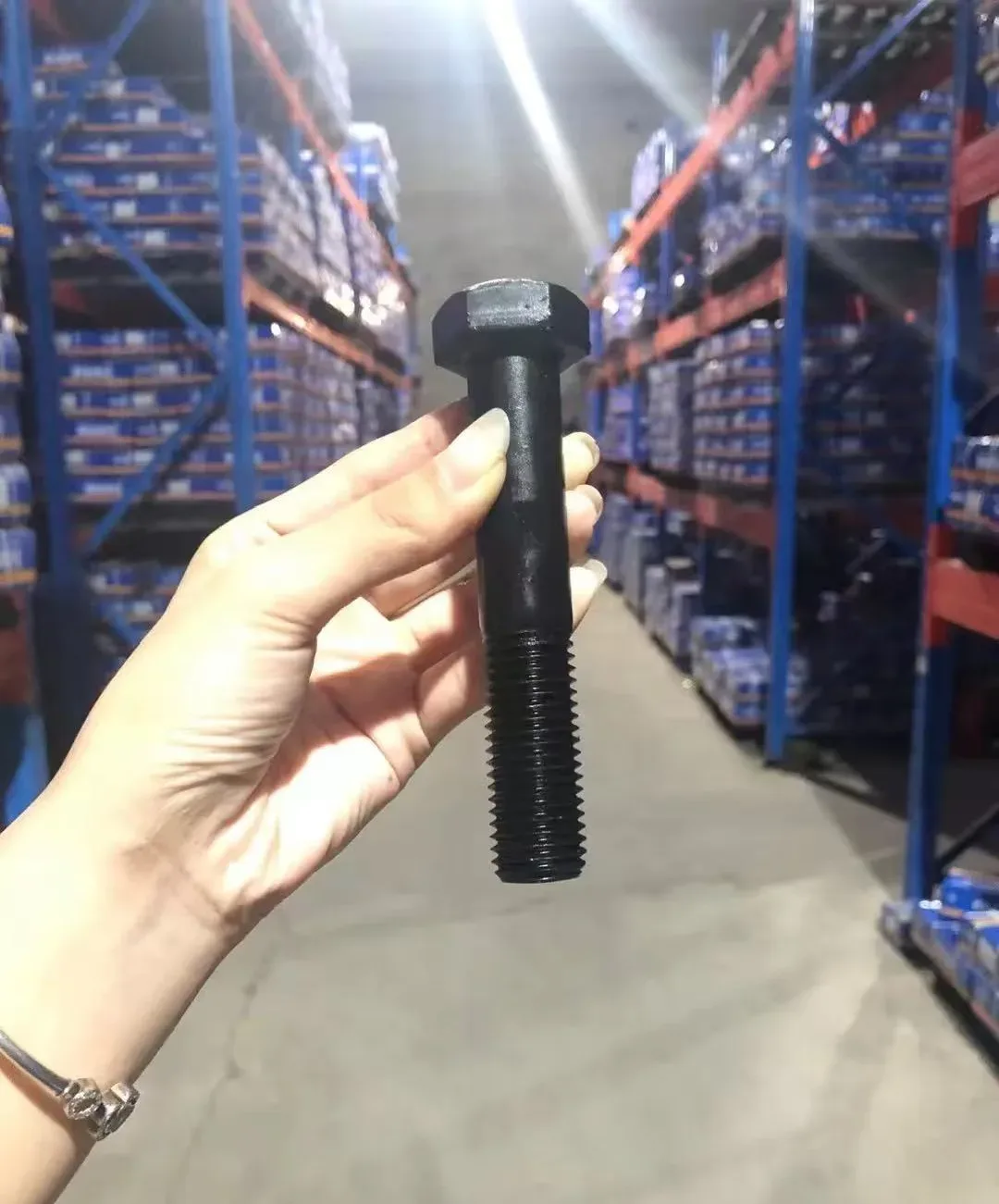
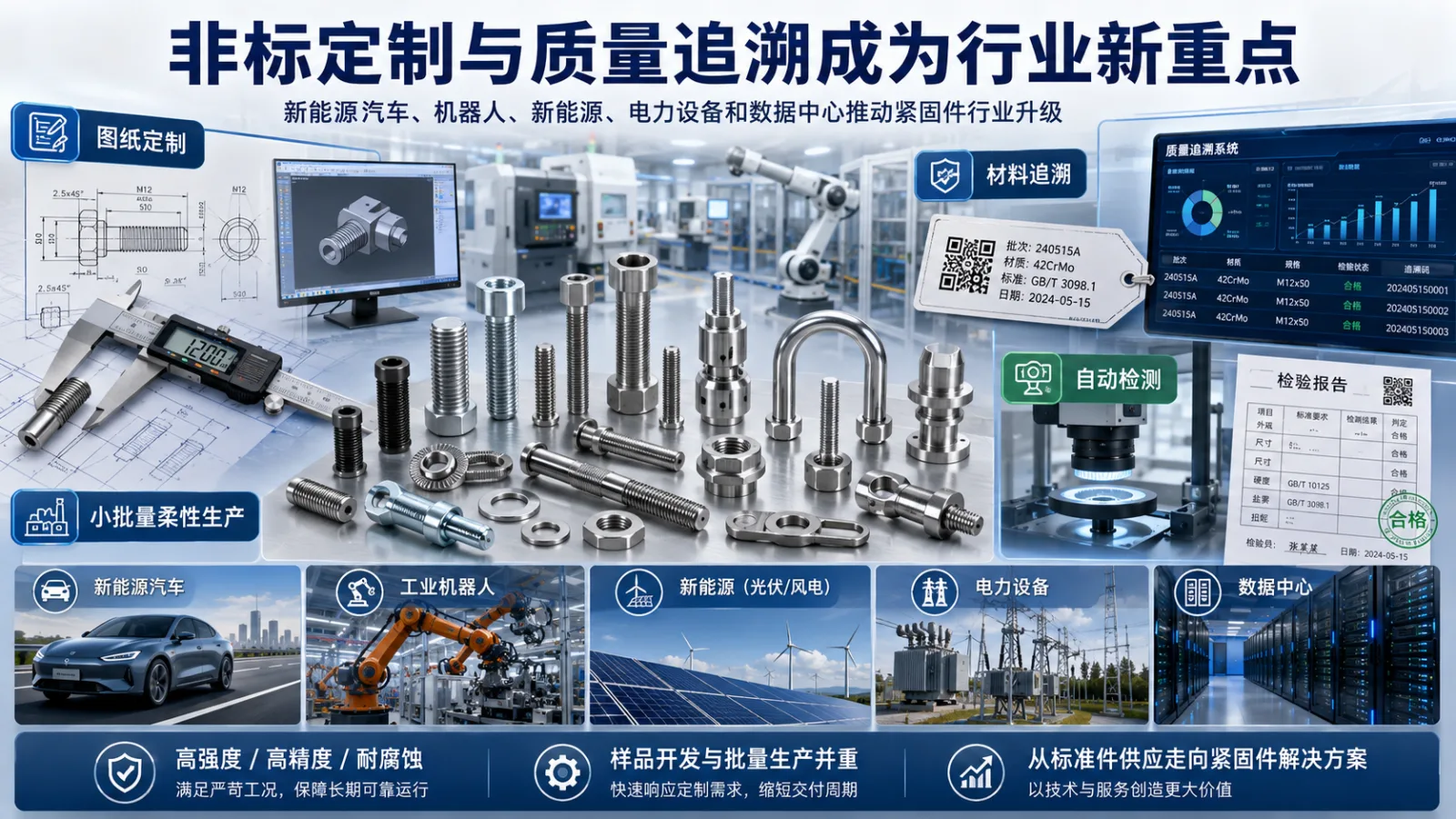
Transmission towers and substations use a large number of high-strength bolts, tower bolts, nuts, washers, anchor bolts, and U-bolts. These products are typically exposed to outdoor conditions for long periods, needing to withstand rain, wind, sand, temperature variations, and mechanical loads.
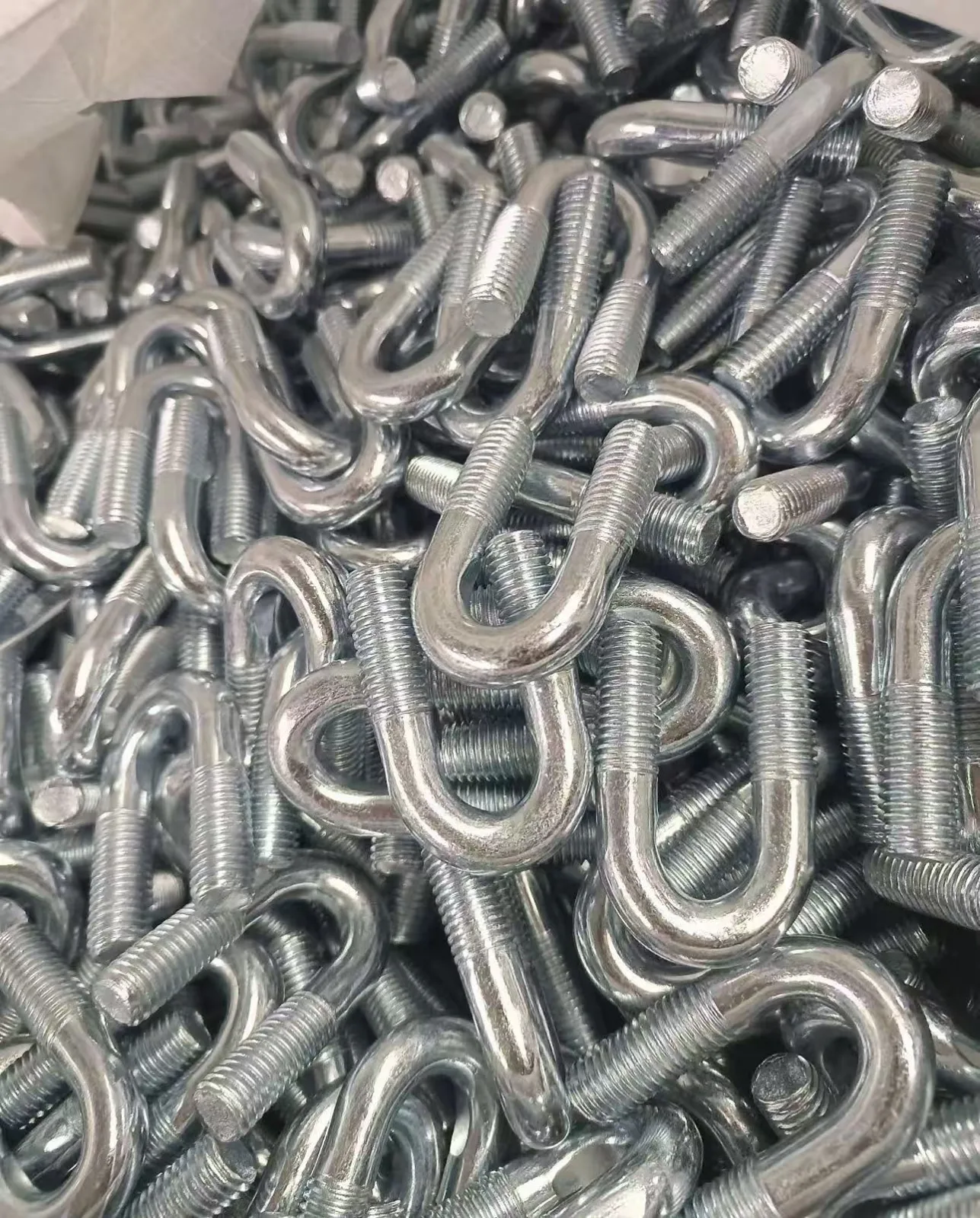
Power fasteners require high corrosion resistance. Hot-dip galvanized products are widely used in transmission and outdoor equipment, while some highly corrosive environments use stainless steel or other special coating products. Coating thickness and adhesion directly affect product lifespan.
Energy storage systems are also a new source of demand. Large battery storage stations require installation of battery cabinets, containers, electrical control equipment, and fire protection systems. Equipment bases need anchors, cabinets require precision bolts and connectors, and cable trays and pipes need brackets and U-bolts.
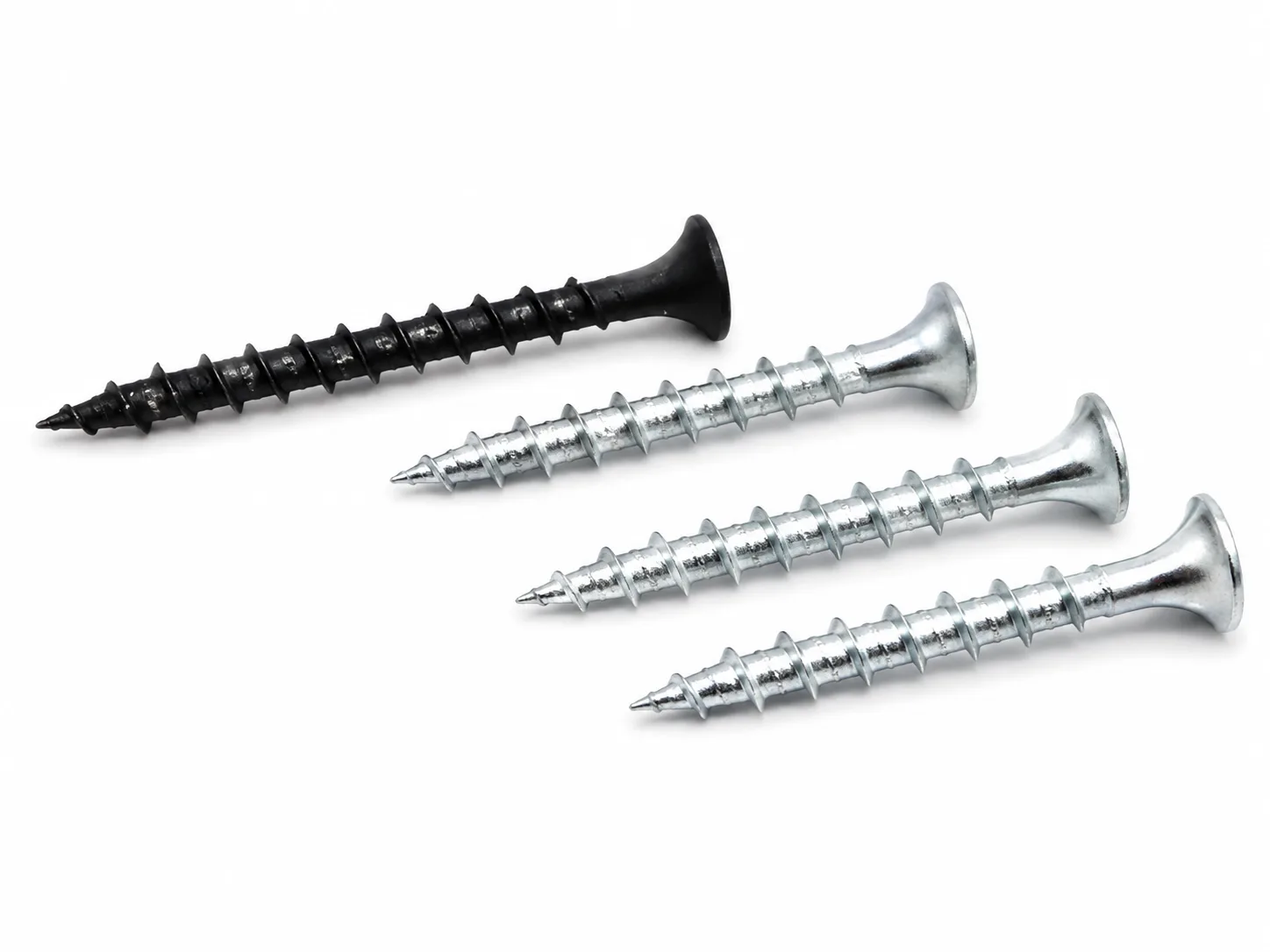
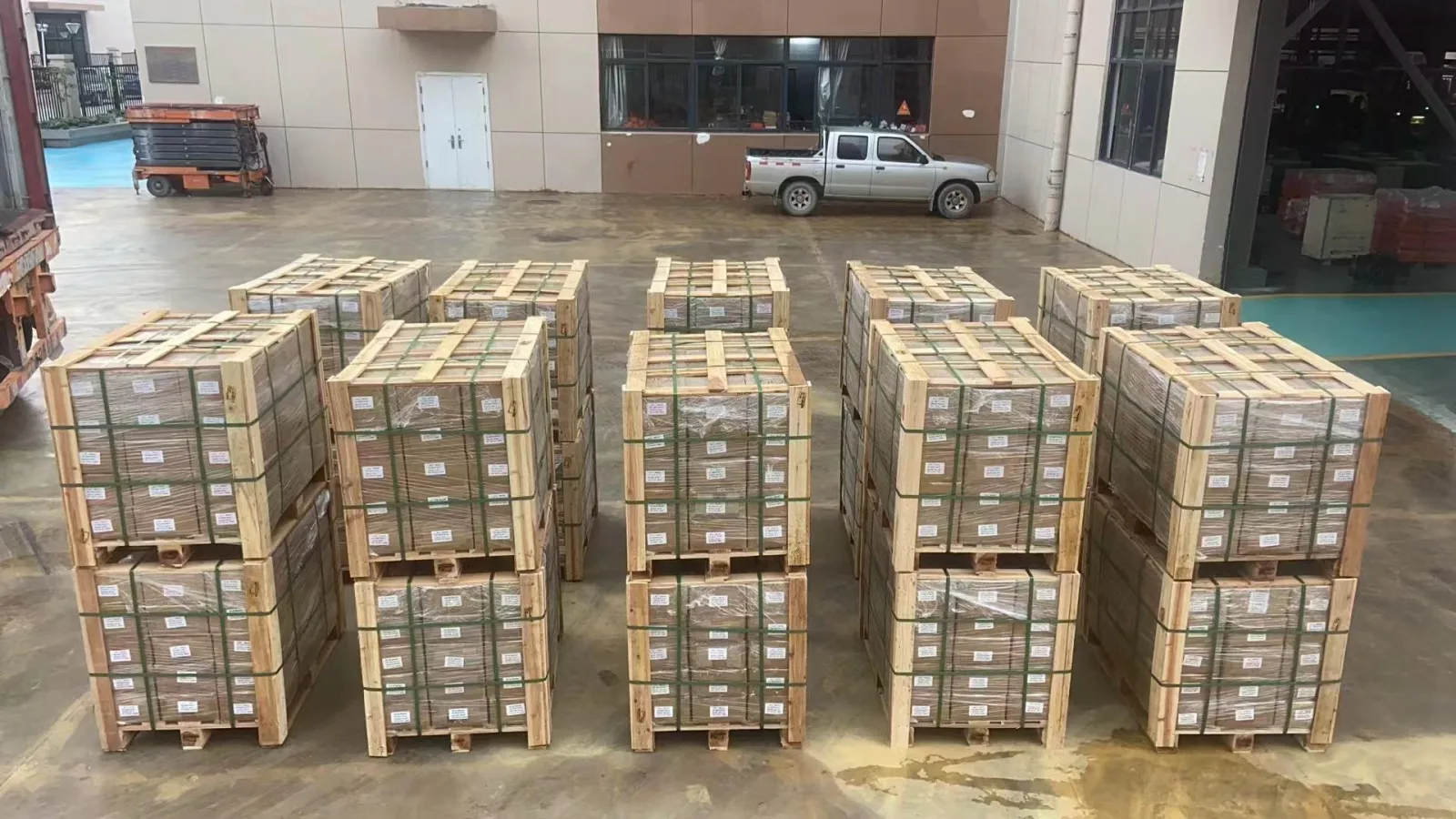
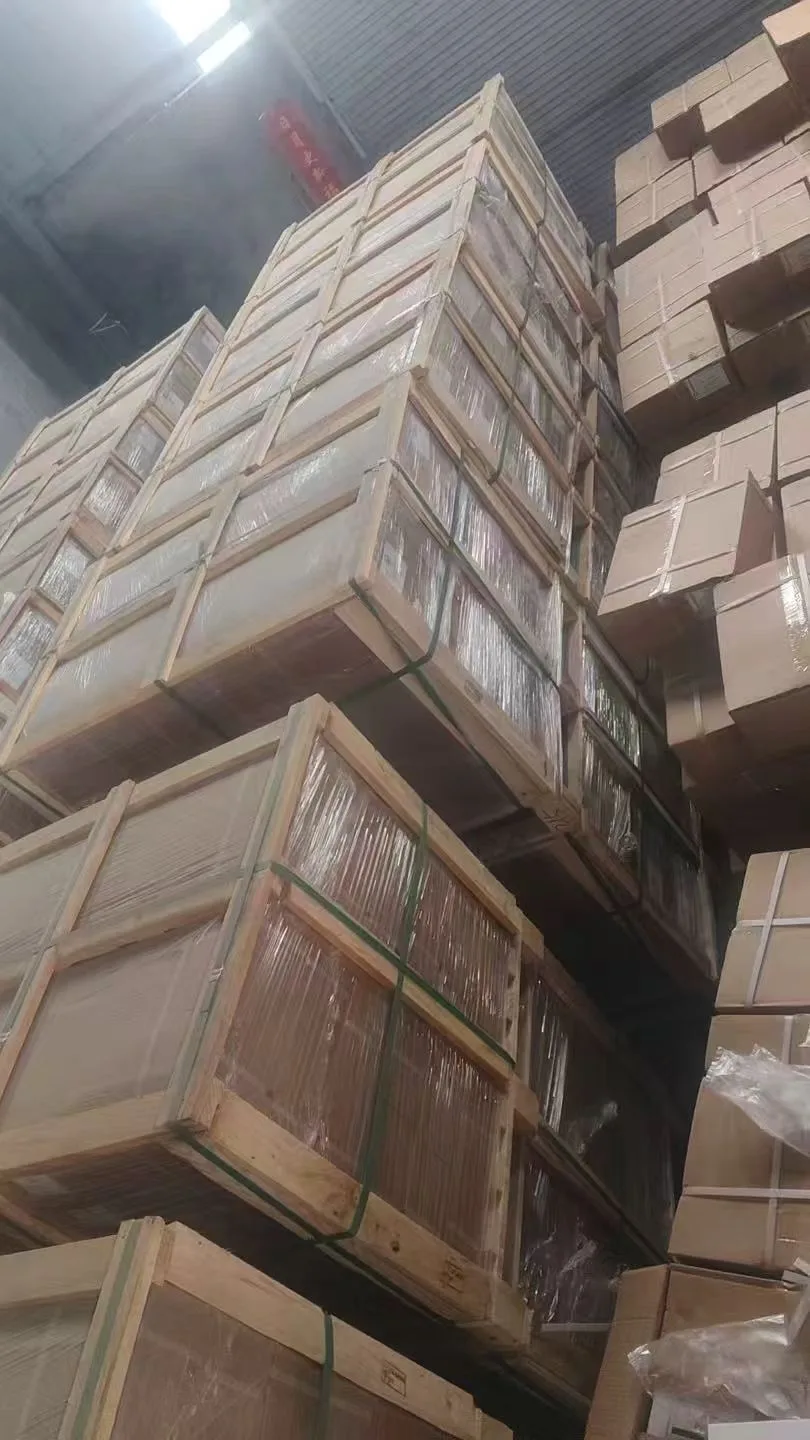
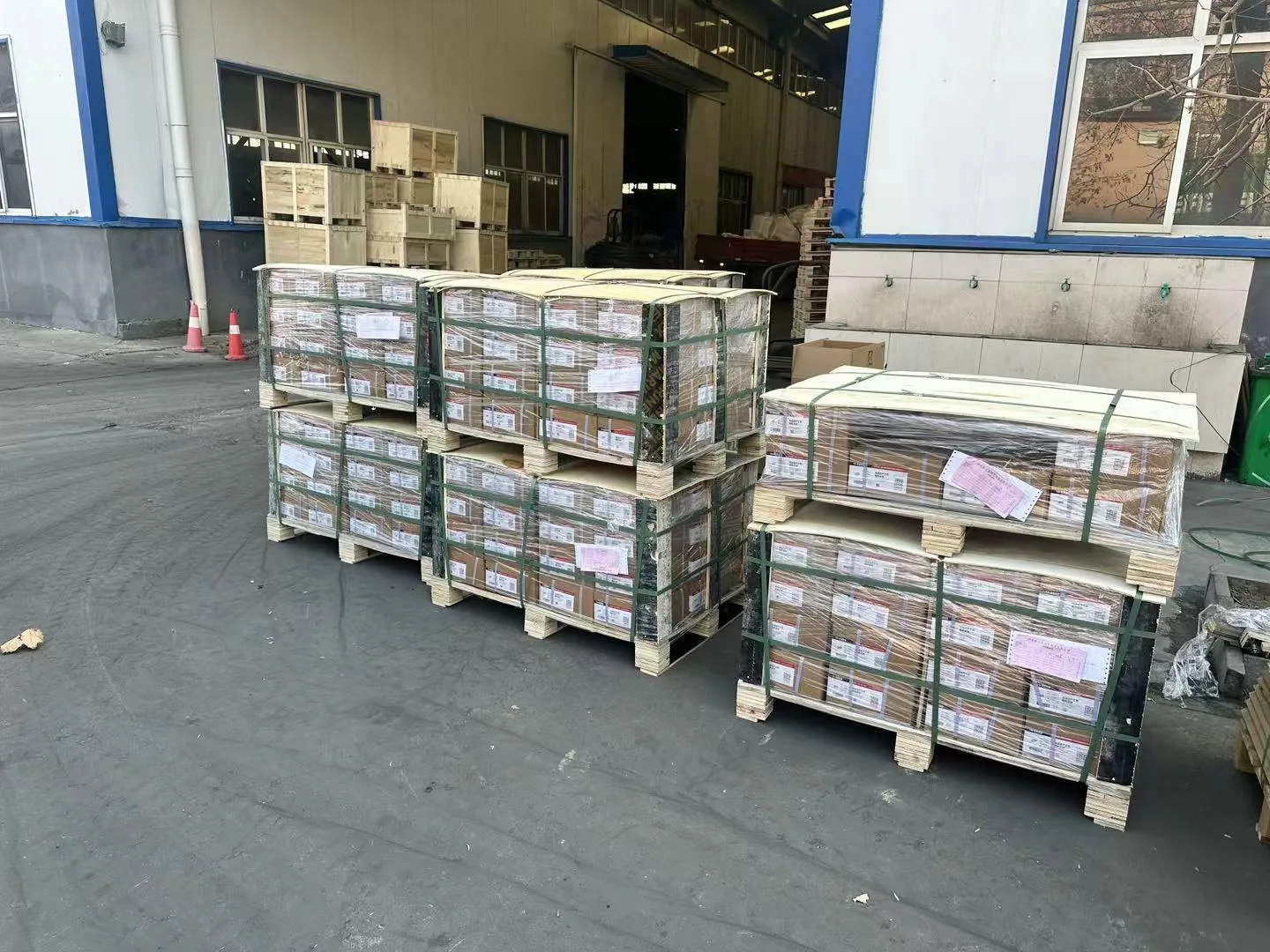
Grid projects typically involve multiple specifications, large quantities, and clear delivery schedules. A single order may include products with different diameters, lengths, strength grades, and coating requirements. Suppliers need to strictly differentiate specifications and label product information on packaging.
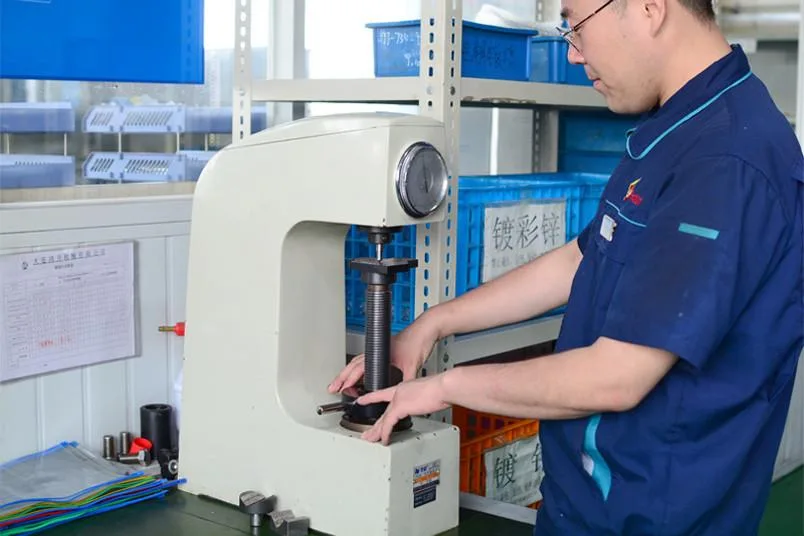
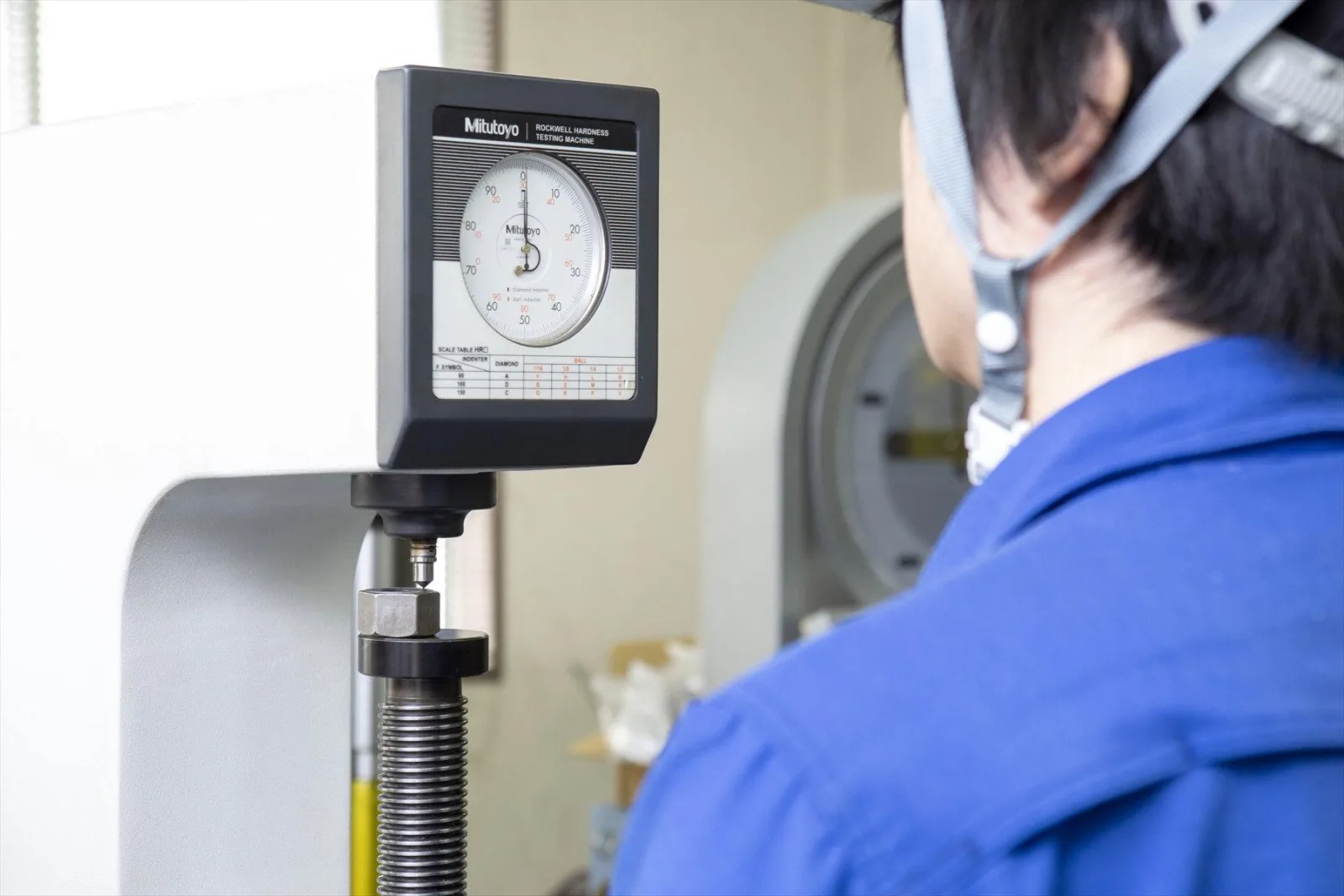
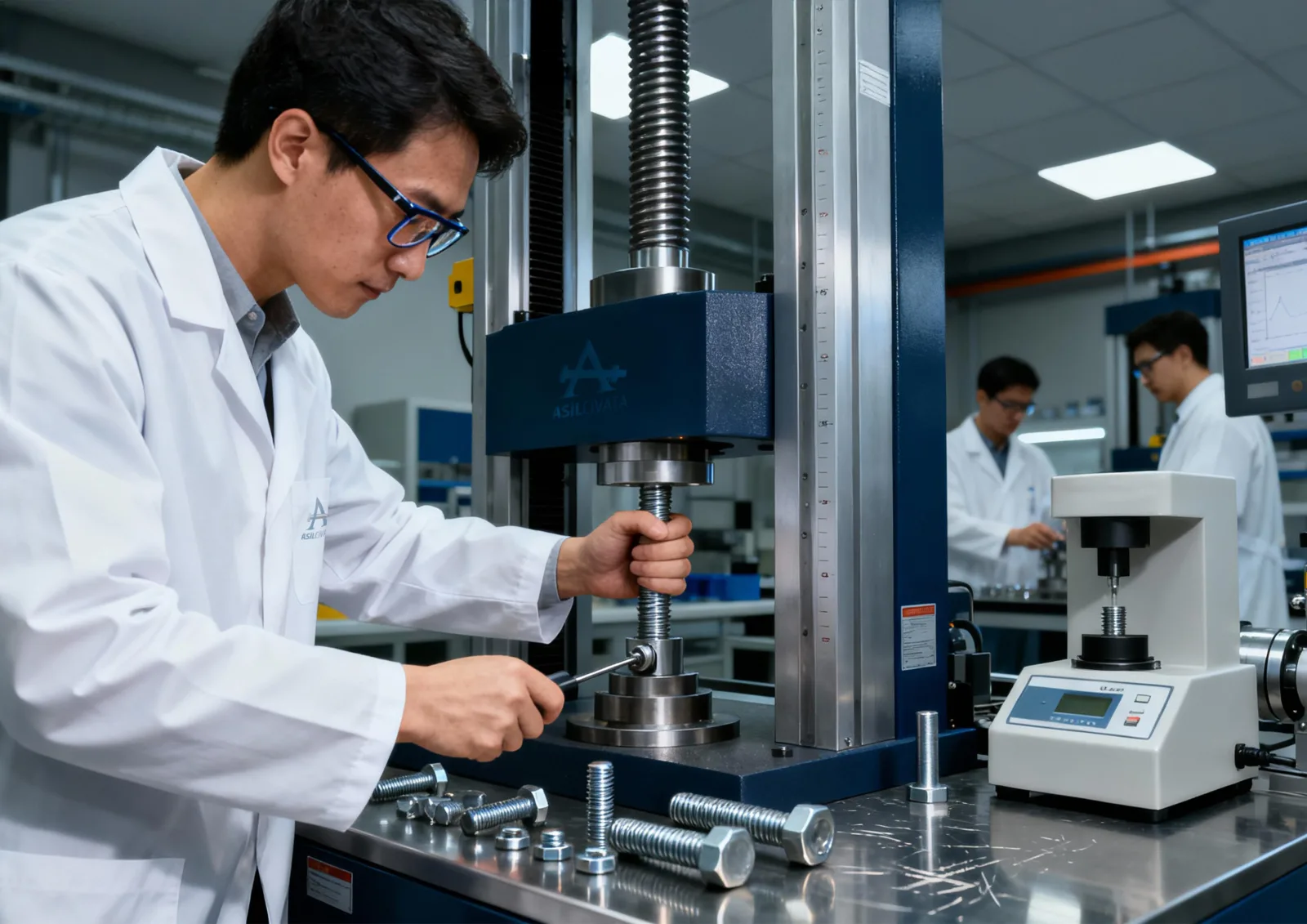
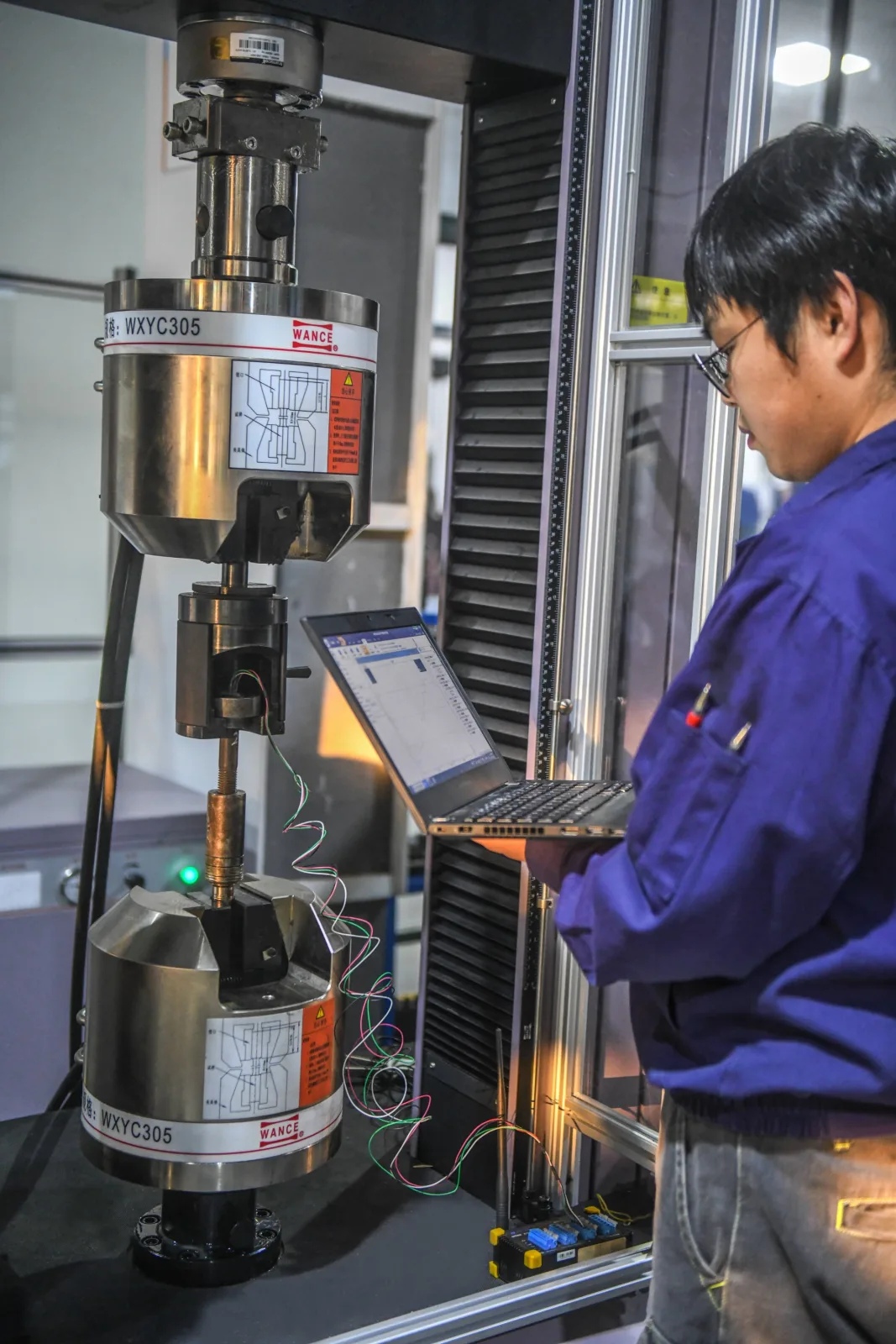
Some projects also require fasteners to provide material certificates, mechanical performance reports, and coating inspection data. For high-strength tower bolts, heat treatment stability and thread fit are particularly important.
The International Energy Agency predicts that global solar power growth will continue to be an important source of new electricity supply. The annual increase in global solar power generation in 2025 will be higher than in 2024, and rapid expansion will continue in the coming years.
From the fastener market perspective, after the expansion of new energy power generation, grid connection and energy storage supporting may become a broader source of demand than just photovoltaic brackets. Each new power station not only requires component connectors but also a large number of power infrastructure fasteners.
When developing this market, suppliers should understand the actual installation environment of the products and avoid directly using ordinary indoor galvanized products for long-term outdoor projects. Correctly selecting material, strength, and surface treatment helps reduce maintenance and replacement costs.
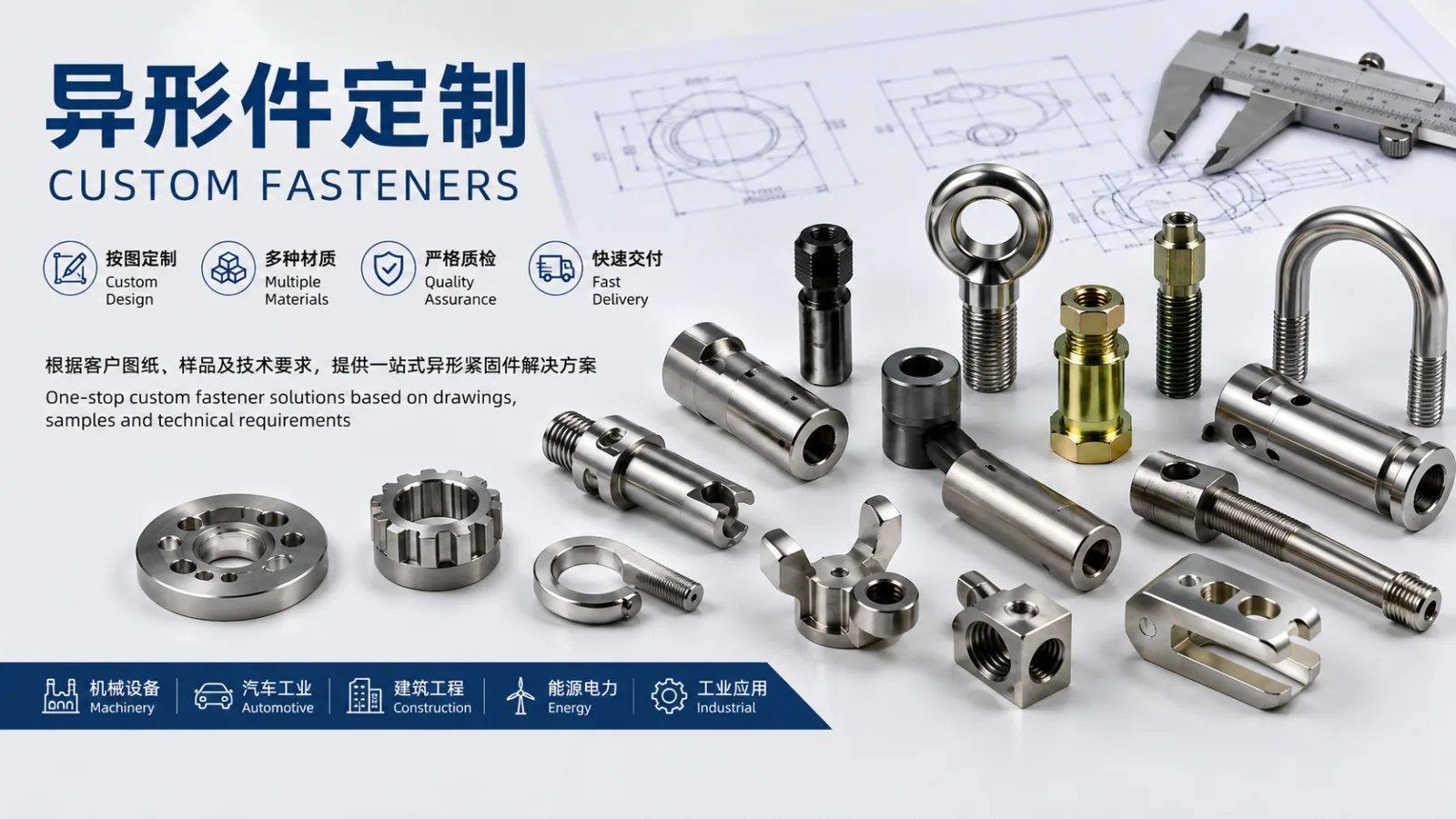
In the future, new energy, power grids, and energy storage will form an interconnected industrial chain. Fastener companies can seize opportunities brought by power infrastructure construction by increasing supply capacity for tower bolts, anchor bolts, U-bolts, anchor bolts, and non-standard structural parts.