Global Industrial Robot Installations Remain High, Fastener Factories Accelerate Automation Upgrades
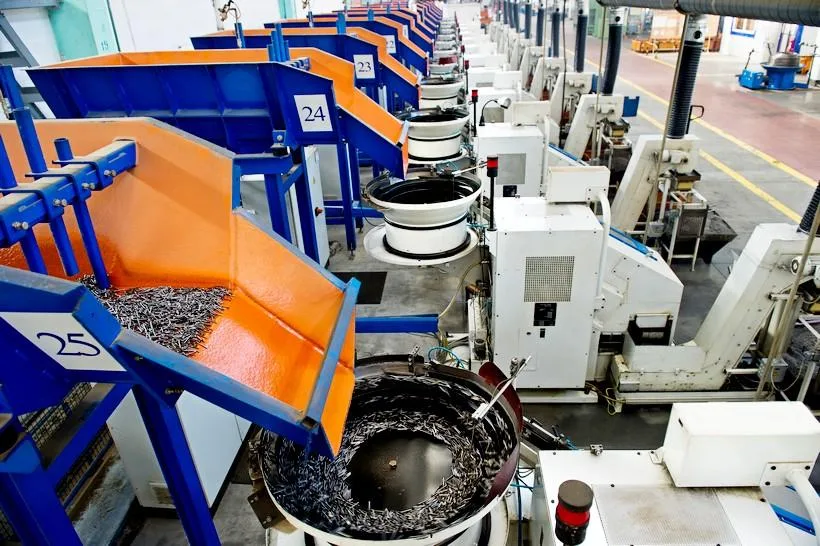
Industrial robots and automated inspection equipment are being more widely used in manufacturing. Fastener companies are improving quality and efficiency through automatic feeding, visual inspection, digital traceability, and smart warehousing.
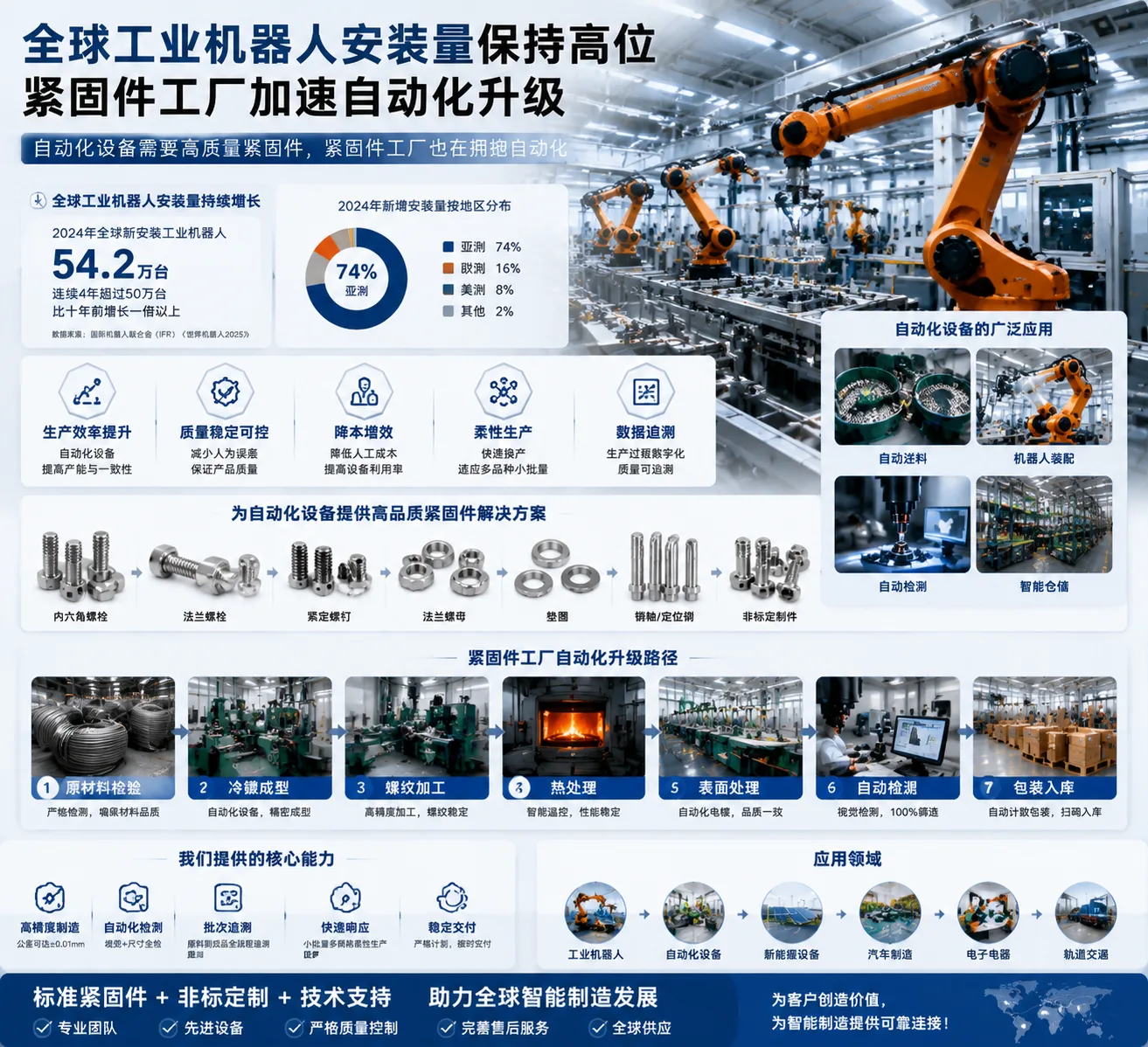
According to the World Robotics 2025 report released by the International Federation of Robotics, approximately 542,000 industrial robots were newly installed in factories worldwide in 2024, marking the fourth consecutive year exceeding 500,000 units—more than double the number from a decade ago. Asia accounted for 74% of new installations in 2024, with China being the world's largest industrial robot market.
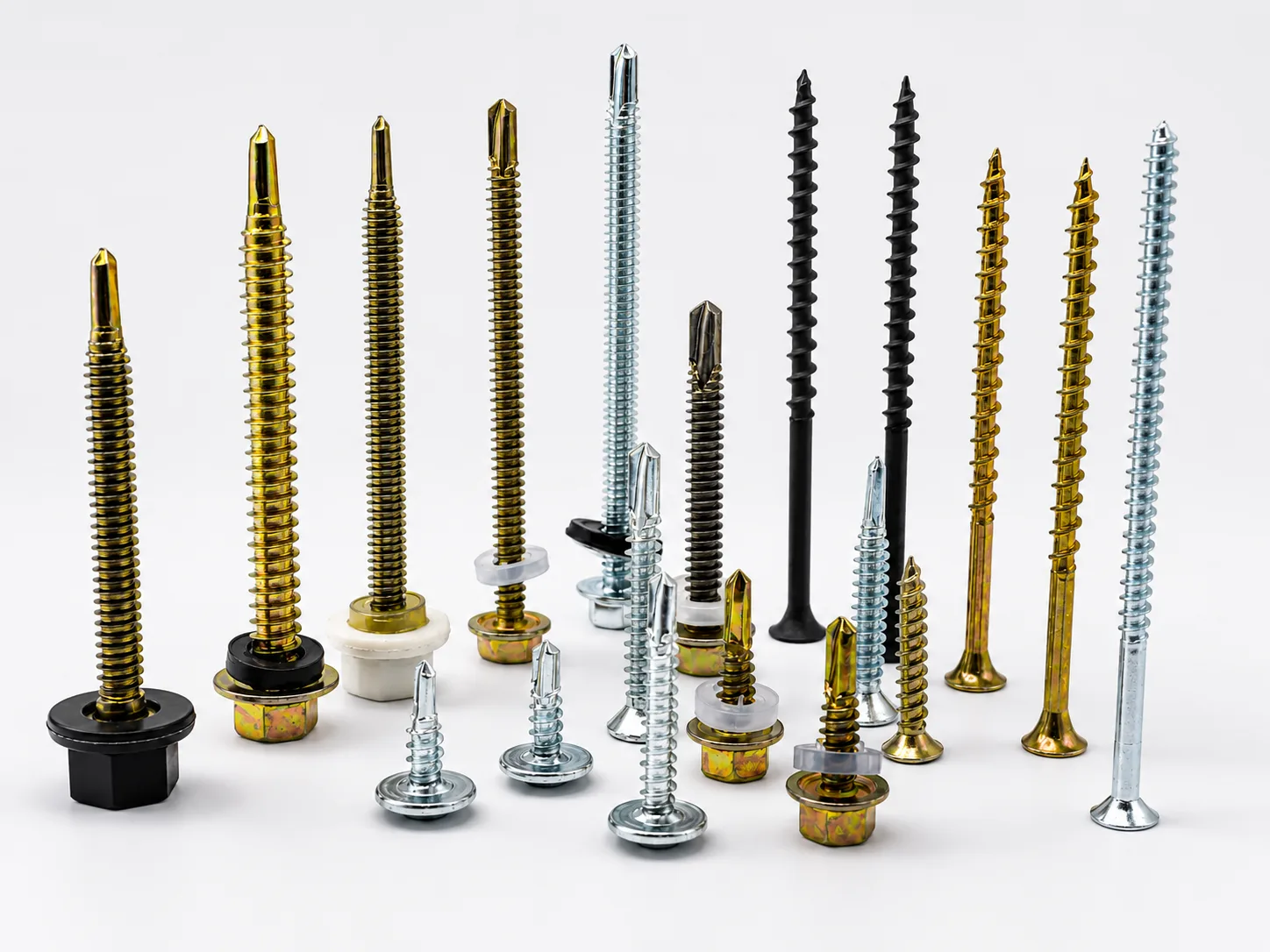
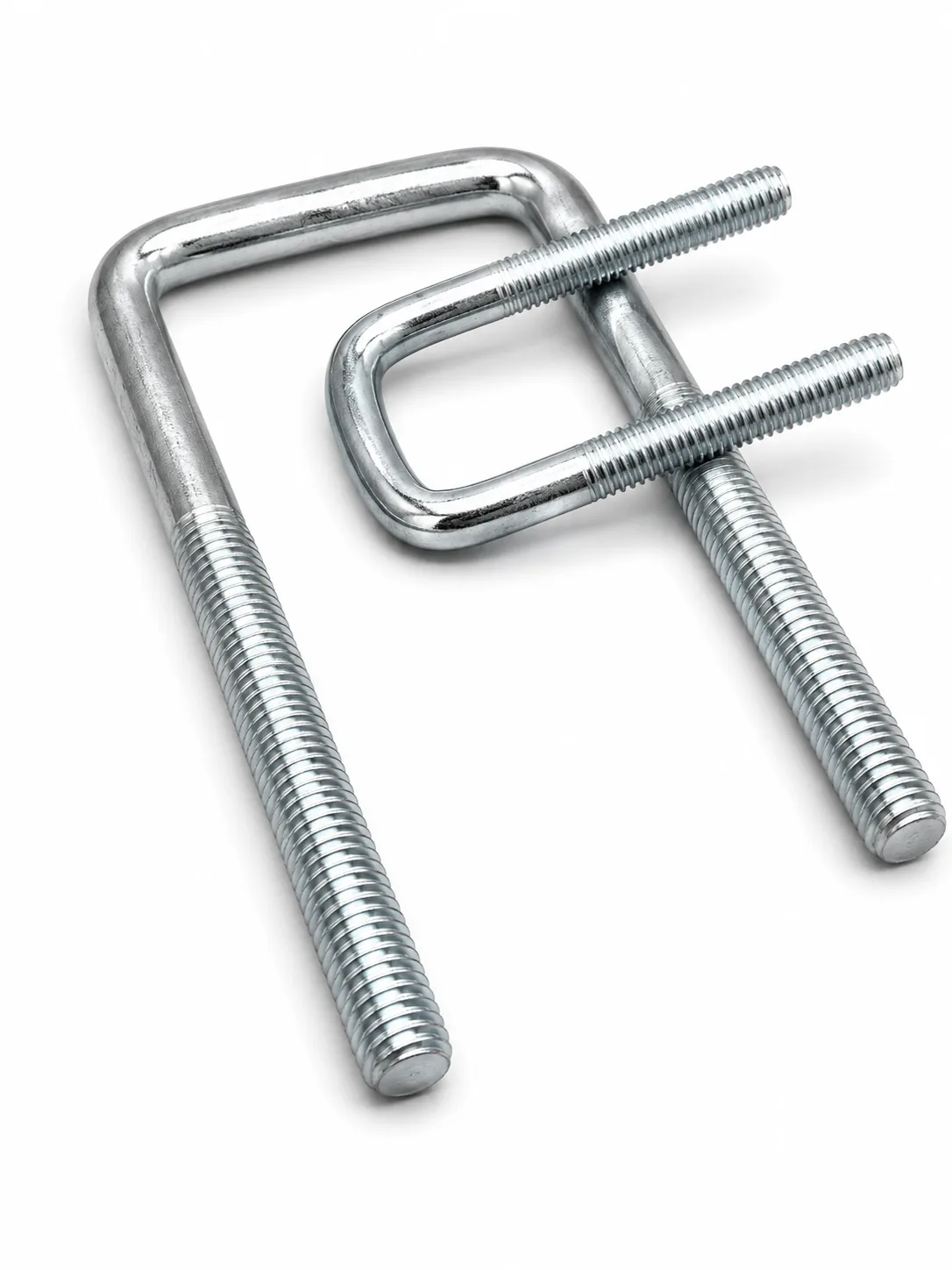
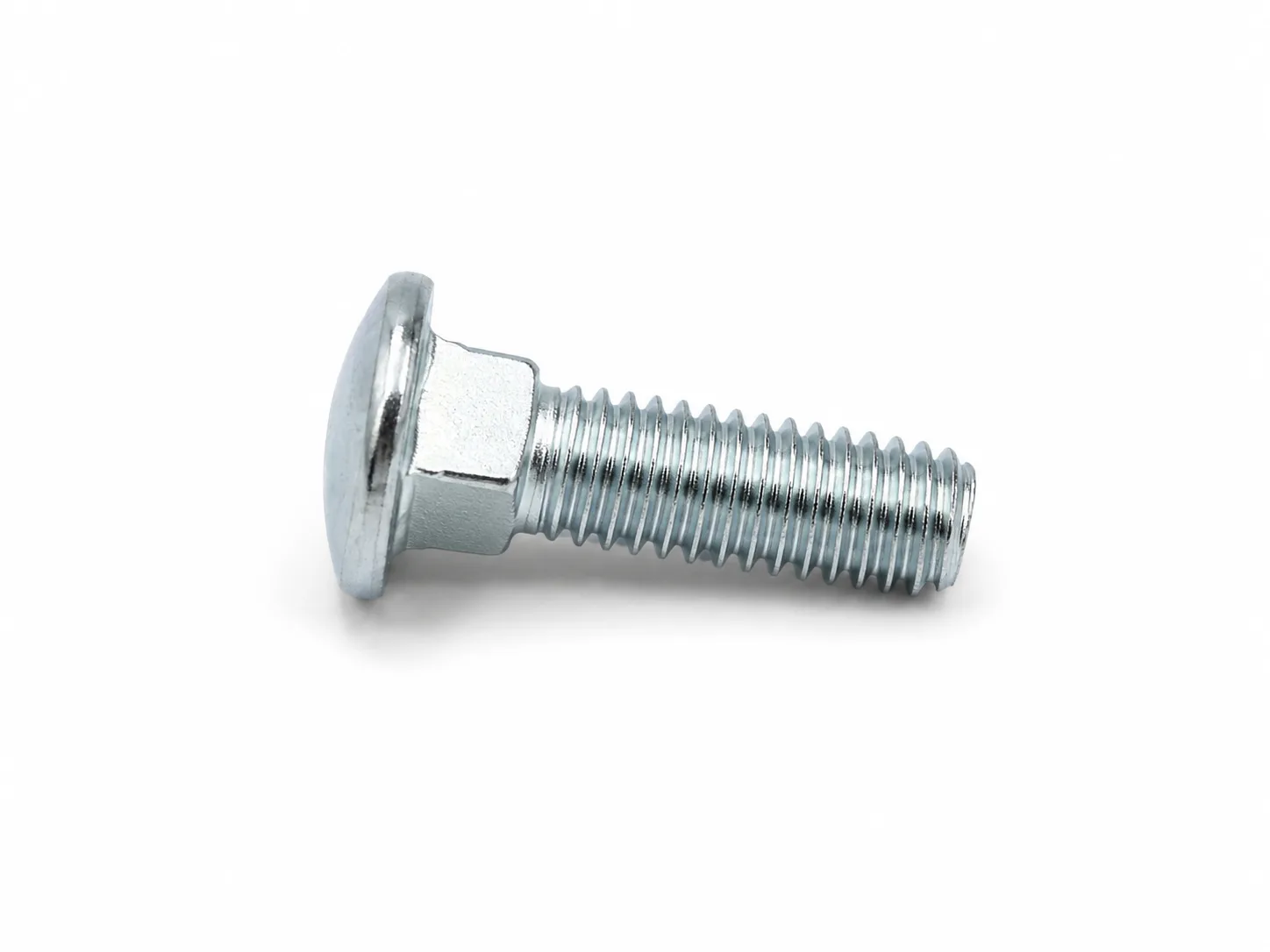
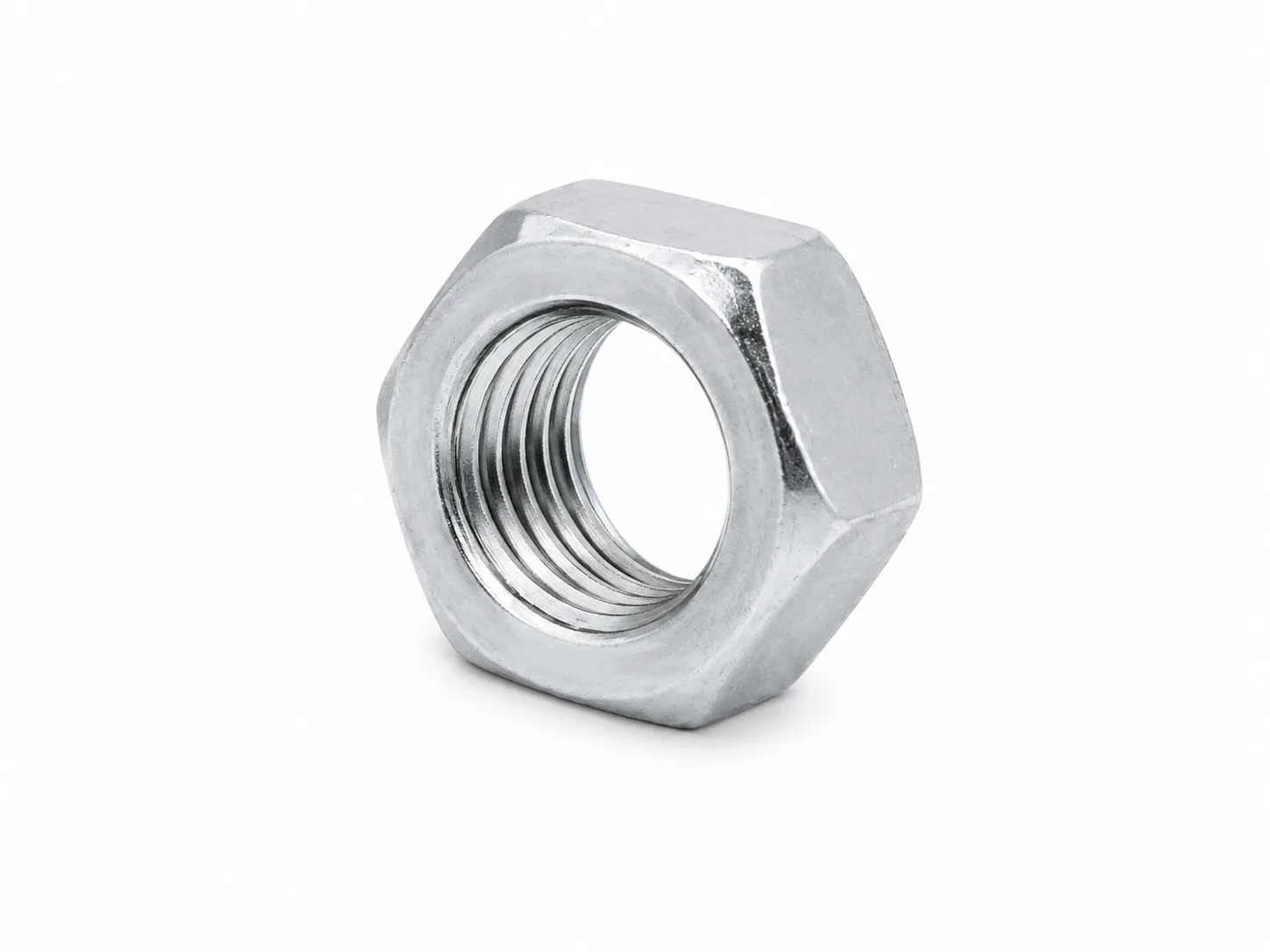
The increasing automation in manufacturing has a dual impact on the fastener industry. On one hand, robots, automated equipment, and production lines themselves require a large number of high-precision fasteners; on the other hand, fastener factories are also adopting automated equipment to improve production and inspection.
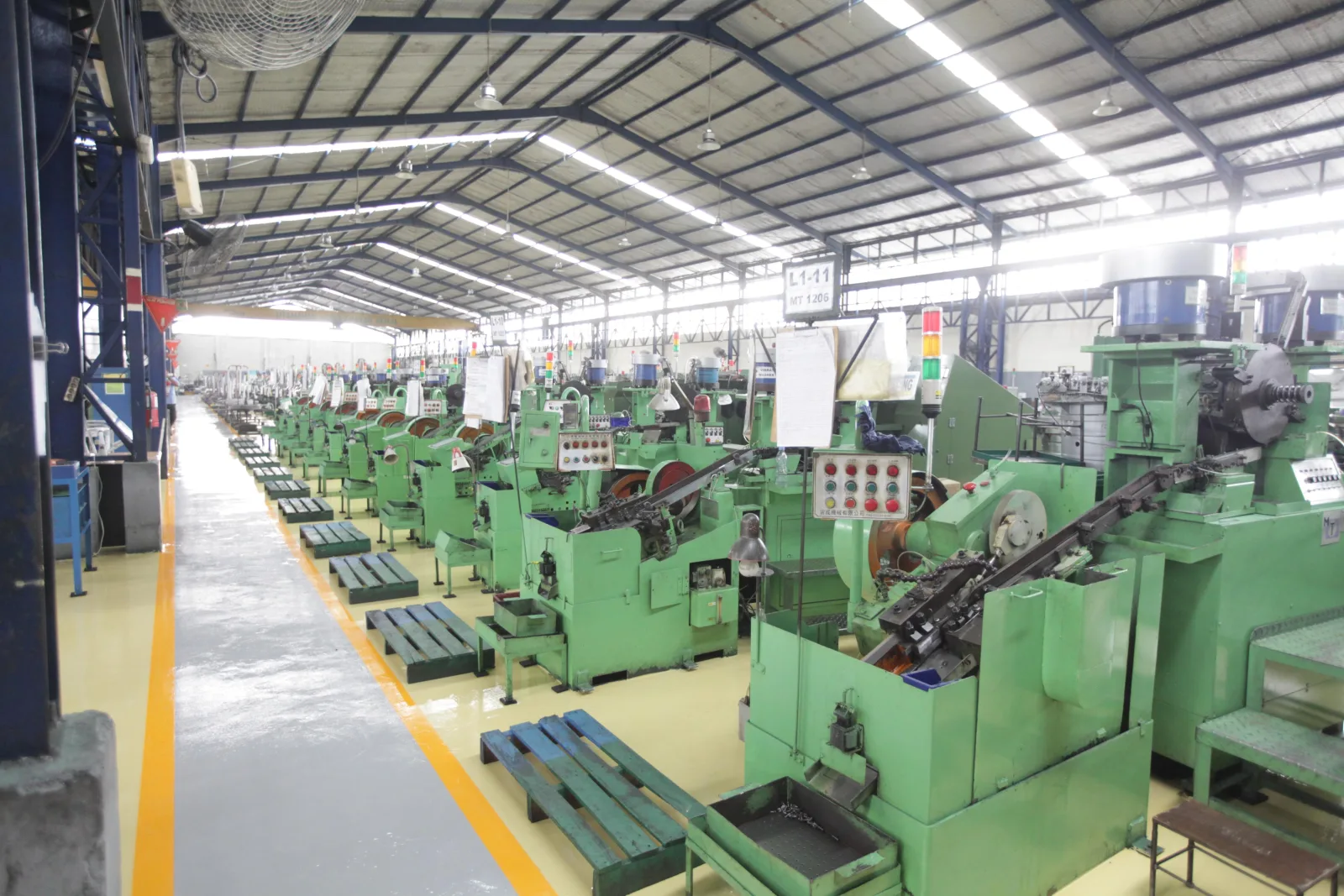
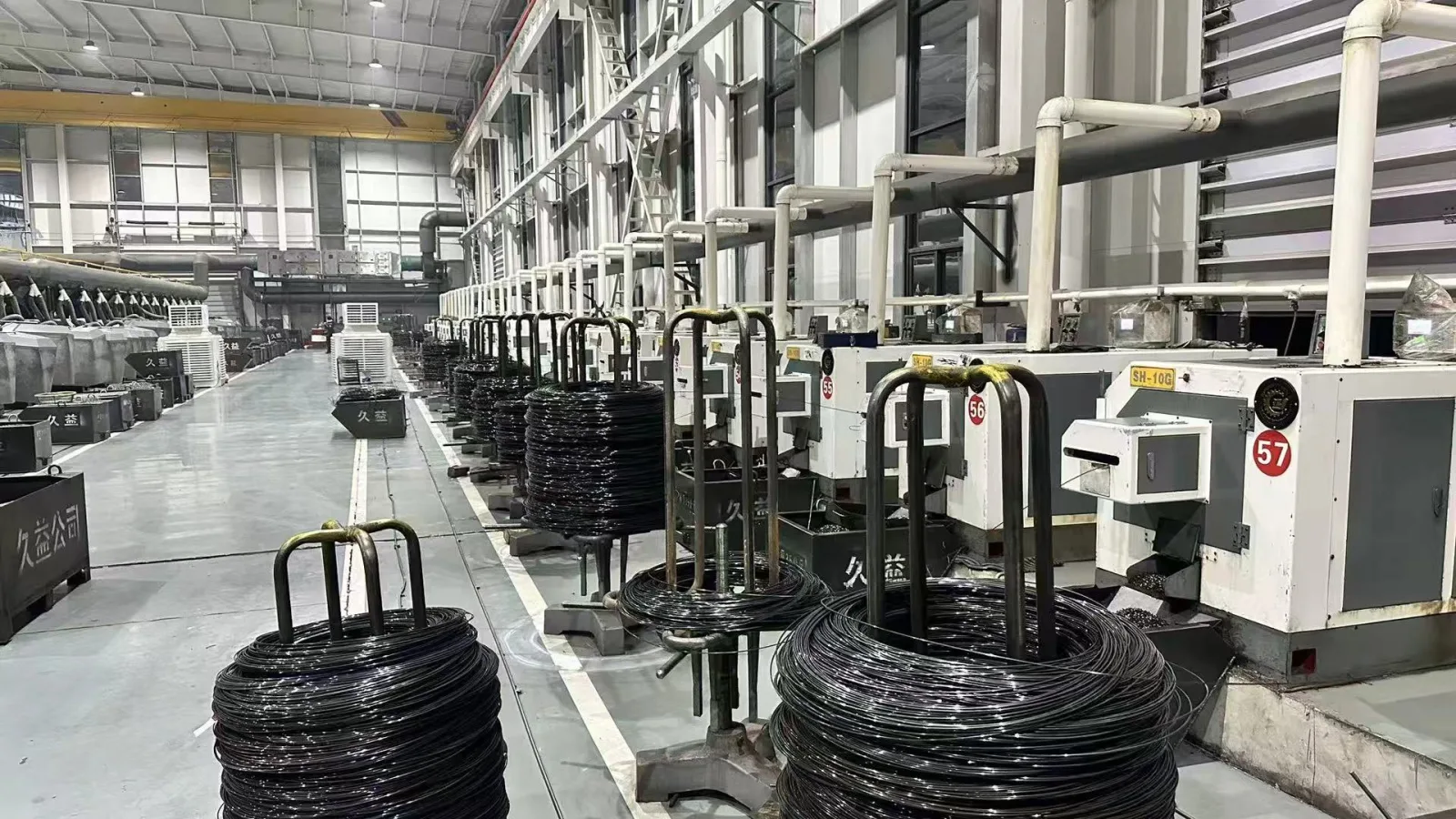
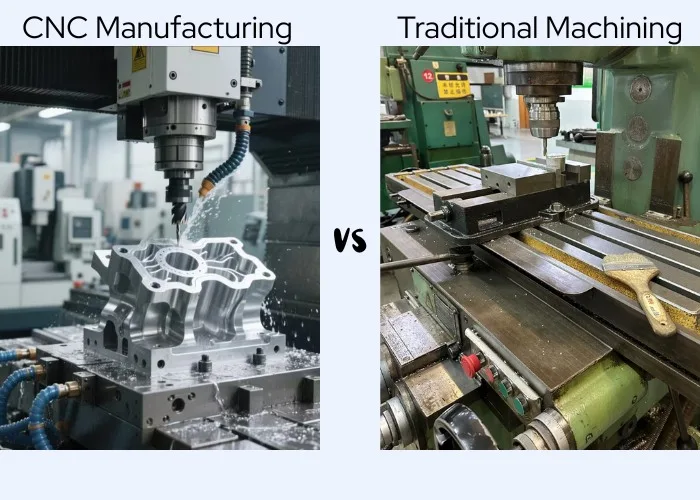
In cold heading, thread rolling, and packaging processes, automatic feeding systems can reduce manual handling and increase equipment uptime. For high-volume standard bolts and nuts, automated production helps maintain consistent cycle times and reduces fluctuations caused by operator variability.
Vision inspection equipment is a popular upgrade direction for fastener companies. Industrial cameras can check product length, head dimensions, thread integrity, surface defects, and material mix-ups. Compared to manual sampling, vision inspection allows continuous screening of more products.
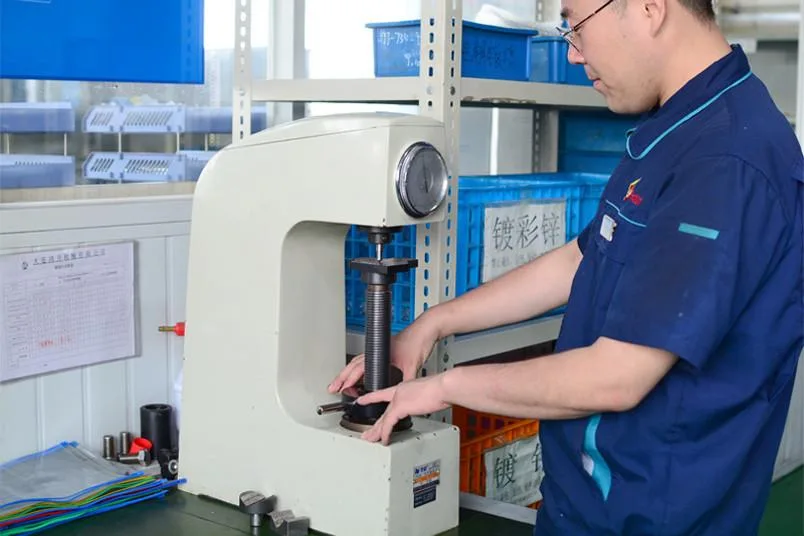
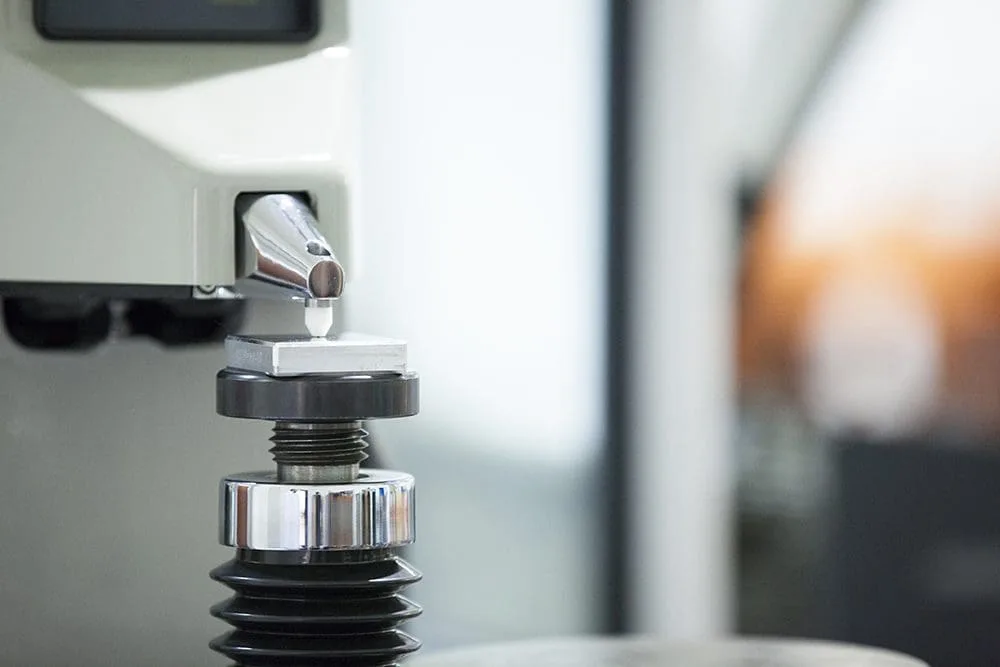
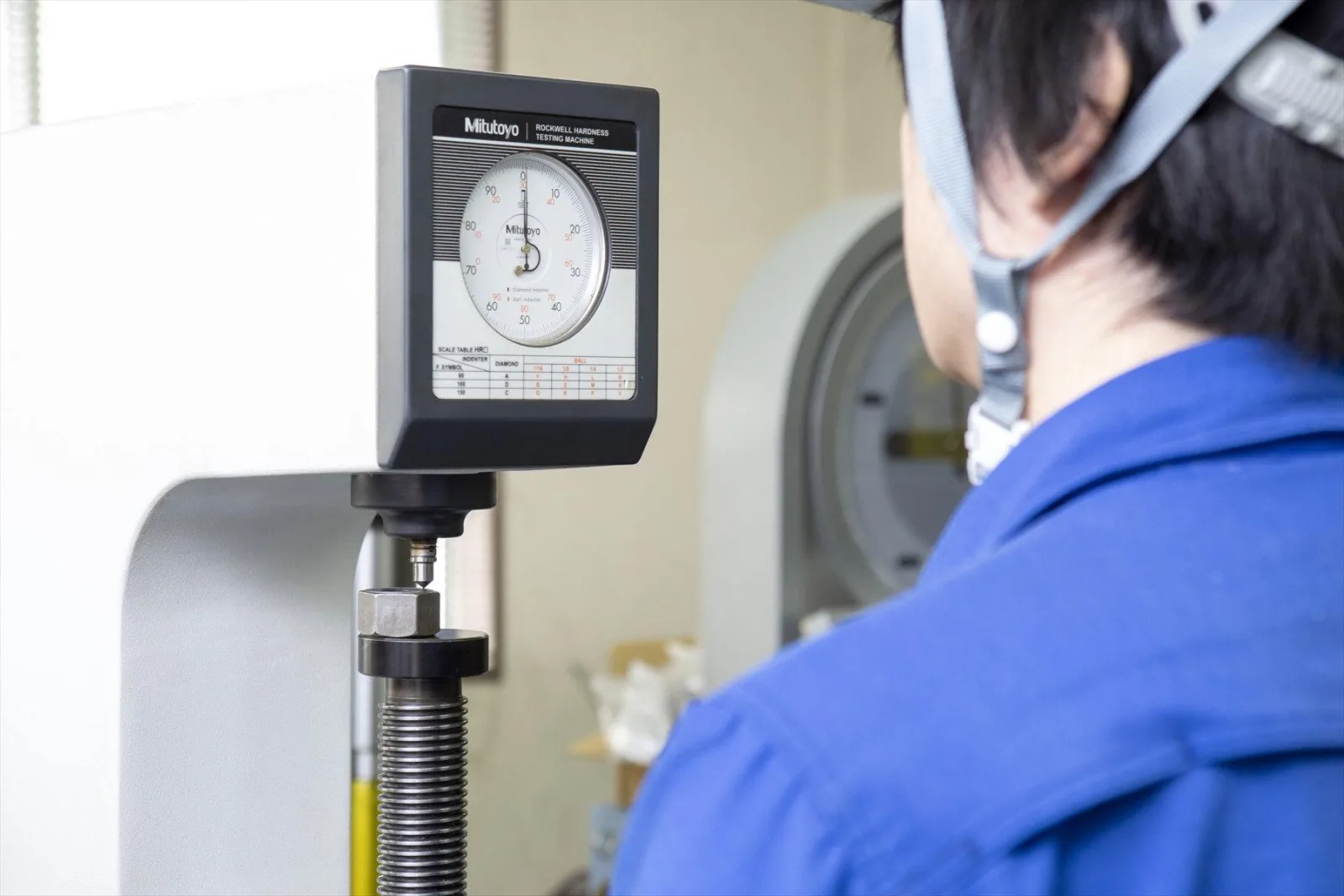
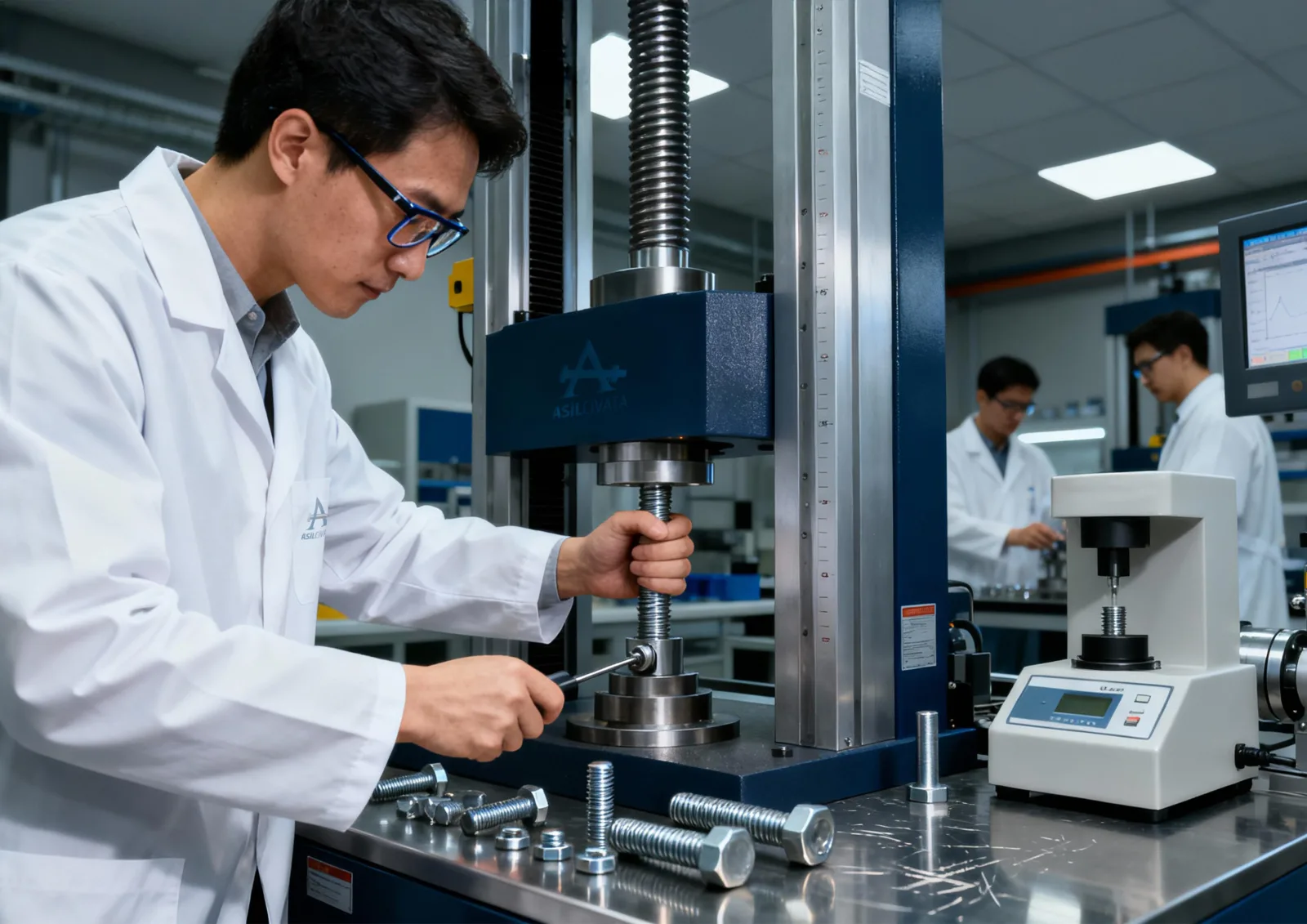
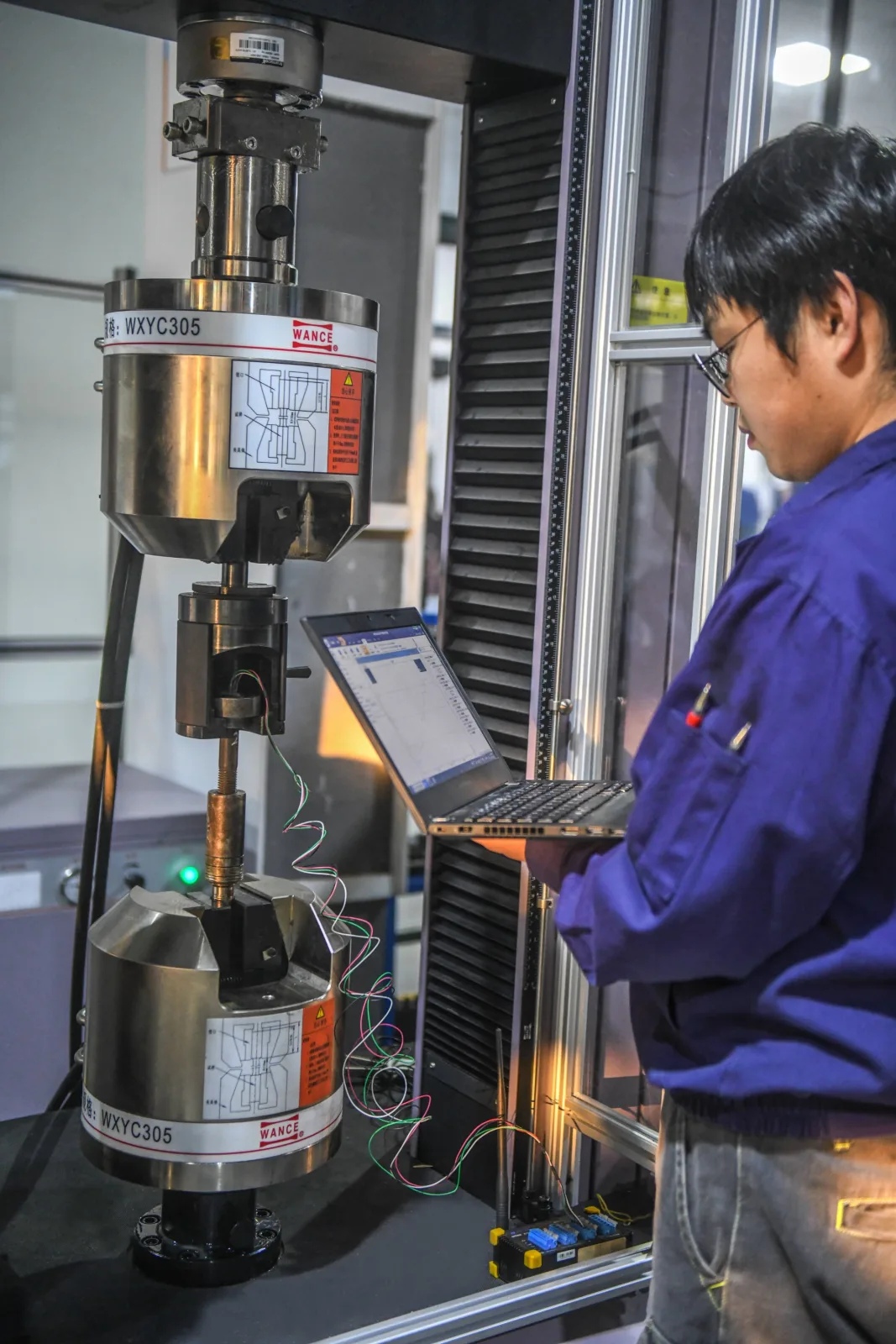
Smart inspection cannot fully replace quality personnel. High-strength products still require tests for hardness, tensile strength, proof load, and metallographic structure; special drawing products also need inspectors to make judgments based on technical requirements. A more effective model is for automated equipment to handle high-frequency repetitive inspections, while quality personnel focus on key performance and anomaly analysis.
Digital traceability is gradually entering fastener production. Companies can link raw material batches, production equipment, mold numbers, heat treatment furnace runs, surface treatment, and packaging information to orders. When customers raise quality issues, factories can quickly locate corresponding production records.
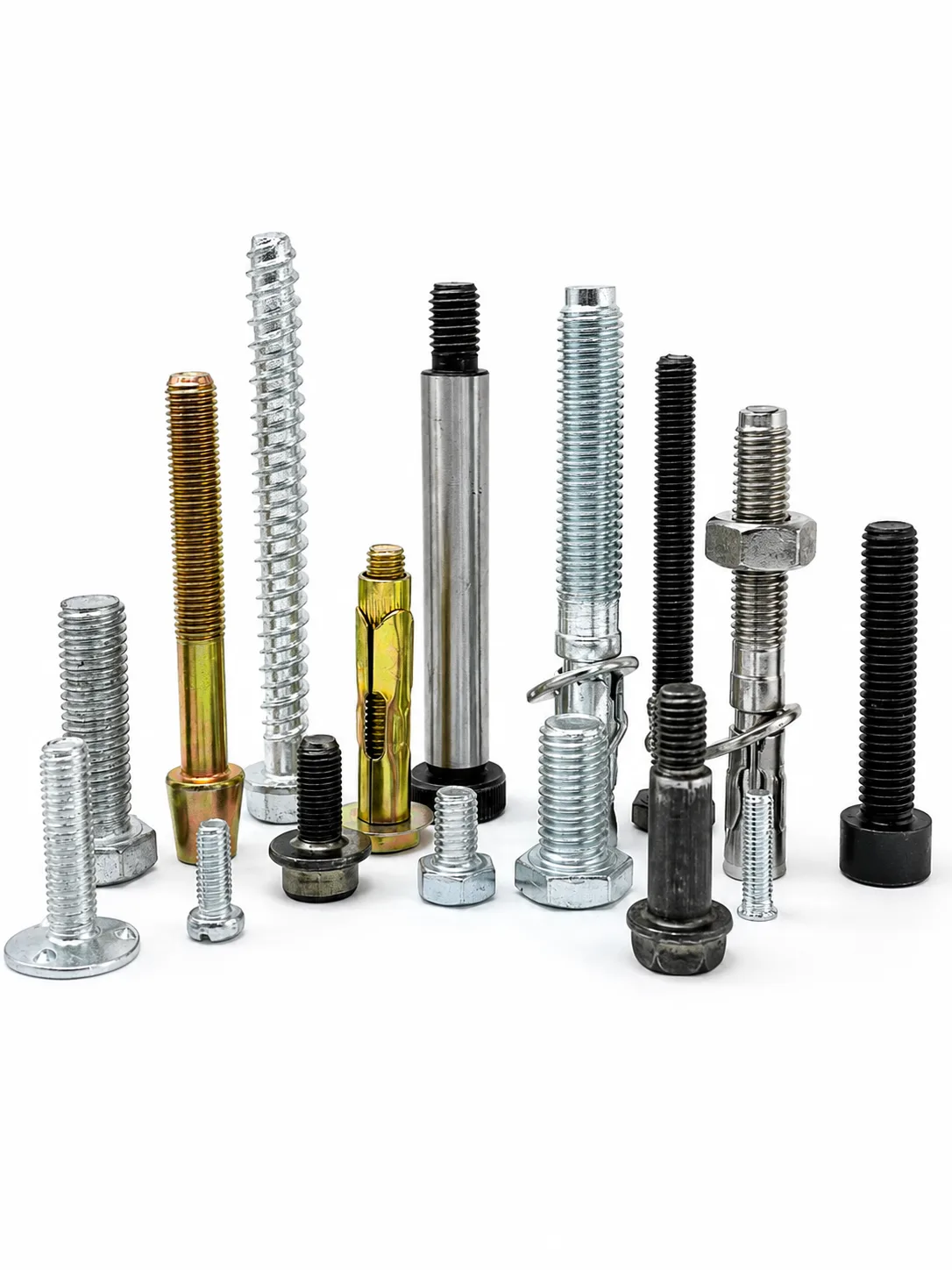
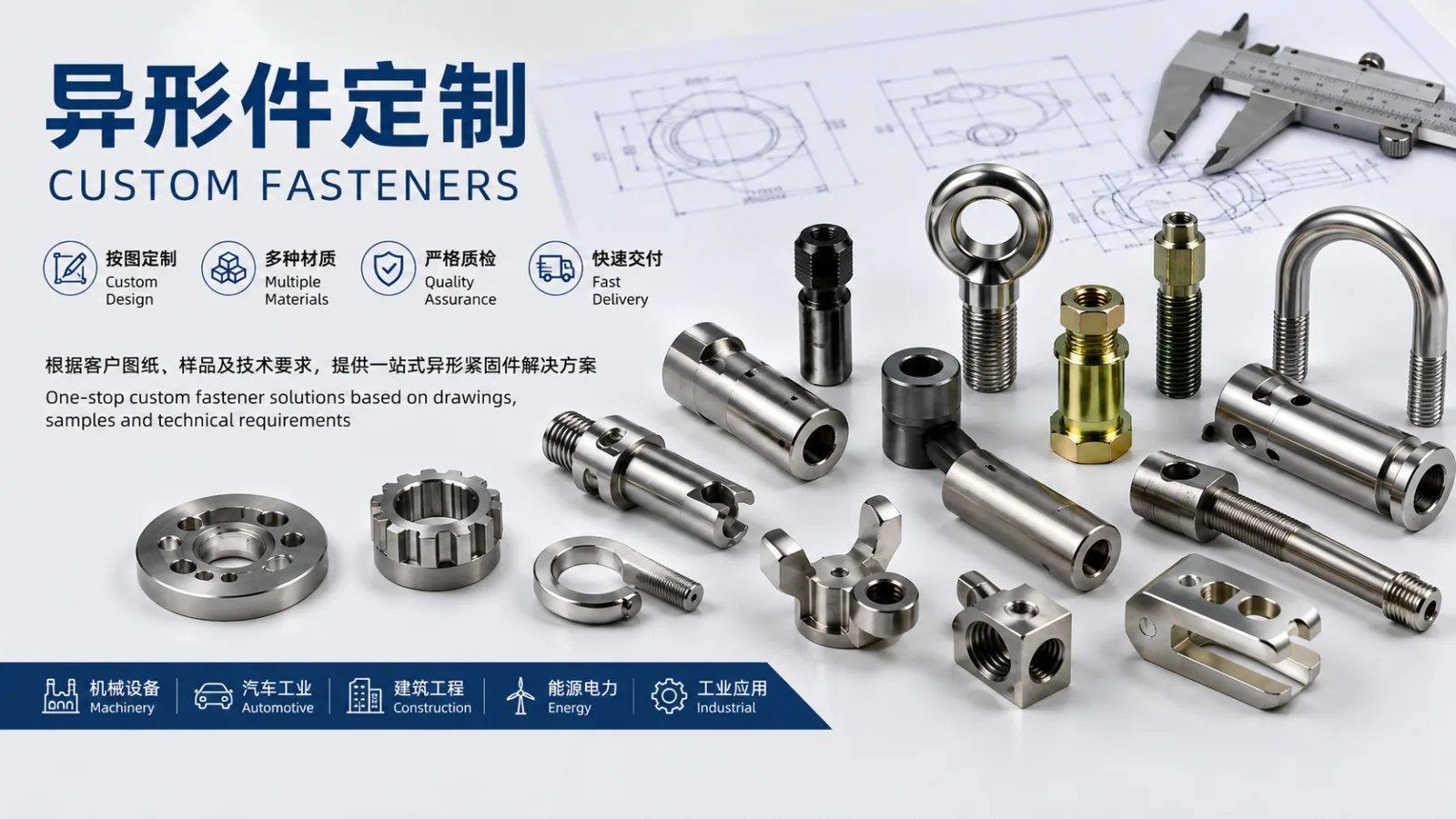
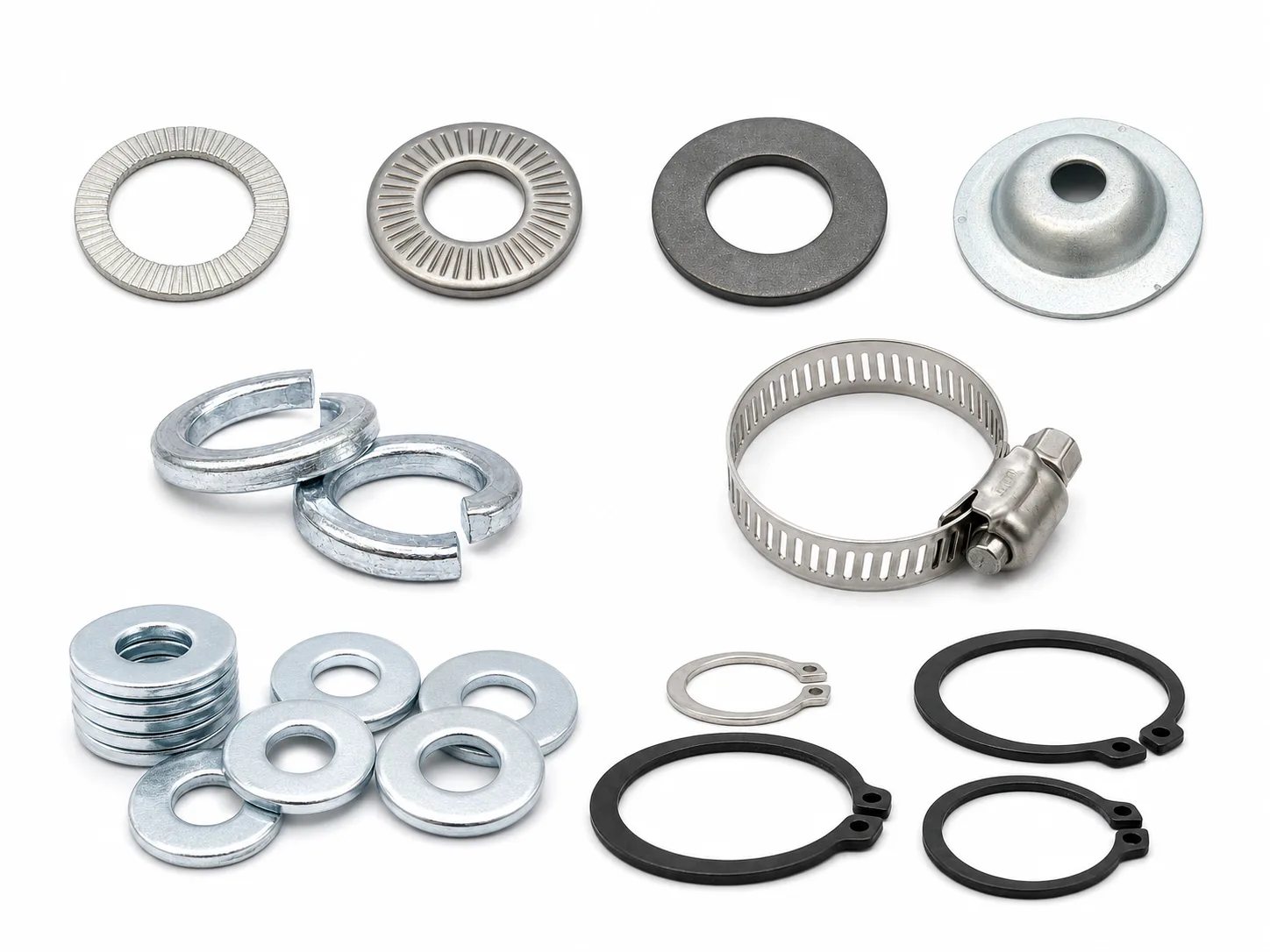
The robot manufacturing and automation equipment industry itself is also a significant market for fasteners. Robotic arms, guide rails, reduction gears, mobile robots, and automated warehousing systems require socket head cap screws, set screws, flange bolts, dowel pins, washers, and non-standard machined parts.
These devices demand high precision and stability from products. Thread clearance, surface friction coefficient, and dimensional tolerances can all affect assembly performance. Therefore, suppliers capable of machining to drawings and maintaining batch consistency are more likely to enter the automation equipment supply chain.
The International Federation of Robotics expects global industrial robot installations to maintain a long-term growth trend. This suggests that demand for automation equipment-related fasteners and factory digital transformation still has room for development.
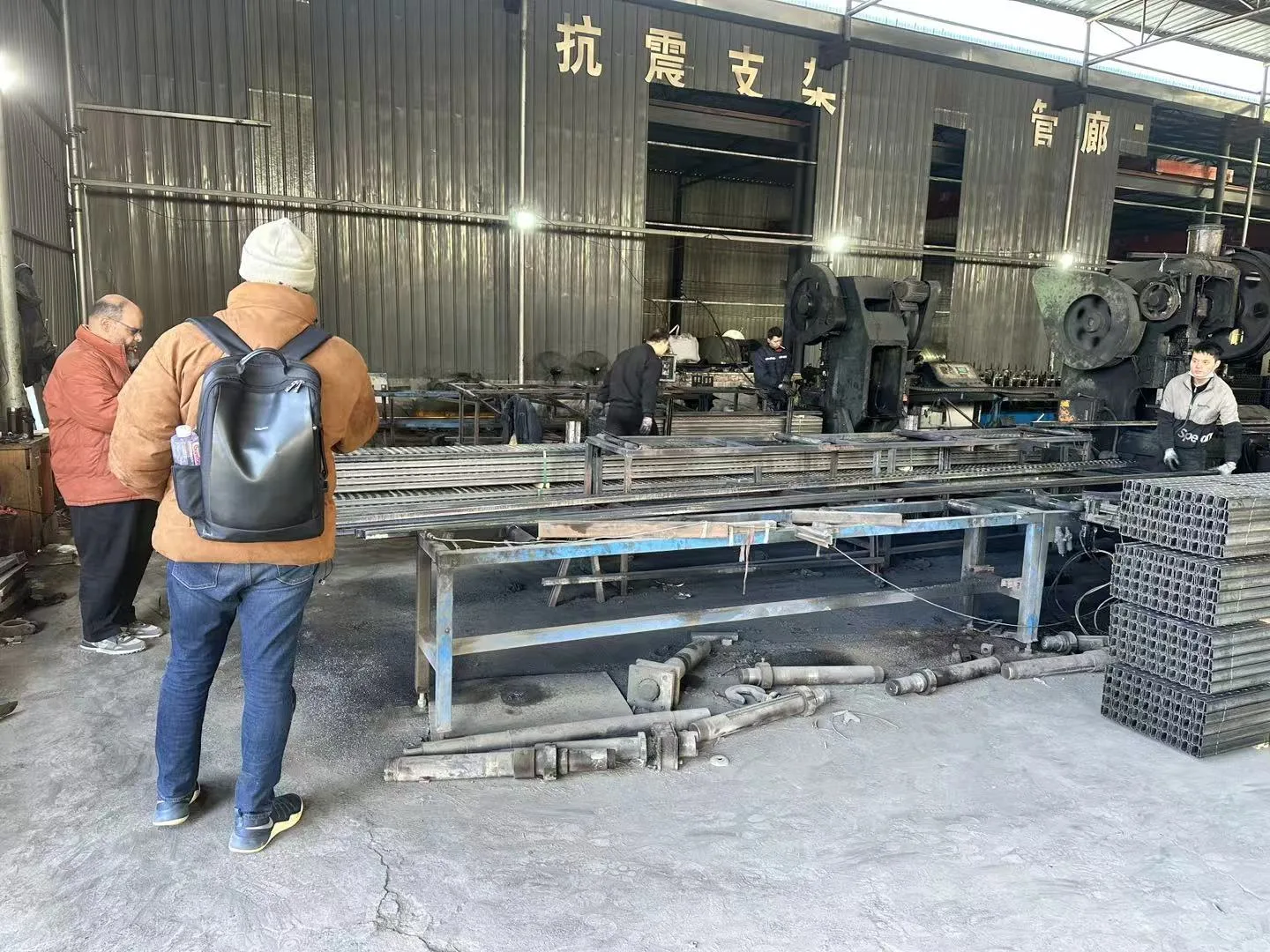
When upgrading automation, fastener companies should start from their actual order structure. High-volume standard parts are suitable for efficient automated production, while low-volume non-standard products still require flexible equipment and human expertise. Blindly purchasing equipment may not improve efficiency; the key is to form a complete process integrating production, inspection, and order management.
In the future, competition among fastener factories will gradually shift from simply comparing machine counts to comparing production data, quality stability, response speed, and flexible manufacturing capabilities.