Anchor RFQ Checklist: Base Material, Hole, Fixture and Acceptance Data
An anchor RFQ needs more than diameter and length. State the base material, hole, fixture, installation space, environment and acceptance requirements so suppliers can compare the actual assembly rather than a name alone.
The details most often missing from an anchor RFQ are not on the anchor itself. They concern the base material and the item being fixed. “M10 expansion anchor” or a distant site photo cannot define the drilled hole, installation space, end fitting or acceptance conditions. A useful RFQ lets different quotations work from the same checkable installation conditions.
Describe the base material as it exists on site
Do not write only “wall” or “concrete”. State whether it is solid concrete, solid masonry, hollow masonry, steelwork or another substrate, with known thickness, strength data, facing layers and cavities. Hilti’s anchor technical-guide entry point separates base materials from technical data. That is a useful reminder that base material is not a side note; it belongs in selection and verification. Suitability and numerical values still need confirmation for the current project and product.
Show the drilled hole and the fixture
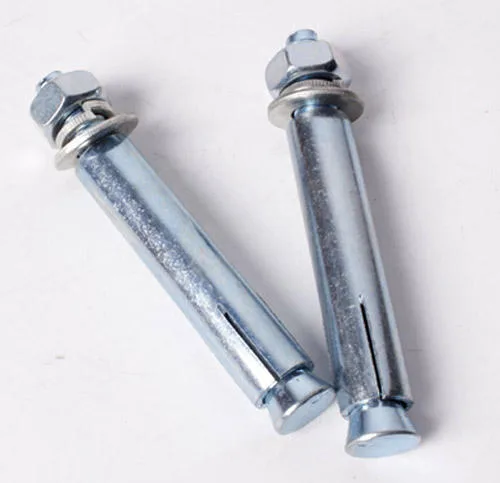
Put the hole diameter, depth, hole condition, spacing, edge distance, fixture clearance hole and fixture thickness on the drawing. With a through-fastened mechanical anchor, fixture thickness affects usable length and exposed thread. With a pre-set or internally threaded form, clearance at the hole bottom and access for the setting tool can also matter. A thread diameter does not define the drilled hole.
End fitting, accessories and installation space matter too
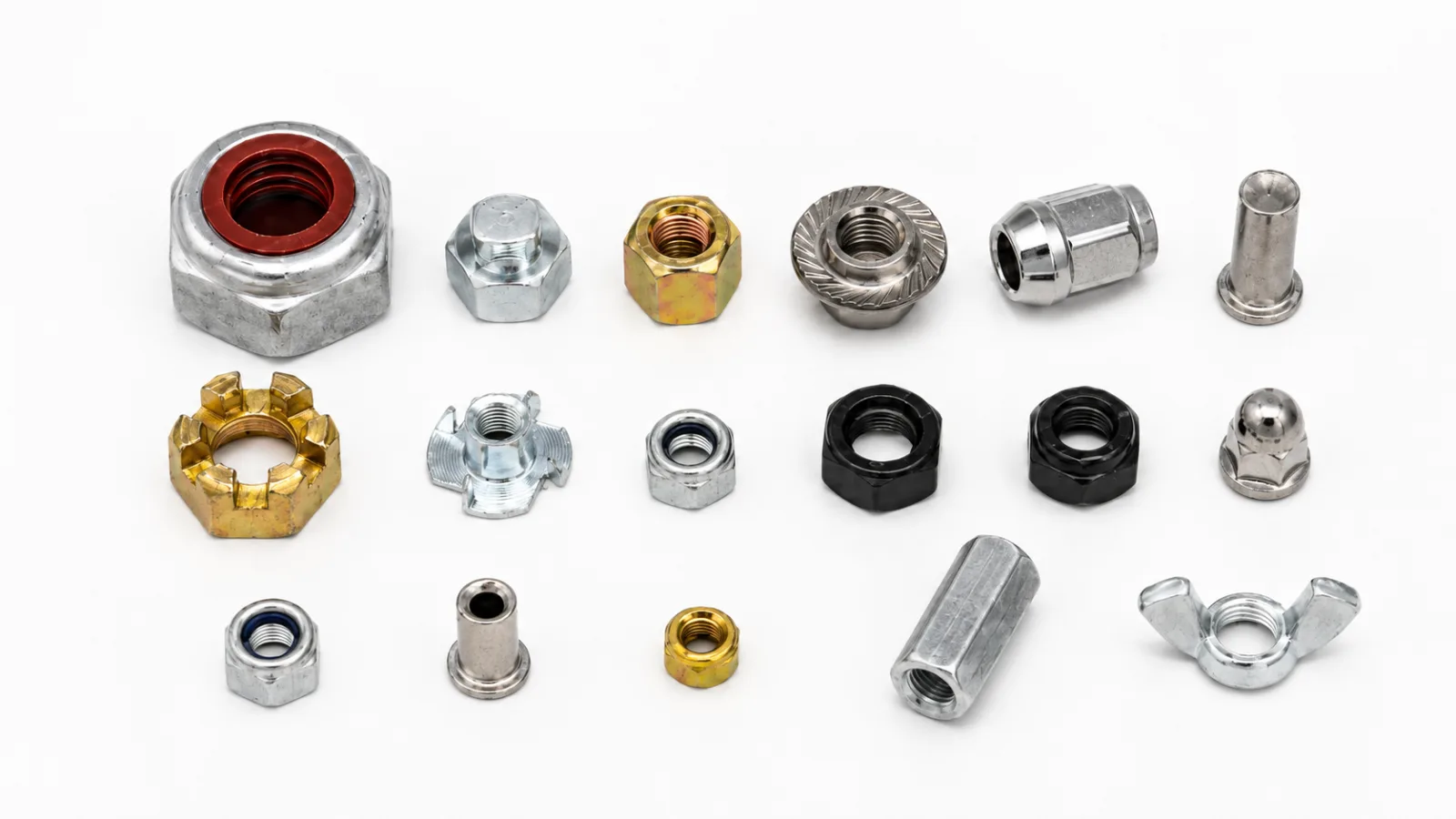
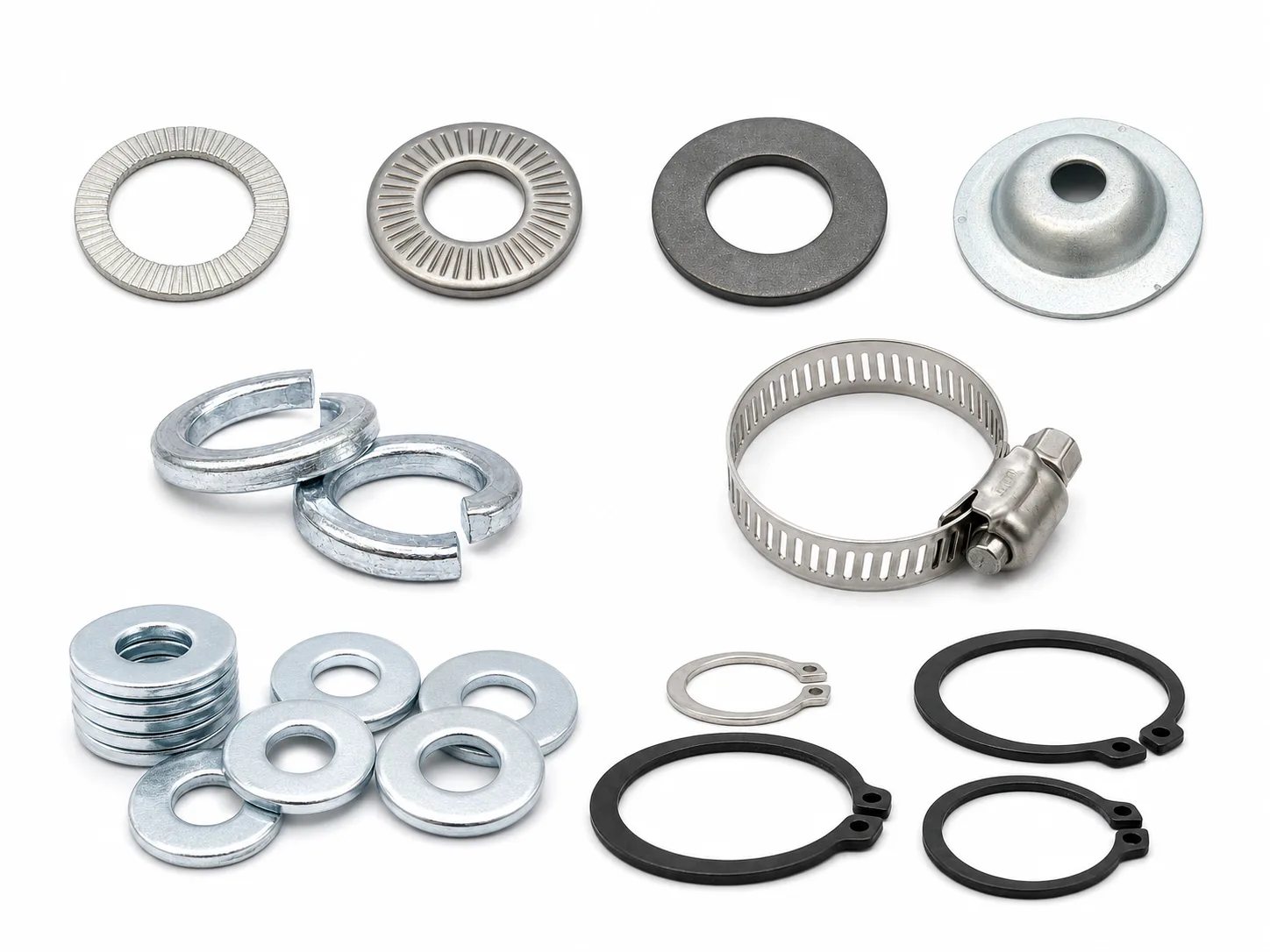
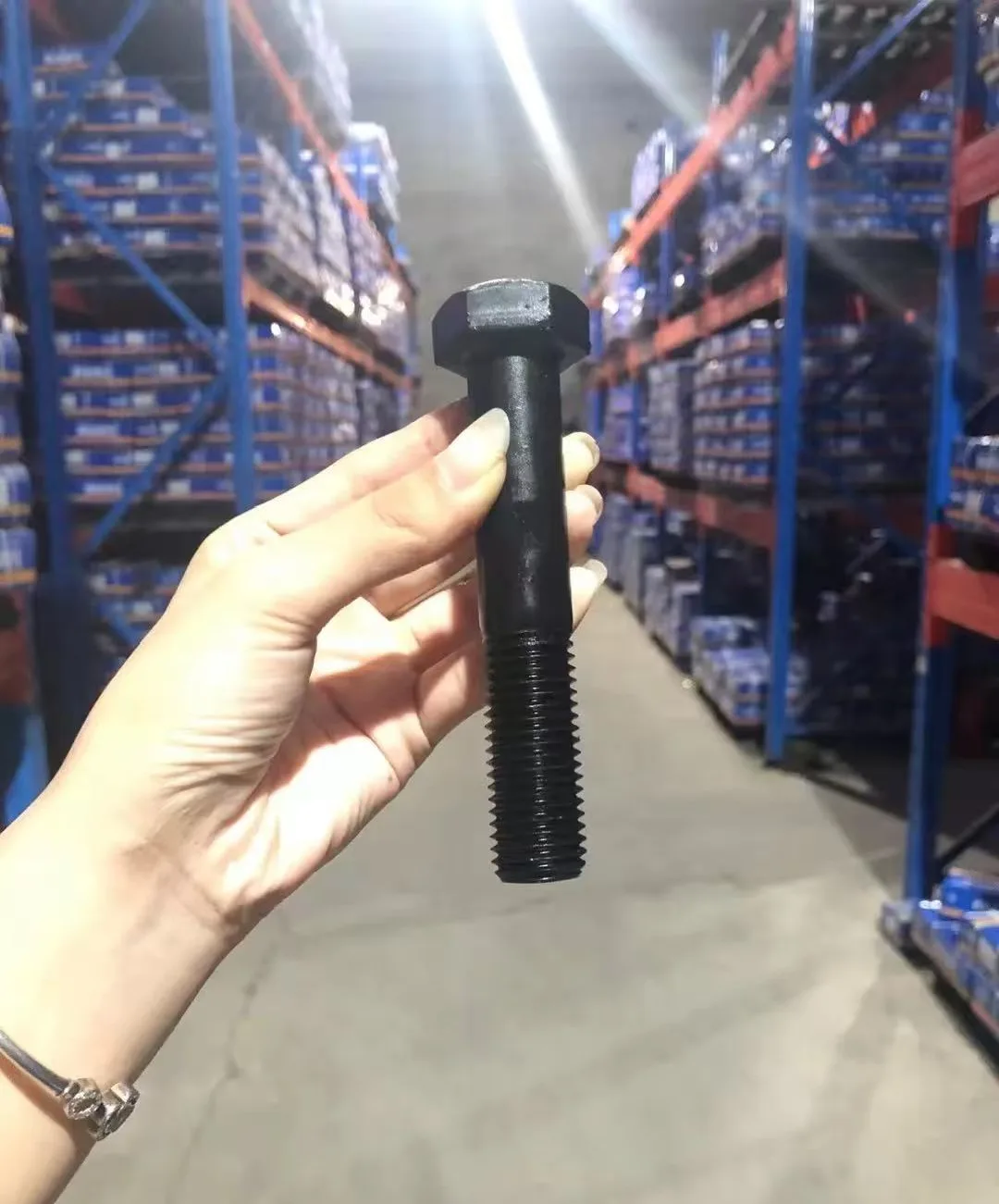
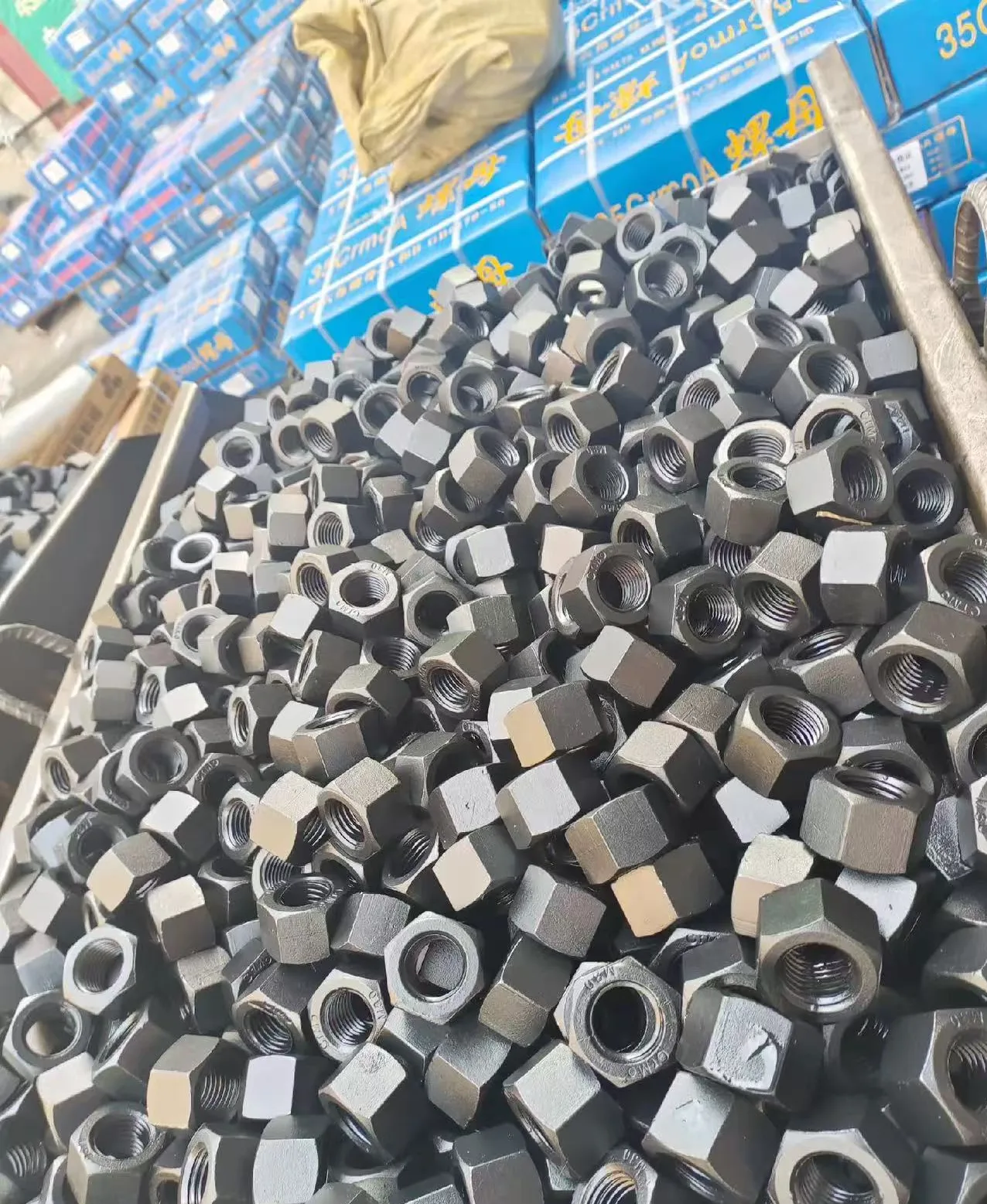
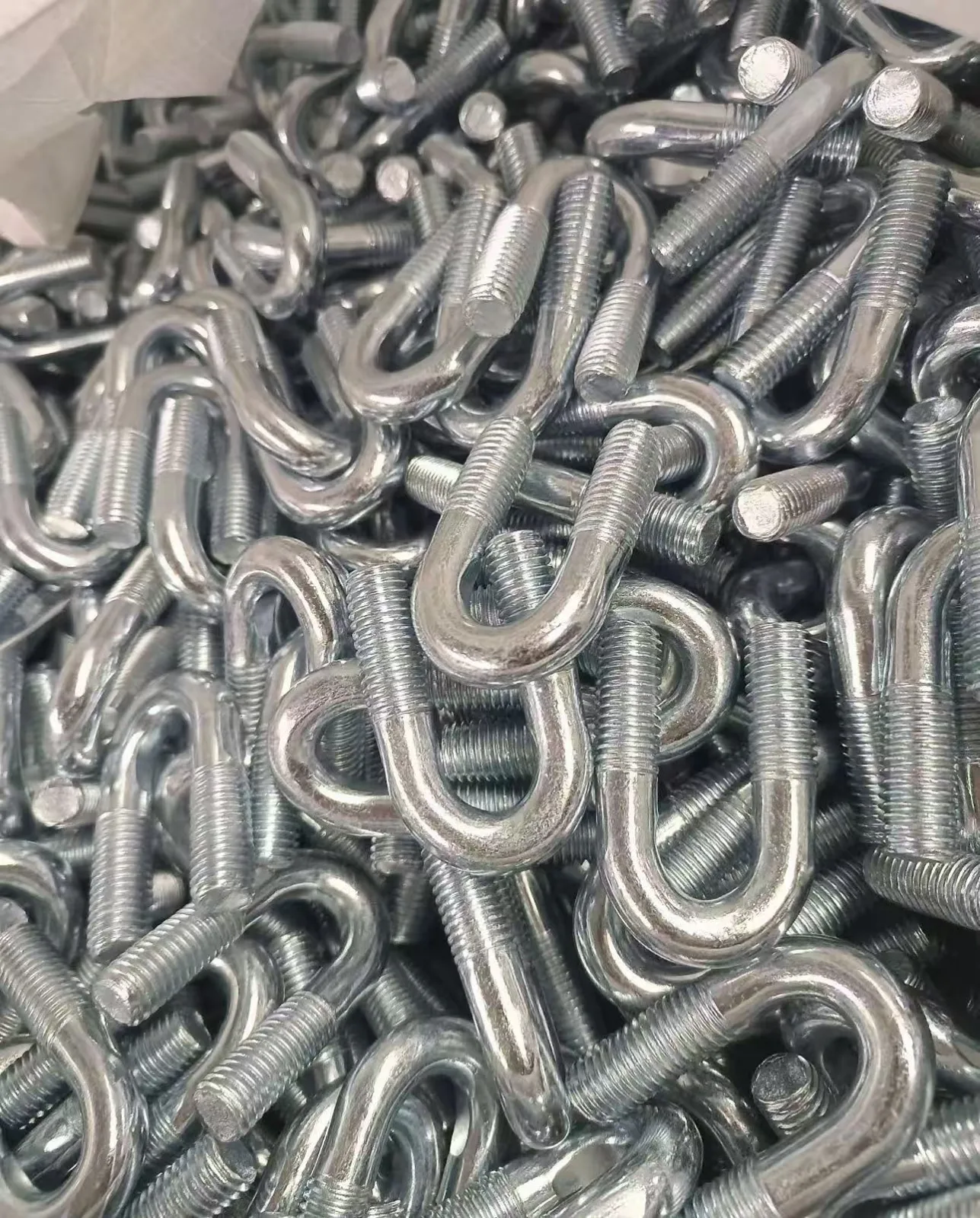
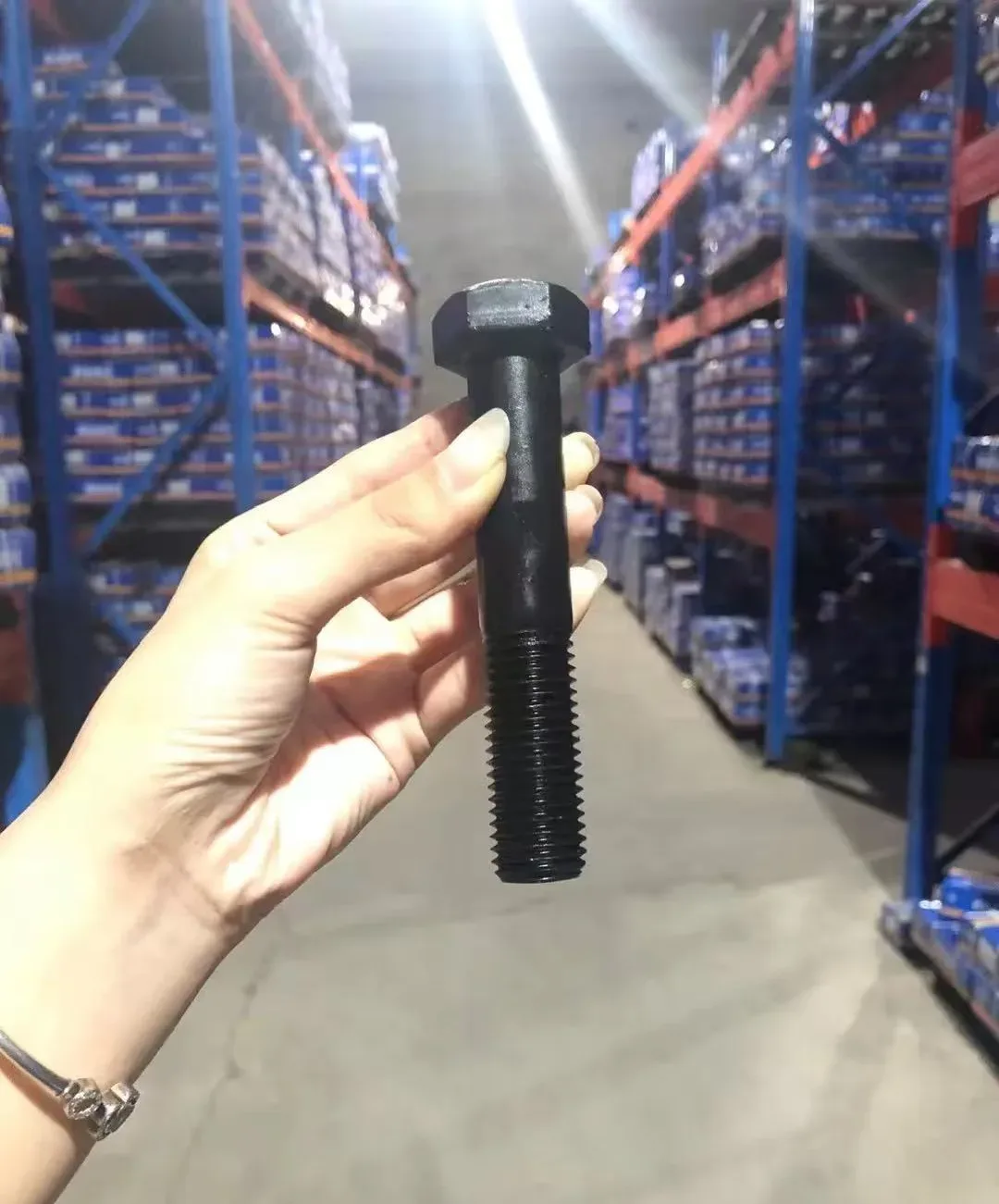
Hex heads, nut-and-washer assemblies, internal threads, hooks and eye ends create different assembly interfaces. Check tool approach, space behind or around the fixture, neighbouring parts and allowed projection. If a bracket, washer or nut is part of the installation, list it as part of the complete assembly.
Do not leave load and acceptance as verbal assumptions
For structural, equipment, suspended or regulated work, the project designer should identify the loading direction, design condition, required documents, test method and acceptance standard. A supplier cannot replace design judgement from a product name alone. If information is incomplete, sample assembly and project approval should precede a bulk order.
What fits on a one-page RFQ
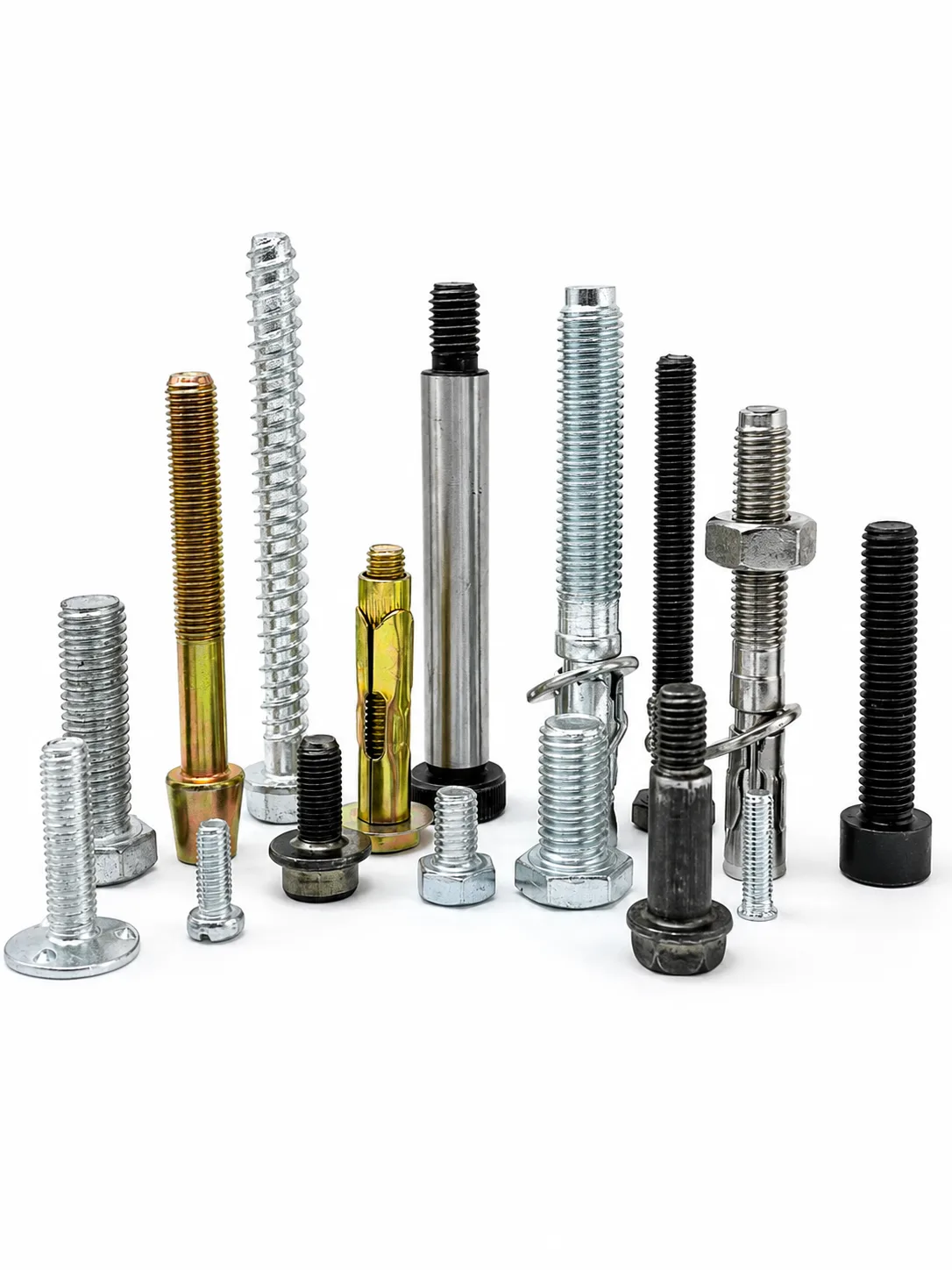
Include the product image or standard, base material and installation position, hole drawing, fixture drawing, end fitting and accessories, requested material or finish, service environment, quantity, packing, destination, documents and acceptance requirements. Use WT Bolts’ anchors and expansion fasteners and sleeve expansion bolt pages to identify forms; the final selection follows the drawing, site conditions and confirmed data.