Elevator Bolt vs Carriage Bolt: Head, Square Neck and RFQ Dimensions
Both bolts can have a square neck, but their head profile, contact area and seating differ. Specify the head, neck, hole and length datum in the RFQ.
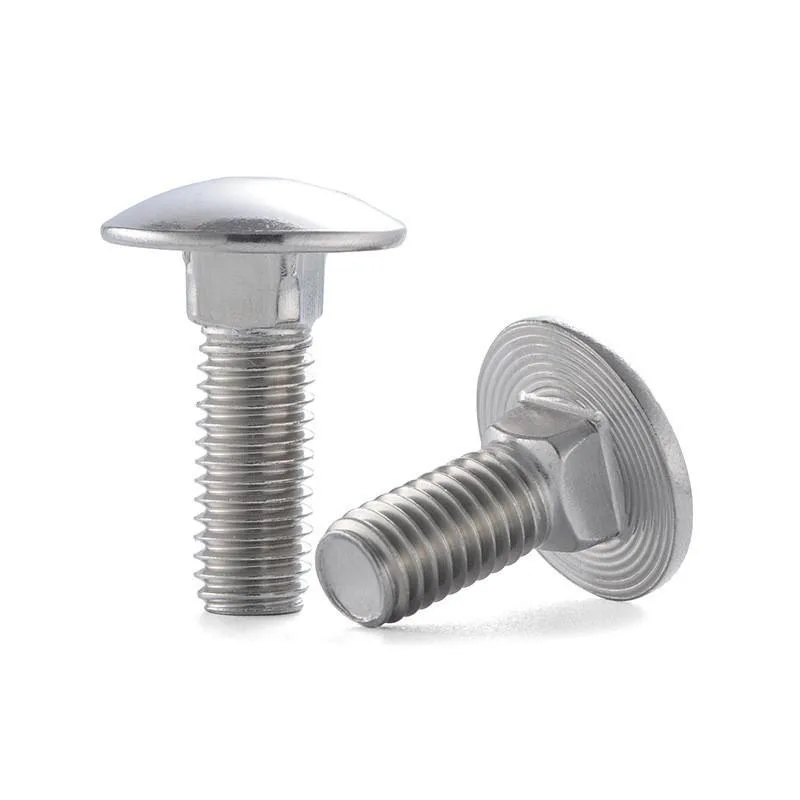
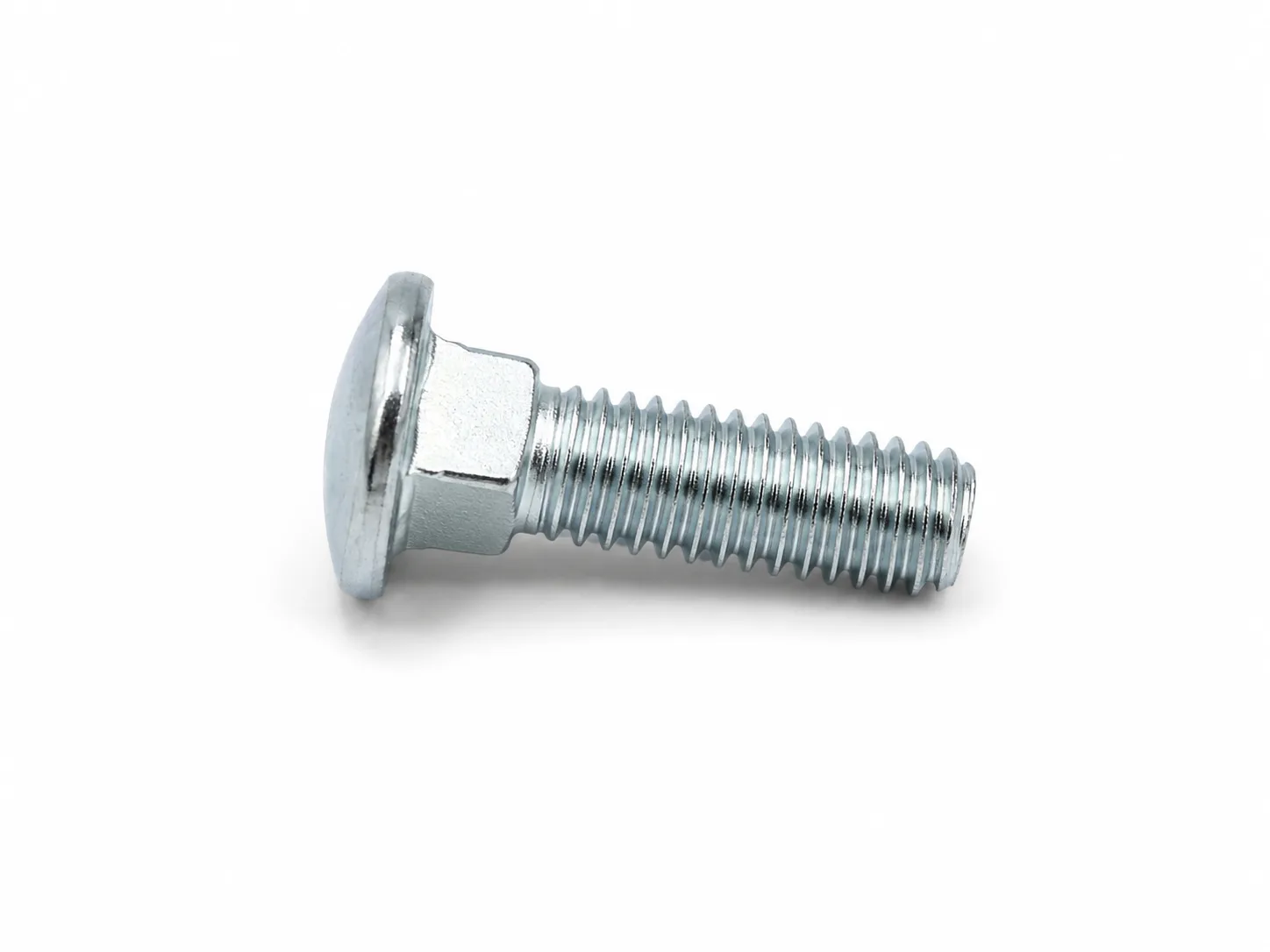
Elevator bolts and carriage bolts can both use a square neck below the head, but that does not make them interchangeable. The clearest visual difference is the head. An elevator bolt usually has a broader, flatter head, while a carriage bolt commonly has a domed head. Replacement depends on head seating, neck engagement and the chosen length datum.
The neck resists rotation; the head contacts the part
Fastenal's elevator bolt listing explains that the square neck resists turning while the nut is tightened or removed, and that the large head provides a greater bearing surface. That supports the structural distinction, but the listed dimensions and grade apply only to that catalogue item.
Head profile changes the prepared surface
A broad flat head suits assemblies that need more coverage, but it is not automatically safer on every thin or soft part. A domed carriage-bolt head gives a smoother exposed profile. When the installation has a countersink, step, slot or cosmetic limit, show the permitted projection and contact area on the drawing.
The square neck needs the right hole
The neck can resist rotation only when the hole form, width and plate thickness suit it. An oversized round hole, crushed material or incomplete neck engagement can let the bolt turn during assembly. When replacing an old part, measure the square-neck width and length rather than only the thread diameter.
Length definitions can create purchasing errors
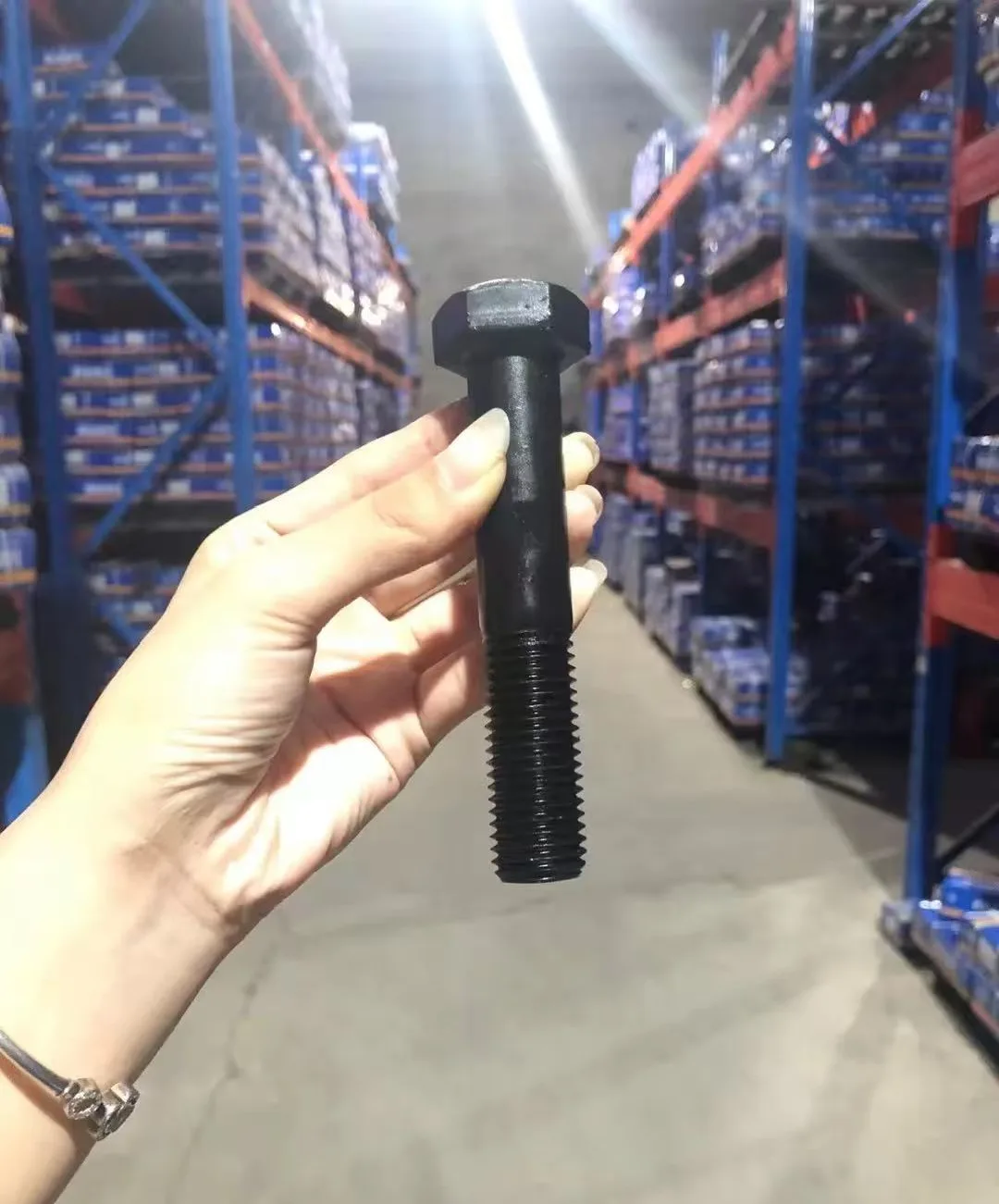
Drawings may measure from below the head, from a countersunk reference plane or as overall length. State the length origin, usable thread, unthreaded shank and end requirement. If the convention is uncertain, attach a side photo and a dimensioned section of the old part.
A comparable RFQ
List the product name and standard, head diameter and height, head profile, square-neck width and length, thread, length datum, mating hole, plate thickness, requested material or finish, quantity and acceptance documents. Use the WT Bolts elevator bolt and carriage bolt pages to identify the form. The drawing or approved sample remains the order basis.