EU Imposes Anti-Dumping Duties on Chinese Headless Screws, Exporters Need to Reassess Market Strategies
The European Commission has imposed final anti-dumping duties on headless screws originating in China, affecting export costs and market access for related products. Fastener companies must pay greater attention to product codes, origin, and compliant pricing.
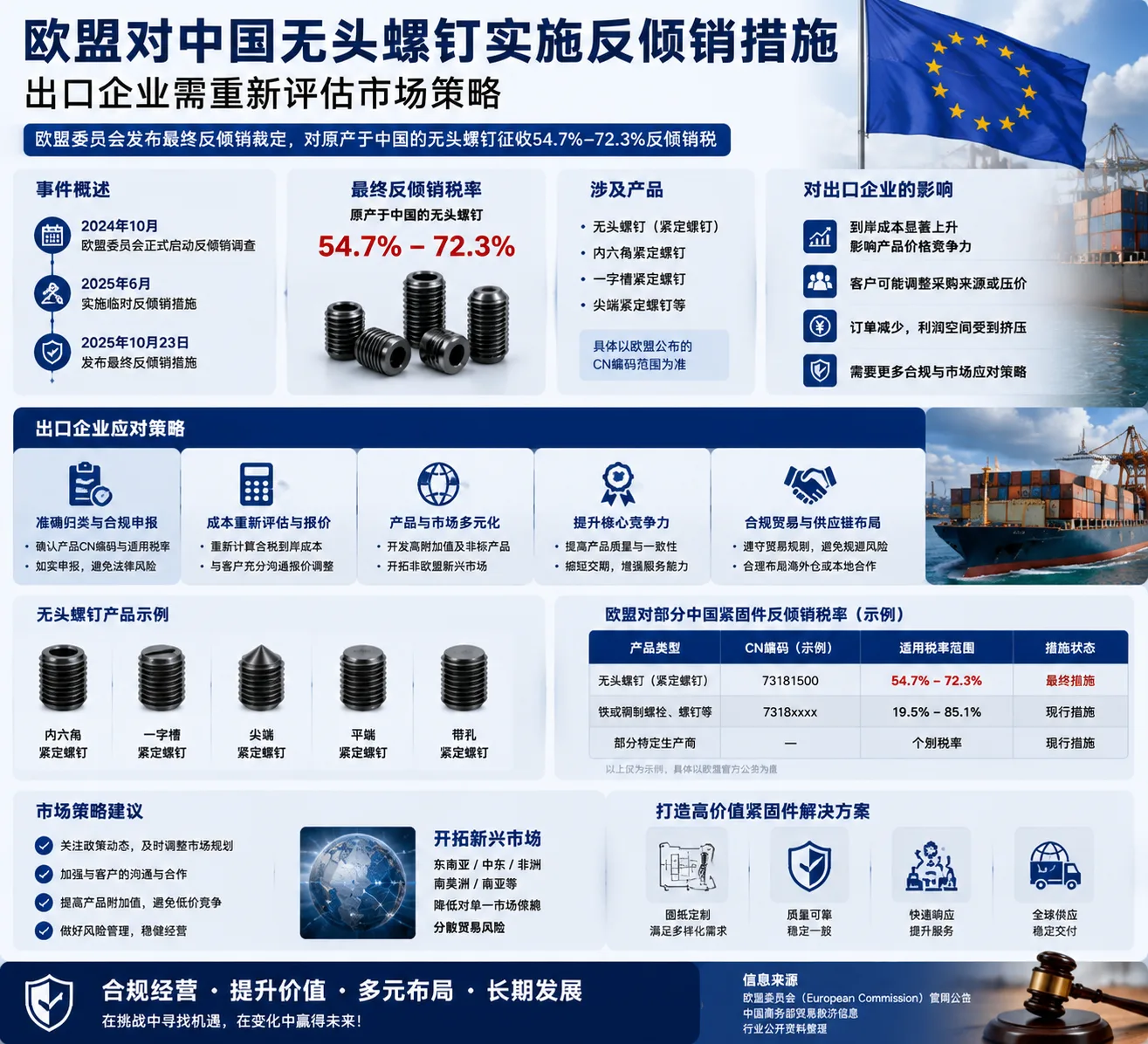
In October 2025, the European Commission announced final anti-dumping duties on headless screws originating in China, with final duty rates ranging from 54.7% to 72.3%. The investigation was initiated in October 2024, and went through provisional measures and final determination in 2025.
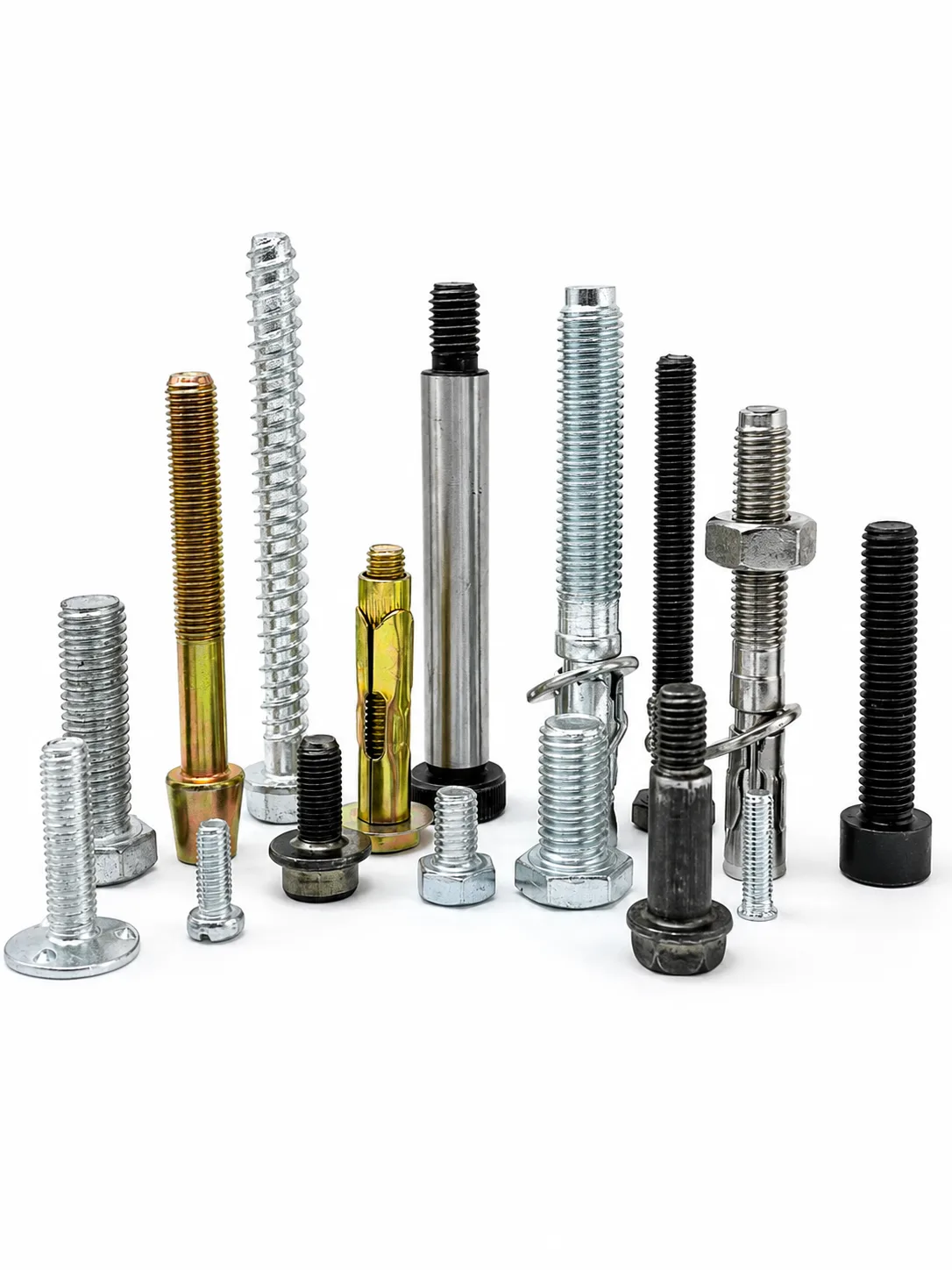
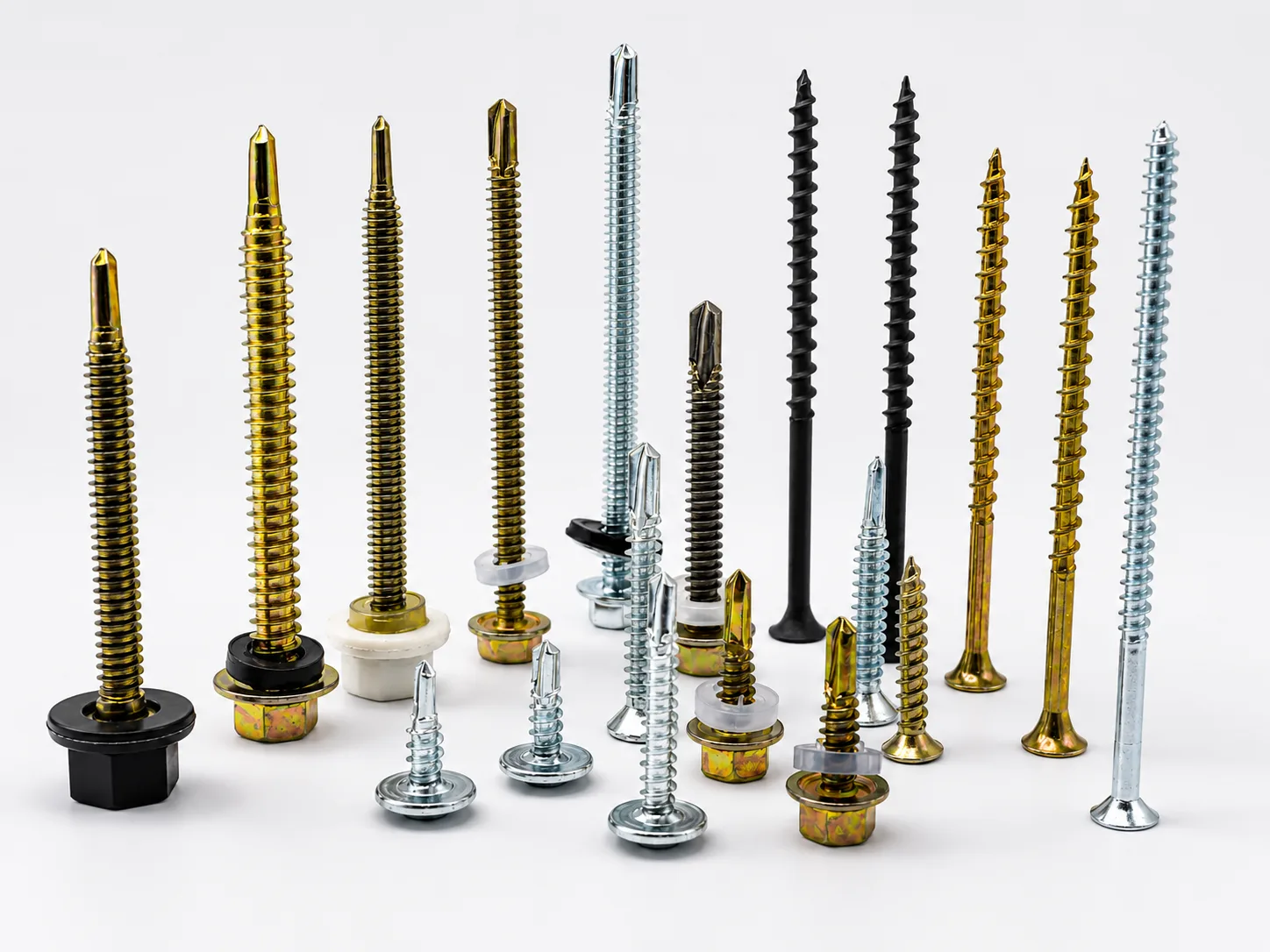
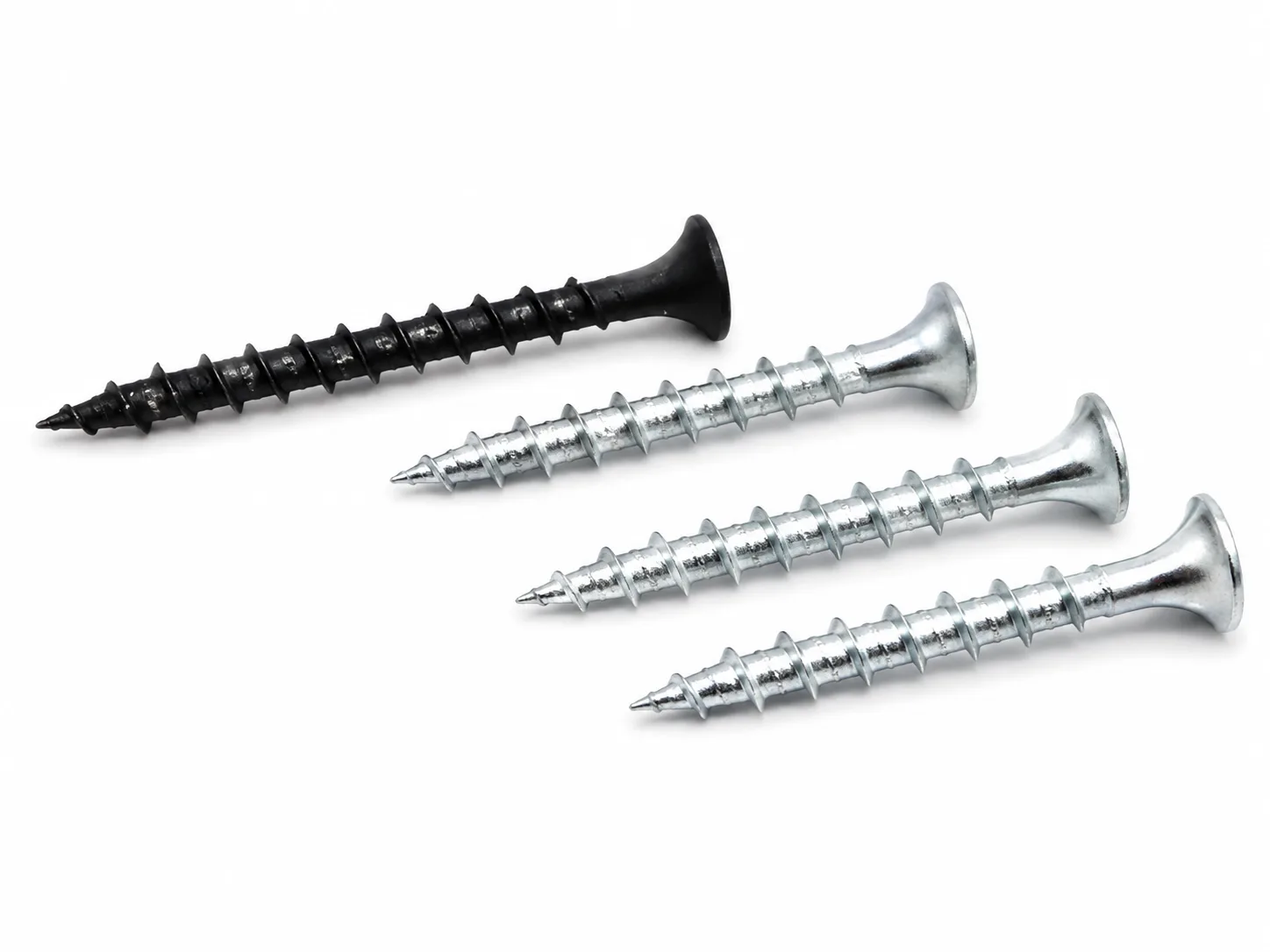
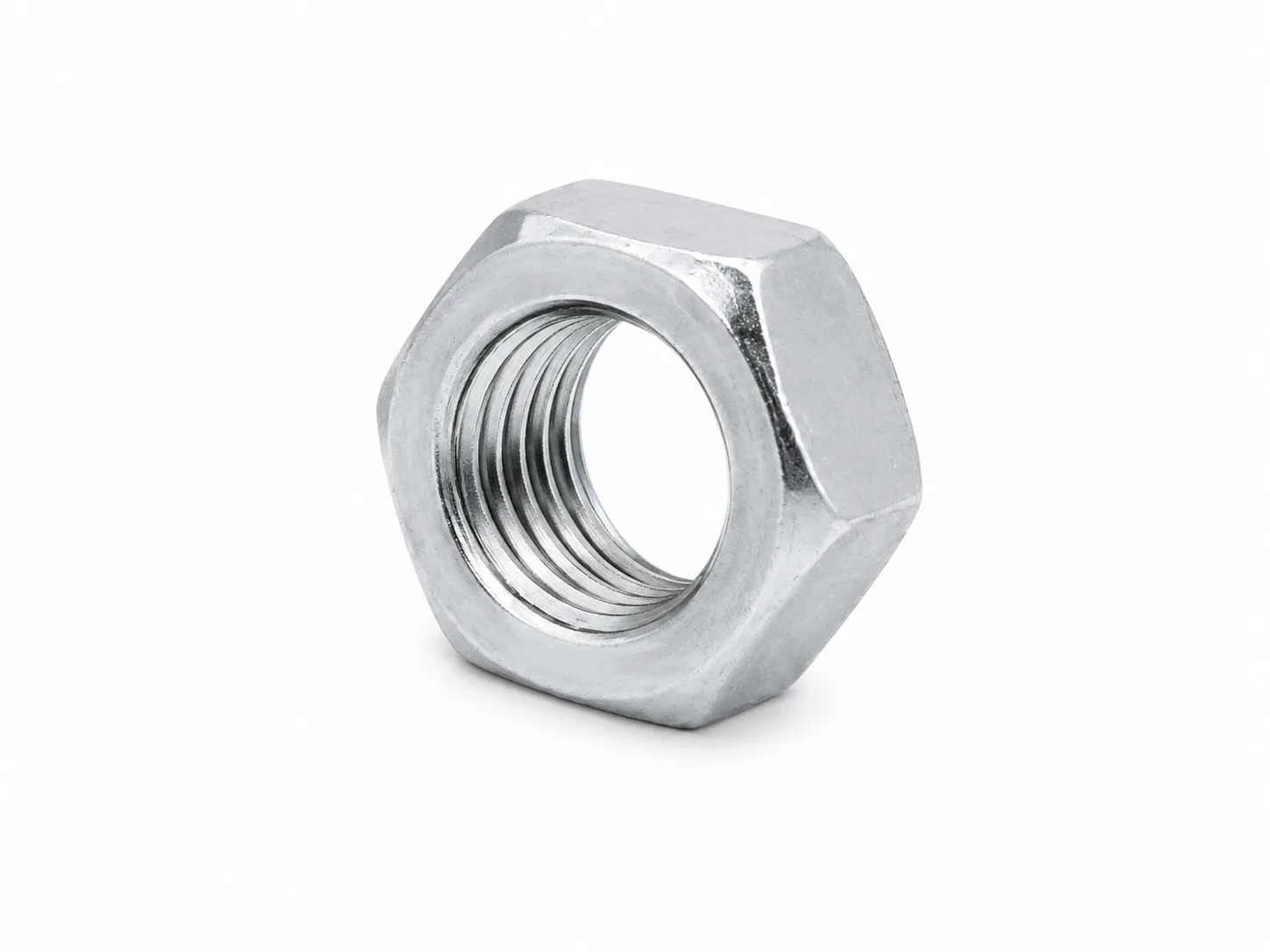
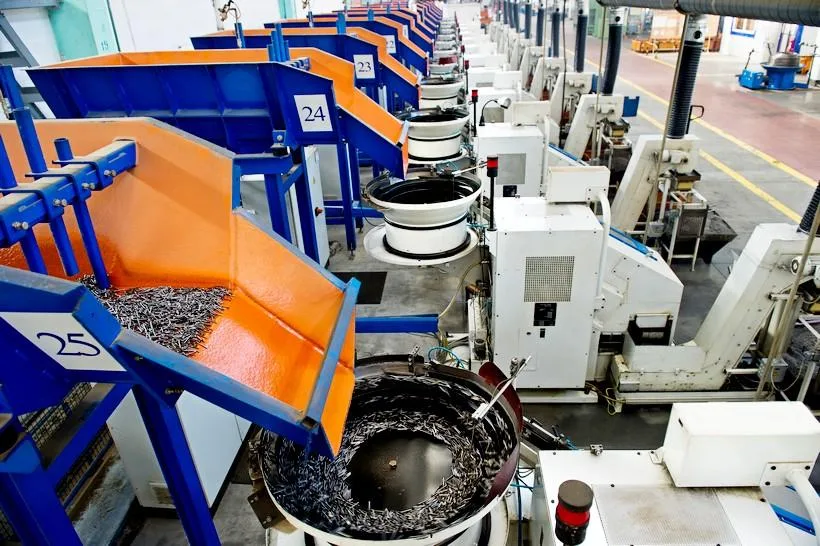
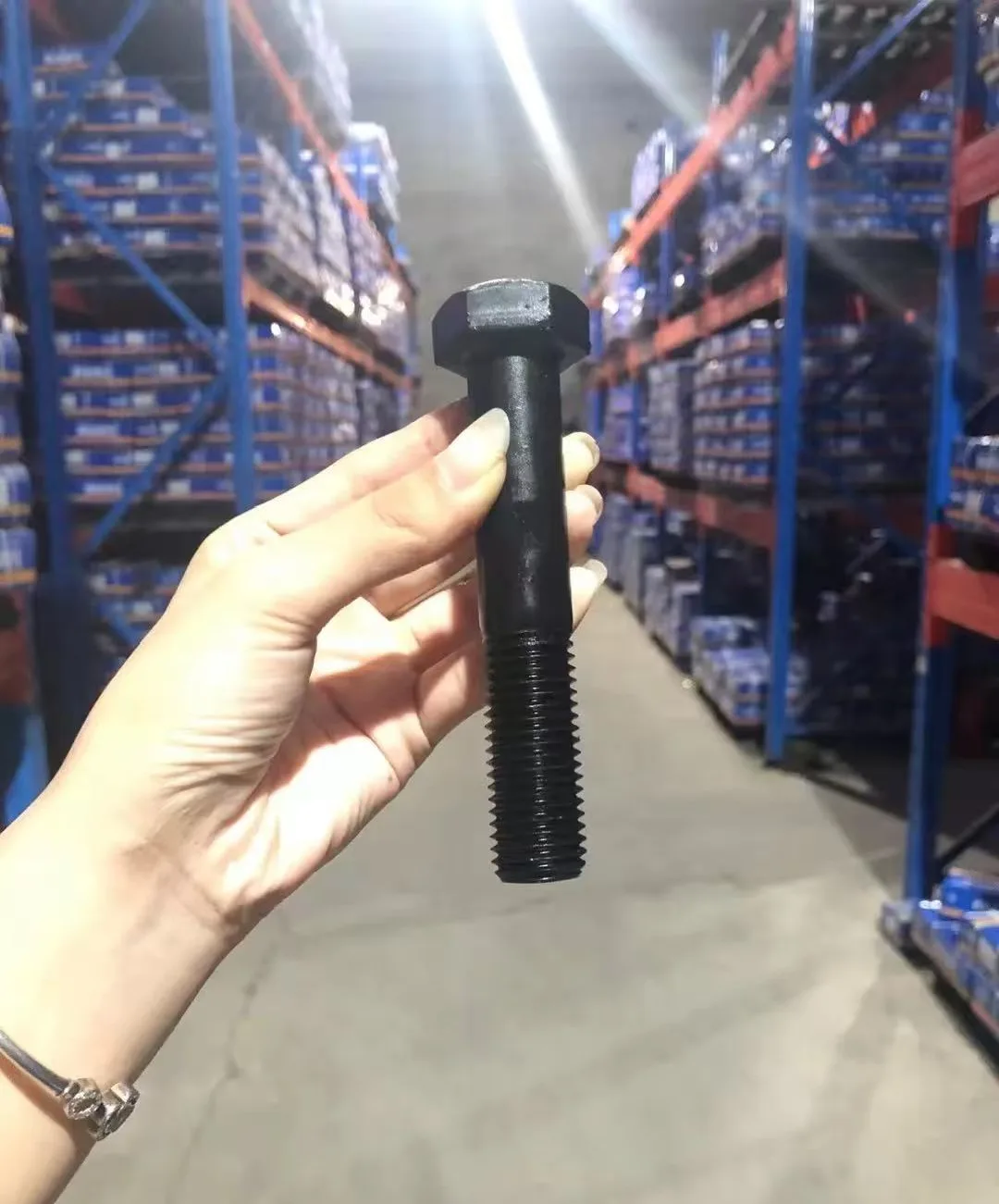
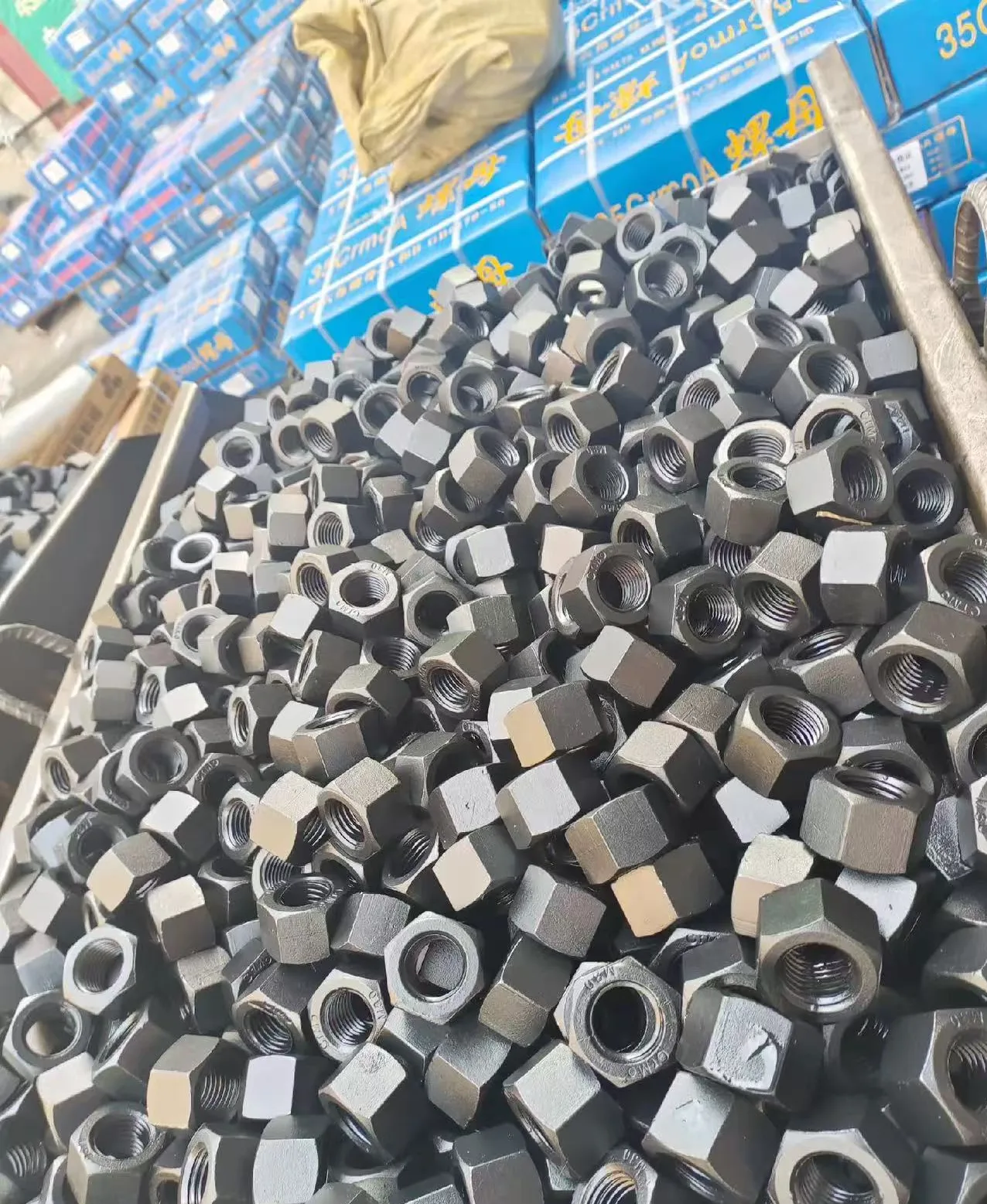
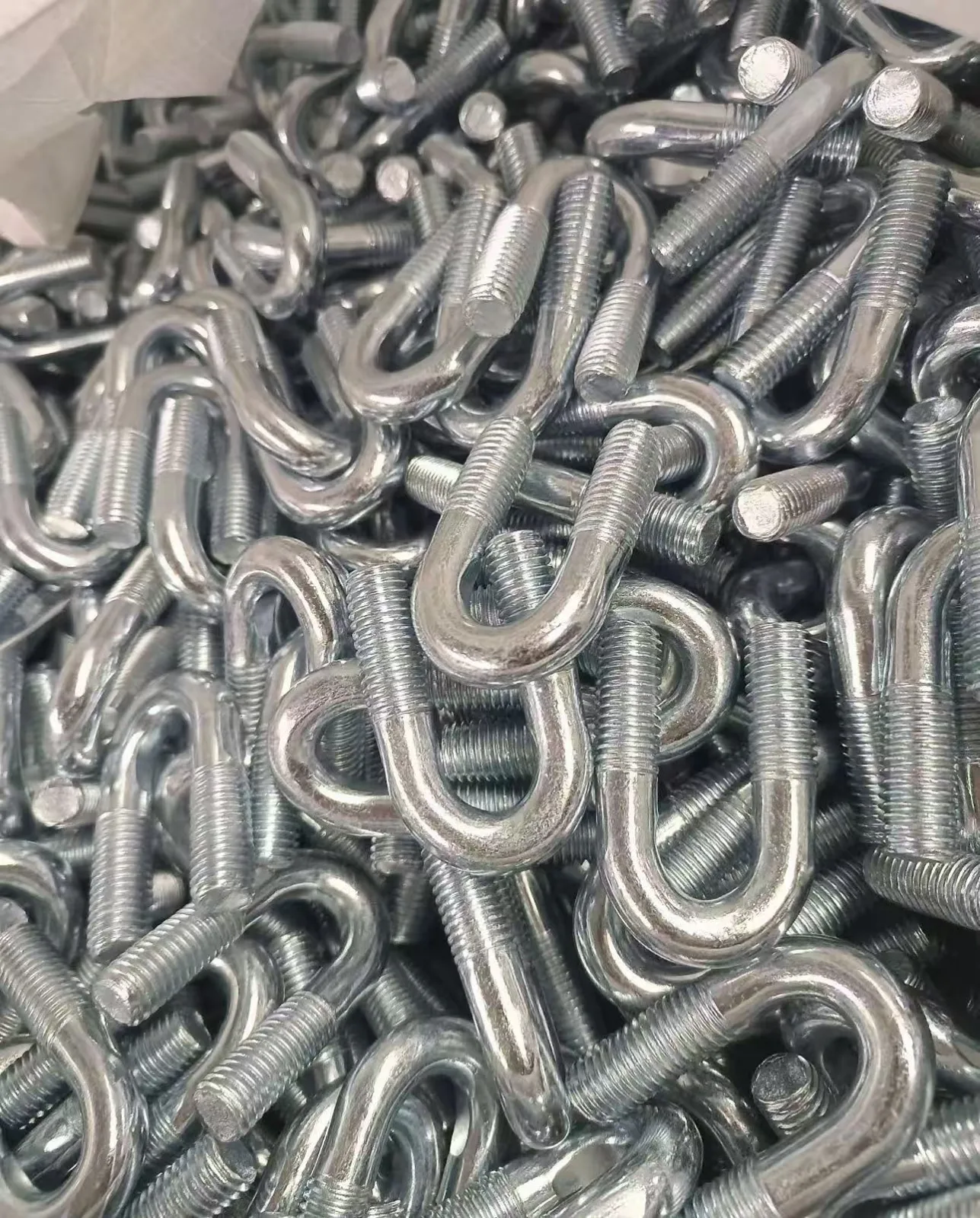
Headless screws are commonly used in machinery, automotive parts, fixtures, molds, furniture, and precision assembly, including some set screws and special threaded fasteners. Due to their wide variety of specifications, small sizes, and broad applications, the European market has been a key sales region for these products.
After the anti-dumping measures take effect, European importers need to recalculate procurement costs. Even if Chinese suppliers offer competitive ex-factory prices, the final landed cost may change significantly after applying the high duty rates. Some customers may adjust their sourcing sources or require suppliers to provide more accurate product classifications and technical descriptions.
It is important to note that anti-dumping investigations typically target specific product scopes and customs codes, and do not mean that all bolts, nuts, and screws are subject to the same duty rate. Exporters need to assess based on product structure, application, material, thread, and code.
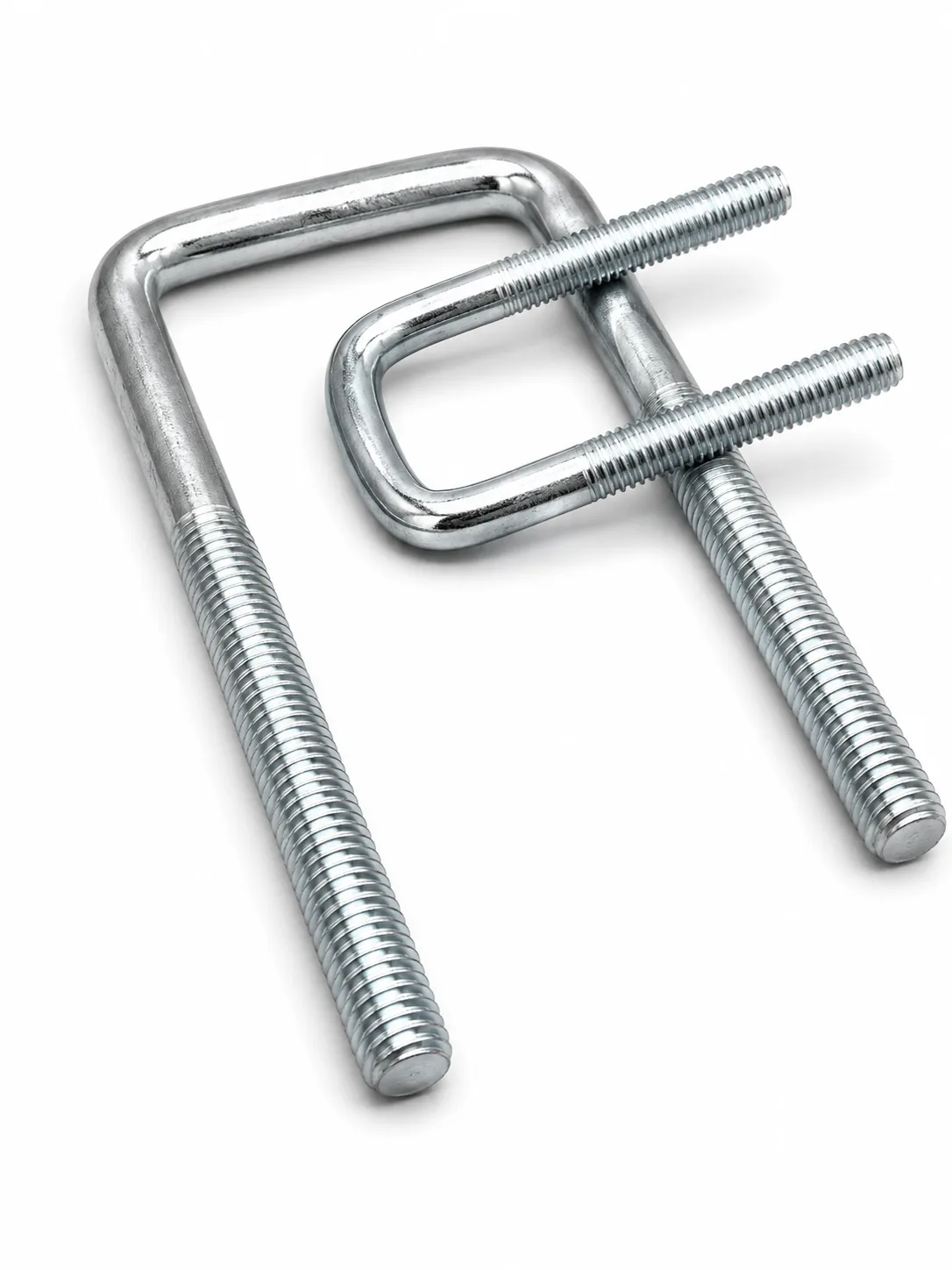
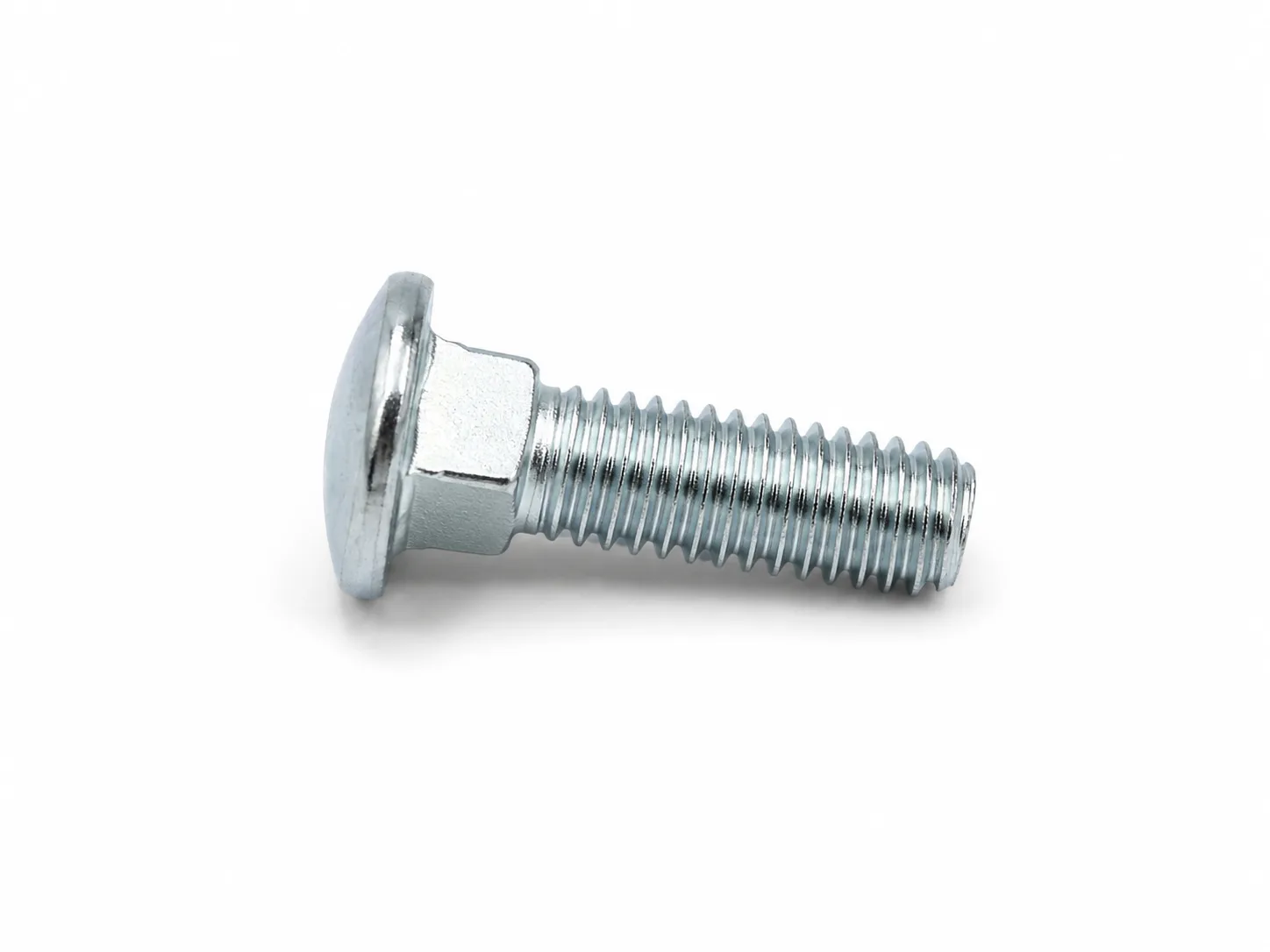
In addition to headless screws, the EU's existing anti-dumping measures on certain Chinese iron or steel fasteners also remain in place. Relevant amendment documents issued in 2025 mention differences in duty rates applicable to some Chinese producers.
In actual quotations, exporters should avoid simply providing FOB or CIF unit prices without explaining possible import taxes and fees. A more prudent approach is to clearly define the scope of the quotation and remind customers to have their local import agents verify anti-dumping duties, VAT, and customs clearance costs.
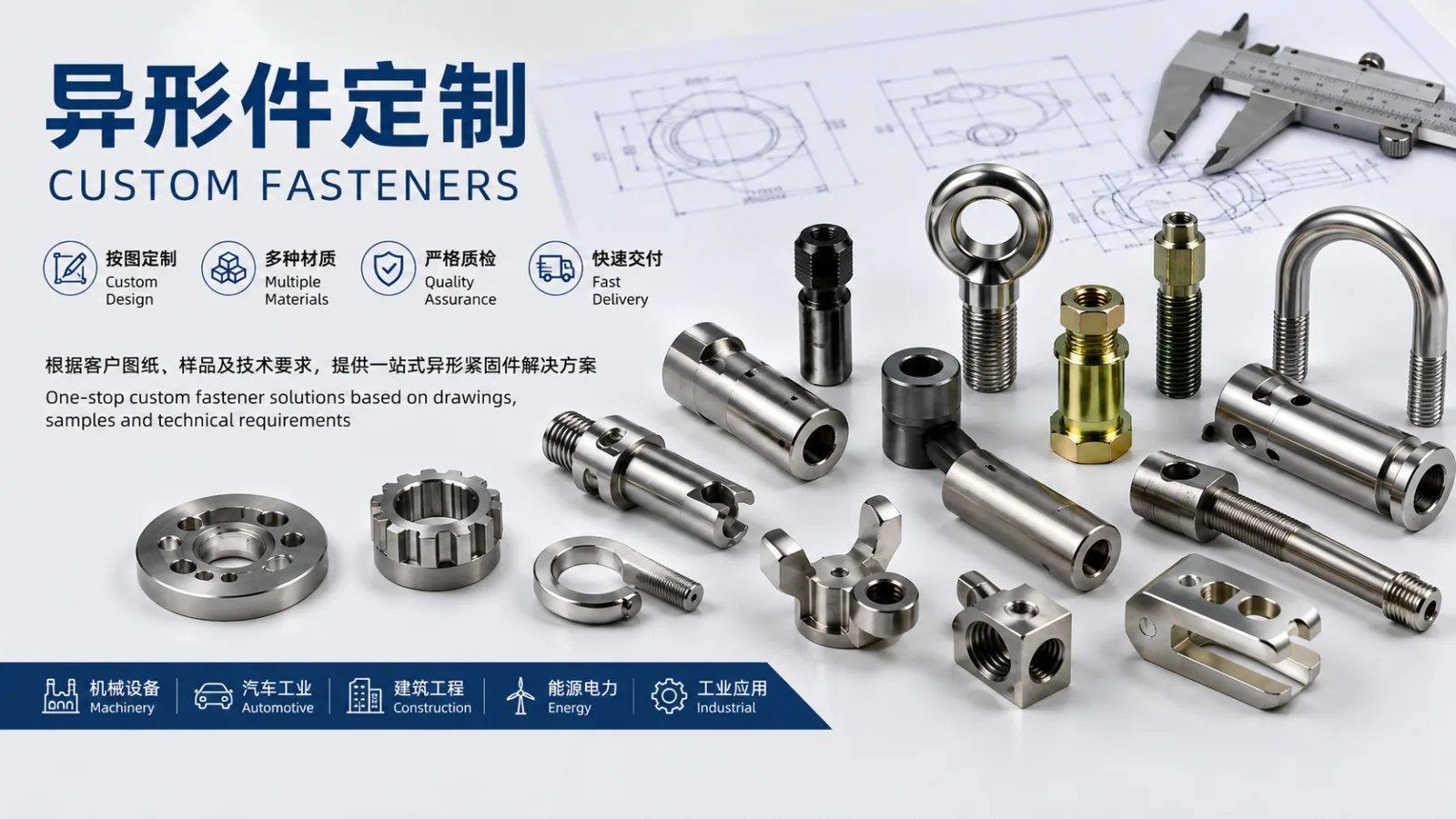
The anti-dumping environment also drives companies to adjust product structures. Common general-purpose fasteners are prone to price competition, while high-precision, special material, non-standard customized, and small-batch supporting products rely more on technical communication and supply capabilities. Companies can reduce dependence on single standard products and single markets by enhancing customization capabilities.
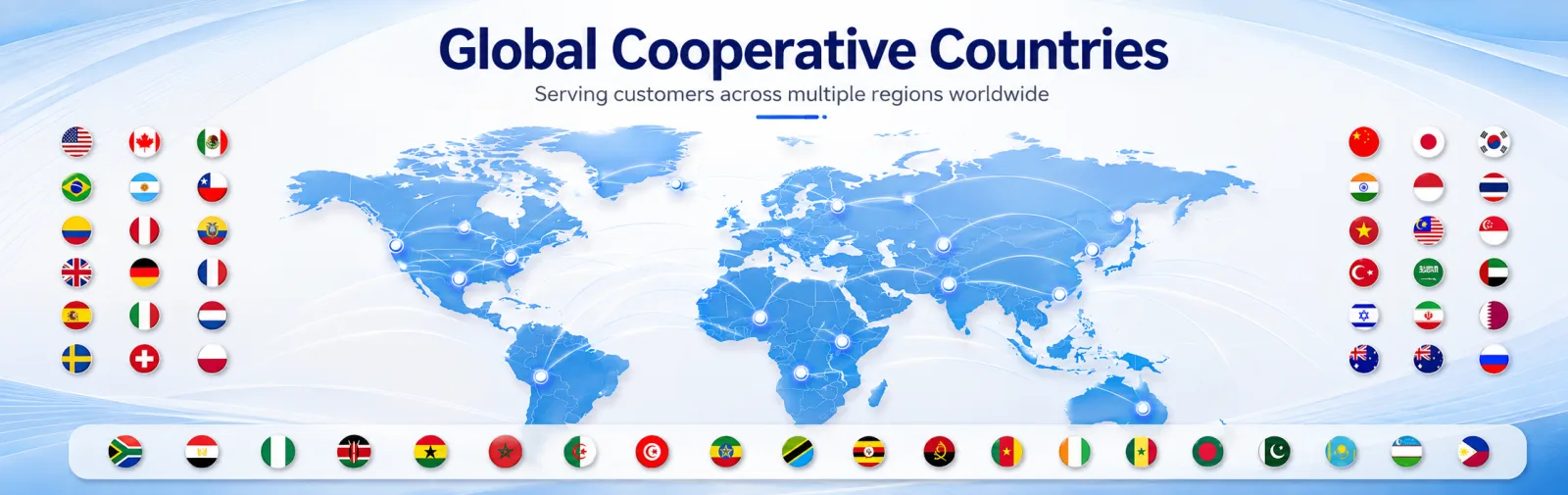
Diversifying export markets is equally important. Besides the EU, companies can explore markets in Southeast Asia, the Middle East, Africa, South Asia, and the Americas based on product standards and customer needs. However, different countries may also have certification, licensing, and trade protection measures that need to be confirmed before quoting.
Suppliers should also standardize origin and export documentation. Simply transshipping or repackaging to circumvent anti-dumping measures may lead to serious customs and legal risks. Only products that meet substantial processing and local origin rules can legally obtain corresponding origin status.
This measure reminds fastener companies that international market competition involves not only quality and price, but also trade policies, customs classification, and legal compliance. Building a product code database, monitoring policy changes, and maintaining communication with professional institutions will become important parts of export operations.