Hex Socket Head Cap Screws vs Countersunk Screws: A Buyer’s Guide
Compare hex socket head cap screws and countersunk screws by head geometry, seating surface, loadability and RFQ details before approving a substitution.
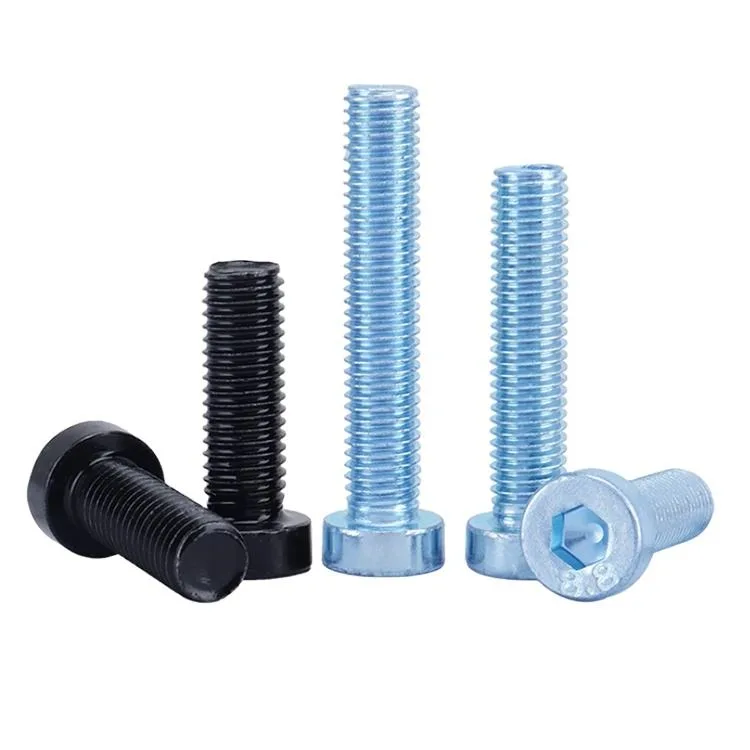
Hex socket head cap screws and countersunk screws can share the same drive, thread and nominal diameter, yet they are not interchangeable. The head geometry changes the seating surface, required clearance and load path. A flat installation may call for a countersunk head, while a cylindrical socket head is usually the more direct choice when head height is acceptable or a counterbore is available.
Start with the mating surface
A socket head cap screw seats on a flat surface or at the bottom of a counterbore, with axial access for the hex key. A countersunk screw needs a conical recess that matches the head. When installed correctly, its head can finish flush with or below the surrounding surface.
An incorrect countersink angle, depth or alignment prevents even seating. A screw that looks tight may still be bearing on a narrow edge. Put the countersink angle, opening diameter and flushness requirement on the drawing.
Two standards, two head designs
ISO 4762:2004 specifies characteristics for metric coarse-thread hexagon socket head cap screws. ISO currently lists this edition as published and confirmed.
ISO 10642:2026 covers hexagon socket countersunk head screws. Its title explicitly identifies reduced loadability due to the head design. ISO’s public abstract explains that the countersunk-head dimensions and socket penetration limit the ultimate tensile load in the head, and it calls for alignment between the head and the countersink bearing surface.
A matching thread size or similar class marking therefore does not prove equal head loadability. The joint designer should review the actual product standard and assembly before one head style replaces the other.
When a socket head cap screw fits
Socket head cap screws are widely used in machinery, fixtures and equipment where a side wrench has little room but the driver can reach the screw axially. Check head height, counterbore dimensions, tool access and interference with nearby parts.
For a preload-sensitive joint, keep the material, property class, finish, lubrication condition, mating thread and tightening method in one technical specification. The head style is only one part of the connection.
When a countersunk screw fits
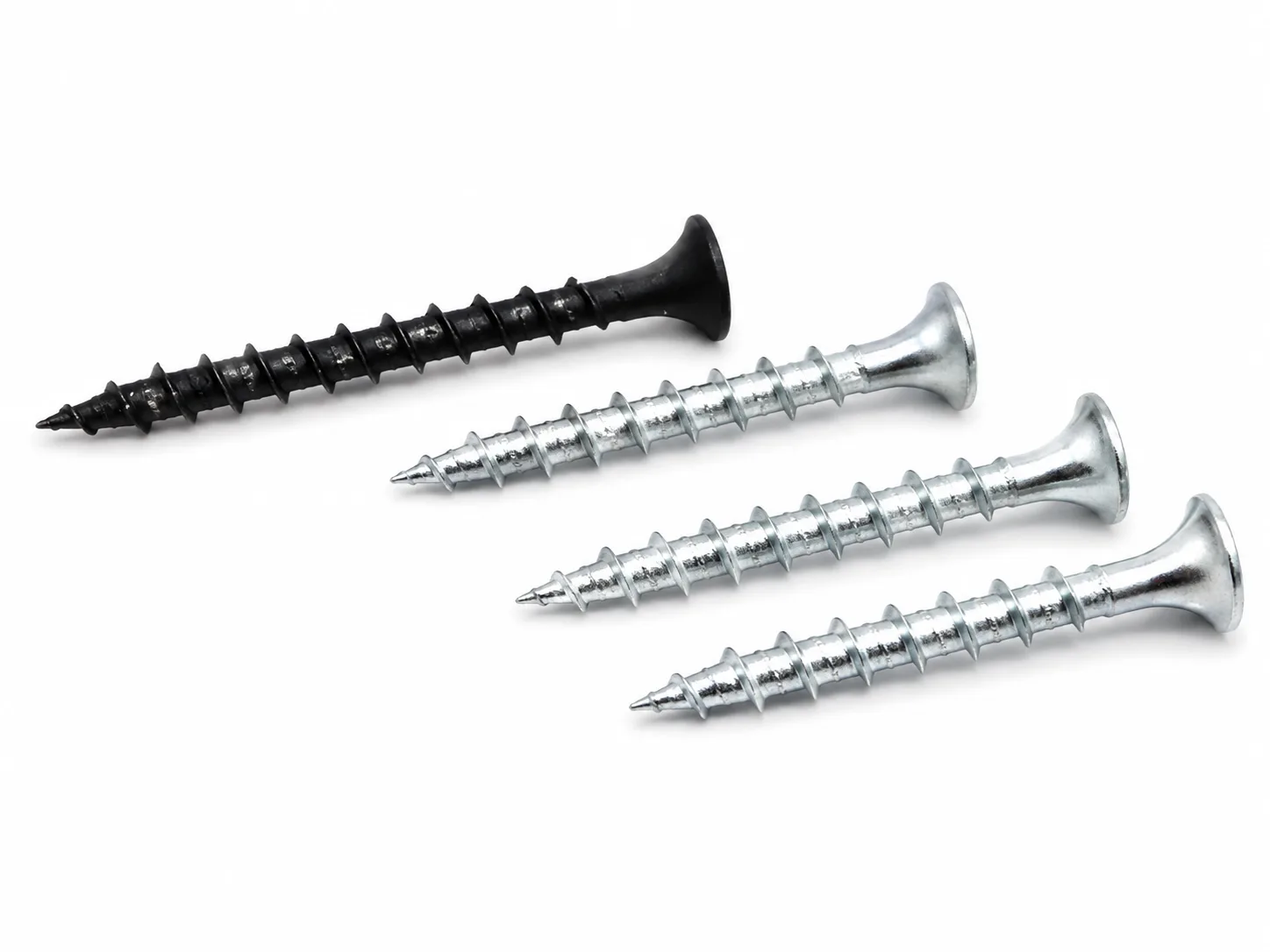
Countersunk screws suit covers, sliding interfaces and finished surfaces where a projecting head would interfere. Their benefit is the low installed profile, not universally higher strength.
The designer must confirm that the countersink does not weaken the connected part and that the material around the recess can support the local bearing pressure. Thin sections, soft materials and fatigue-sensitive joints deserve particular attention.
Length may be measured differently
Socket head cap screw length is generally measured from the underside of the head to the tip. The nominal length of a countersunk screw generally includes the head. Confirm the rule in the ordered product standard and drawing. If buyer and supplier use different reference points, the same stated length can describe two different parts.
What a workable RFQ includes
State the product standard and edition, thread diameter and pitch, length, property class or material, finish, thread tolerance, quantity, packaging and inspection documents. For a countersunk screw, add the countersink angle, mating recess and flushness requirement.
For a part made to drawing, dimension the head, socket, thread and length tolerances. Do not approve a “same-size substitute” without an engineering check. Changing from a socket head to a countersunk head, or the reverse, changes both clearance and seating.
Related products
See WT Bolts’ hex socket head cap screws and hex socket countersunk head screws. Sending the drawing or applicable standard with the RFQ is more reliable than identifying a fastener from a photo alone.