← Back to News

Self-Drilling vs Self-Tapping Screws: Differences, Uses and Selection

Compare self-drilling and self-tapping screws by point design, pilot-hole needs, base material, thickness, installation, coating, and application.
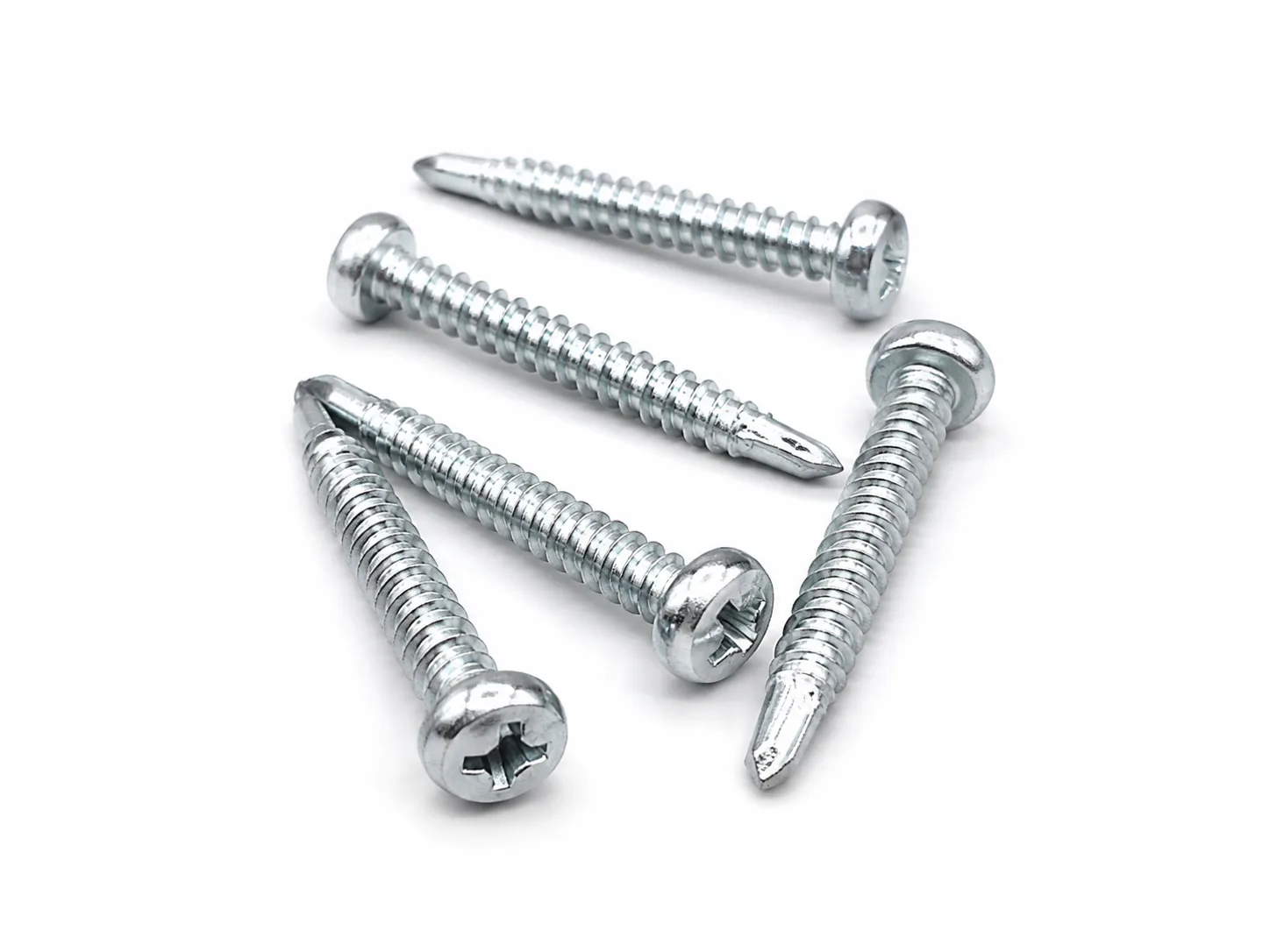
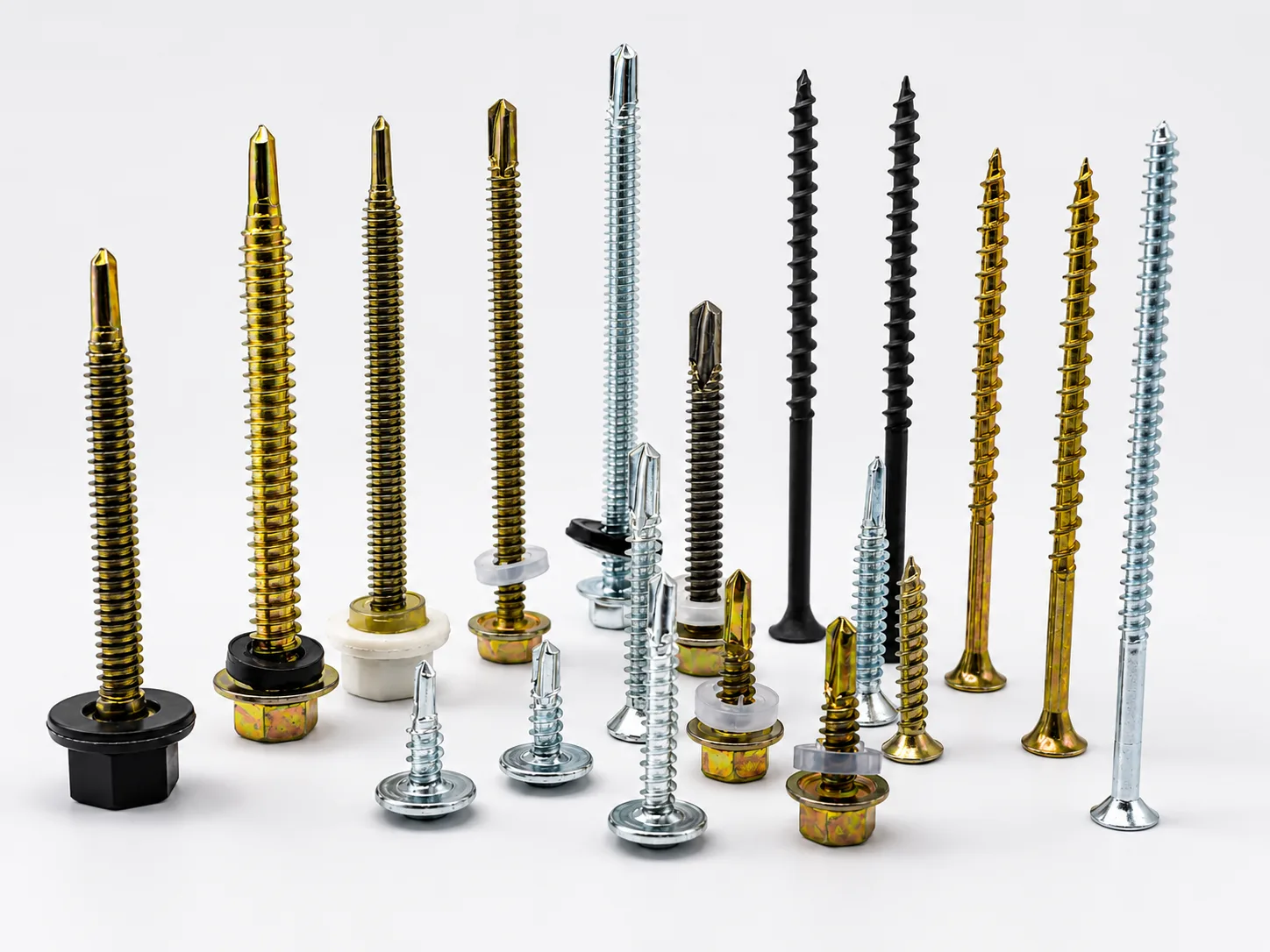
Self-drilling and self-tapping screw selection comparison

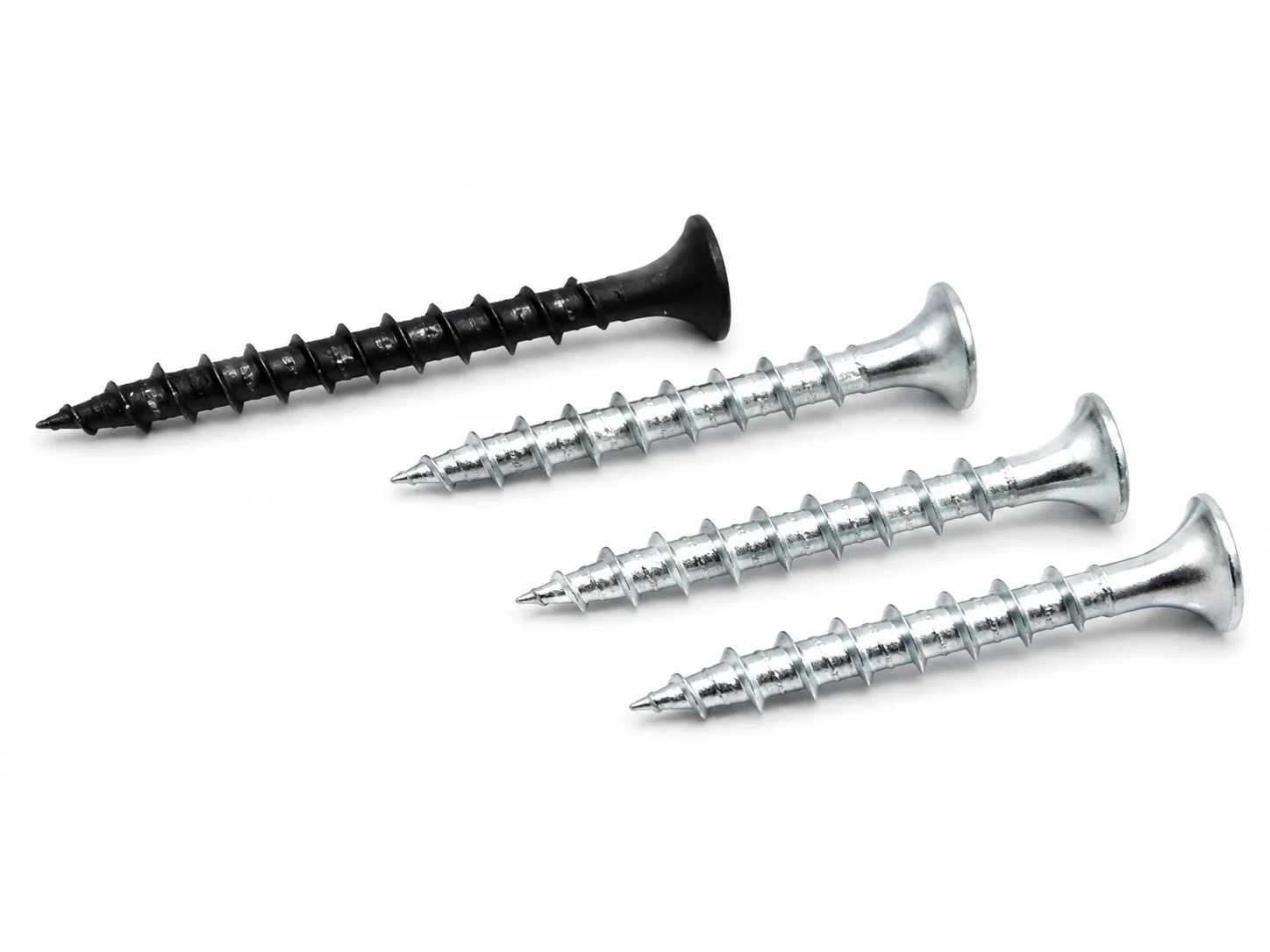
A self-drilling screw has a drill-shaped point that makes a hole and forms the mating thread during installation in compatible material. A self-tapping screw forms or cuts a thread in a prepared pilot hole. Self-drilling screws are a type of self-tapping fastener, but the two terms should not be treated as interchangeable on an RFQ.

The correct choice depends on the base material, total material thickness, joint design, required clamping force, corrosion environment, and installation equipment.

Self-Drilling and Self-Tapping Screws Compared

Selection pointSelf-drilling screwSelf-tapping screw
Pilot holeUsually not required within the screw’s verified drilling capacityNormally requires a drilled, punched, or moulded pilot hole
Point designDrill-point geometryThread-forming or thread-cutting geometry
Typical materialCompatible sheet metal and metal assembliesMetal, plastics, wood products, and other materials with the correct pilot hole
InstallationDrilling and fastening in one operationHole preparation and fastening are normally separate
Main riskDrill point does not match the material stackPilot-hole diameter or thread style is wrong

“No pre-drilling” is not a universal promise. The screw must be tested against the thickness and hardness of the materials being joined.

When to Choose a Self-Drilling Screw

Self-drilling screws are useful when installation speed matters and the point can drill the intended metal stack. Common applications include metal roofing, cladding, ductwork, light-gauge framing, electrical accessories, and sheet-metal assembly.

Check the drilling capacity, thread length, head, drive, washer, coating, and corrosion requirement. Roofing assemblies may also require a bonded or EPDM sealing washer matched to the panel and screw.

When to Choose a Self-Tapping Screw

Self-tapping screws suit applications where a pilot hole already exists or can be controlled accurately. Pilot-hole diameter is critical: a hole that is too small can raise installation torque and cause breakage, while a hole that is too large can reduce thread engagement.

Five Questions Before Ordering

  1. Which materials are being joined? State each material, grade, hardness, coating, and thickness.
  2. What is the total drilling or grip thickness? The drill point must complete the hole before the thread fully engages.
  3. Which head and drive fit the assembly? Consider tool access, bearing area, profile, and torque transfer.
  4. What corrosion resistance is required? Specify material, coating, washer, and any project test requirement. Do not select a finish by colour alone.
  5. How will the screw be installed? State driver type, speed, torque control, access, and expected installation volume.

Common Selection Mistakes

  • Treating every pointed sheet-metal screw as self-drilling.
  • Ignoring the combined thickness of multiple metal layers.
  • Choosing length without checking thread engagement and point clearance.
  • Using a coating that does not match the service environment.
  • Over-compressing a bonded washer.
  • Approving a screw from dimensions alone without testing it in the actual material stack.

RFQ Checklist

Provide the screw type, drawing or standard, diameter, length, head, drive, drill point or tapping style, thread, material, coating, washer, base materials, total thickness, quantity, packaging, and test requirements.

See WT Bolts self-drilling screws and self-tapping screws. Send the application details, material stack, drawing, and target finish for a product review and quotation.
Products

Factory-direct supply with large stock on common sizes

Hebei Wangtu focuses on industrial fastener supply. We keep large stock, start standard orders from 1 kg, and run short lead times for custom parts. Send your size list or drawing for a fast RFQ.
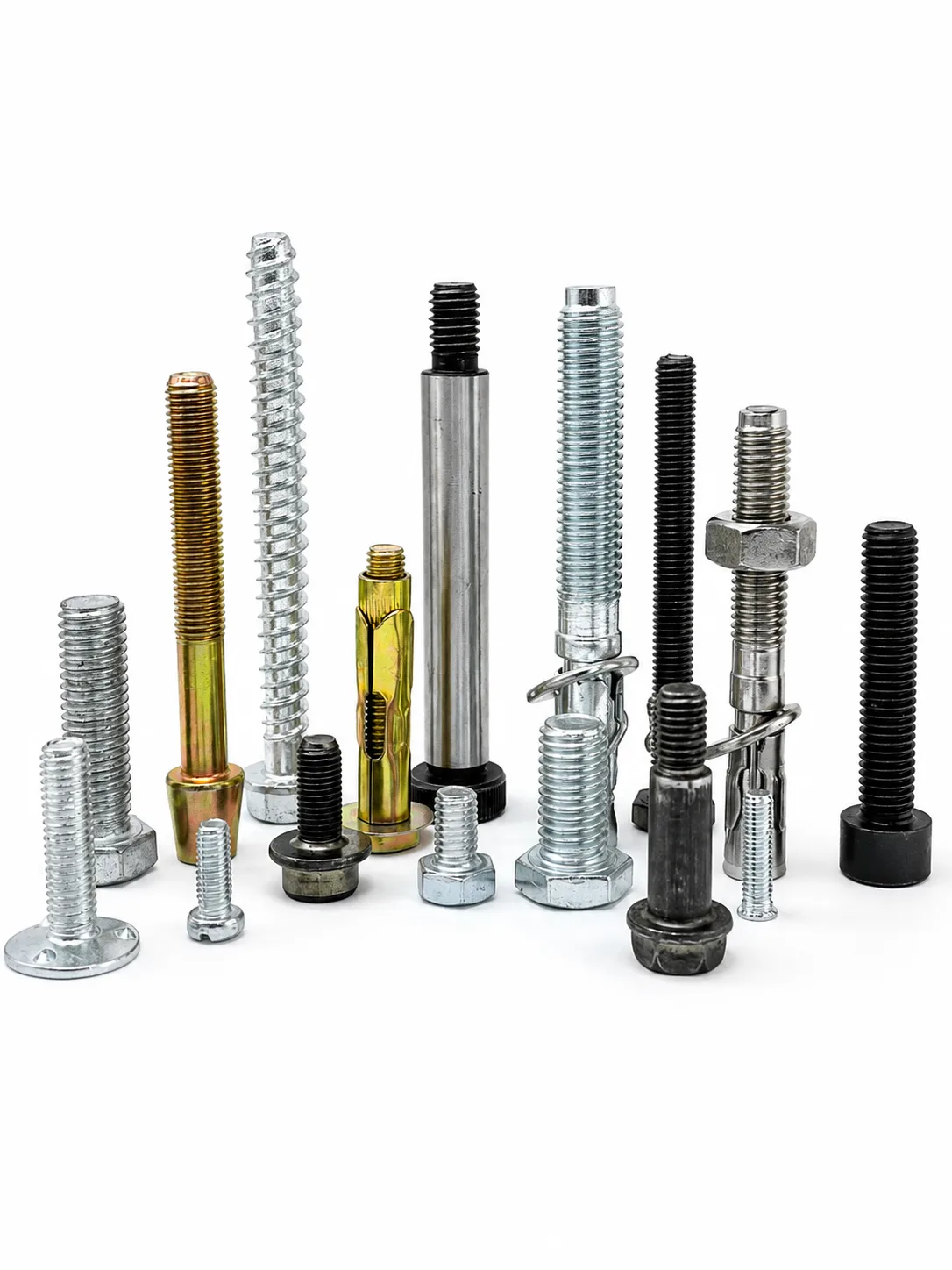
View Products →
Bolts
01

Bolts

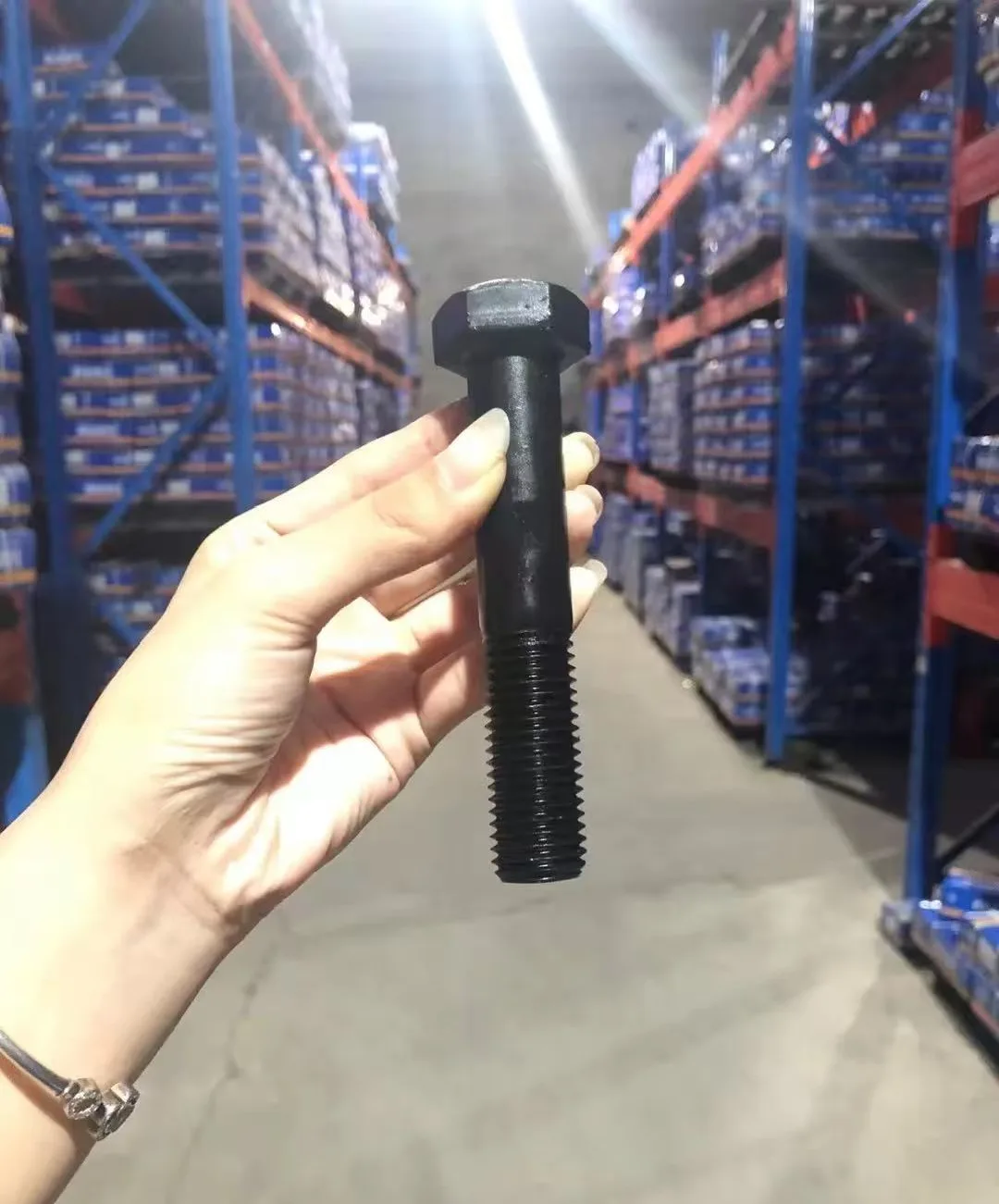
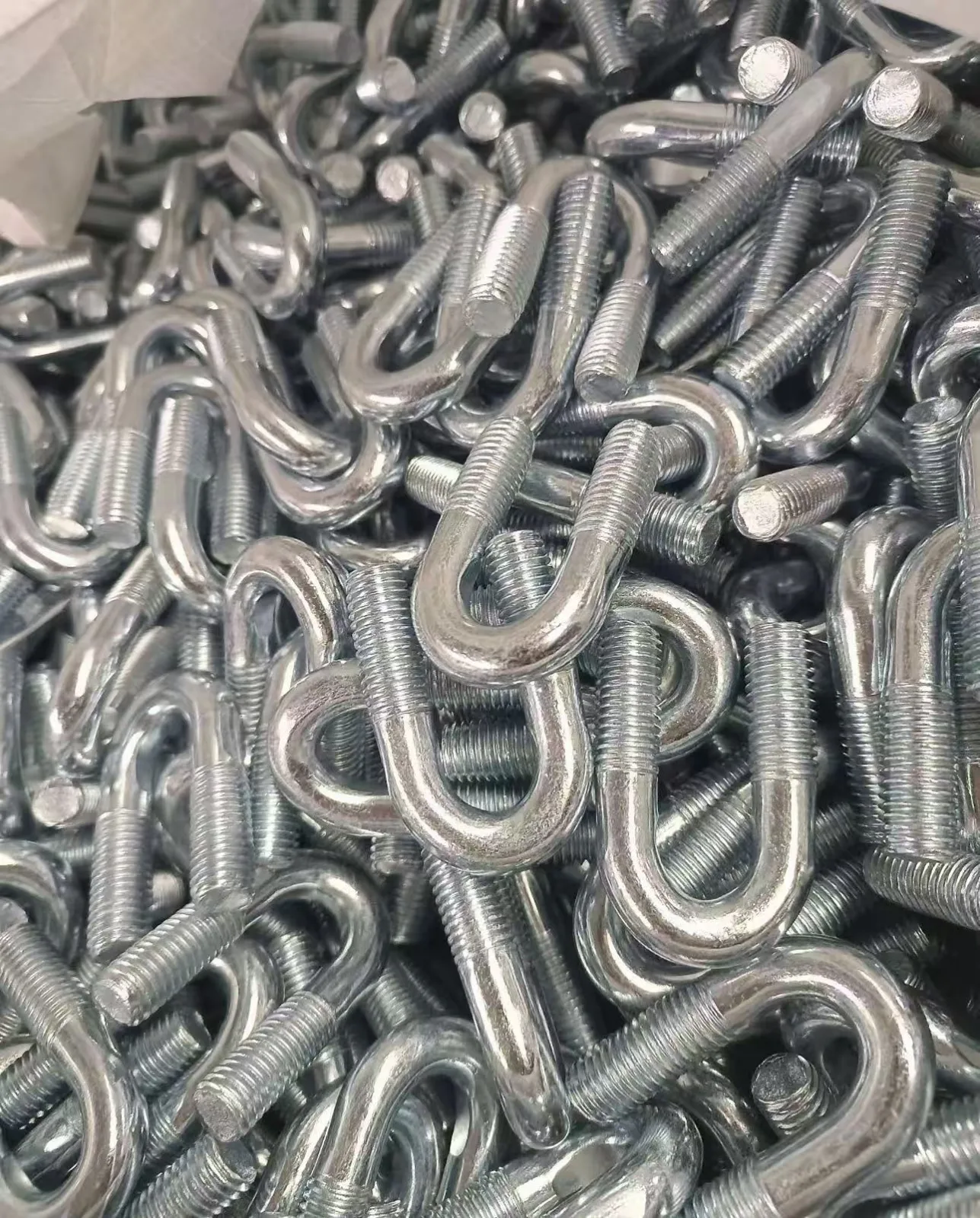
For importers, wholesalers and project buyers sourcing standard or drawing-based bolts. Browse flange, socket, anchor, U-bolt and other bolt types. For a bulk RFQ, send the standard or drawing, size and thread, material or grade, finish, quantity, packing, destination and required inspection documents.

View Categories →
Anchors Expansion Bolts Sleeve Anchors Wedge Anchors Chemical Anchors
02

Anchors / Expansion Series

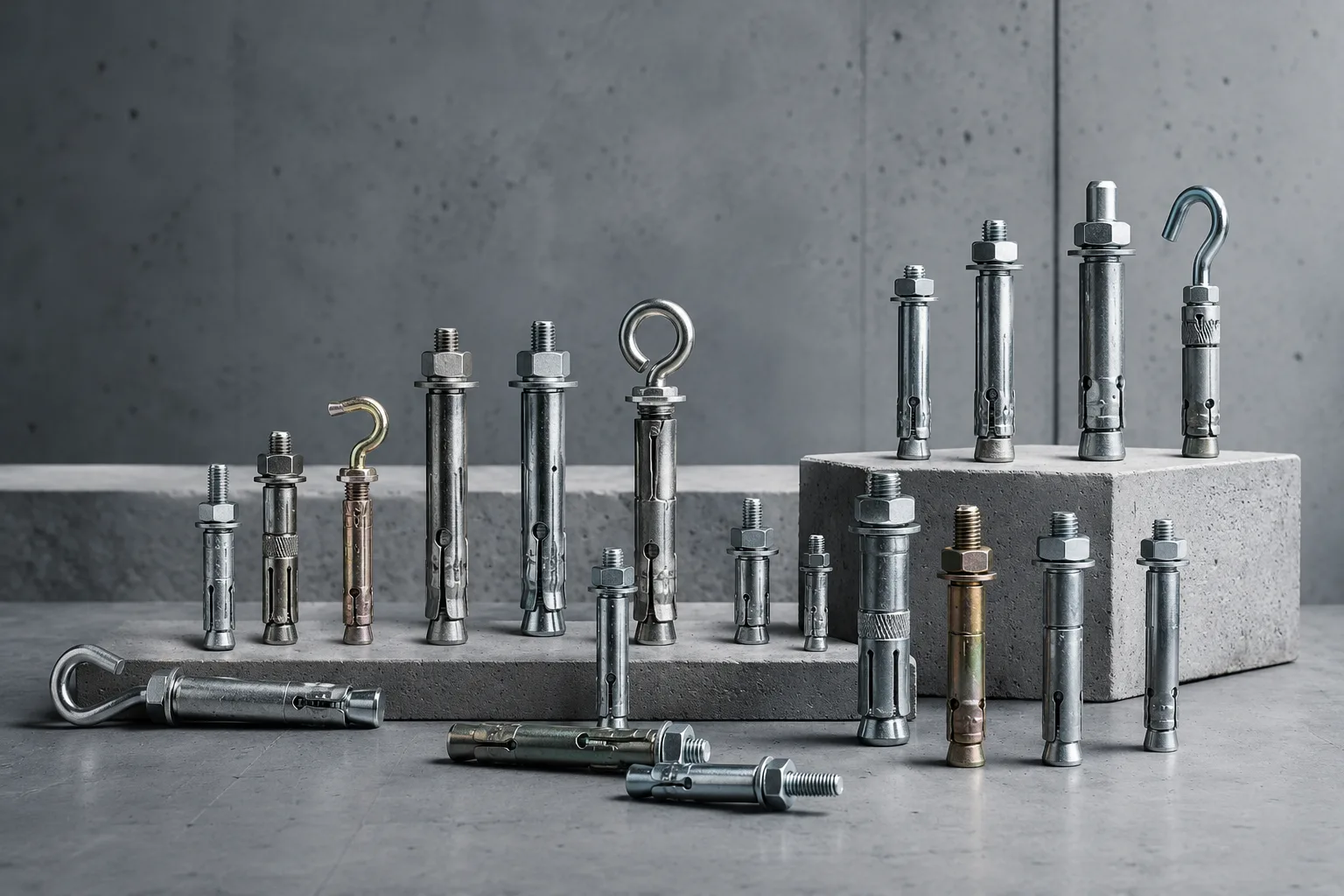
For importers, distributors and project buyers sourcing anchors for concrete, masonry and installation work. Browse sleeve, wedge, drop-in, heavy-duty and chemical-anchor components. For a bulk RFQ, provide the base material, application, anchor type and size, material or finish, quantity, packing, destination and any drawing or document requirement.

View Categories →
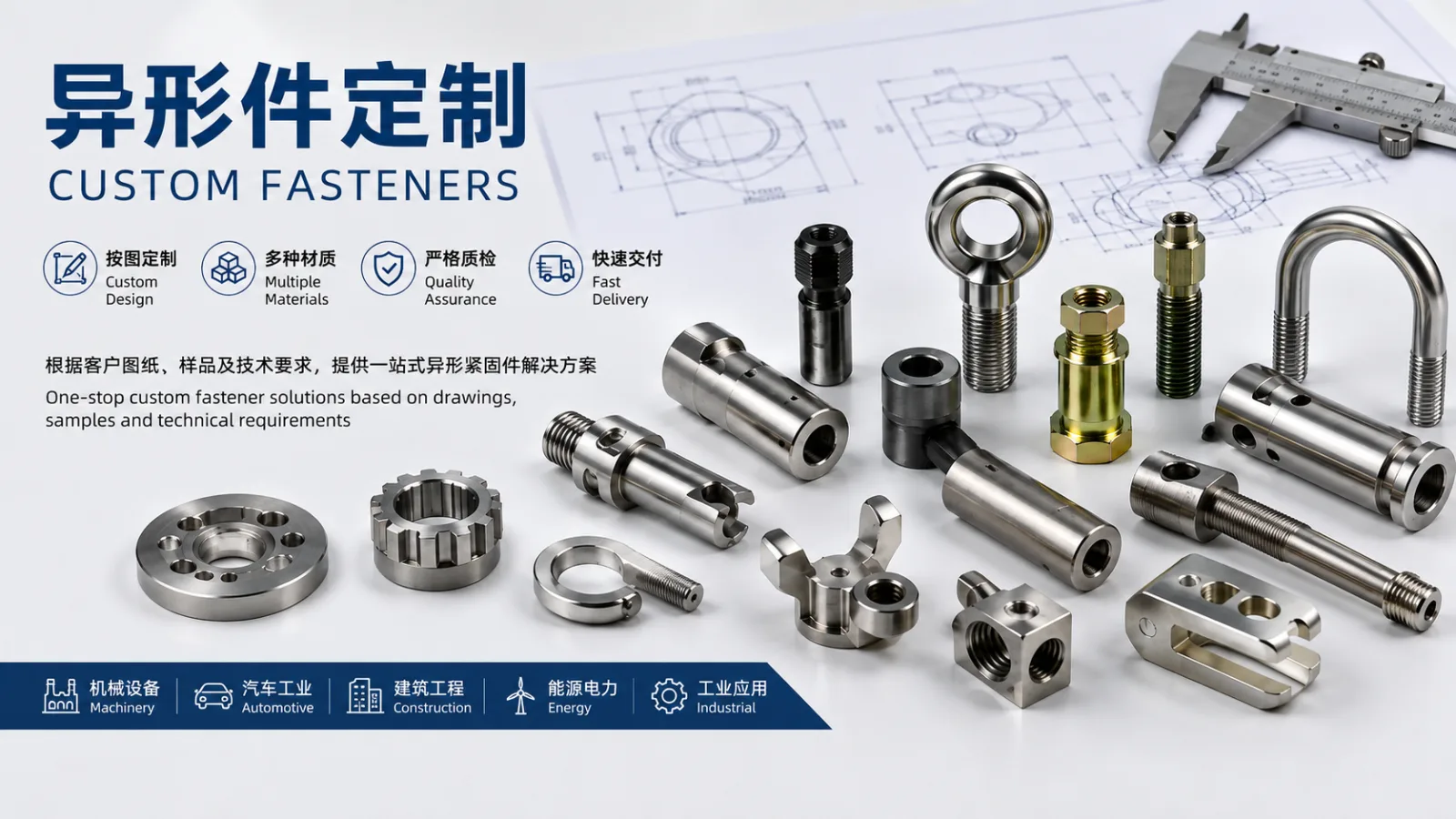
Custom special-shaped fasteners, non-standard bolts, nuts, and metal connectors
03

custom-fasteners

Custom non-standard fasteners and special-shaped metal parts can be manufactured according to customer drawings, samples, and technical requirements. We offer customization of bolts, nuts, screws, pins, stampings, and special connectors. Various materials, strength grades, surface treatments, dimensions, and packaging requirements are supported, suitable for machinery, automotive, construction, energy, and industrial projects.

View Categories →
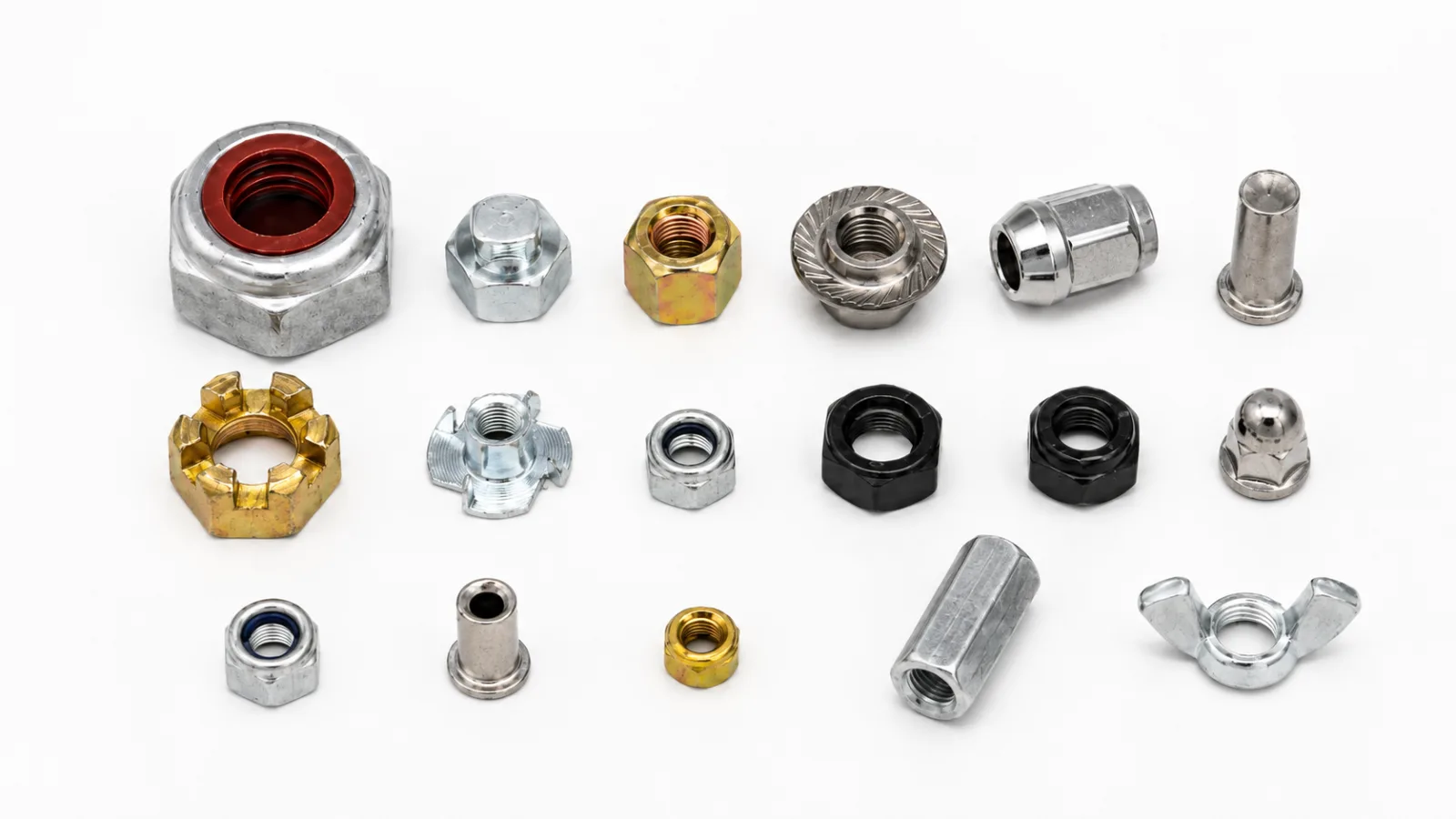
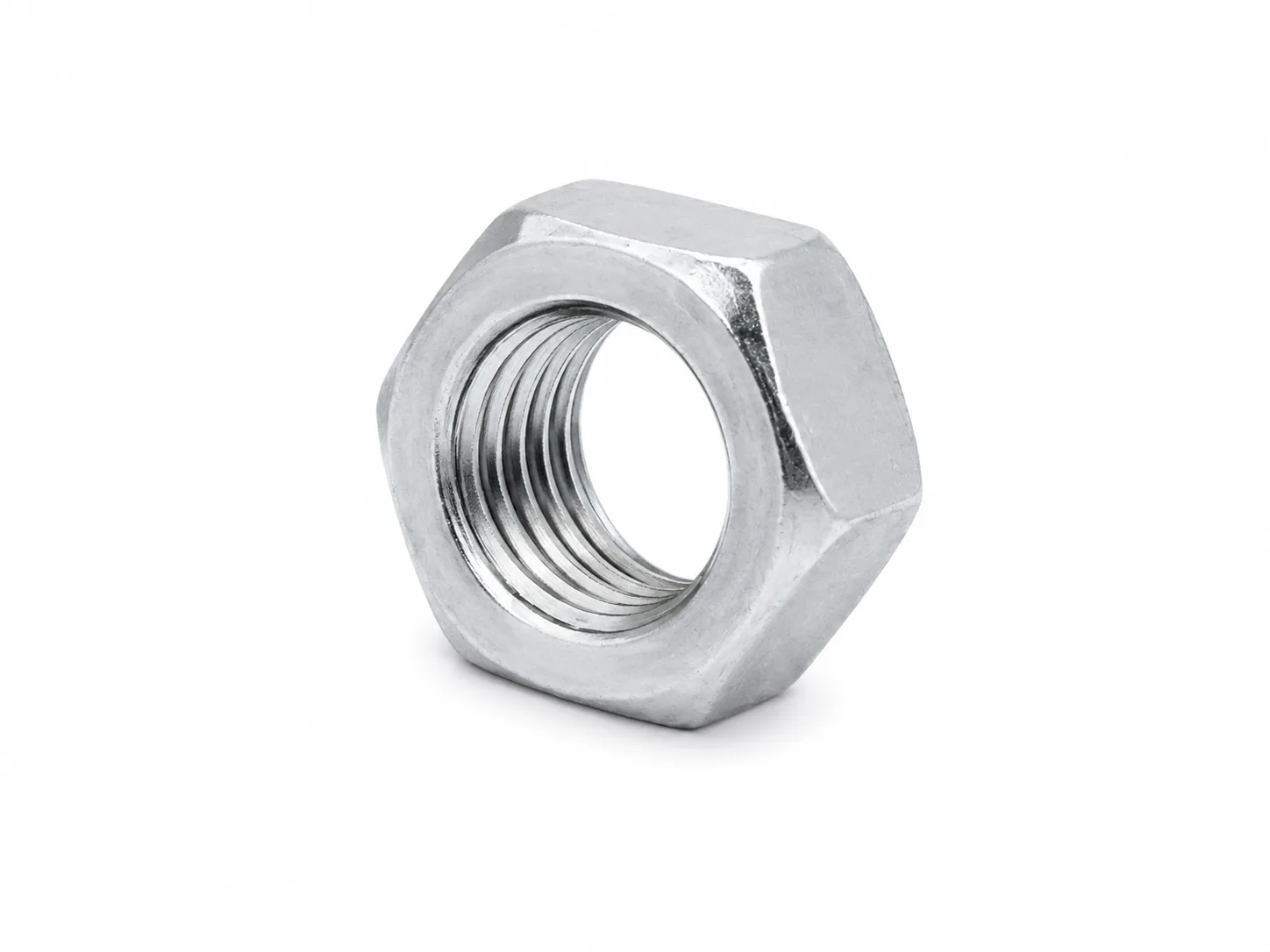
Hex nuts of different strength grades and industrial nut product display
04

Nuts

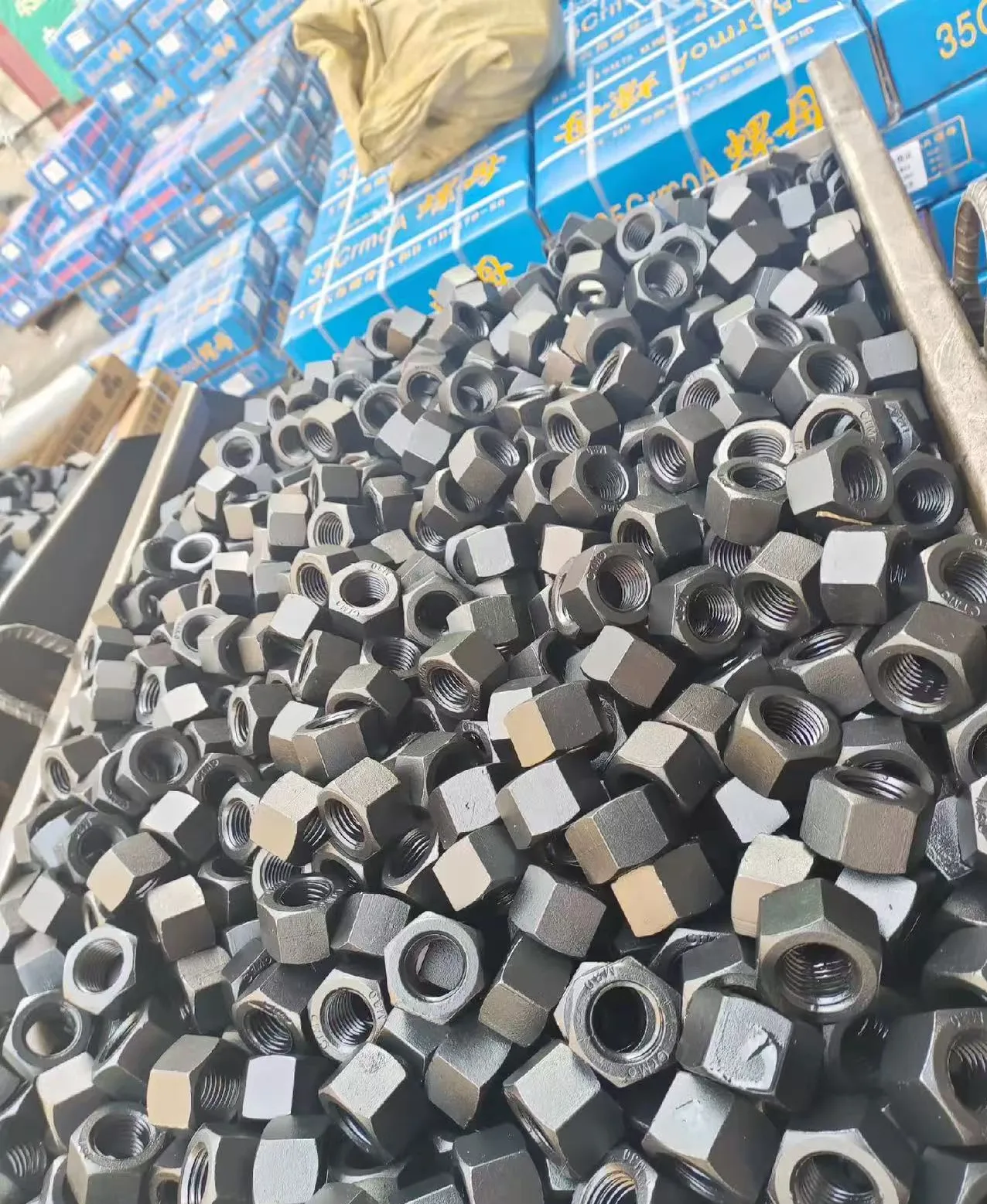
For importers, wholesalers and project buyers sourcing standard or drawing-based nuts and locking components. Browse hex, lock, flange, cap, coupling and other nut types. For a bulk RFQ, send the mating bolt or thread, standard or drawing, material or grade, finish, quantity, packing, destination and required inspection documents.

View Categories →

01

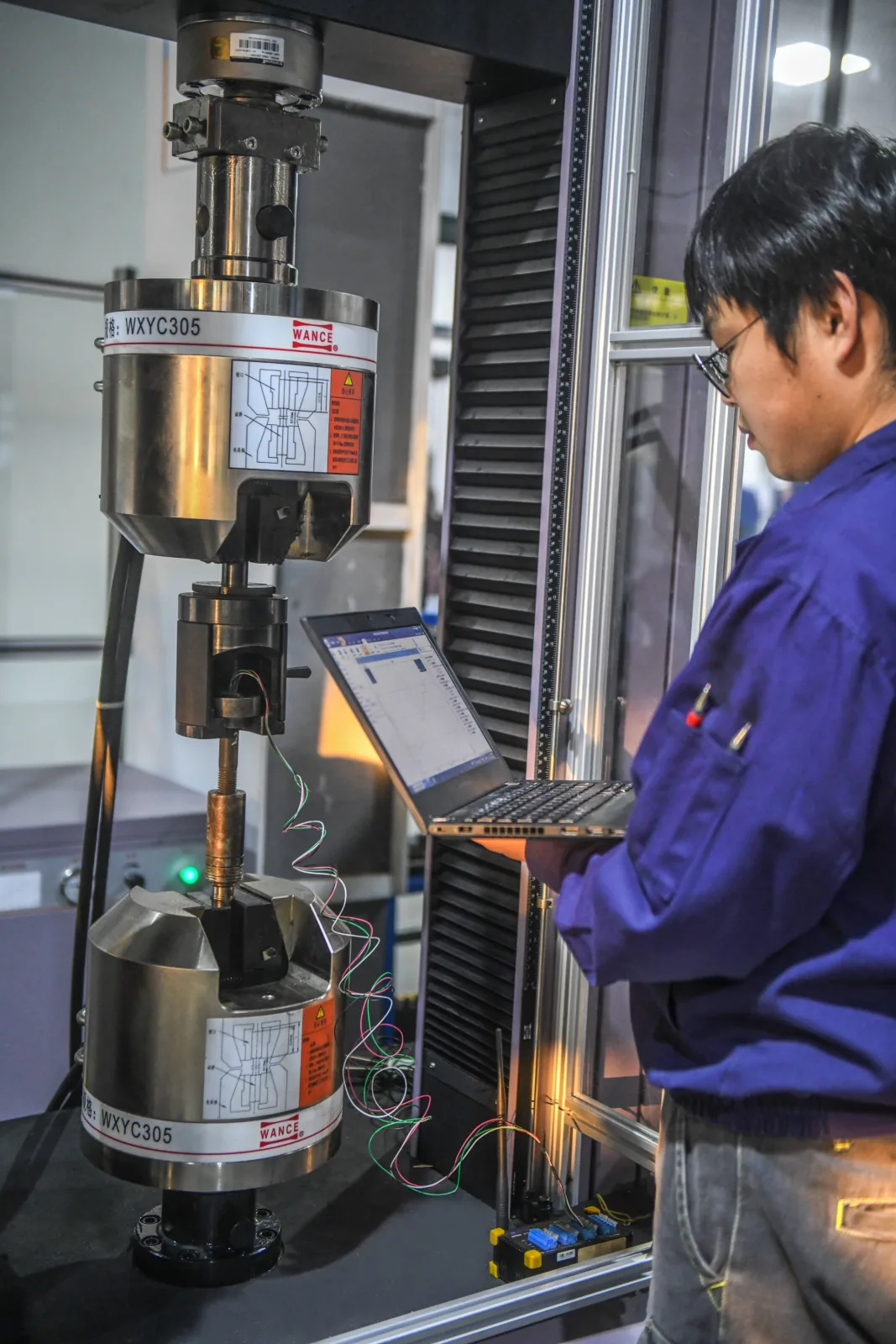
Testing Equipment

Product Testing
Product Testing 4
Product Testing 3
Product Testing 2
Product Testing

02

Featured Products

Featured Products 1
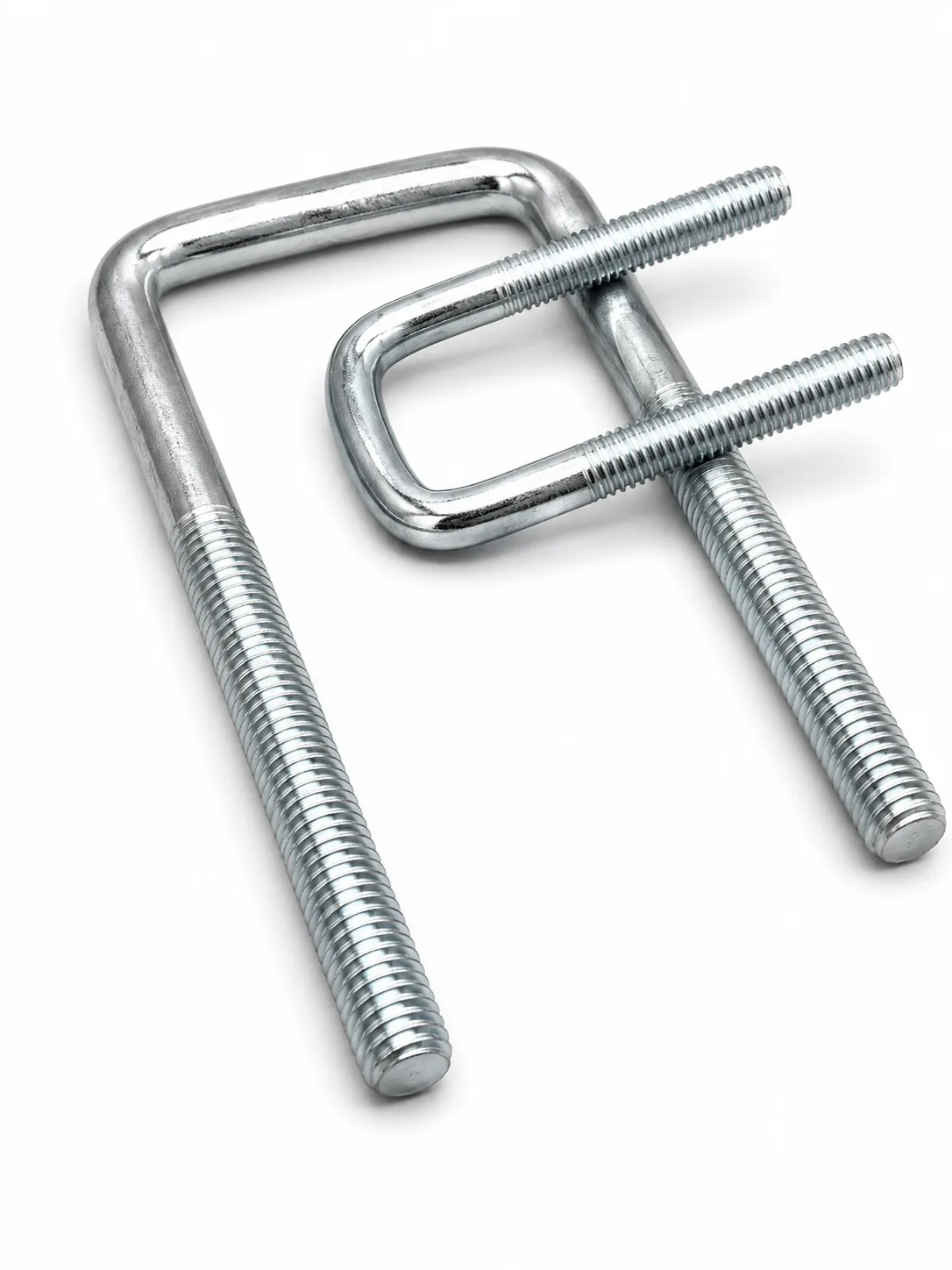
U Bolt
Featured Products 3
Featured Products 4

03

Certifications

Certifications 1
Certifications 2
Testing, Certificates, and Reports 3
Testing, Certificates and Reports 2
Testing, Certificates and Reports

04

Experience Advantage

Experience Advantage 1
Experience Advantage 2
Experience Advantage 3
Experience Advantage 4

05

Production Workshop

Production Workshop 1
Production Workshop 2
Production Workshop 3
Production Workshop 4

06

Warehouse

Warehouse 1
Warehouse 2
Warehouse 3
Warehouse 4
Warehouse 5
Warehouse 6
Warehouse 7
Warehouse 8

07

Product Advantages

Product Advantages 1

08

Partner Companies

Partner Companies 1

09

Customer Reviews

Customer Reviews 1
Customer Reviews 2
Customer Reviews 3

News

Latest Updates

All News →
2025-01-15-cost-trade

Challenges and Opportunities: Cost, Trade, and Transformation – How Fastener Manufacturers Can Tackle Rising Raw Material Prices, Trade Barriers, and the Urgent Need for Business Model Transformation

The global fastener industry is at a critical crossroads. Despite growing demand from sectors like new energy vehicles and aerospace, manufacturers face unprecedented headwinds. However, significant opportunities await those who can navigate these challenges.

View Details →
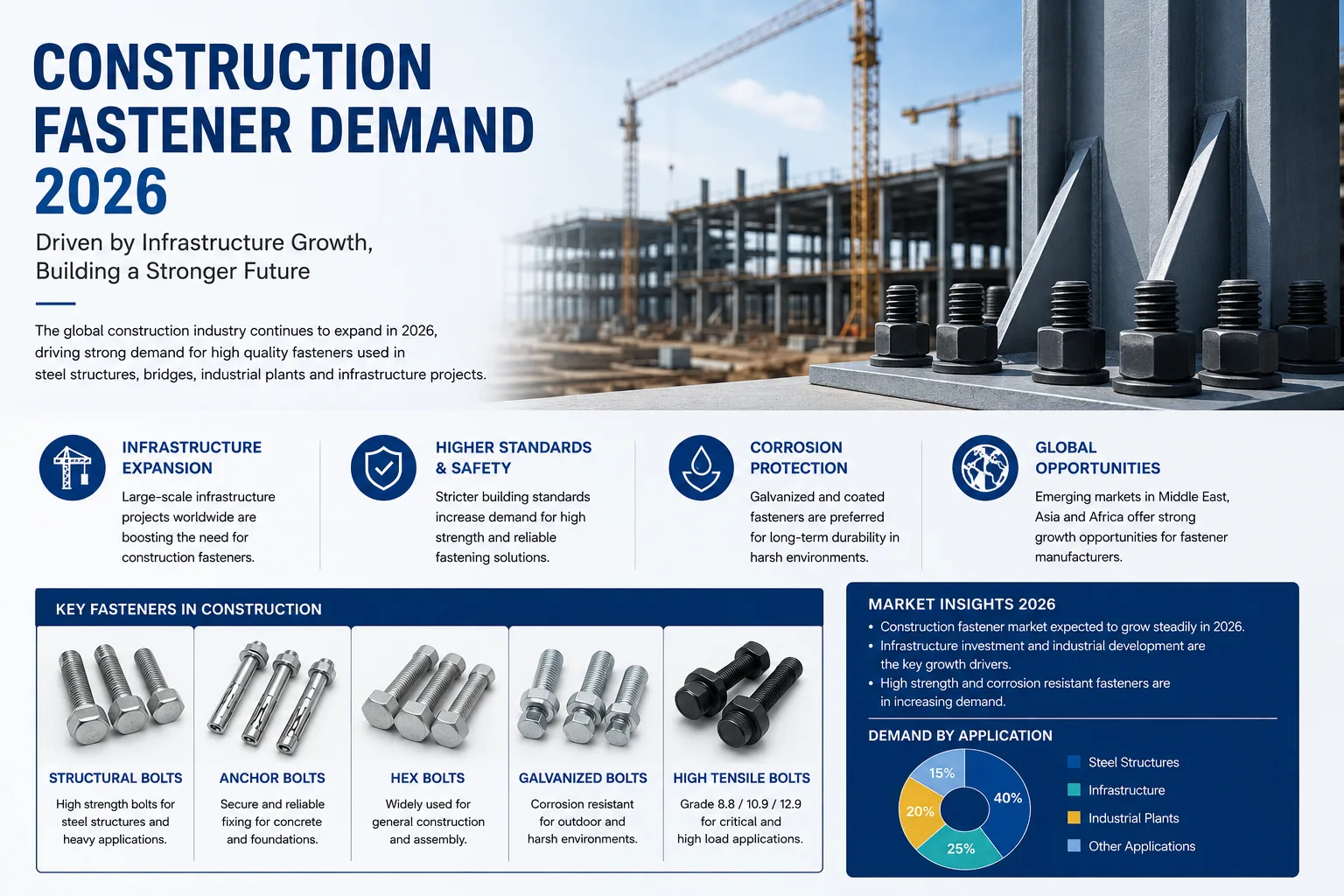
construction-fastener-demand-2026

Infrastructure Projects and Steel Structure Expansion Drive Global Bolt Demand

Global demand for construction fasteners continues to grow in 2026. Infrastructure expansion, steel structure projects, and industrial development are driving strong demand for high-strength bolts and fastening systems.

View Details →
Global Fastener Market Trends in Q3 2026: Steel Prices, Construction Demand, and Export Opportunities

Global Fastener Market Trends in Q3 2026: Steel Prices, Construction Demand, and Export Opportunities

In Q3 2026, the global fastener industry continues to grow steadily. Demand for high-strength bolts, structural fasteners, and galvanized construction bolts has increased in infrastructure, steel structures, and industrial projects.

View Details →