Serrated Flange Nut vs Plain Flange Nut: Mating Surface and RFQ Checks
A serrated flange bites into the mating face, while a plain flange provides a continuous bearing surface. Review coating, material, service and validation before selecting one.
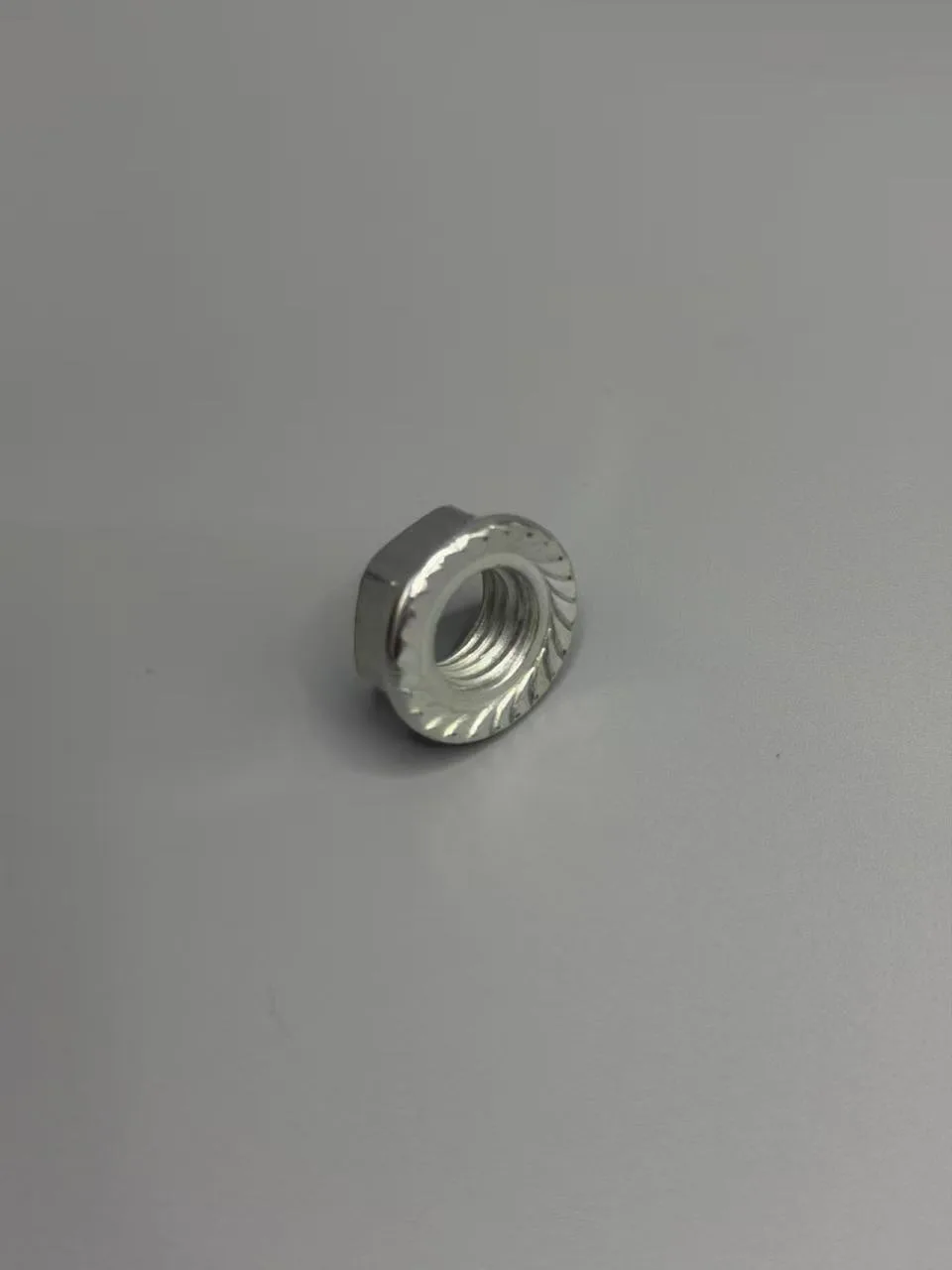
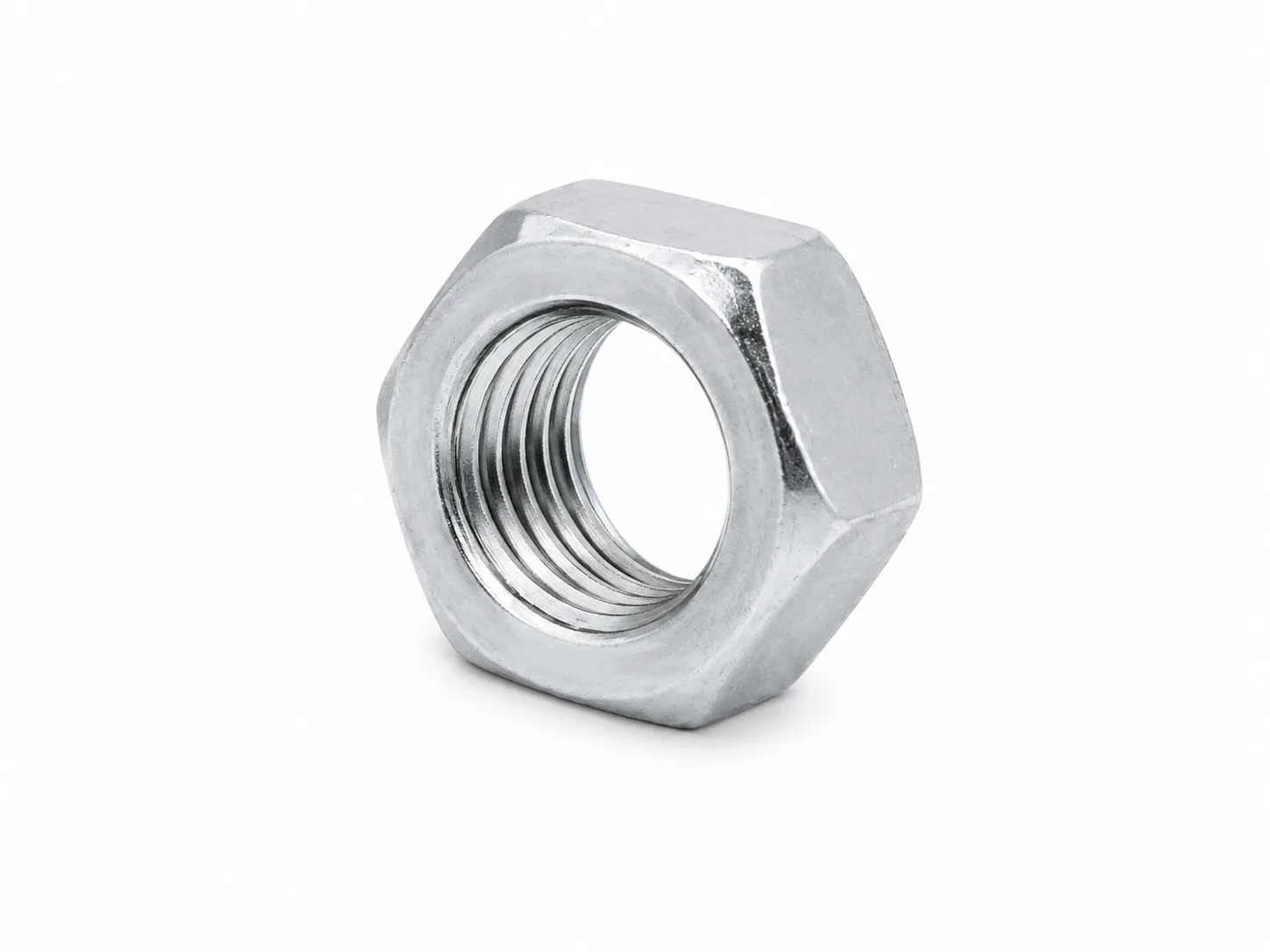
Serrated and plain flange nuts both provide an enlarged bearing area, but they contact the clamped part differently. Serrations engage the mating face as the nut is tightened; a plain flange keeps a continuous bearing surface. An RFQ that says only “flange nut” can therefore be interpreted in two different ways.
Serrations change the mating surface
Bossard's serrated flange nut information describes the teeth penetrating the surface during tightening and interacting with material during loosening. Coatings, soft parts and cosmetic faces must therefore be considered. The teeth should not be reduced to a generic claim that the nut is “more secure”.
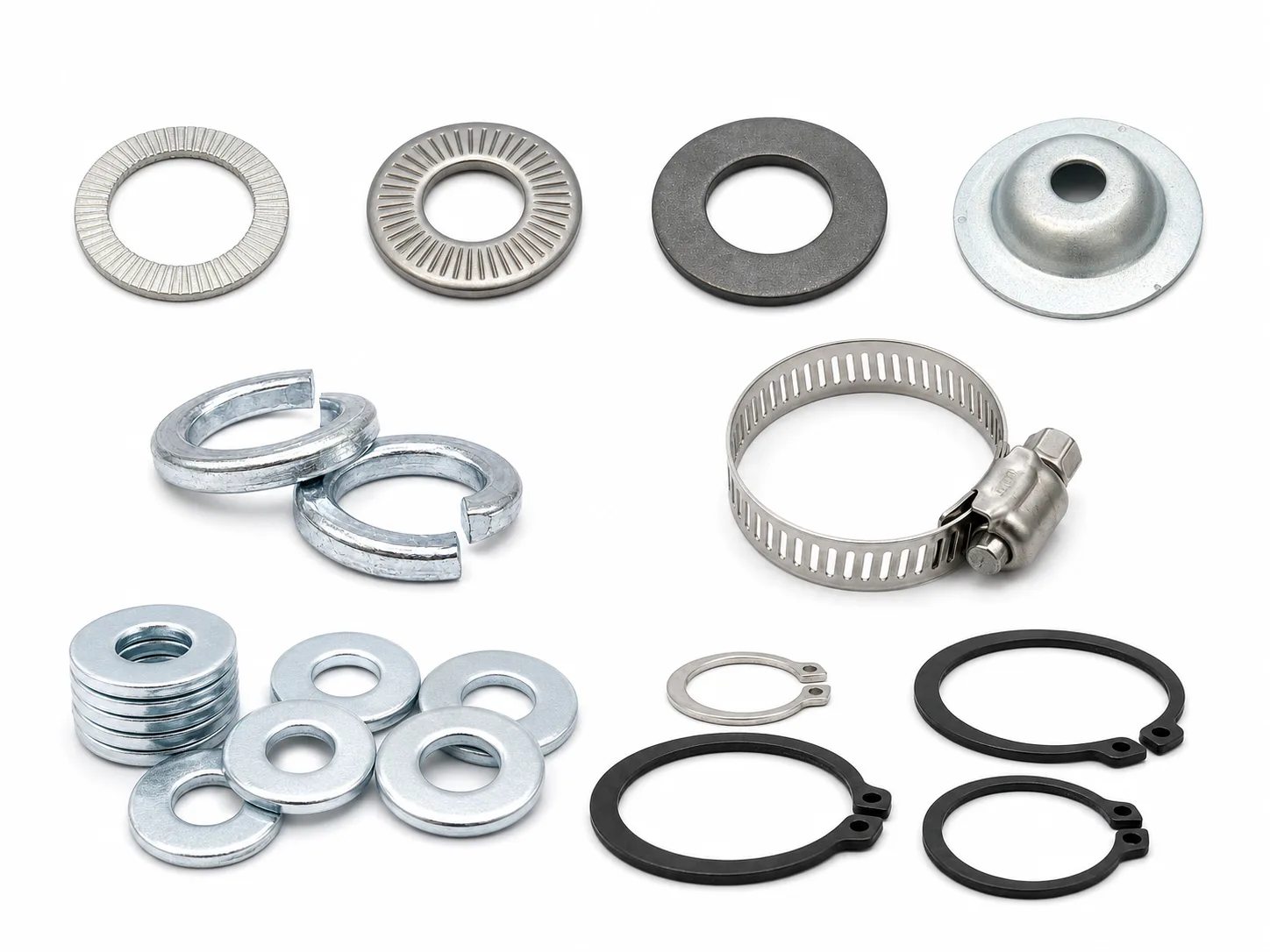
A plain flange does not automatically remove every washer
A flange can enlarge the contact area, but joint design decides whether a separate washer is required. Slots, oversized holes, soft materials, surface protection and a specified locking method can all call for a different bearing component. Do not remove a washer that appears on the approved drawing during purchasing.
State disassembly and reuse expectations
A serrated face can leave marks after removal, and a second installation may not reproduce the original contact condition. If equipment is serviced regularly, tell the supplier how often the joint is opened, whether the nut is replaced and what surface-repair or cosmetic limits apply. A sample assembly gives better evidence than catalogue photos alone.
Loosening resistance belongs to the complete joint
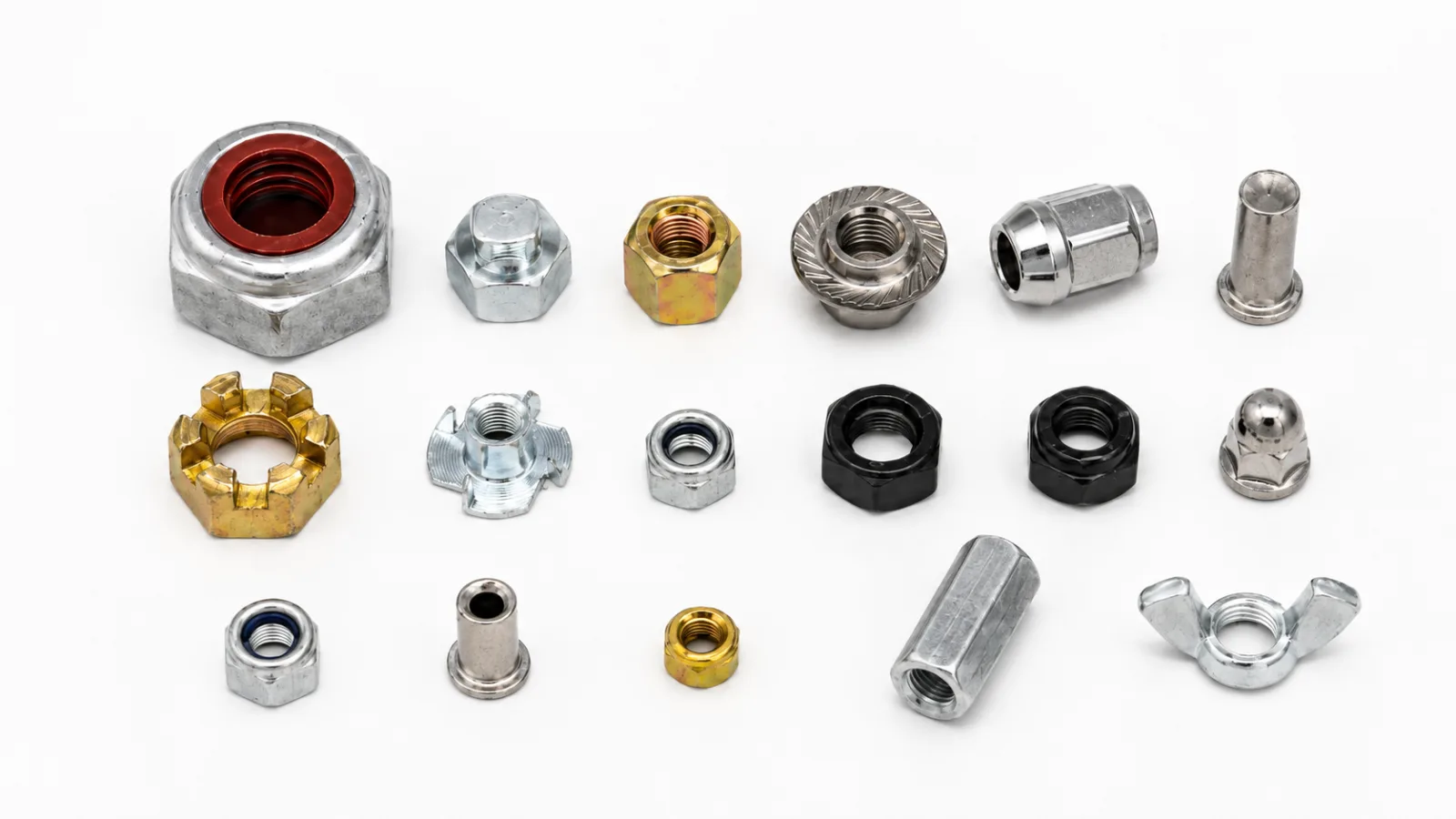
Joint behaviour depends on preload, grip length, mating threads, surfaces, loading and installation method. Serrated flange nuts, all-metal prevailing-torque nuts and nylon-insert lock nuts use different mechanisms. They are not interchangeable simply because each appears under “lock nut”. Safety-related or regulated assemblies need selection and validation by the responsible designer.
RFQ checklist
Provide the thread and pitch, wrench size, flange diameter and thickness, plain or serrated face, tooth direction, mating-part material and coating, installation method, service requirement, requested material or finish, quantity and acceptance documents. Use our serrated flange nut and plain flange nut pages for initial identification.