UK CBAM 2027 for Fasteners: HS 7318 Scope and Export Checklist
UK CBAM starts in 2027 and includes iron or steel goods under heading 7318, covering many screws, bolts, nuts, rivets, pins, and washers.
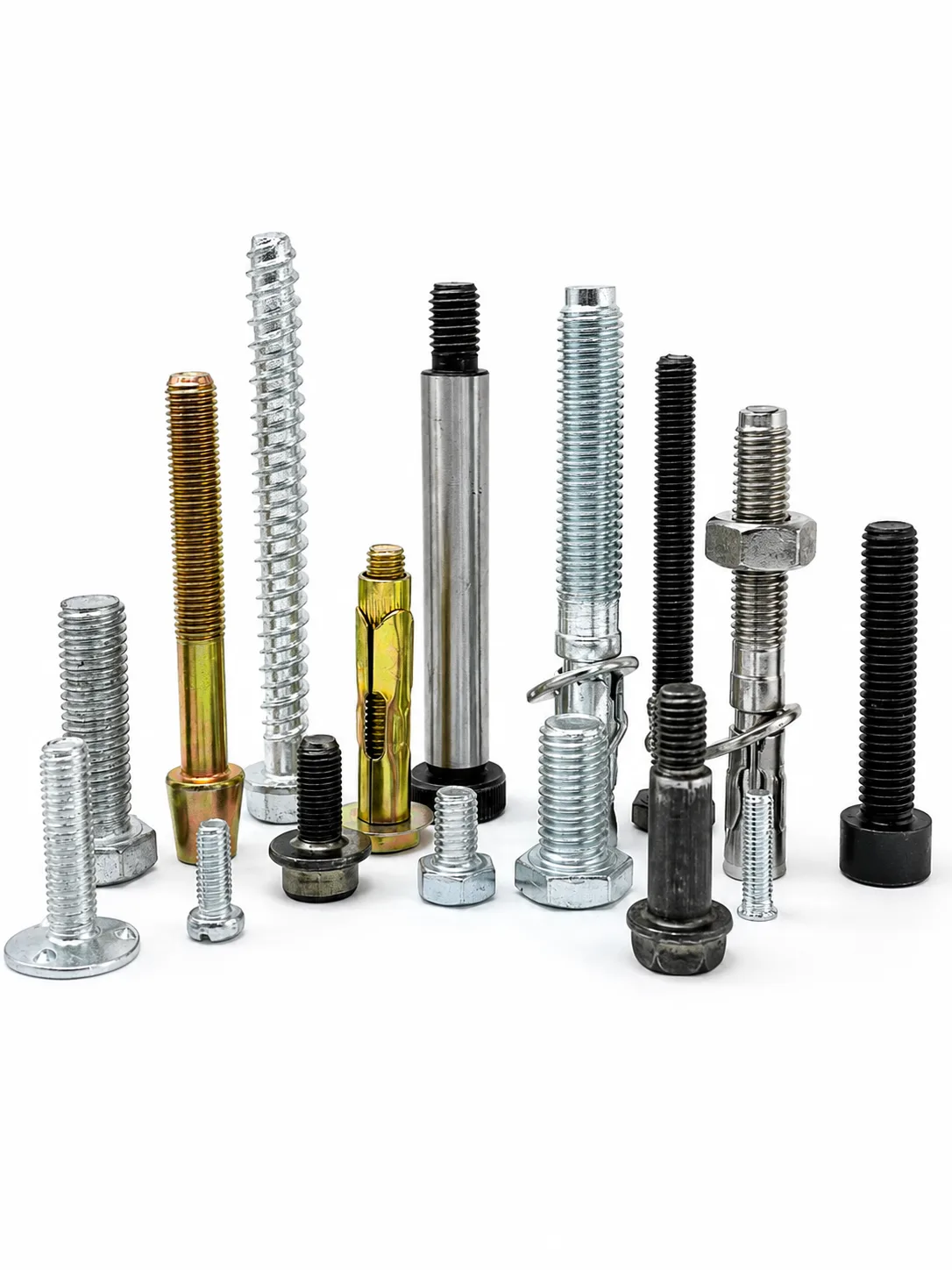
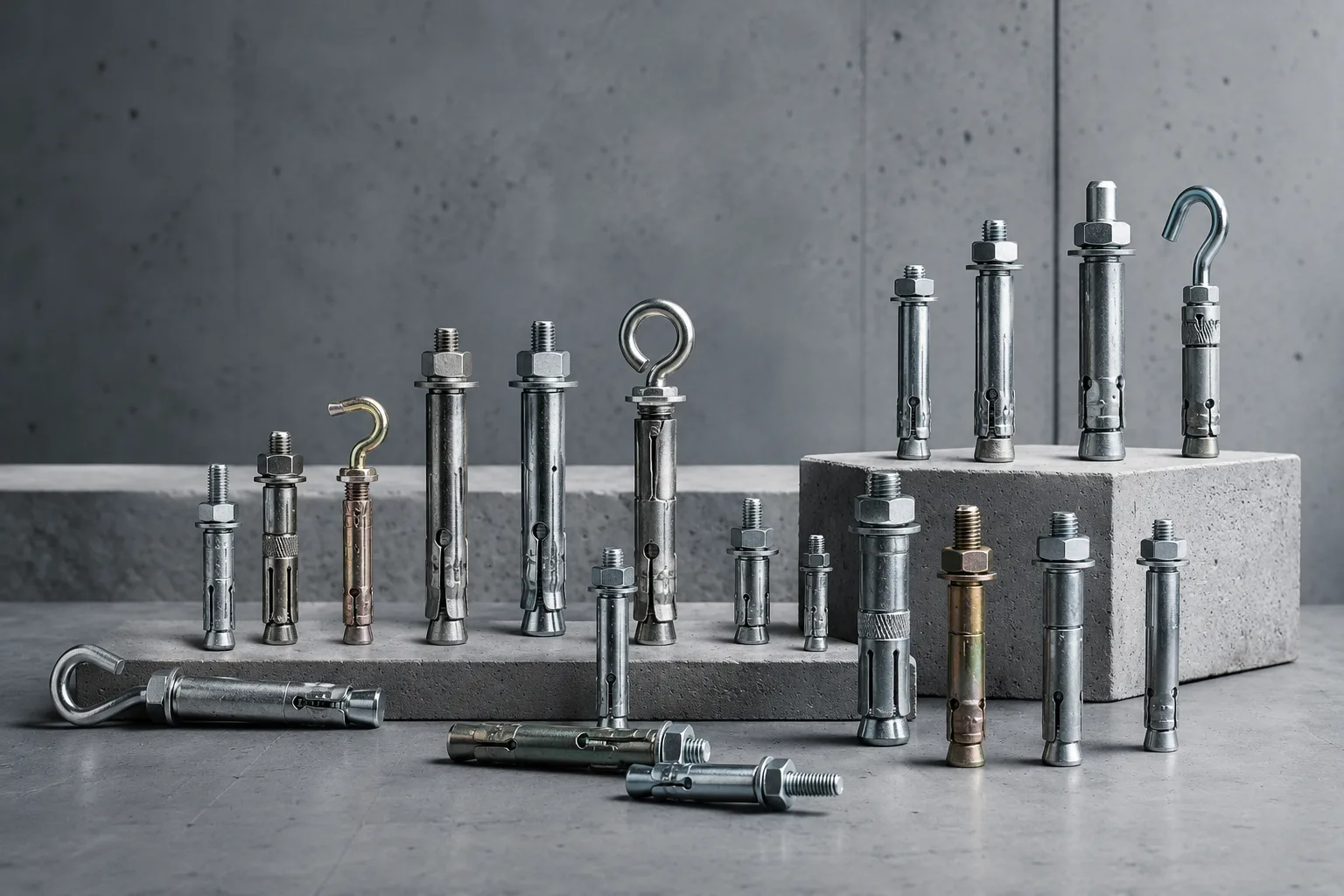
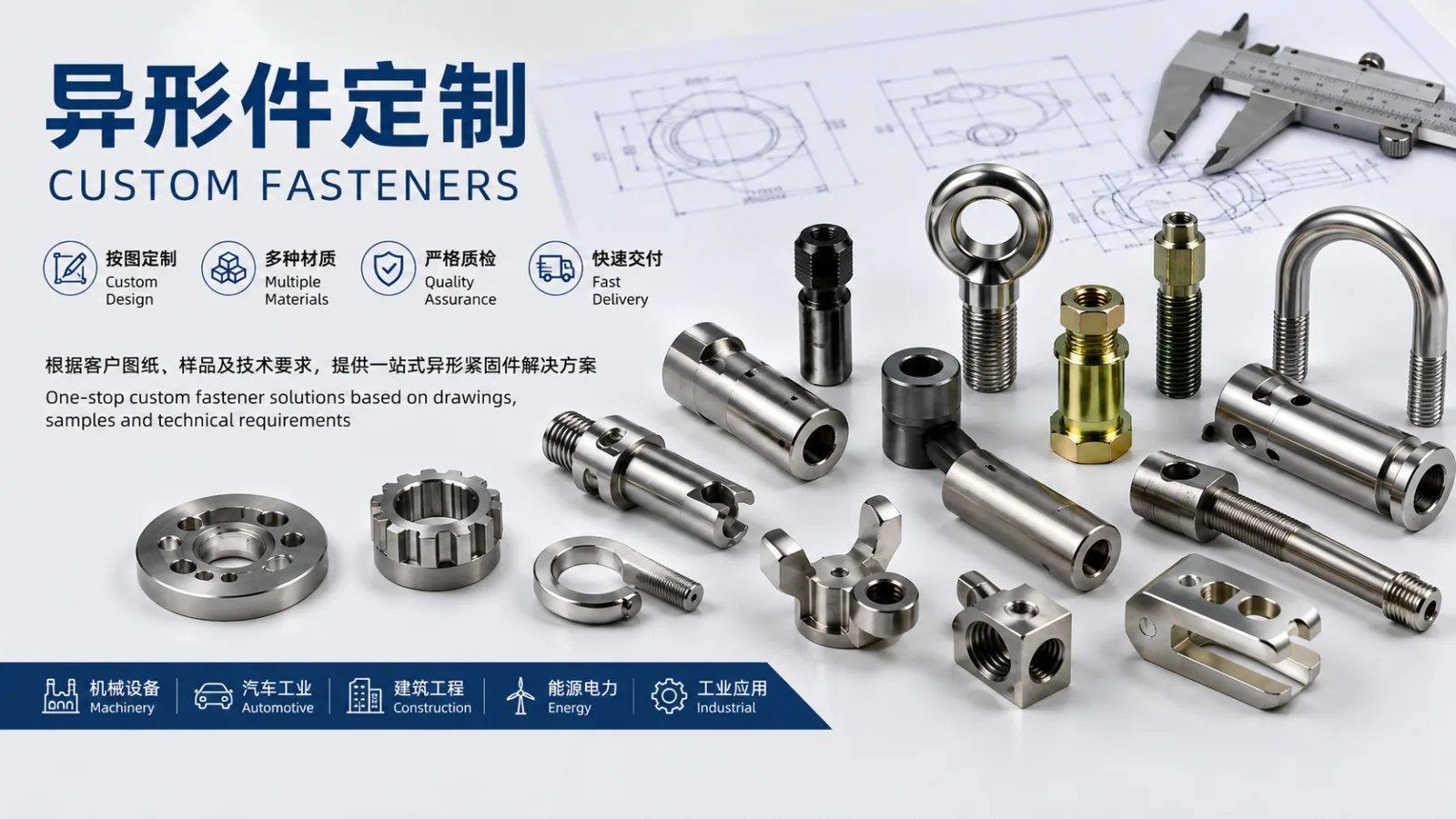
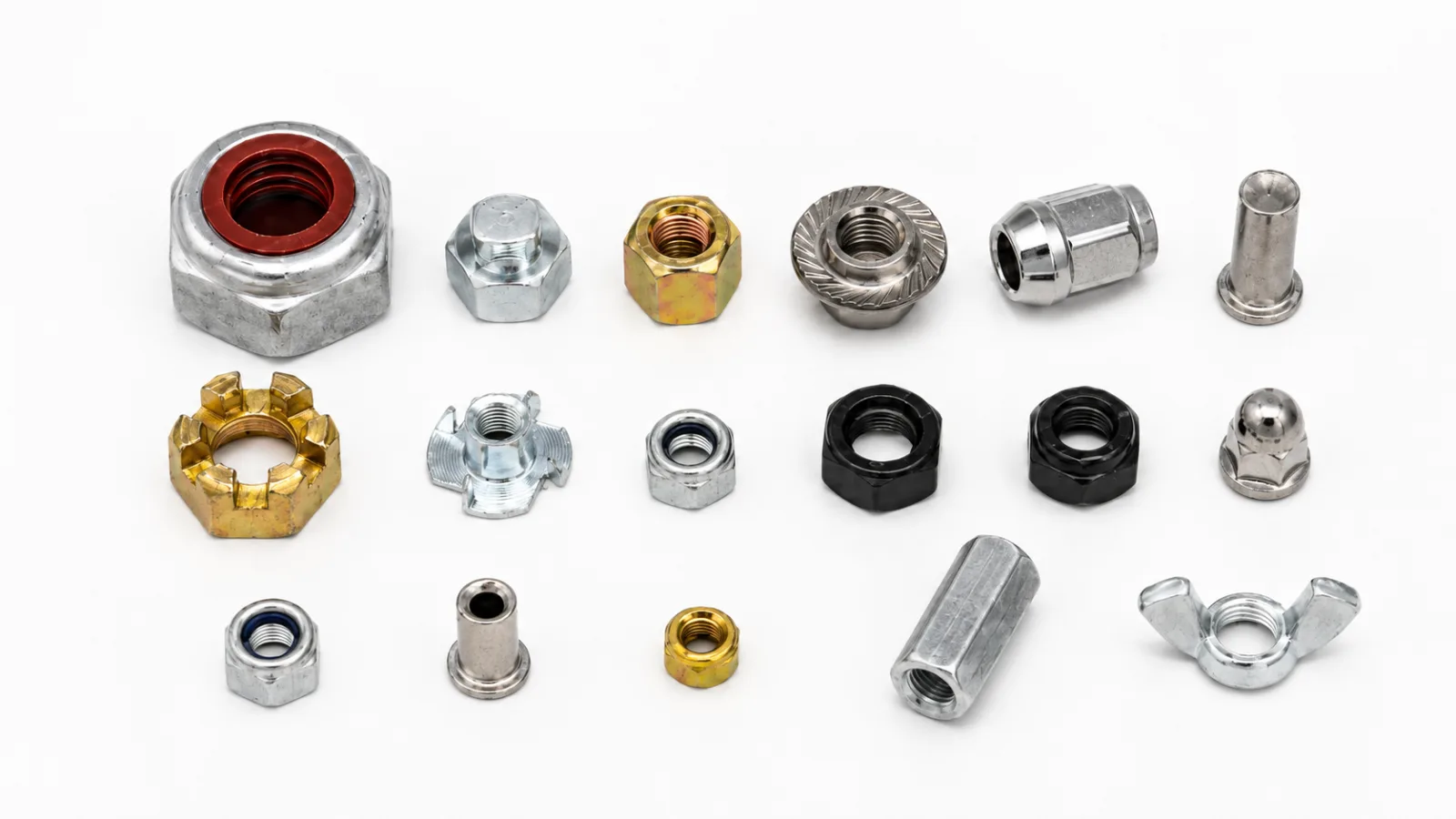
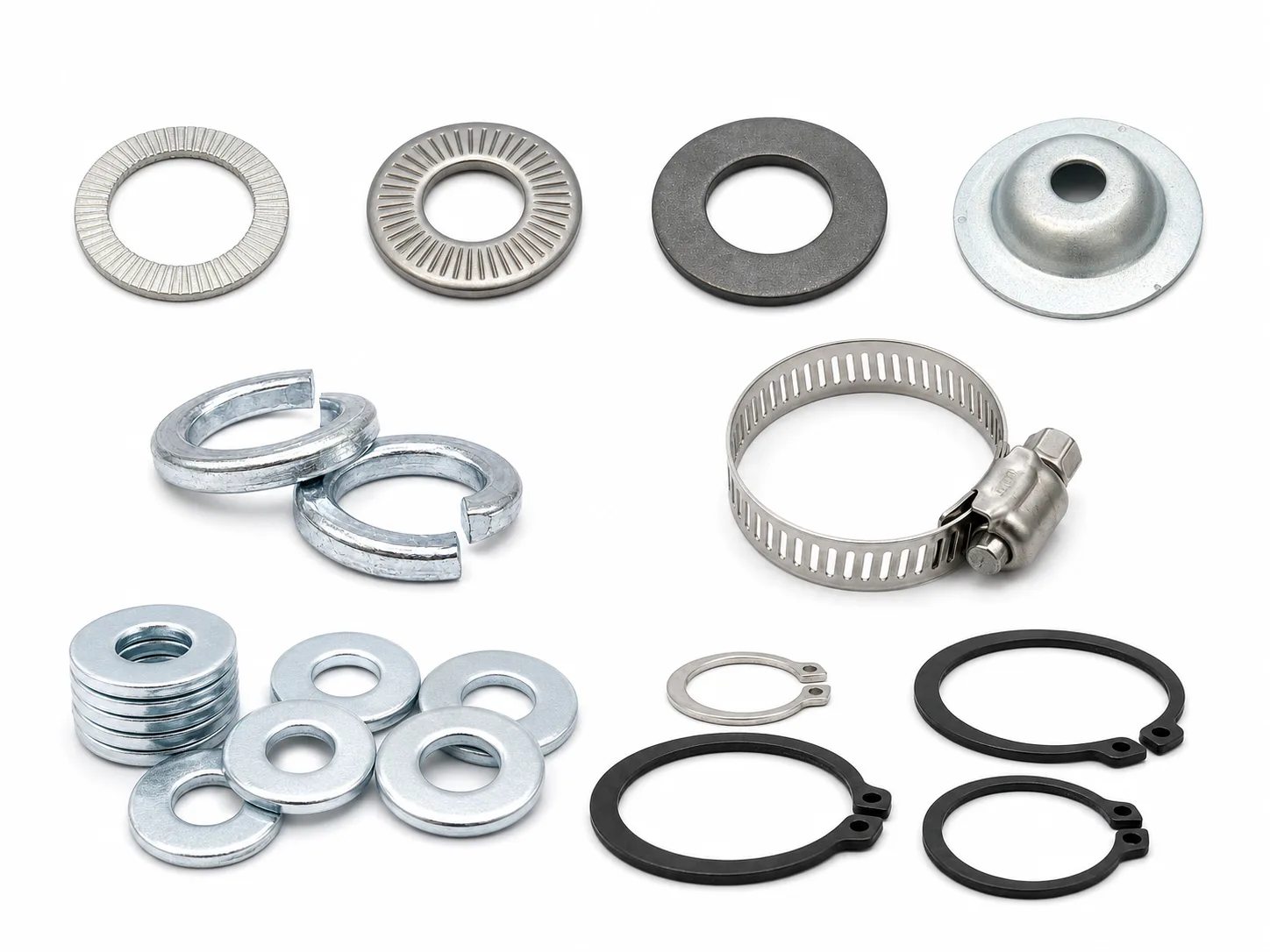
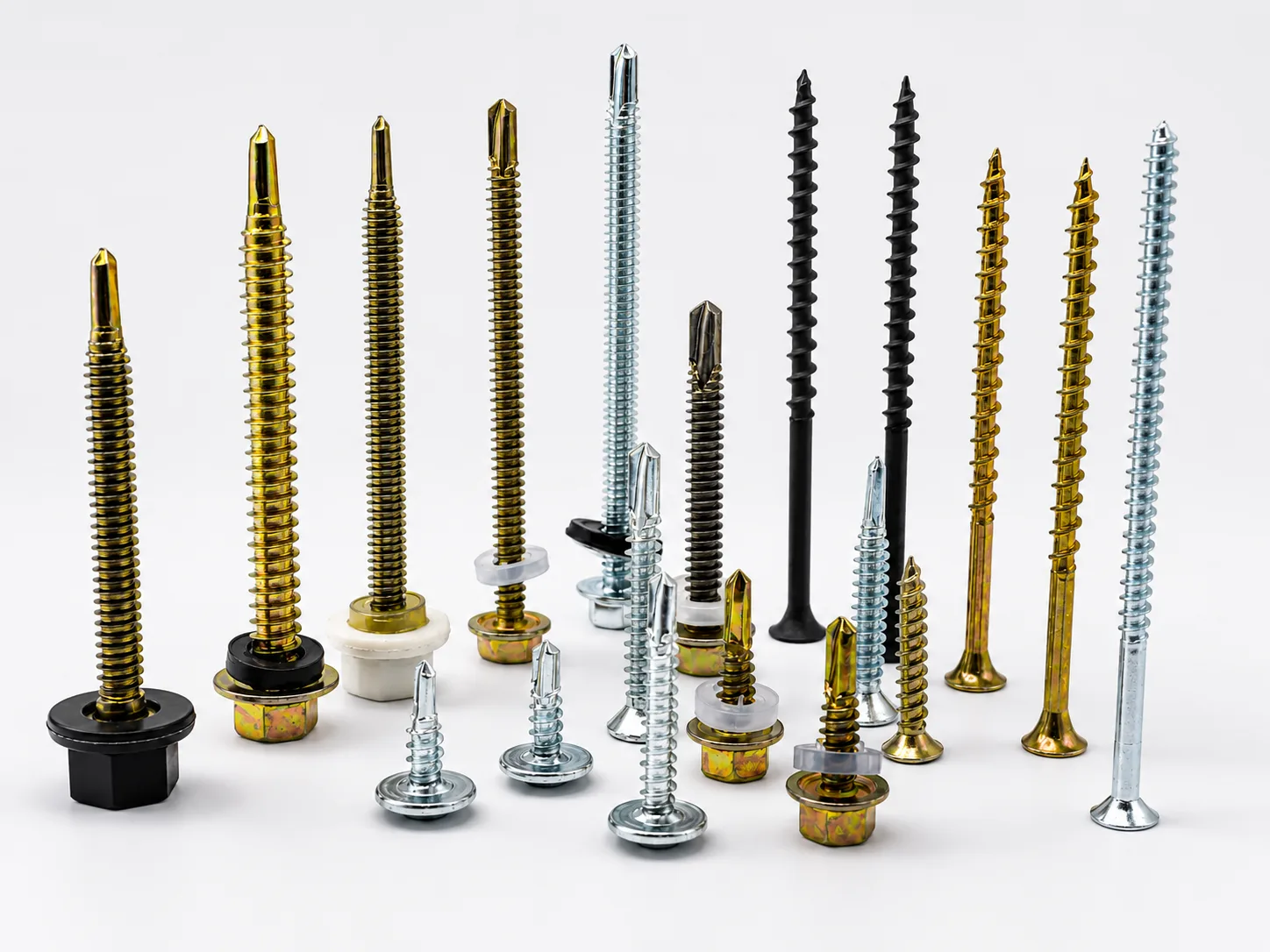
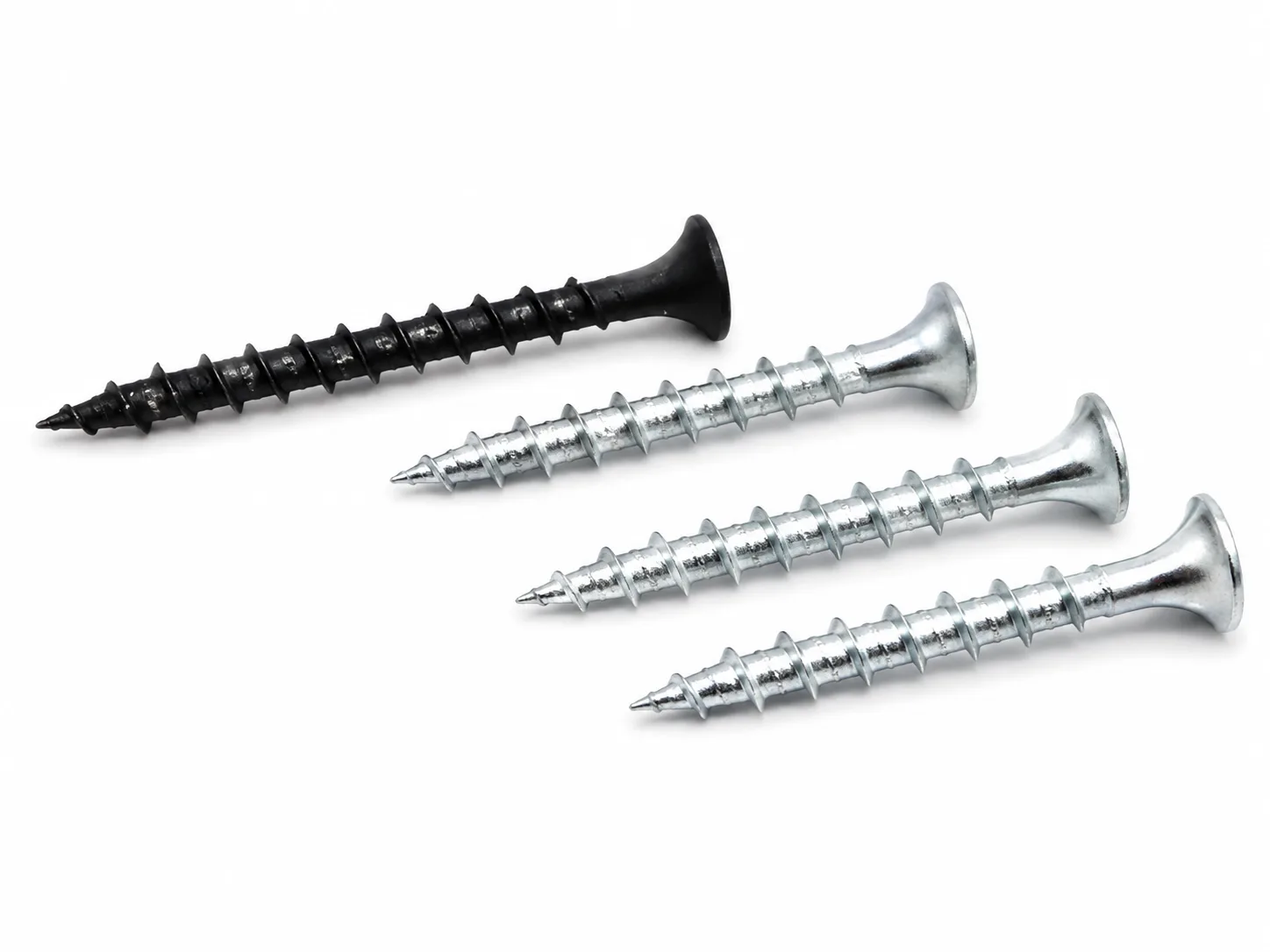
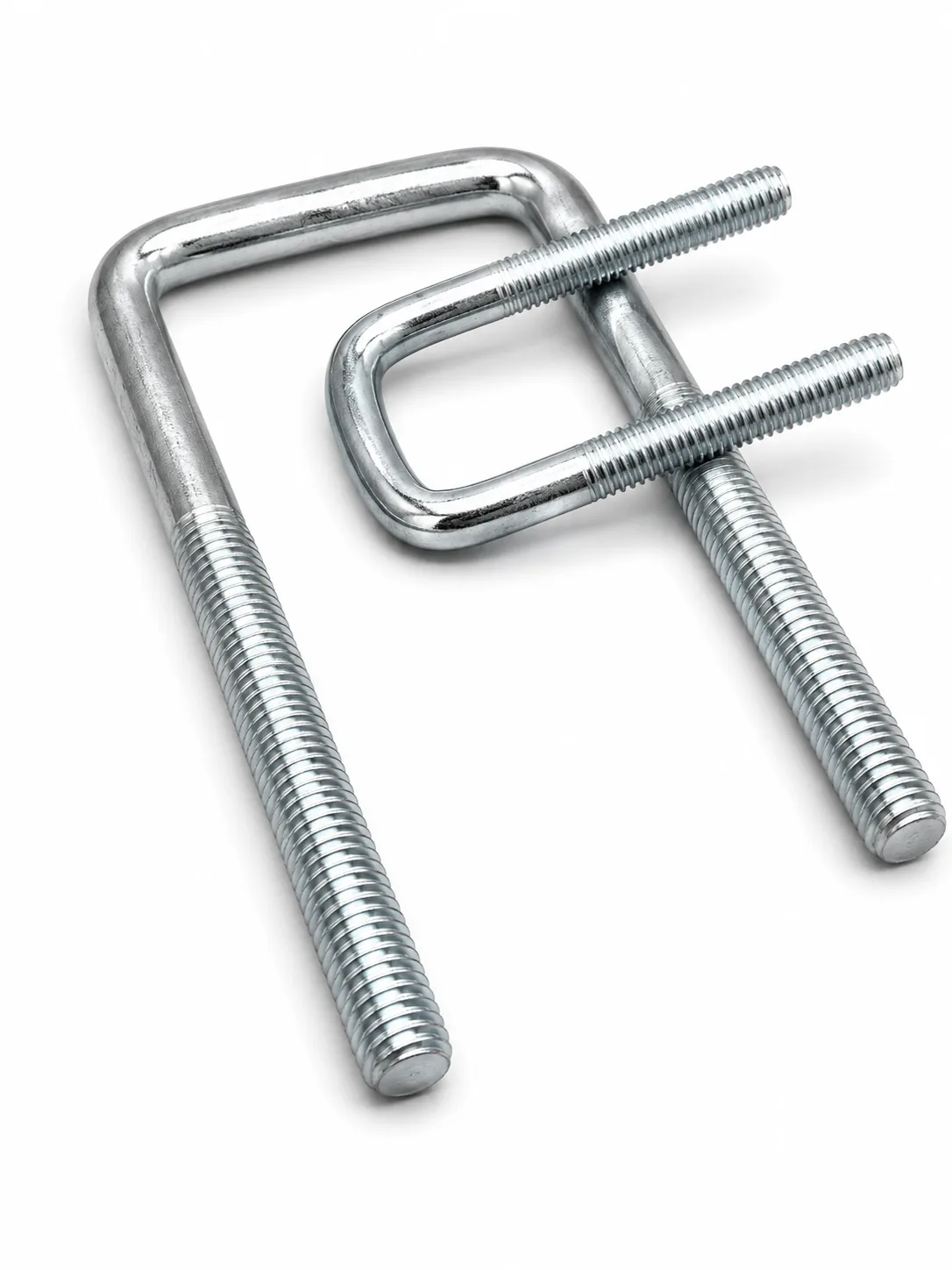
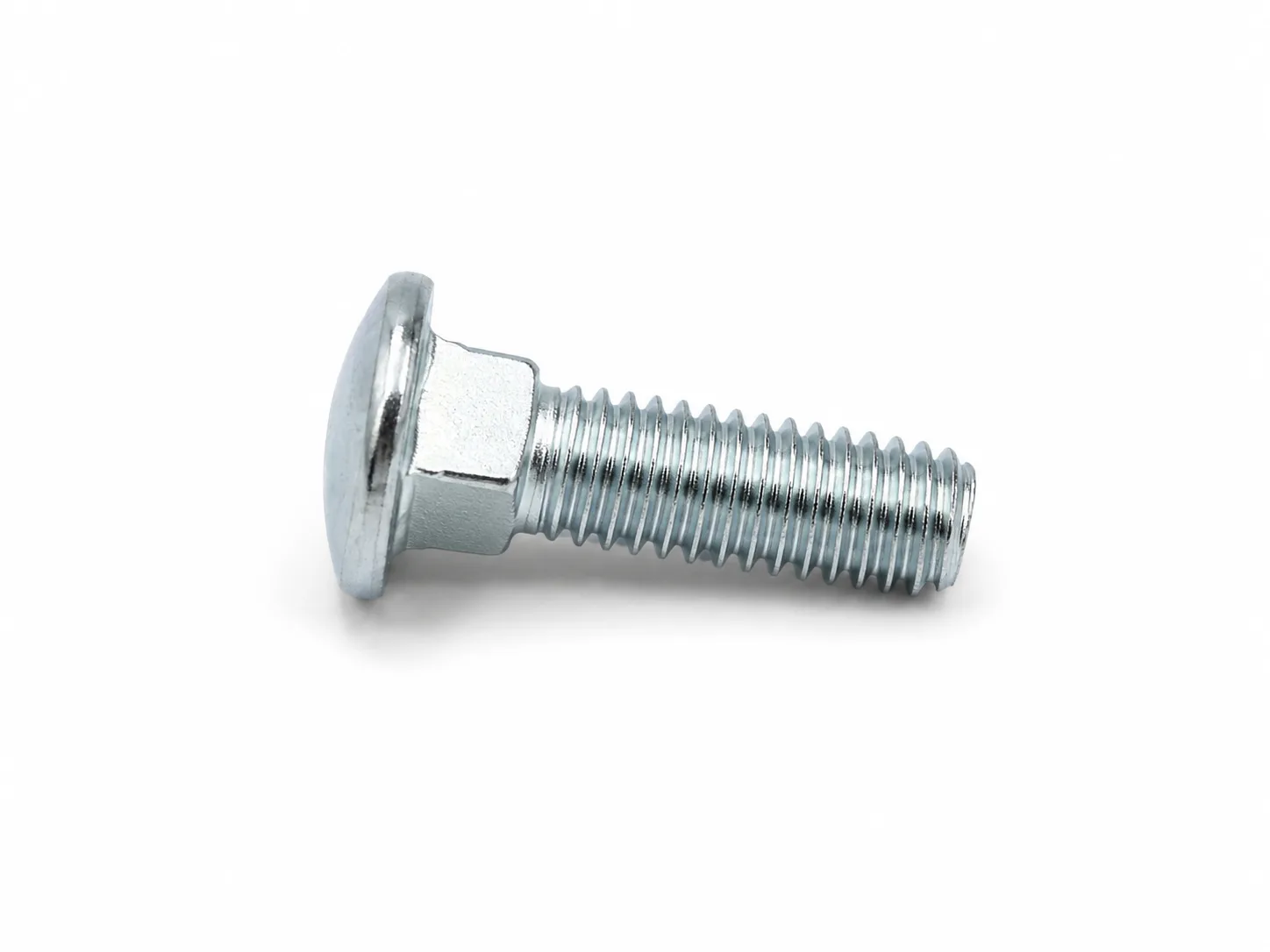
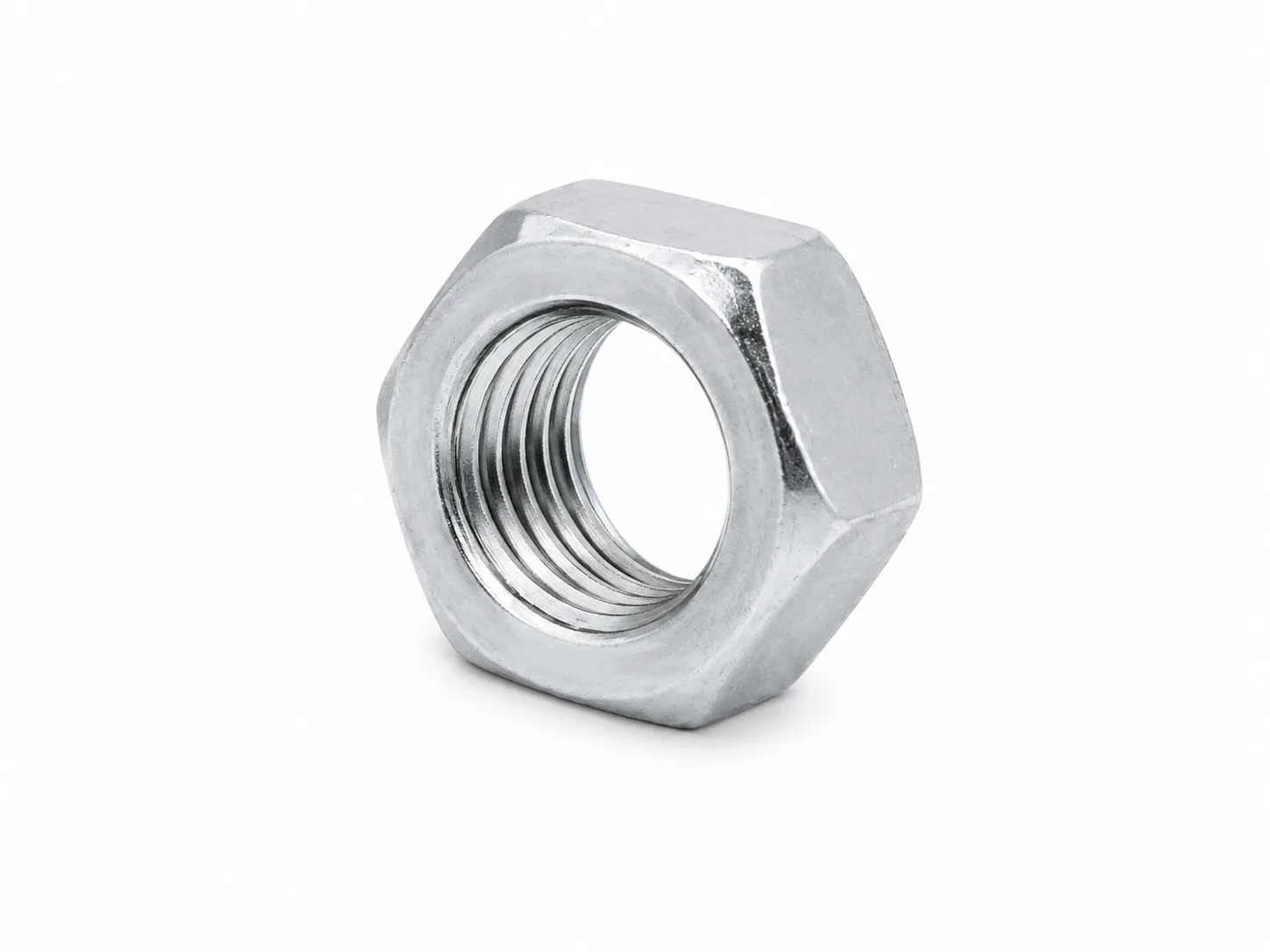
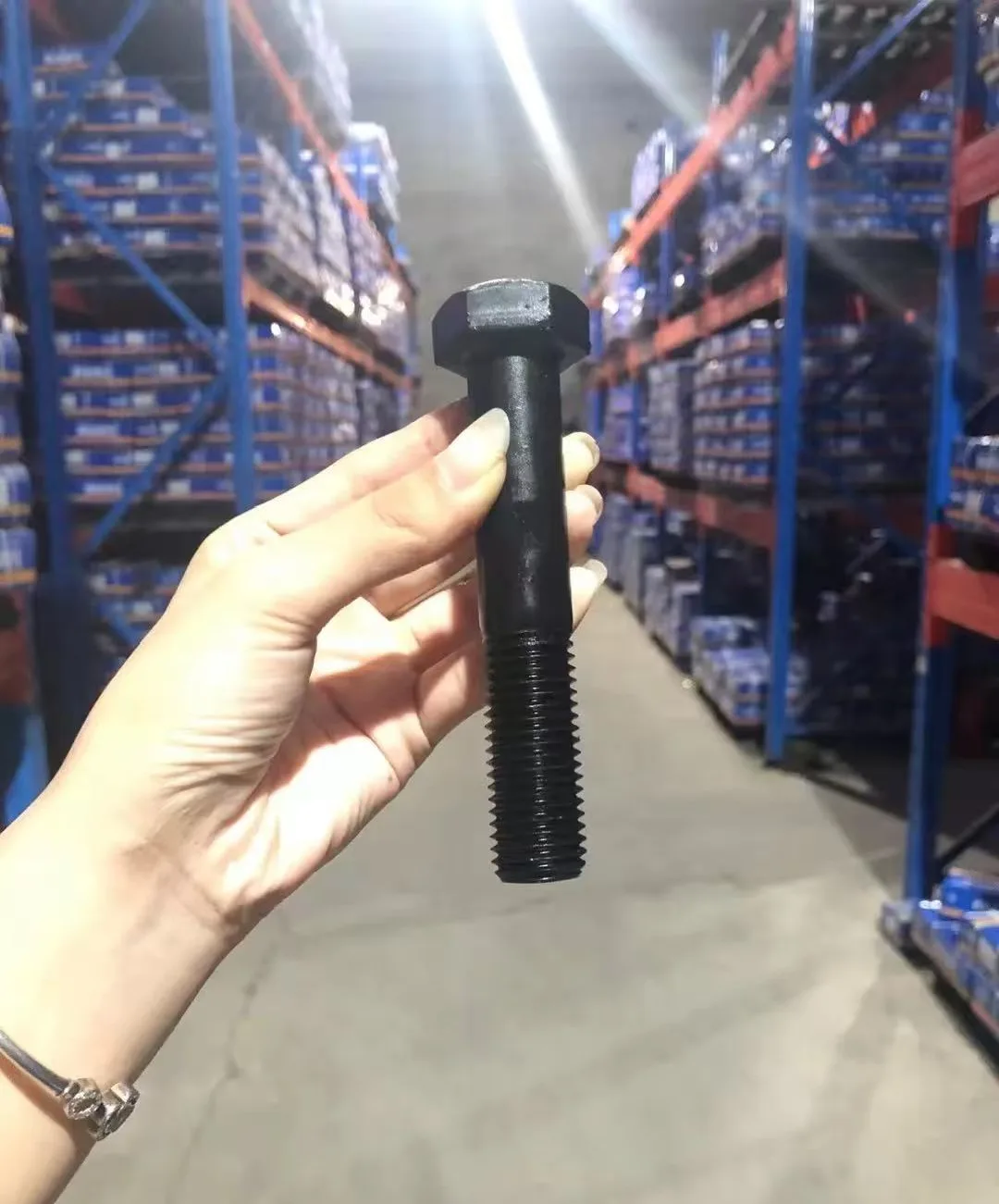
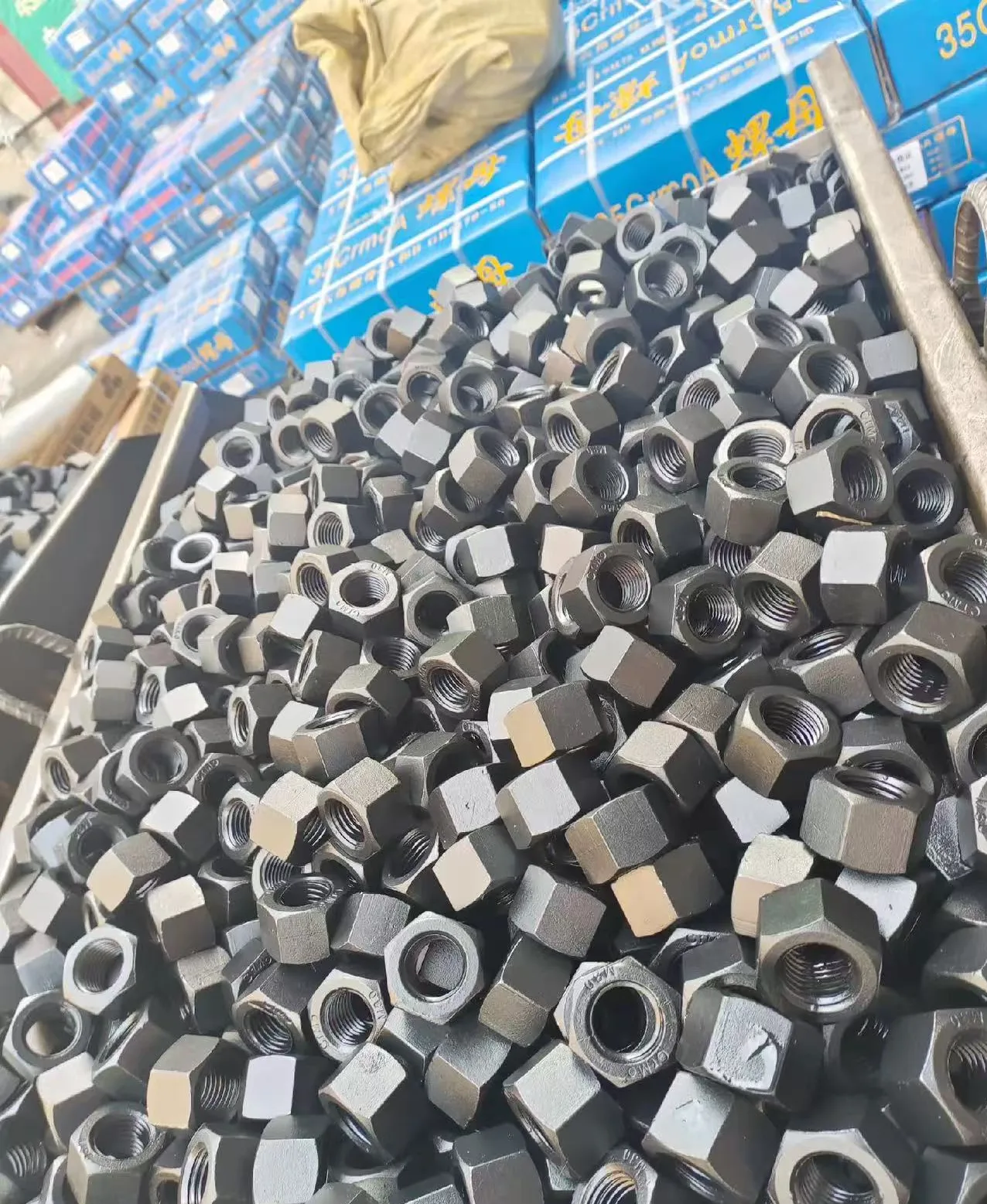
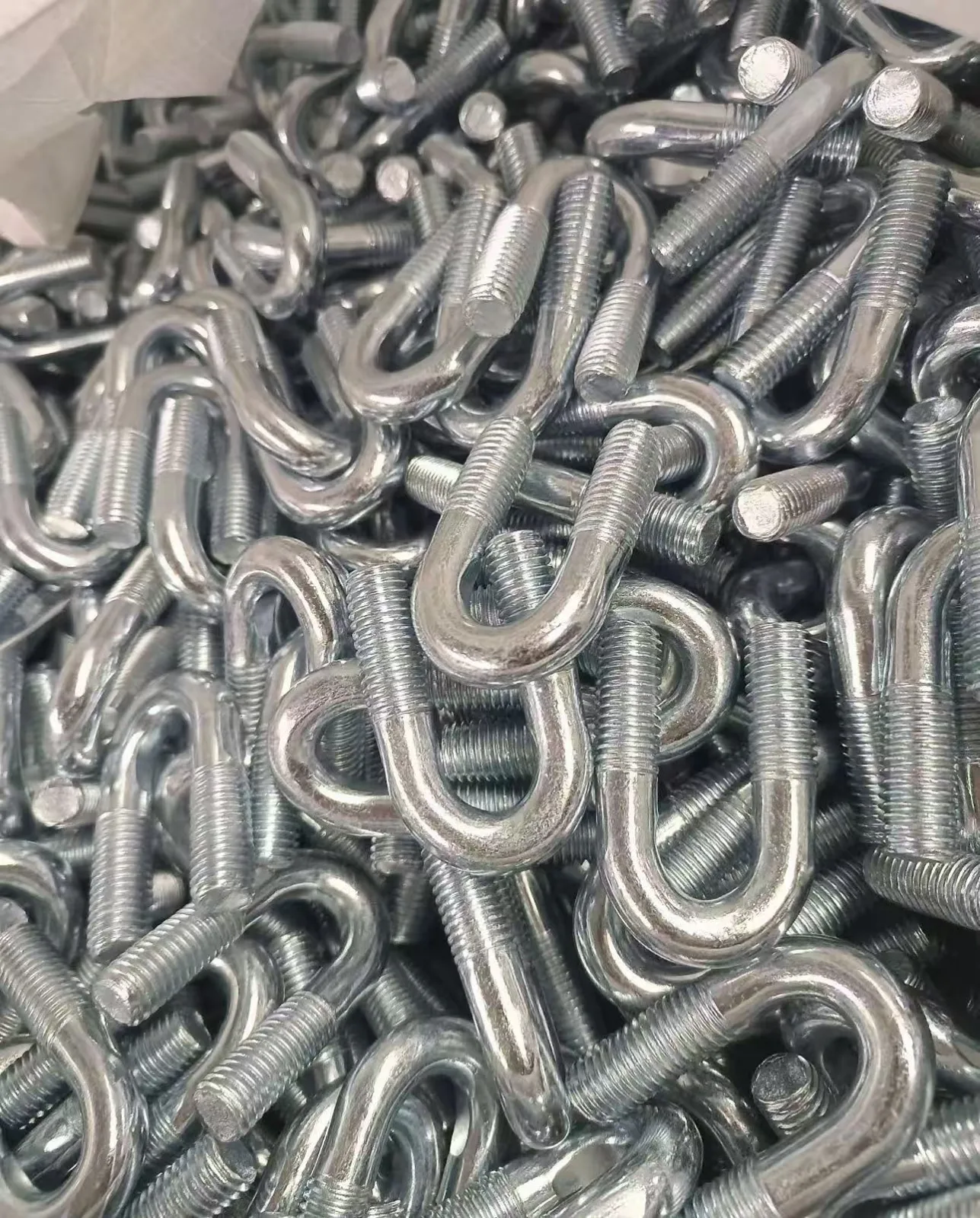
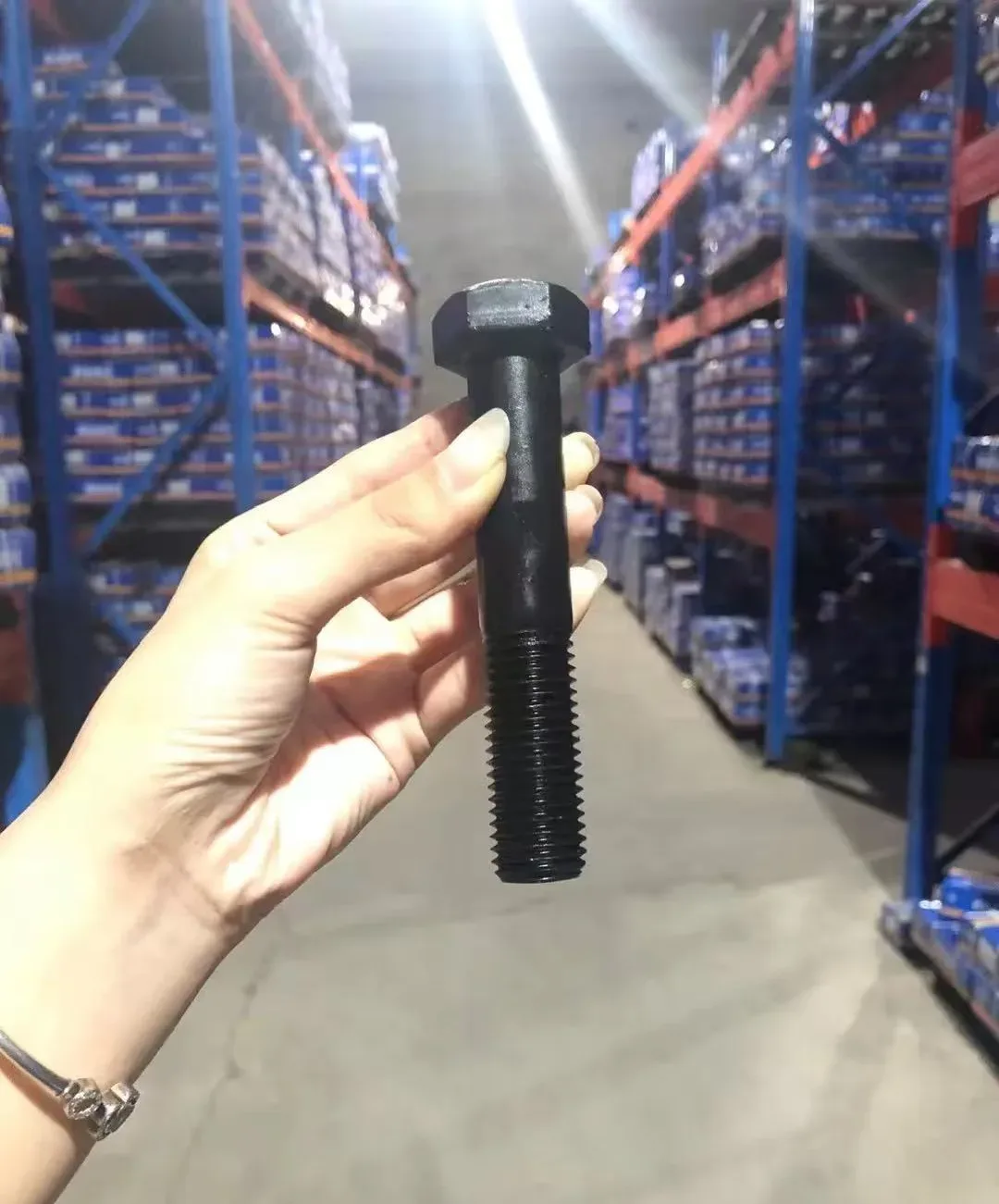
The UK Carbon Border Adjustment Mechanism is due to apply from 1 January 2027. HM Revenue & Customs lists iron or steel goods under commodity heading 7318 among the products in scope. This heading includes screws, bolts, nuts, coach screws, screw hooks, rivets, cotters, cotter pins, washers, spring washers, and similar articles.
This article is general information, not tax, legal, or customs advice. The UK importer should confirm the final commodity code and its obligations with HMRC or a qualified adviser.
Who Is Responsible?
The person responsible for importing CBAM goods into the UK for commercial purposes, or the person on whose behalf they are imported, is responsible for the UK CBAM obligation. Overseas manufacturers are not the UK taxpayer, but buyers may ask them for information about embodied emissions and any qualifying carbon price.
The £50,000 Registration Threshold
HMRC's current guidance uses two tests. From 1 January 2027, a business must register if it expects to import £50,000 or more of CBAM goods in the next 30 days, or if a monthly review shows imports of £50,000 or more in the preceding 12 months. Importers should keep records of commodity codes, values, and import dates.
What Heading 7318 Means for Fasteners
A product name alone does not settle customs classification. The importer should check the complete commodity code using the UK Integrated Online Tariff. Heading 7318 is listed for iron or steel screws, bolts, nuts, coach screws, screw hooks, rivets, cotters, cotter pins, washers, and similar articles.
Information a UK Buyer May Request
- Product description, drawing, dimensions, material, and grade.
- The proposed commodity code for review by the importer.
- Net mass by line item and the manufacturing country.
- The manufacturing installation and subcontracting sites.
- Steel input, material-batch, production, energy, fuel, heat-treatment, and coating records.
- Calculation evidence for actual embodied emissions, if actual values are used.
- Evidence of a qualifying carbon price, if the importer intends to claim relief.
HMRC guidance available on 3 September 2026 says further guidance on monitoring, reporting, and verification will follow. Suppliers should therefore agree the data format and deadline with the buyer before production.
UK CBAM and EU CBAM Are Separate
The UK and EU systems have different legislation, authorities, thresholds, registration arrangements, and calculation rules. A supplier can maintain one reliable production-data set, but it must be mapped to the requirements of each destination market.
Export Checklist
- Confirm the destination and importer of record.
- Ask the importer to confirm the commodity code.
- Record net weight and country of origin by line item.
- Identify every manufacturing and subcontracting site.
- Agree whether default or actual emissions values will be used.
- Keep invoices, packing lists, material records, and emissions evidence consistent.
For EU requirements, see our EU CBAM guide for fastener exporters.
Official Sources
- HMRC: Prepare for the Carbon Border Adjustment Mechanism
- HMRC: Goods within the iron and steel sector
- HMRC policy paper
Request a Specification Review
Send WT Bolts the product specification, destination, quantity, and buyer documentation checklist so the commercial and technical requirements can be reviewed before quotation.