Fully Threaded Rod
Fully threaded rod for support systems, equipment installation and industrial assembly. Confirm the standard, diameter, pitch, length, material, grade, finish, quantity and document requirements against the RFQ or drawing.
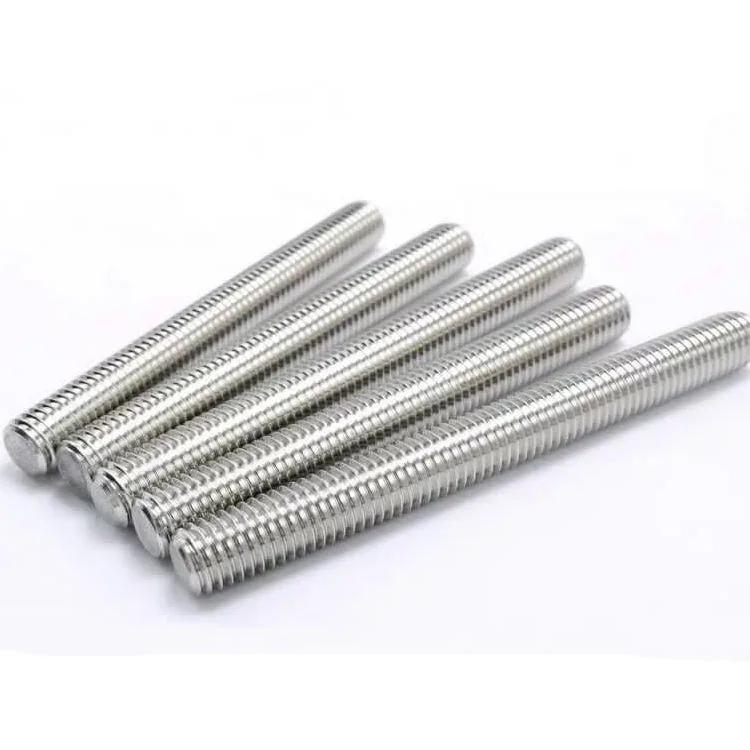
Fully threaded rod, also called all-thread rod, carries thread along almost its entire working length and is used with nuts, washers and coupling nuts. It suits orders that need adjustable nut positions, drawing-defined lengths or connections between support components. The final selection should follow the project drawing, purchase specification and service conditions.
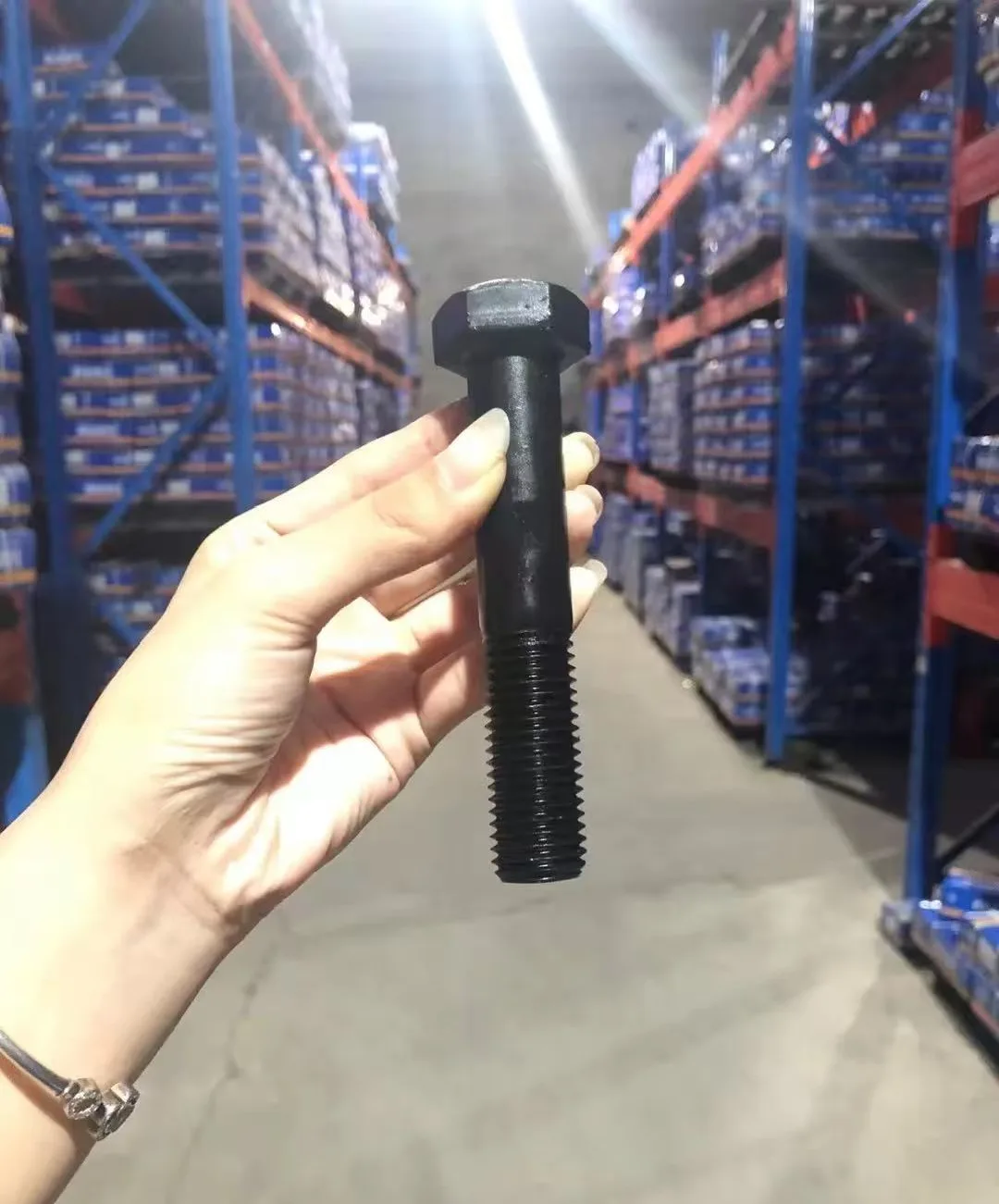
Do not confuse it with a double-end stud
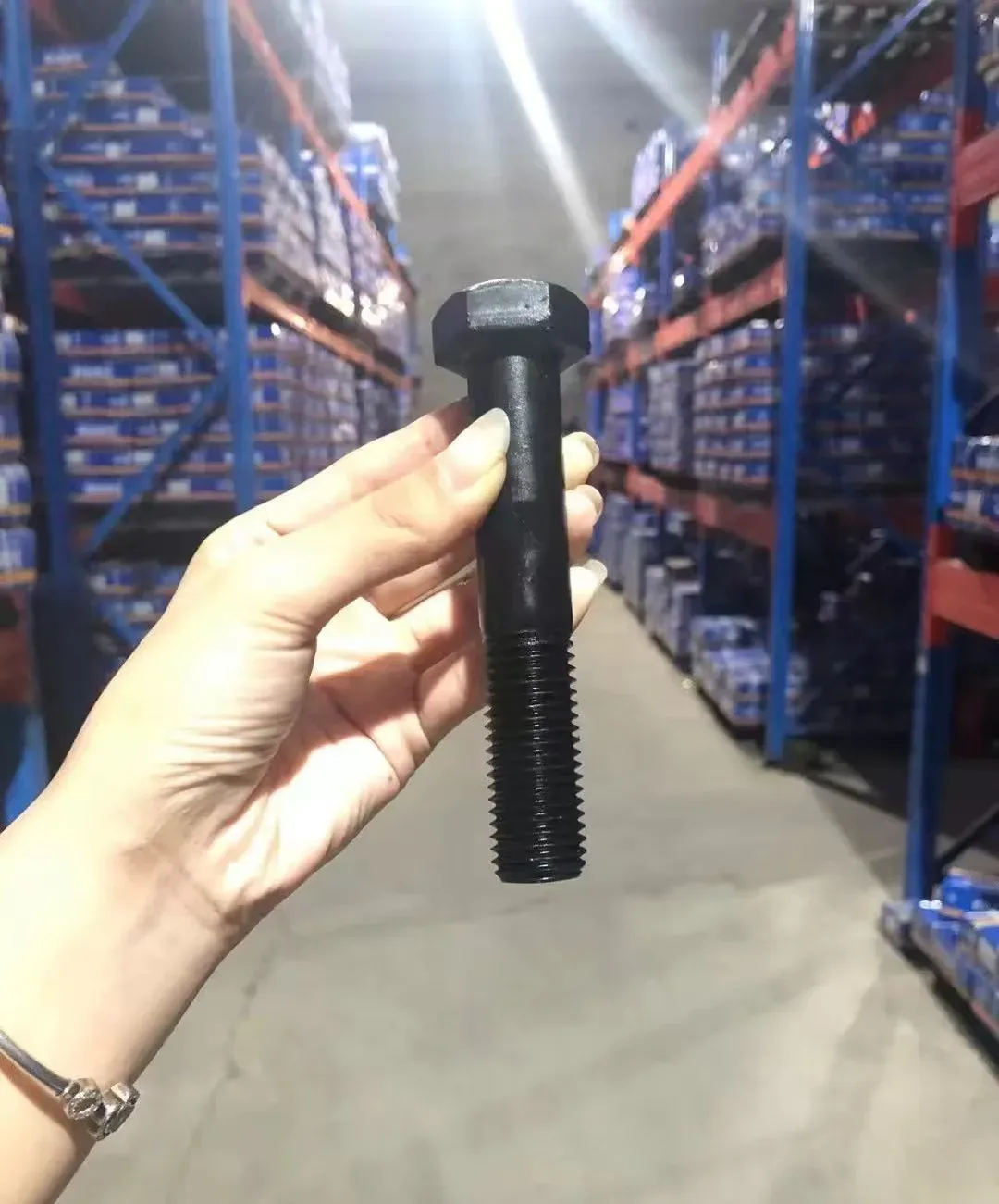
A fully threaded rod has continuous thread along the rod. A double-end stud normally has threaded ends separated by a plain shank. The two products use different length callouts, engagement positions and assembly methods. If the name is uncertain, send a drawing or part photo instead of writing only “stud” or “standard rod.”
How to specify the rod
State the product standard or drawing number, diameter, pitch, overall length, thread direction and end requirements. List the material, mechanical grade, finish and mating nuts separately. Buyers may use names such as DIN 975, DIN 976, all-thread rod or fully threaded stud, but the dimensions, tolerances and performance requirements still need to come from the order documents.
Applications and design limits
Typical enquiries involve pipe or MEP supports, equipment installation, steelwork accessories and general industrial assembly. Suitability for a load-bearing joint, structural connection or anchoring system depends on the design documents, base material, installation method and project approvals. The product name or diameter alone is not enough.
What to include in a bulk RFQ
For a bulk quotation, provide the standard or drawing, diameter and pitch, length, material or grade, finish, quantity, packing, destination and required inspection or material documents. Call out cutting, special ends, left-hand thread, mating nuts or approval requirements separately. You can also review double-end stud vs fully threaded rod and upload the drawing for a specification check.